Silver Ponyfoot
Dichondra argentea
Last reviewed: August 2026
Dichondra argentea, or Silver Ponyfoot, is a low-growing forb grown for its silvery foliage. It thrives in full sun to part shade in hot, dry climates, needs little water once established, and blooms quietly from March through August.
Toxicity unknown
Silver Ponyfoot (Dichondra argentea) is not listed by the ASPCA Animal Poison Control Center (opens in new tab) or the other sources we check, so we have no verdict for it either way. Absence from those lists is not a clearance. If your pet shows symptoms after eating any plant, call the ASPCA at (888) 426-4435.
Light
full sun
Water
low
Size
3"–6" H × 24"–30" W
Bloom
Mar, Apr, May, Jun, Jul, Aug
Native to
AZ, NM, TX
Before you buy
Your city may pay you to plant this
Cities and water utilities offer rebates for replacing lawn with native and water-wise plants. We track 452 programs across 44 states, each with a link to the provider and the date we last checked it.
Find rebates in your areaBrowse plants for this ecoregion
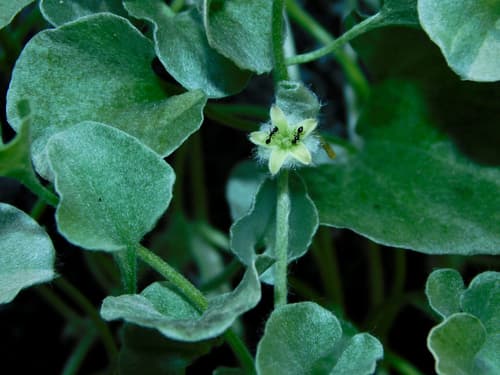
Silver Ponyfoot forms a low, spreading mat with distinctive silvery-green foliage that creates an attractive groundcover. This drought-tolerant perennial produces small, inconspicuous flowers from spring through summer and maintains its foliage most of the year. It works well as a lawn alternative or accent planting in sunny, dry areas.
Growing Silver Ponyfoot
Grow Silver Ponyfoot in full sun and low water. Mature plants reach 3 to 6 inches tall and spread 24 to 30 inches wide. Expect low maintenance to keep it looking intentional in a front yard.
How to care for Silver Ponyfoot, by region
How to care for Silver Ponyfoot where it is actually grown: year-round basics plus what to do each season, region by region, with the sources for each.
Care guidance last updated: August 2026
Cross Timbers (includes Fort Worth, TX)
Year-round
Silver ponyfoot (Dichondra argentea), often sold under the trade name Silver Falls, is a low trailing groundcover with soft silvery leaves. In the Fort Worth and Dallas area it is grown as a heat loving accent for containers, hanging baskets, and sunny beds rather than as a permanent year round groundcover.
- Give it 4 to 6 hours or more of direct sun a day. Full sun keeps the leaves silvery and the growth dense, though it will also tolerate part sun.
- Good drainage matters more than soil type. The sandier soils around Fort Worth usually drain on their own, while the heavier clay common around Dallas often does better with a raised bed, mounded row, or container so roots are not sitting in wet soil.
- Water only after the top couple inches of soil have dried out. Overwatering in heavy clay is the most common way this plant is lost to root rot.
- This species is native to West Texas, New Mexico, and Arizona, not to the Dallas or Fort Worth area itself, so think of it as a well adapted introduced groundcover here rather than a local native.
- It is not reliably winter hardy in North Texas, so most local gardeners grow it as a warm season plant and replant or overwinter cuttings each year.
Fall
Fall in the Fort Worth and Dallas area means deciding how to handle silver ponyfoot before the first frost, typically mid to late November, since the plant is not reliably winter hardy this far north.
- Decide before the first frost, usually mid to late November, whether you will let the planting go as an annual, take stem cuttings, or dig up and pot a piece to bring indoors.
- Clean up any frost damaged foliage after a light frost to keep the bed looking tidy heading into winter.
- Ease off watering as temperatures cool, the plant needs less water than it did during summer heat.
- If you plan to overwinter a container indoors, move it in before the first hard freeze rather than after cold damage has already happened.
A quick fall cleanup of frost damaged foliage keeps the bed looking cared for rather than neglected, which matters for HOA curb appeal checks heading into winter.
Winter
Winter in the Fort Worth and Dallas area is usually too cold for silver ponyfoot to survive outdoors long term, so winter care mostly means looking after any plants you brought inside.
- Plants left outdoors will likely die back in a hard freeze. That is expected here and not a sign of a care mistake.
- If you brought a container indoors, keep it in a bright spot, water sparingly, and hold off on fertilizer until new growth starts in spring.
- A bare or dormant looking bed over winter is normal for this plant in North Texas, plan on replanting or moving cuttings back outside after the last spring frost.
- Hold off on pruning outdoor remnants until you can see what, if anything, survived. Cutting too early can remove growth that would have come back.
A groundcover bed that dies back to bare soil over winter can look unkempt to an HOA reviewer, a light mulch layer or a winter interest planting nearby can help until it is time to replant.
Spring
Spring is planting season for silver ponyfoot in the Fort Worth and Dallas area, once the last frost danger has passed.
- Wait until after your last expected frost, typically mid to late March in North Texas, before planting outdoors or moving overwintered containers back out.
- Pick a full sun to part sun spot and confirm the bed or pot drains well before planting, this becomes even more important once summer rain and heat arrive.
- Water new plantings regularly while roots establish, then taper off once the plant is settled in, since it is drought tolerant at maturity.
- Small white flowers can appear starting in May. They are easy to miss and not the reason most gardeners grow this plant.
Freshly planted, well defined beds or containers read as intentional to an HOA reviewer while the groundcover is still filling in.
Summer
Summer heat is when silver ponyfoot grows best in the Fort Worth and Dallas area, as long as drainage stays good.
- This plant handles North Texas summer heat well once established, it is one of its strongest seasons.
- Water deeply but infrequently. Let the top couple inches of soil dry out between waterings rather than watering a little every day.
- Check container plantings often, they dry out faster than in ground beds during peak summer heat.
- Trim back any leggy or sun scorched runners to keep the mat dense. This is optional grooming, not a requirement.
Sources: Lady Bird Johnson Wildflower Center, Native Plant Database, Dichondra argentea, Texas A&M AgriLife Extension, Henderson County Master Gardeners, Silver Falls plant guide, Proven Winners, Silver Falls Dichondra argentea plant details, NC State Extension, Dichondra argentea Silver Falls plant profile
Edwards Plateau (includes San Antonio, TX)
Year-round
Silver Ponyfoot is a trailing, silver-leaved groundcover native to West Texas that adapts well to San Antonio yards when given full sun to part shade and dry, well-drained soil.
- Give it full sun to part shade and soil that drains well; it is prone to root rot if the site stays soggy.
- It spreads by trailing stolons into a low mat only a few inches tall and 2 to 2.5 feet wide, useful as a groundcover, border filler, or trailing container plant.
- The Native Plant Society of Texas lists it as native to West Texas and the Chihuahuan Desert region; in San Antonio it is grown outside that core native range and can need a bit more attentive watering than in its home habitat.
- It is not on the ASPCA's toxic plant list for dogs or cats, though eating any plant in quantity can still cause mild stomach upset.
As a low, tidy silver groundcover under 6 inches tall, it reads as a clean, low-maintenance bed or border filler that fits HOA-friendly front-yard standards.
Fall
Fall brings San Antonio's second rainy stretch, with September as one of the wettest months, and mild temperatures that make it a reasonable second planting window before the average first frost in mid-to-late November.
- September's rains often cut down on how much supplemental watering is needed; check that the soil has actually dried before watering again.
- As nights cool toward San Antonio's average first frost, which climate normals place around mid-to-late November, growth naturally slows.
- Fall planting gives roots time to establish before winter cold, since the species is not reliably frost hardy.
Winter
Winter is the riskiest season for Silver Ponyfoot in San Antonio; it is rated hardy only to about USDA zone 8a and cannot survive a hard freeze, so occasional Edwards Plateau cold snaps can knock it back even though San Antonio's typical winters are milder.
- Cover plants with frost cloth ahead of forecast hard freezes, since a University of Wisconsin-Madison Extension guide rates the species hardy only to about zone 8a and says it cannot survive freezing temperatures outright.
- Leave any frost-damaged foliage in place through winter rather than cutting it back hard; the plant often resprouts from the base once temperatures warm again.
- San Antonio's winters are typically the driest time of year, so cut back watering significantly while the plant is semi-dormant.
Spring
Spring is the best time to plant or divide Silver Ponyfoot in San Antonio, once nighttime lows clear the area's average last frost in mid-February to late March.
- Wait until after San Antonio's average last frost, which NOAA-based normals place between mid-February and late March, before planting or setting out new divisions.
- Water new plantings regularly to help roots establish; San Antonio's rainiest month, May, often supplies extra natural moisture to factor into the schedule.
- Trim away any foliage left damaged by winter freezes to make room for fresh silvery growth.
Summer
San Antonio summers are long, hot, and often dry, so established Silver Ponyfoot does best with deep, infrequent watering and can appreciate afternoon shade during the hottest stretch.
- Once established, water deeply but infrequently and let the soil dry between waterings; overwatering in San Antonio's heavy clay soils is the main cause of root rot in this plant.
- During the hottest part of summer, afternoon part shade can help keep the silver foliage from scorching, even though the plant tolerates full sun in cooler months.
- Good drainage stays critical if summer storms bring heavy rain; make sure the planting site does not stand in water.
Sources: Lady Bird Johnson Wildflower Center - Dichondra argentea, Native Plant Society of Texas - Dichondra argentea, ASPCA Non-Toxic Plants for Cats (Dichondra not listed as toxic), Almanac.com Frost Dates for San Antonio, TX (community tip), Texas Master Gardener (Henderson County) - Silver Falls care guide, Climates to Travel - San Antonio climate averages (community tip)
Texas Blackland Prairies (includes Dallas, TX)
Year-round
Silver ponyfoot (Dichondra argentea), often sold under the trade name Silver Falls, is a low trailing groundcover with soft silvery leaves. In the Fort Worth and Dallas area it is grown as a heat loving accent for containers, hanging baskets, and sunny beds rather than as a permanent year round groundcover.
- Give it 4 to 6 hours or more of direct sun a day. Full sun keeps the leaves silvery and the growth dense, though it will also tolerate part sun.
- Good drainage matters more than soil type. The sandier soils around Fort Worth usually drain on their own, while the heavier clay common around Dallas often does better with a raised bed, mounded row, or container so roots are not sitting in wet soil.
- Water only after the top couple inches of soil have dried out. Overwatering in heavy clay is the most common way this plant is lost to root rot.
- This species is native to West Texas, New Mexico, and Arizona, not to the Dallas or Fort Worth area itself, so think of it as a well adapted introduced groundcover here rather than a local native.
- It is not reliably winter hardy in North Texas, so most local gardeners grow it as a warm season plant and replant or overwinter cuttings each year.
Fall
Fall in the Fort Worth and Dallas area means deciding how to handle silver ponyfoot before the first frost, typically mid to late November, since the plant is not reliably winter hardy this far north.
- Decide before the first frost, usually mid to late November, whether you will let the planting go as an annual, take stem cuttings, or dig up and pot a piece to bring indoors.
- Clean up any frost damaged foliage after a light frost to keep the bed looking tidy heading into winter.
- Ease off watering as temperatures cool, the plant needs less water than it did during summer heat.
- If you plan to overwinter a container indoors, move it in before the first hard freeze rather than after cold damage has already happened.
A quick fall cleanup of frost damaged foliage keeps the bed looking cared for rather than neglected, which matters for HOA curb appeal checks heading into winter.
Winter
Winter in the Fort Worth and Dallas area is usually too cold for silver ponyfoot to survive outdoors long term, so winter care mostly means looking after any plants you brought inside.
- Plants left outdoors will likely die back in a hard freeze. That is expected here and not a sign of a care mistake.
- If you brought a container indoors, keep it in a bright spot, water sparingly, and hold off on fertilizer until new growth starts in spring.
- A bare or dormant looking bed over winter is normal for this plant in North Texas, plan on replanting or moving cuttings back outside after the last spring frost.
- Hold off on pruning outdoor remnants until you can see what, if anything, survived. Cutting too early can remove growth that would have come back.
A groundcover bed that dies back to bare soil over winter can look unkempt to an HOA reviewer, a light mulch layer or a winter interest planting nearby can help until it is time to replant.
Spring
Spring is planting season for silver ponyfoot in the Fort Worth and Dallas area, once the last frost danger has passed.
- Wait until after your last expected frost, typically mid to late March in North Texas, before planting outdoors or moving overwintered containers back out.
- Pick a full sun to part sun spot and confirm the bed or pot drains well before planting, this becomes even more important once summer rain and heat arrive.
- Water new plantings regularly while roots establish, then taper off once the plant is settled in, since it is drought tolerant at maturity.
- Small white flowers can appear starting in May. They are easy to miss and not the reason most gardeners grow this plant.
Freshly planted, well defined beds or containers read as intentional to an HOA reviewer while the groundcover is still filling in.
Summer
Summer heat is when silver ponyfoot grows best in the Fort Worth and Dallas area, as long as drainage stays good.
- This plant handles North Texas summer heat well once established, it is one of its strongest seasons.
- Water deeply but infrequently. Let the top couple inches of soil dry out between waterings rather than watering a little every day.
- Check container plantings often, they dry out faster than in ground beds during peak summer heat.
- Trim back any leggy or sun scorched runners to keep the mat dense. This is optional grooming, not a requirement.
Sources: Lady Bird Johnson Wildflower Center, Native Plant Database, Dichondra argentea, Texas A&M AgriLife Extension, Henderson County Master Gardeners, Silver Falls plant guide, Proven Winners, Silver Falls Dichondra argentea plant details, NC State Extension, Dichondra argentea Silver Falls plant profile
Want these tasks as reminders timed to your yard? Pollinator Patch turns this guidance into a season-by-season care plan for the plants you actually grow.
In an HOA neighborhood
Silver Ponyfoot is an HOA-friendly choice. Maintenance level: low. Tidiness: 4 out of 5.
Works well in: front yard, foundation, street edge, mid zone.
Wildlife value
This plant provides minimal wildlife value, with small flowers that attract few pollinators. It primarily serves as groundcover habitat rather than a significant food source for wildlife.
Common questions
- How much sun does Dichondra argentea need?
- Silver Ponyfoot grows best in full sun but can tolerate part sun or light afternoon shade, which helps prevent leaf scorch in very hot regions.
- How much water does Silver Ponyfoot require?
- It has low water needs and prefers well-drained soil. Established plants are quite drought tolerant, and soggy soil can lead to rot.
- When does Dichondra argentea flower?
- It produces small, inconspicuous flowers from roughly March through August, but it is grown mainly for its trailing silver leaves rather than for showy blooms.
- Do pollinators visit Silver Ponyfoot flowers?
- No major pollinators have been documented visiting this plant. Its flowers are tiny and not considered an important nectar source.
- Is Silver Ponyfoot HOA-friendly?
- Silver Ponyfoot is generally an HOA-friendly choice in the right placement, with low maintenance.
These answers were drafted with an AI model from this plant's data. Verify care details with a local expert.
Native range data from vouchered herbarium specimen records and regional native plant society lists. Pollinator and host plant associations compiled from GBIF, iNaturalist, and published ecological literature.
If something looks wrong
Common plant problems, and what to check first
These come up on almost any plant. Each guide lists the likely causes in the order they are worth ruling out, with one thing to check before you act on any of them, and links to the source it came from.
- It is dying right after planting
- Leaves turning yellow
- Wilting even though I watered it
- Brown crispy leaf tips
- Bugs on the plant
Ready to grow Silver Ponyfoot? Add it to your garden in Pollinator Patch to track it and get season-by-season care guidance.
Planning a bed around it? Start a free plan with this plant
Not sure where to start? Take the 2-minute yard quiz