Western Wheatgrass
Pascopyrum smithii
Last reviewed: July 2026
The USDA PLANTS Database (opens in new tab) does not flag Western Wheatgrass as toxic to livestock.
Light
full sun
Water
low
Size
12"–48" H × 12"–36" W
Bloom
Jun, Jul, Aug
Native to
CA, CO, GA, IA and 24 more states
Browse plants for this ecoregion
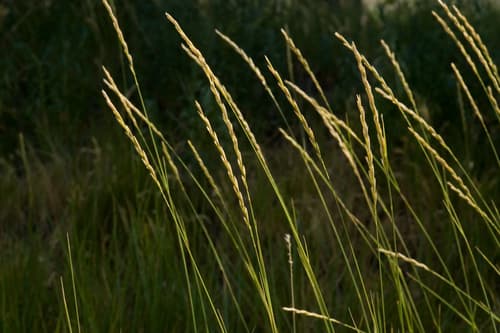
Western wheatgrass is a native prairie grass that forms dense, low clumps with blue-green foliage. It produces wheat-like seed heads in summer and is extremely drought tolerant once established.
In an HOA neighborhood
Western Wheatgrass is an HOA-friendly choice in the right placement. Maintenance level: low. Tidiness: 3 out of 5.
Works well in: mid zone, street edge.
- May look dormant or brown in winter
- Seed heads could appear unmanicured to some HOAs
Wildlife value
The seed heads provide food for birds and small mammals. As a native grass, it supports various grassland insects and provides nesting material for birds.
Common questions
- How much sun does Western Wheatgrass need?
- Western Wheatgrass grows best in full sun conditions.
- When does Western Wheatgrass bloom?
- Western Wheatgrass blooms in June, July, and August.
- Where is Western Wheatgrass native?
- Western Wheatgrass (Pascopyrum smithii) is native to CA, CO, GA, IA and 24 more states, per the USDA PLANTS Database and regional native plant society lists.
- Is Western Wheatgrass toxic to livestock?
- The USDA PLANTS Database does not flag Western Wheatgrass as toxic to livestock.
- Is Western Wheatgrass HOA-friendly?
- Western Wheatgrass is generally an HOA-friendly choice in the right placement, with low maintenance.
Native range data from the USDA PLANTS Database and regional native plant society lists. Pollinator and host plant associations compiled from GBIF, iNaturalist, and published ecological literature.
Ready to grow Western Wheatgrass? Add it to your garden in Pollinator Patch to track it and get season-by-season care guidance.
Not sure where to start? Take the 2-minute yard quiz