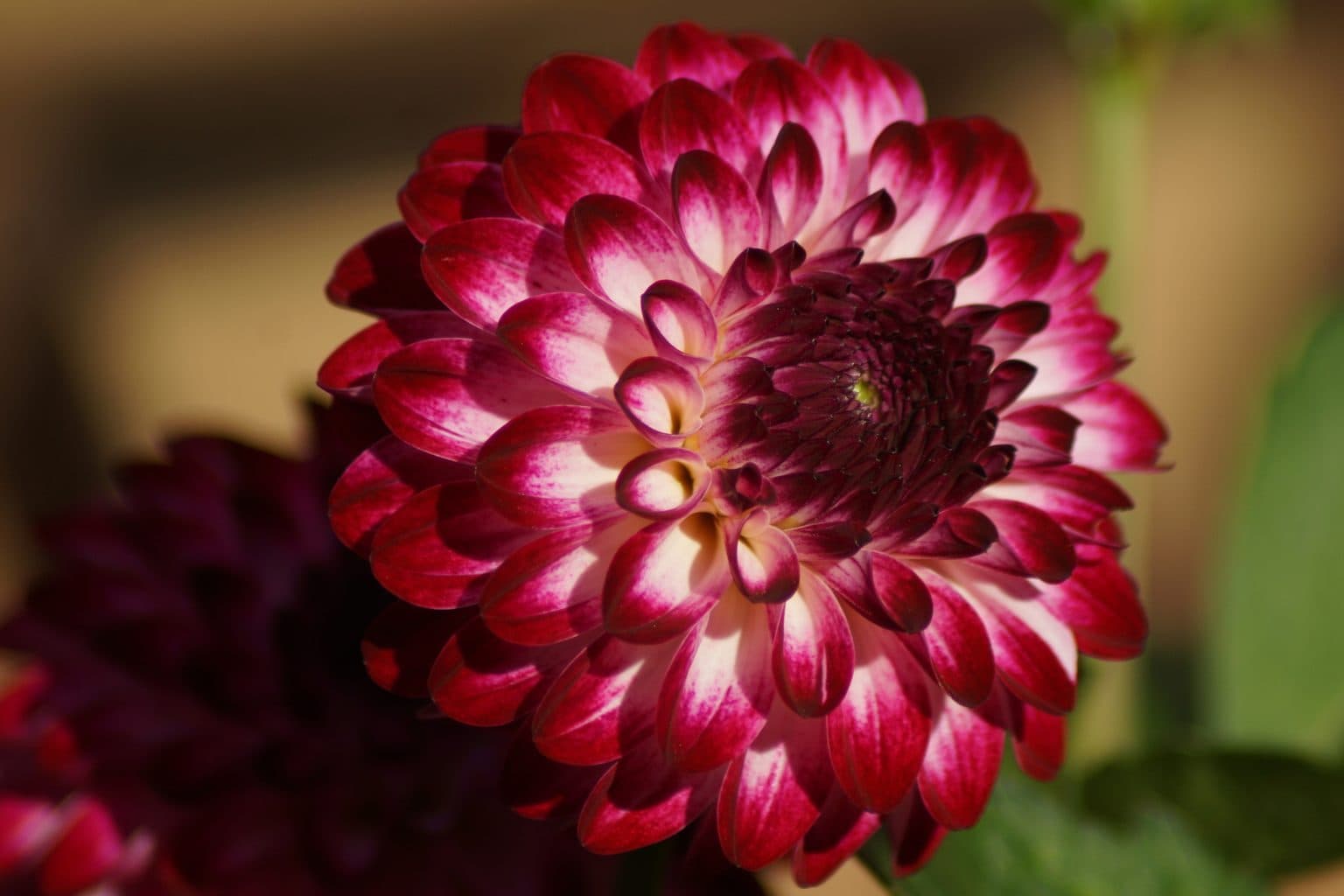
The first frost turns dahlia and canna leaves black overnight. That is the signal to dig. Where the ground freezes, these summer bulbs die if they stay in it (Utah State University Extension). Lift them within a few days, let them dry, pack them somewhere cool for the winter, and the same plants come back next summer.
Do you need to dig at all?
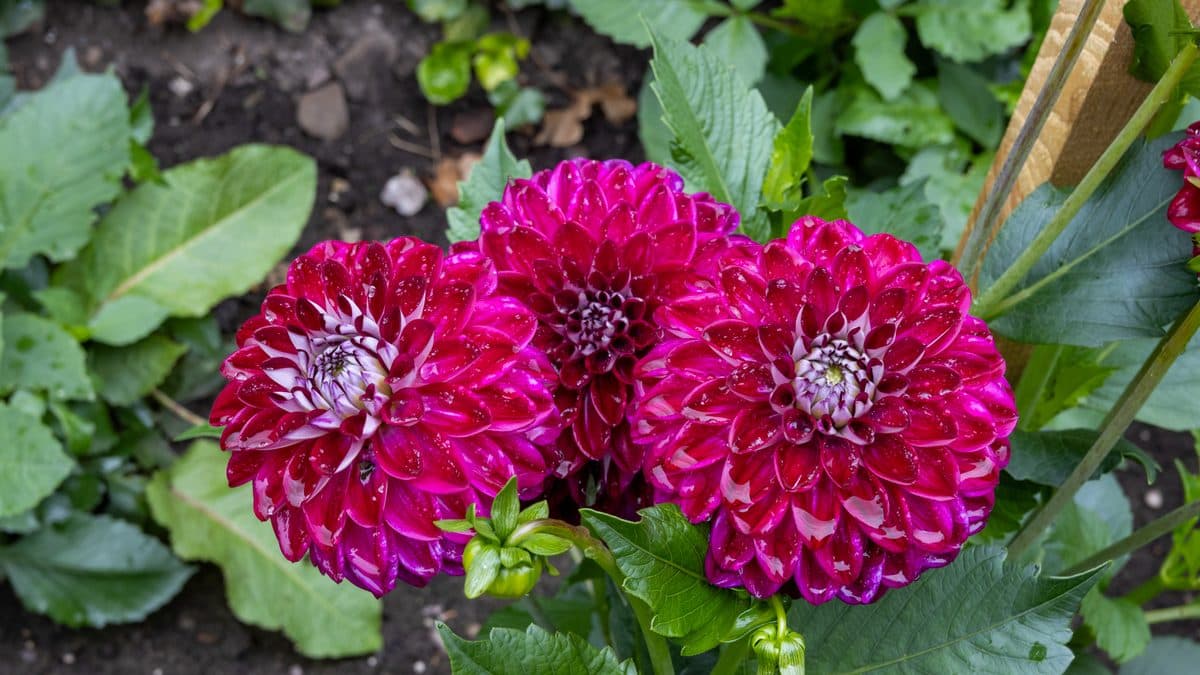
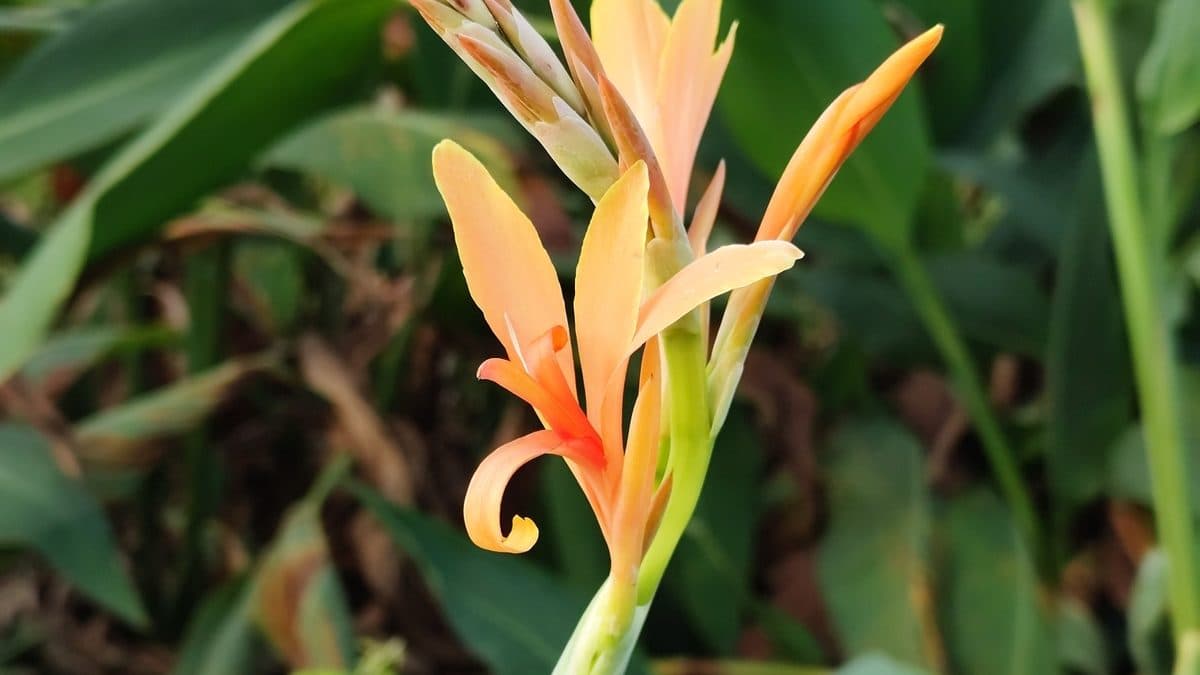
Dahlias, cannas and gladiolus are tender. They only grow as perennials where winter is mild. NC State Extension lists dahlias for zones 7 to 10 and cannas for zones 6 to 10, and on both plant pages it splits the work by zone: in zone 8, mulch over them and leave them. In zone 7 and colder, lift them in fall and store them (NC State Extension, Dahlia, Canna). Dahlia roots can be injured below 25F (NC State Extension). If your winters get that cold, dig.
When to dig: right after the first frost
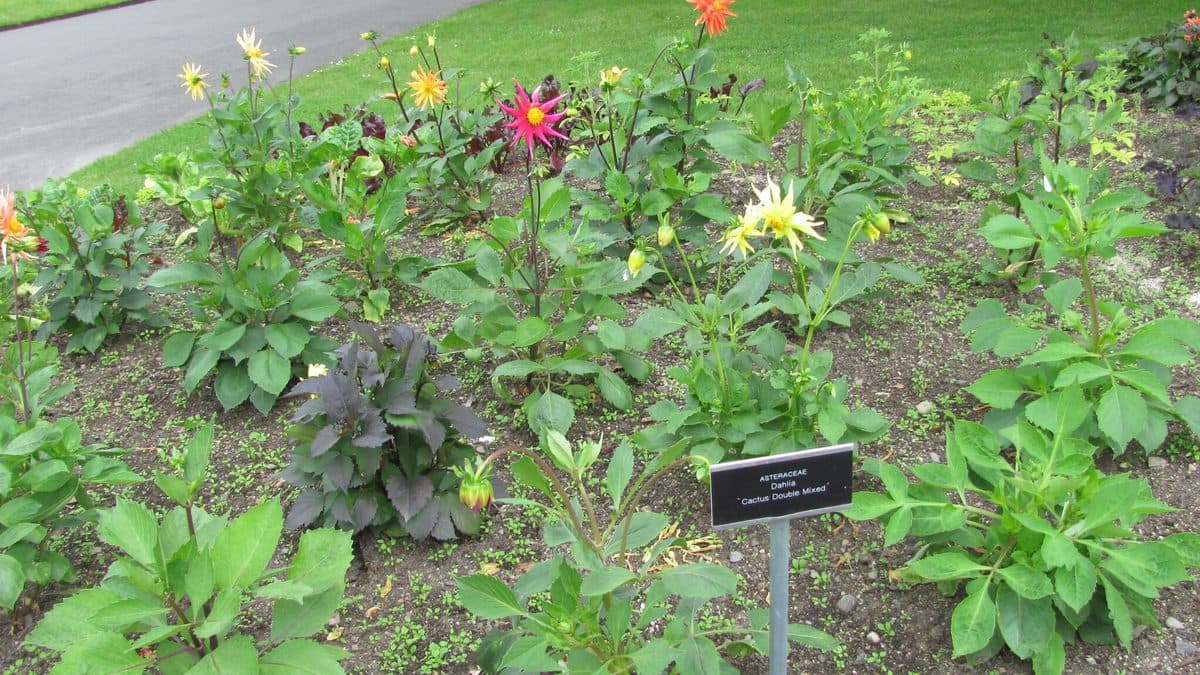
A light to moderate frost kills the leaves but does not reach the bulb underground (University of Wisconsin Extension). That is your cue. Dig within a few days of the leaves going black, so rot organisms do not get into the bulb (University of Wisconsin Extension).
Do not wait for the hard freeze. For cannas, University of Wisconsin Extension warns that a hard freeze "will turn the stem to mush." Gladiolus can come up when the leaves yellow or after the first frost, whichever comes first (University of Wisconsin Extension).
How to lift them
- Cut the stalks back, to about 4 inches for dahlias (Utah State University Extension).
- Dig around the outside of the clump with a garden fork or shovel, a little wider than you think, so you do not cut into the tubers (NDSU Extension).
- Lift the clump and shake off the loose soil.
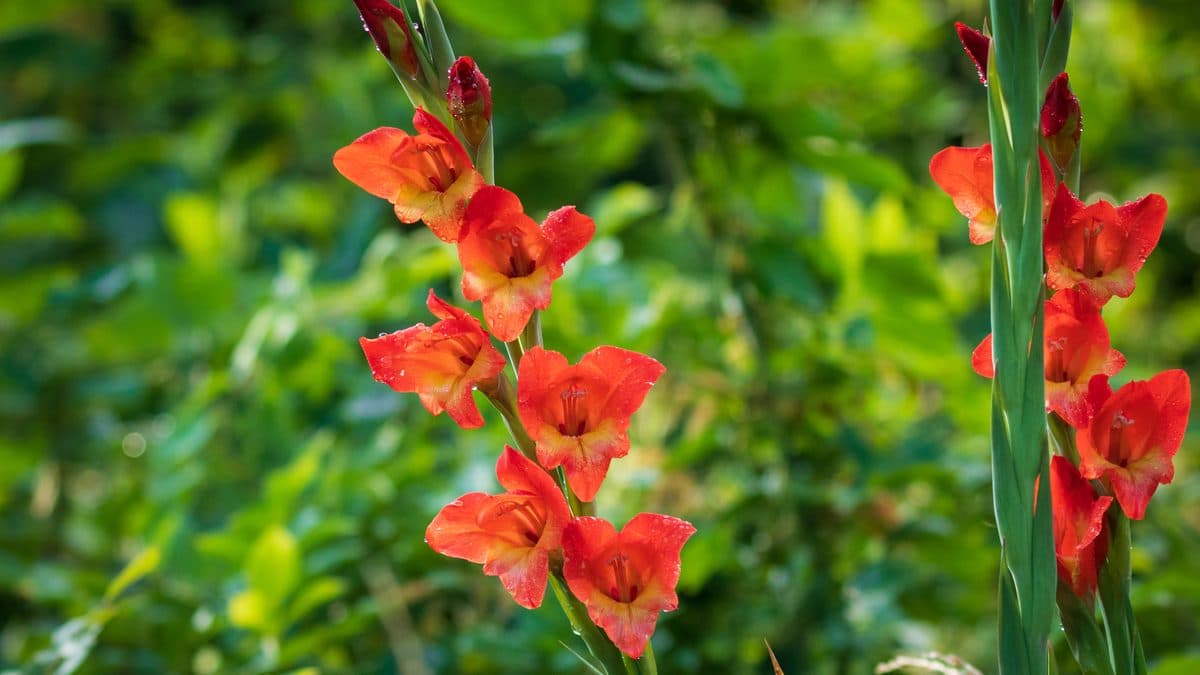
- Decide on washing. University of Wisconsin Extension hoses most tender bulbs clean, while NC State Extension says not to wash dahlias (NC State Extension). Either way, do not wash gladiolus corms. Cut their stems back to 1 to 2 inches and let the leftover soil dry and fall away (University of Wisconsin Extension).
Cure them before they go in a box
Curing is a short drying period that toughens the skin before storage. Keep the bulbs out of direct sun in a dry, airy spot at 60 to 70F (University of Wisconsin Extension).
- Dahlias, cannas and caladiums: 1 to 3 days (NDSU Extension).
- Gladiolus and calla: about three weeks (University of Wisconsin Extension).
Throw out anything that is already soft or rotting before it goes into storage.
How to store them over winter
- Container. A cardboard box or another ventilated container. Avoid plastic tubs and airtight containers, which hold in moisture and cause rot (NDSU Extension, University of Wisconsin Extension).
- Packing. 2 to 3 inch layers of peat moss, vermiculite, sawdust, wood shavings, coir or sand between the bulbs (University of Wisconsin Extension).
- Temperature. Around 40 to 50F, and never freezing (NDSU Extension, Utah State University Extension). The coolest, darkest corner of a basement works (NDSU Extension), and so does an unheated garage that does not freeze (University of Wisconsin Extension).
Check them once a month
Open the box every few weeks over the winter (University of Wisconsin Extension):
- Shriveled or wrinkled bulbs: moisten the packing a little. Dahlias can be misted lightly.
- Soft spots: cut them out, or throw the bulb away if it is rotting.
- Damp bulbs: take them out of the packing and let them air-dry for a few days before repacking in dry material.
Divide dahlias in spring, not now
Some gardeners split dahlia clumps right after digging, because the buds are easy to see in fall. University of Wisconsin Extension recommends waiting until spring, which keeps the cut pieces from spoiling in storage (University of Wisconsin Extension).
Watch it done
How to Dig and Store Canna Lilly Bulbs | Rhizomes, from The Neals' Homestead (10:22). You see how far out to start digging around a canna clump, how deep the rhizomes run, and the clumps getting hosed clean. They set the rhizomes in the sun to dry for a while, where University of Wisconsin Extension cures them out of direct sun, and the video ends before storage.
Where the app fits
Pollinator Patch sends freeze alerts by email as well as in the app, once your account has a garden saved with your location, so the hard freeze does not catch you with cannas still in the ground. And if a stored tuber looks wrong in February, ask Patch. Something like "is this soft spot on my dahlia tuber rot?" works.