You Are Probably Ripping Out the Wrong Plants
The short version
- The figure comes from Narango, Tallamy and Marra (2018, PNAS), which measured the proportion of woody plant biomass in a yard, not the number of plants or the area of the garden.
- The popular 70 percent number is the forgiving end of the range: the paper reports sustainability below 6 percent nonnative biomass as its central estimate, with confidence intervals overlapping replacement under 30 percent nonnative.
- Because the measure is woody biomass, the highest-leverage decision is which tree you plant next, not which perennial you remove.
- Executive Order 13112 defines invasive as a subset of non-native: an alien species whose introduction does or is likely to cause harm. A well-behaved exotic is a different category.
- Non-natives can supply nectar for generalist pollinators (Staab et al. 2020, Oecologia), but generally do not support the specialist caterpillars that insectivorous birds feed their young.
Quick answer
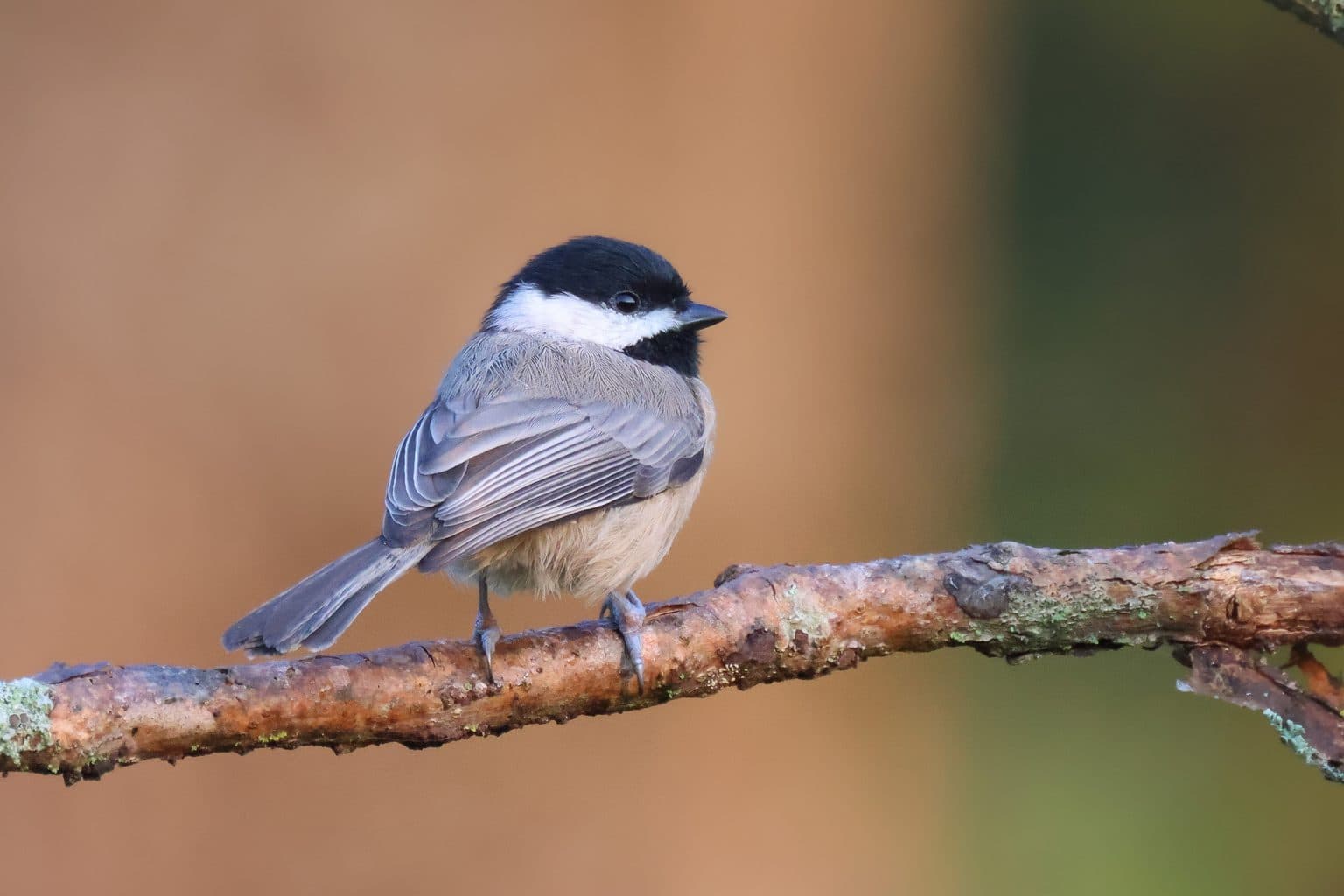
The widely quoted "70 percent native" figure comes from Narango, Tallamy and Marra's 2018 paper in PNAS, and it is usually quoted loosely. The paper measured the proportion of woody plant biomass in a yard, not the number of plants and not the area of the garden, and it studied Carolina chickadees in the Washington DC suburbs. Which means the lever is your trees and large shrubs. If you are agonizing over a hydrangea while a non-native shade tree dominates your yard, you are optimizing the wrong plant.
The advice to rip out every non-native is well meant and it backfires. People hear start over, look at a yard full of things they did not plant and cannot afford to replace, and do nothing at all. The research being cited is more specific than the slogan, and the specificity is good news.
What the study actually measured
The source is Narango, Tallamy and Marra (2018), "Nonnative plants reduce population growth of an insectivorous bird," in PNAS (opens in new tab). The team followed Carolina chickadees nesting in residential yards and tied their breeding success to what was planted around them.
Three details get lost every time it is summarized.
It is biomass, not plant count or yard area.The threshold is a proportion of plant biomass, largely woody. A yard could be mostly native by species count and still fail it if two big non-native trees dominate the mass. "Seventy percent of your plants" and "seventy percent of your yard" are both different claims from what was measured.
The popular number is the forgiving end of the range. The paper reports that mean population growth in the residential system was only sustainable below 6 percent nonnative plant biomass, with confidence intervals overlapping replacement when nonnative plants were under 30 percent. The 70 percent figure everyone repeats is that outer bound, where a stable population is statistically possible. The central estimate was considerably stricter.
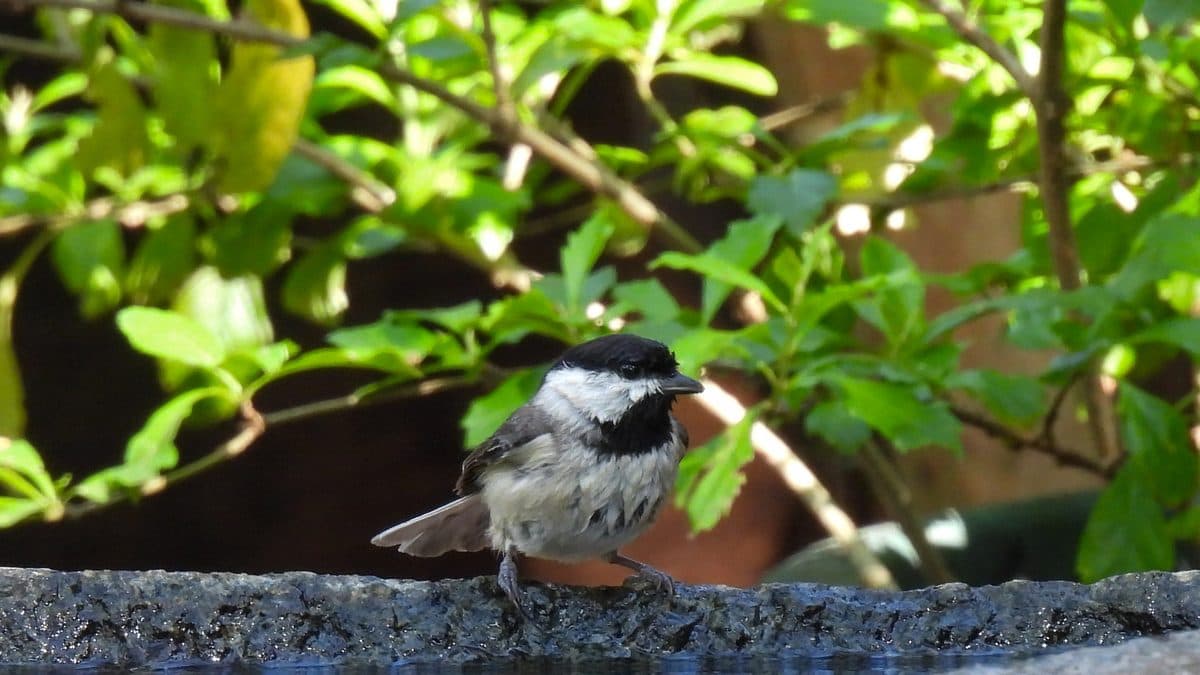
It is one bird, in one region. Carolina chickadees, in the DC, Maryland and Virginia suburbs. The authors suggest chickadees are a reasonable proxy for insectivorous birds generally, and note food limitation may be worse for more specialized species. They do not present 70 percent as a universal rule for bees, butterflies, or every region.
Why biomass changes the advice completely
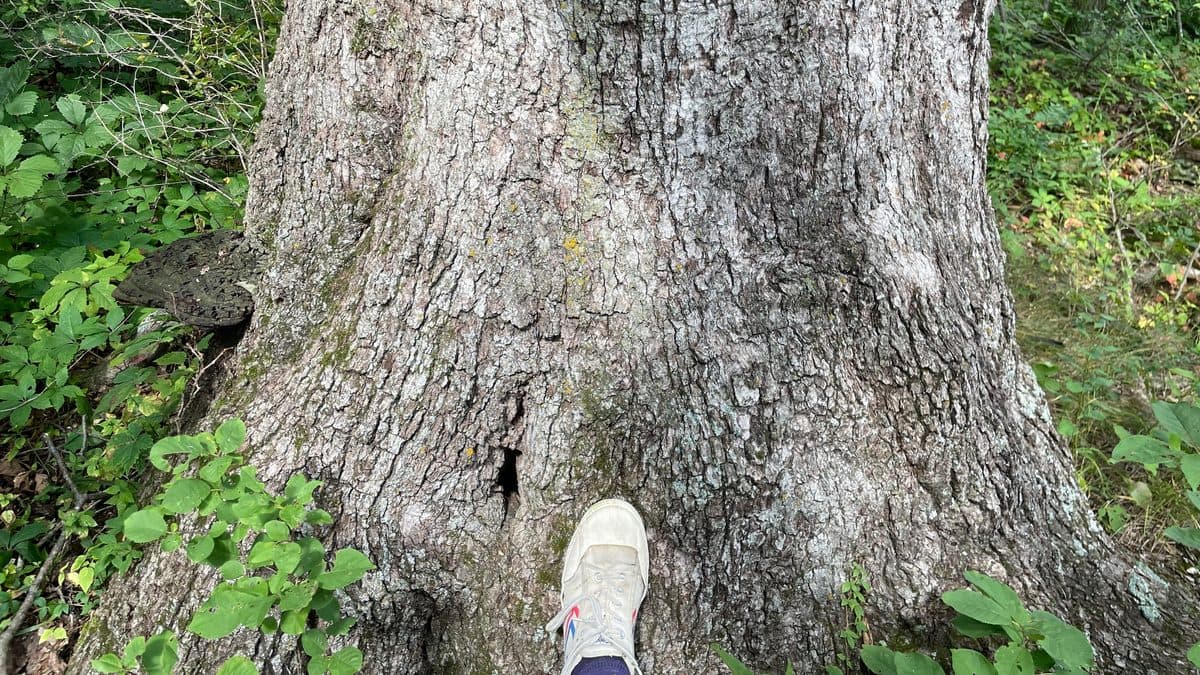
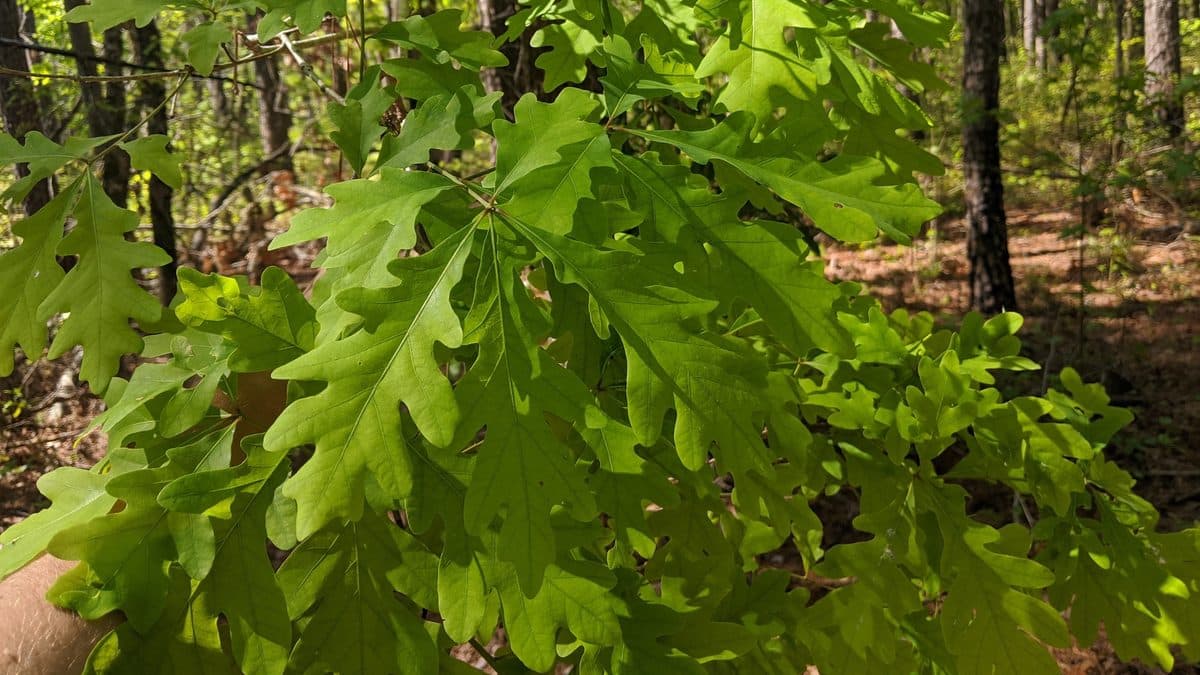
If the measure is woody biomass, then a mature tree is worth more than everything in your perennial border put together. A single large oak is a very large fraction of a typical suburban lot's plant mass.
So the highest-leverage decision in this entire topic is what you plant when a tree comes down, or what you put in when you have room for one. That decision happens maybe twice in the time you own a house, and it matters more than every perennial choice combined.
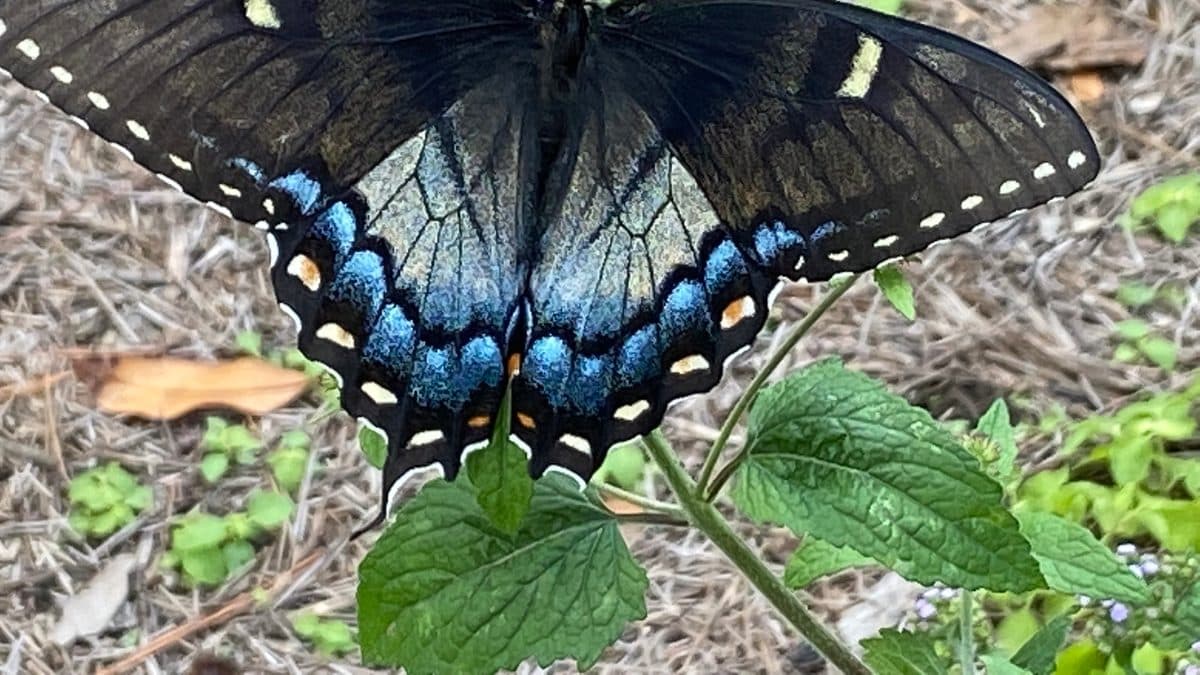
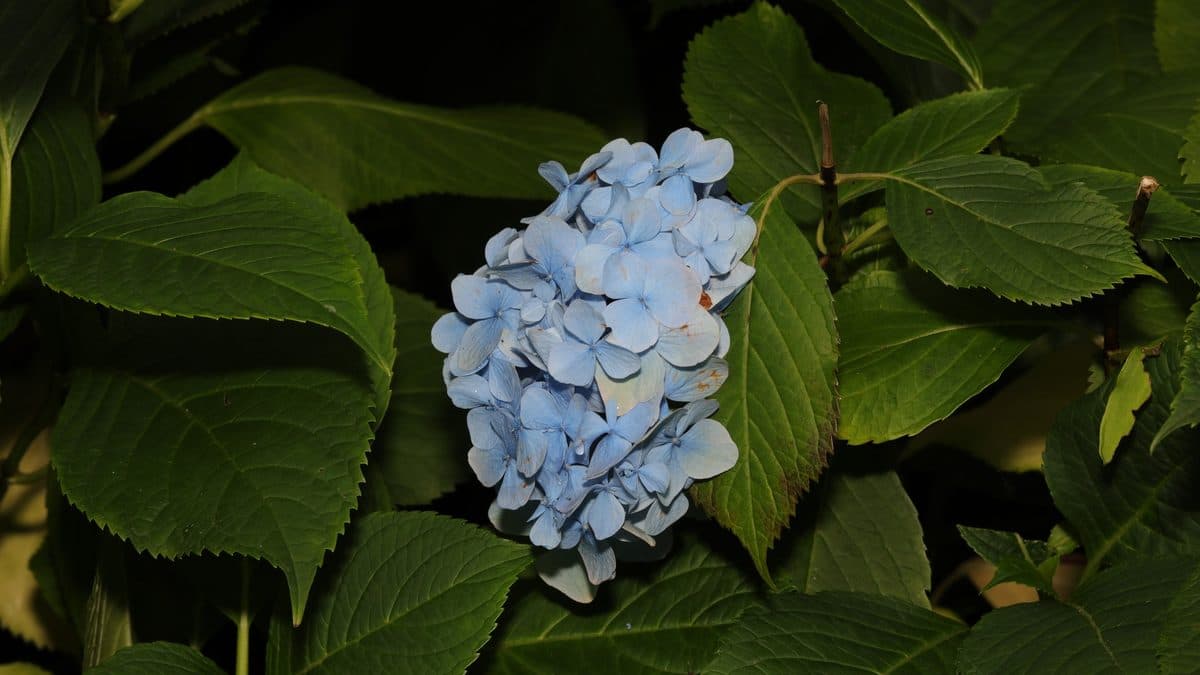
Meanwhile the hydrangea your mother planted is, in biomass terms, a rounding error.
Non-native is not the same as invasive
These two words get used interchangeably and they are not the same thing, which matters because one describes a plant worth removing and the other describes most of what is in an average American yard.
The federal definition is in Executive Order 13112 (opens in new tab). An alien species is one not native to that ecosystem. An invasive species is an alien species whose introduction does, or is likely to, cause economic or environmental harm or harm to human health. The second category is a subset of the first, defined by behavior rather than origin.
A well-behaved exotic that stays in its bed is a different problem from a plant escaping into a woodland. Removing the second one is genuine conservation work. Removing the first is mostly a change of taste, and it is fine to do it slowly or not at all.
What non-natives do and do not provide
The steelman for keeping some non-natives is real, and it is about nectar rather than caterpillars.
Staab, Pereira-Peixoto and Klein, publishing in Oecologia in 2020 (opens in new tab), found that exotic garden plants partly substituted for native flower resources when native plants became seasonally scarce, slowing the late-season decline in flower-visitor richness. Lowenstein, Matteson and Minor, looking at 106 plant taxa across 63 Chicago neighborhoods (opens in new tab), found native perennials attracted more visits on average, but the two most-visited plants in the whole study were non-native perennial weeds.
The counterweight is that natives still win overall. Silva and colleagues, comparing ten native and ten non-native ornamental plants in a 2026 PeerJ paper, found the native plants produced higher floral densities and displays, more pollen, and greater pollinator diversity.
The distinction that reconciles these is between nectar and host plants. A generalist adult pollinator will take nectar from a great many things. A specialist herbivore, including the caterpillars that chickadees feed their young, needs the particular plants it evolved on. Your non-native shrub can feed an adult bee and still support no caterpillars at all, and it is the caterpillars the Narango study was counting.
A sane order of operations
- Remove what is actually invasive first.Check your state's invasive plant list. This is the part that is unambiguously worth the labor.
- Make the next tree a native one. Highest biomass leverage available to you, and it usually costs nothing extra.
- Convert the beds you are already redoing. Change plants when they die or when you were renovating anyway, rather than on a schedule.
- Keep the sentimental ones. A yard you like is a yard you keep working on.
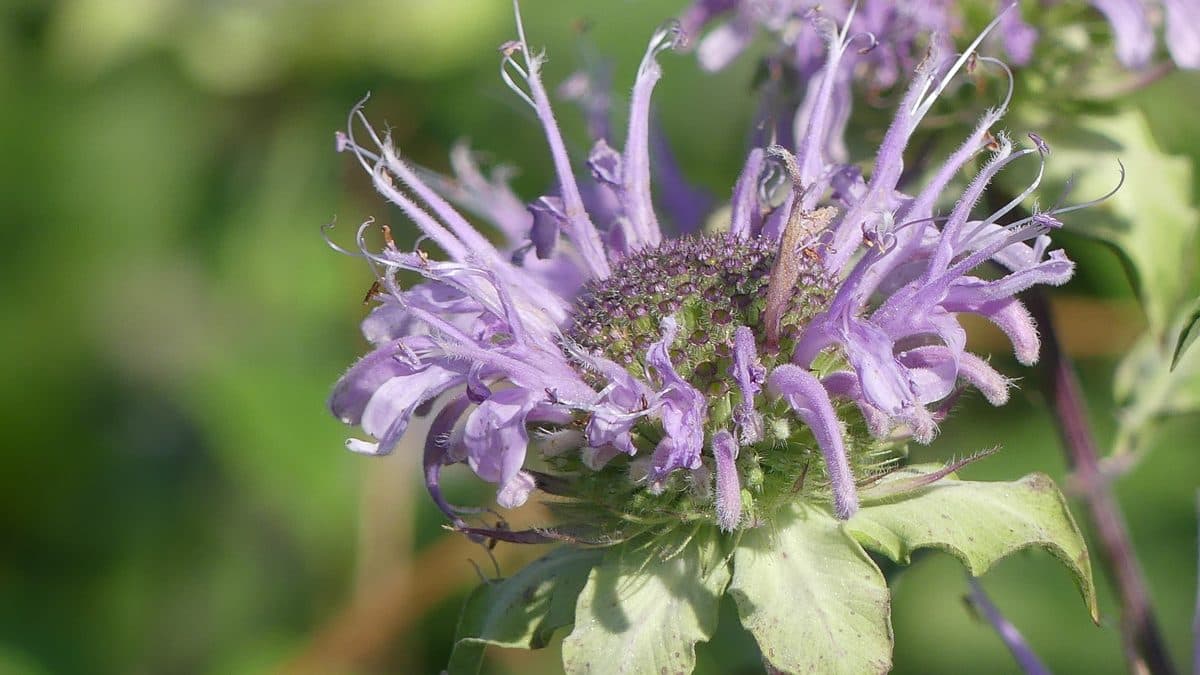
- Add native host plants rather than only nectar plants. Nectar is the easy part. Caterpillar host plants are the part that is usually missing.
That sequence gets you further in five years than an all-or-nothing rule that stops you starting.
On the percentage
People also ask
Do I have to remove all my non-native plants?
No. The research most often cited here, Narango, Tallamy and Marra's 2018 PNAS paper, describes a threshold in woody plant biomass rather than a requirement to eliminate every non-native. Invasive species, defined by Executive Order 13112 as alien species likely to cause harm, are the category worth removing on their own merits. A well-behaved non-native ornamental is a much lower priority.What percentage of my yard should be native plants?
The commonly quoted figure is 70 percent native, which comes from the 2018 PNAS chickadee study. Quote it carefully: the paper reports sustainability below 6 percent nonnative plant biomass as the central estimate, with confidence intervals overlapping replacement under 30 percent nonnative. It measures woody biomass, not plant count or garden area, and it studied one bird species in the mid-Atlantic suburbs.What is the difference between non-native and invasive?
Executive Order 13112 defines an alien species as one not native to that ecosystem, and an invasive species as an alien species whose introduction does or is likely to cause economic or environmental harm or harm to human health. Invasive is a subset of non-native, defined by the harm a plant causes rather than by where it came from.Do non-native plants help pollinators at all?
Some do, for nectar. Staab and colleagues found in Oecologia in 2020 that exotic garden plants partly substituted for native flowers when natives became seasonally scarce. Lowenstein and colleagues found the two most-visited plants across 63 Chicago neighborhoods were non-native perennials. Natives still performed better overall, and non-natives generally do not support the specialist caterpillars that insectivorous birds feed their young.What is the single most effective native plant to add?
In biomass terms, a tree. The PNAS study measured largely woody biomass, so the species you choose the next time you plant or replace a tree carries more weight than any number of perennial swaps. Which tree depends on your region.Find out what is native where you actually live
Pollinator Patch matches plants to your ZIP code and ecoregion, including the trees and shrubs that carry the most weight, so you can prioritize instead of starting over.
See a finished plan for a yard like this
Find our guides useful? Add Pollinator Patch as a preferred source on Google and articles like this one will show up higher in your own search results.