"Kill Your Lawn" Is Bad Advice (And the Research Says So)
The short version
- Joan Nassauer’s 1995 paper "Messy Ecosystems, Orderly Frames" (Landscape Journal 14(2):161-170) names mowing as the first of seven cues to care that make ecological planting read as intentional.
- Nassauer’s own guideline is that mown areas should cover at least half the front yard.
- Sisser et al. (2016, Landscape and Urban Planning) found municipalities generally enforce lawn ordinances on neighbor complaints rather than proactive inspection.
- Engebretson et al. (2021, Journal of Urban Affairs) found yard ordinances are ambiguous precisely where they describe quality, using subjective terms like neat and orderly.
- No study we could find measures whether cues to care produce fewer actual complaints. The link is a reasonable inference, not a measured result.
Quick answer
Removing every square foot of grass is not the goal, and the research most often cited by native plant advocates does not ask for it. Joan Nassauer's 1995 paper in Landscape Journal, the source of the phrase "cues to care," argues that ecologically rich planting needs a deliberate, tidy frame to read as intentional to other people. A mowed border is one of the specific cues she names. Keeping some turf is not a compromise with the movement, it is the technique.
"Kill your lawn" is a good slogan and a bad instruction. It is memorable, it is satisfying, and it sets up the exact outcome that makes neighbors call the city: a front yard that looks abandoned rather than planted.
The complaint is about legibility, not ecology
Start with how enforcement actually happens, because it is not what most people picture. Sisser and colleagues, publishing in Landscape and Urban Planning in 2016 (opens in new tab), interviewed municipal staff about how lawn and weed ordinances get enforced. The finding: cities generally rely on complaints from neighbors rather than going out looking. Nobody is patrolling. A person decided your yard looked wrong and picked up the phone.
That reframes the whole problem. The thing you are managing is not a biological question, it is whether a stranger reading your yard at 15 miles an hour concludes that somebody is taking care of it.
It gets worse for the homeowner when the complaint lands, because the standard is frequently unwritable. Engebretson and colleagues analyzed residential yard ordinances across US metropolitan areas (opens in new tab) and found that the language gets ambiguous precisely where it describes the quality or state of a yard. Ordinances are clear about a species or a dimension and vague about words like neat and orderly. You cannot comply your way out of a subjective term. You can only look after it.
What the cues-to-care research actually says
The phrase comes from Joan Iverson Nassauer's 1995 paper "Messy Ecosystems, Orderly Frames" (opens in new tab), in Landscape Journal 14(2), pages 161 to 170. It is cited constantly in native plant circles and read much less often, which is a shame, because it is more specific and more useful than the summaries suggest.
Her argument is that ecological quality and the cultural expectation of a cared-for landscape are different things, and that a planting which is ecologically excellent can still be read as neglect. The remedy she proposes is not to make the planting tidier. It is to put a tidy frame around it. Her own phrasing is that it requires designing orderly frames for messy ecosystems.
The paper names the cues. This is the list, in her terms:
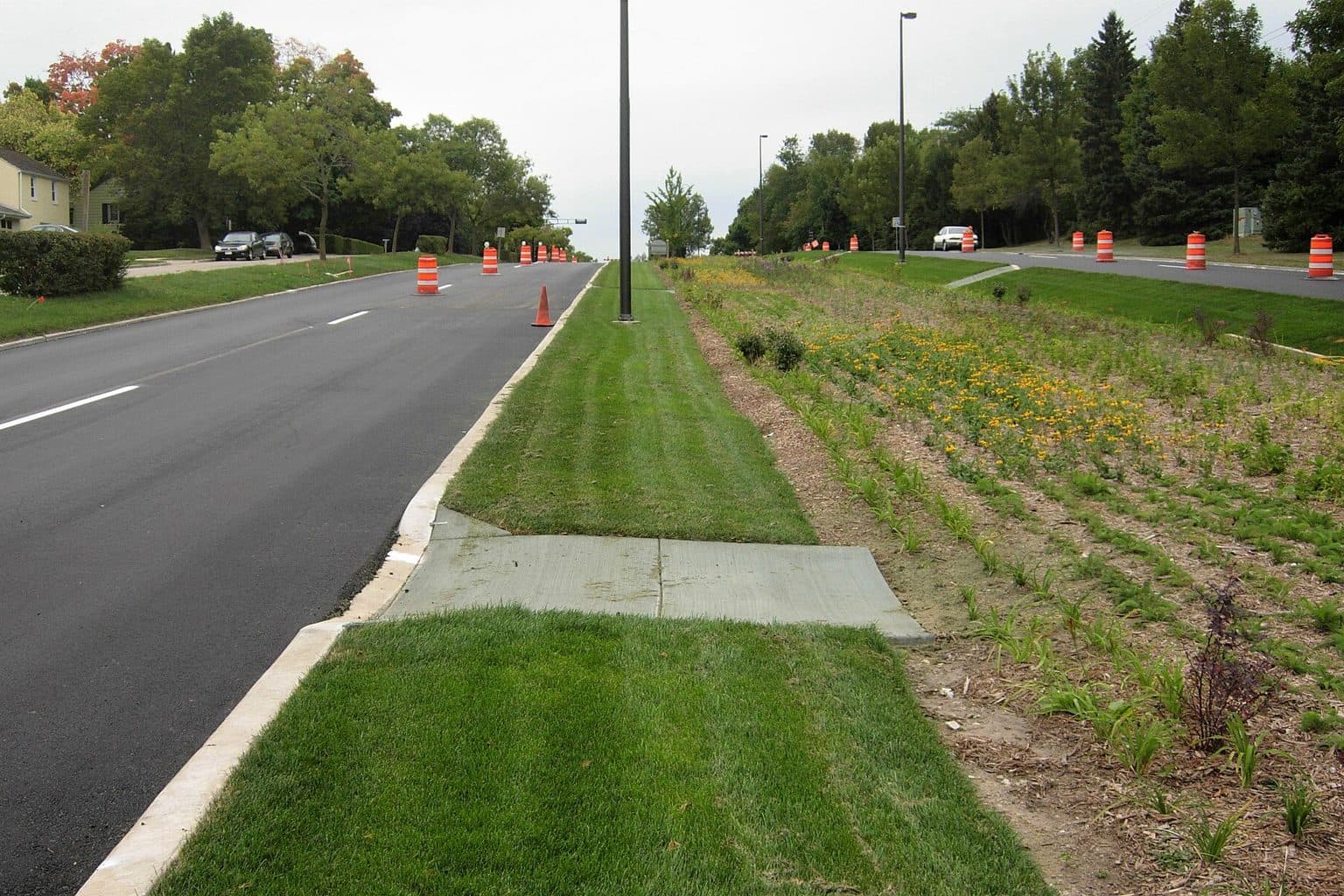
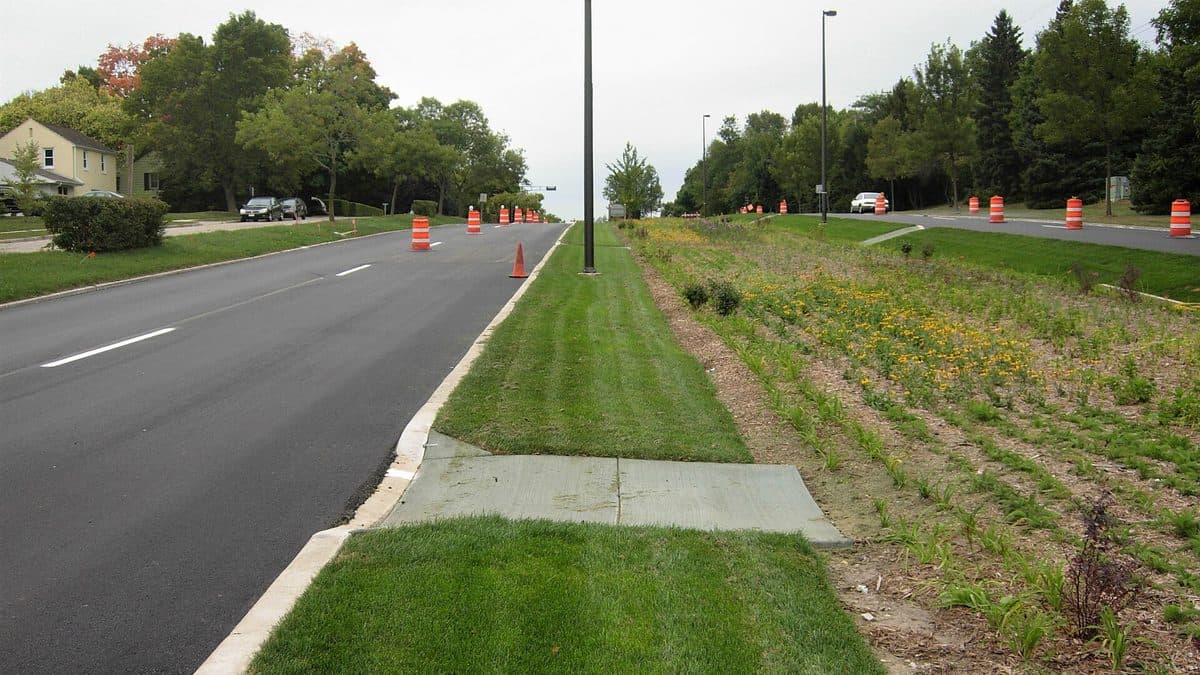
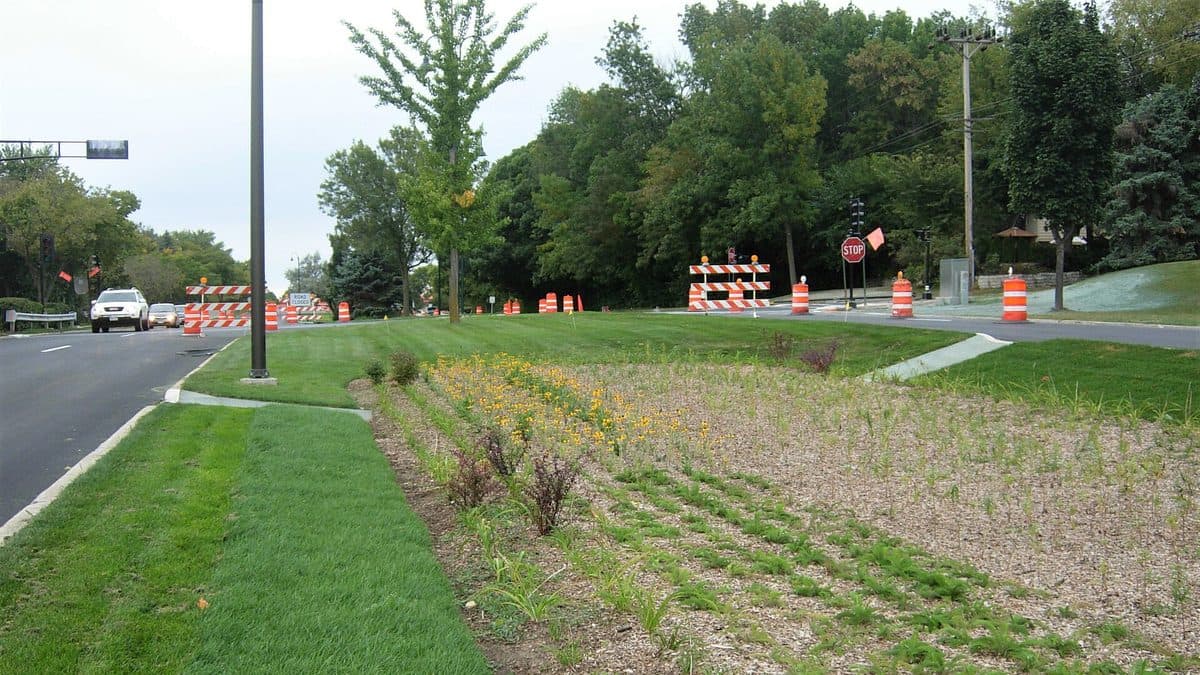
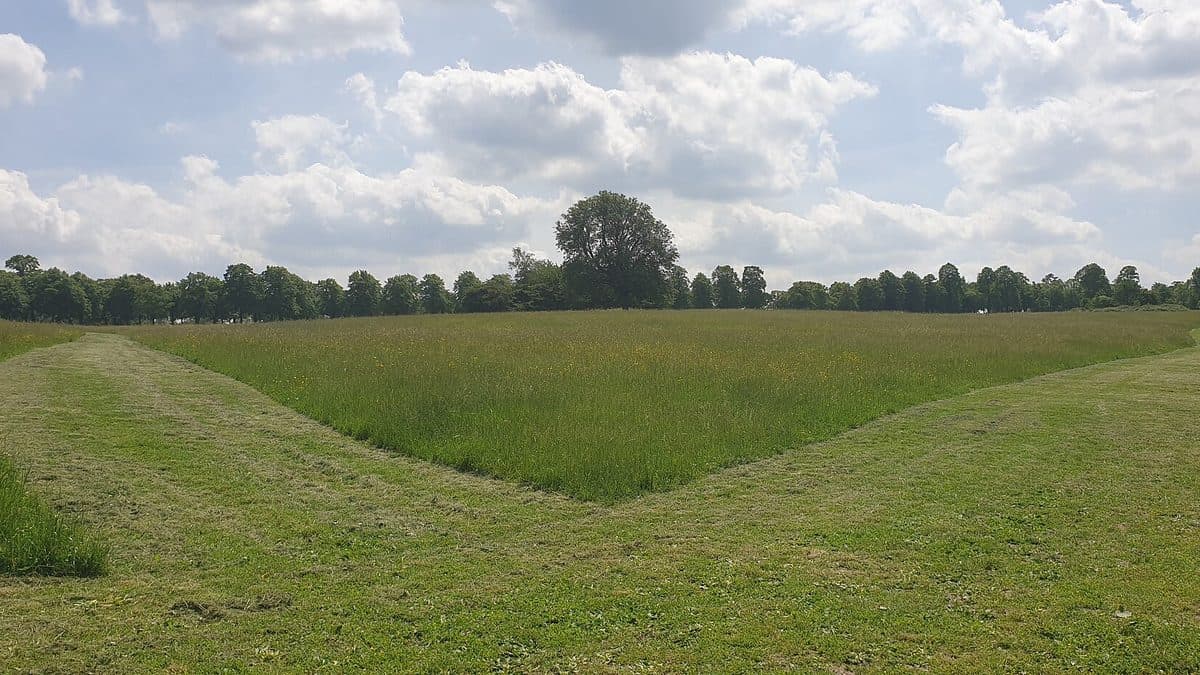
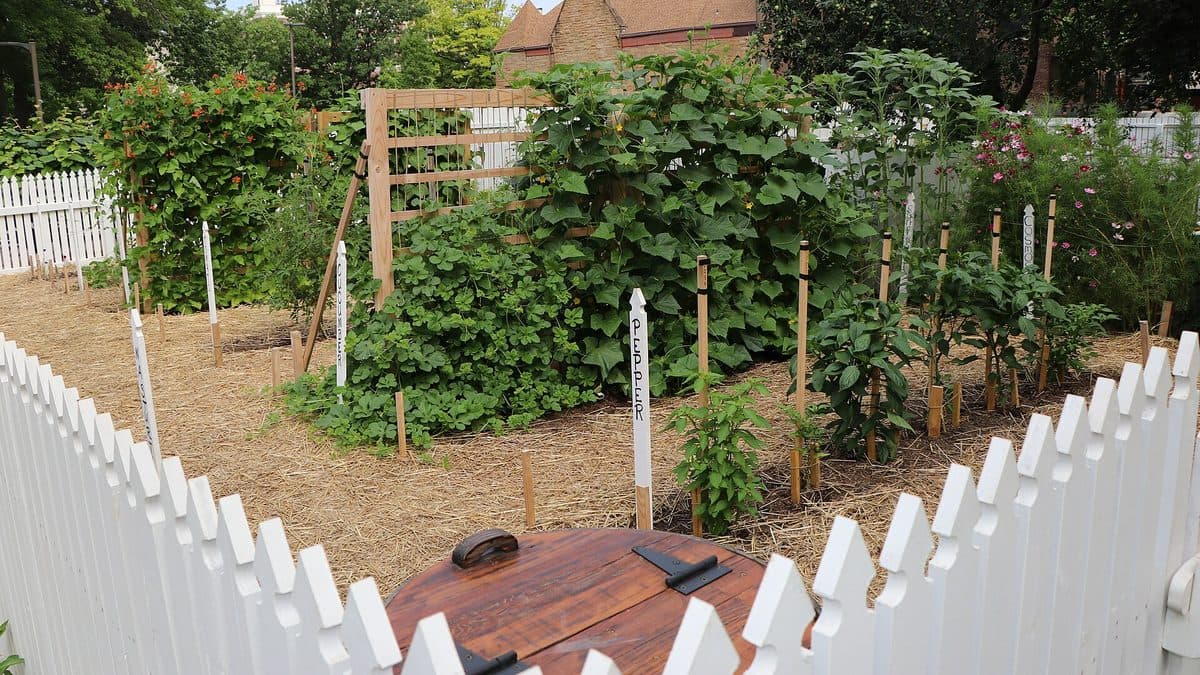
- Mowing. A mown strip along streets and walkways framing the patches of greater biodiversity behind it.
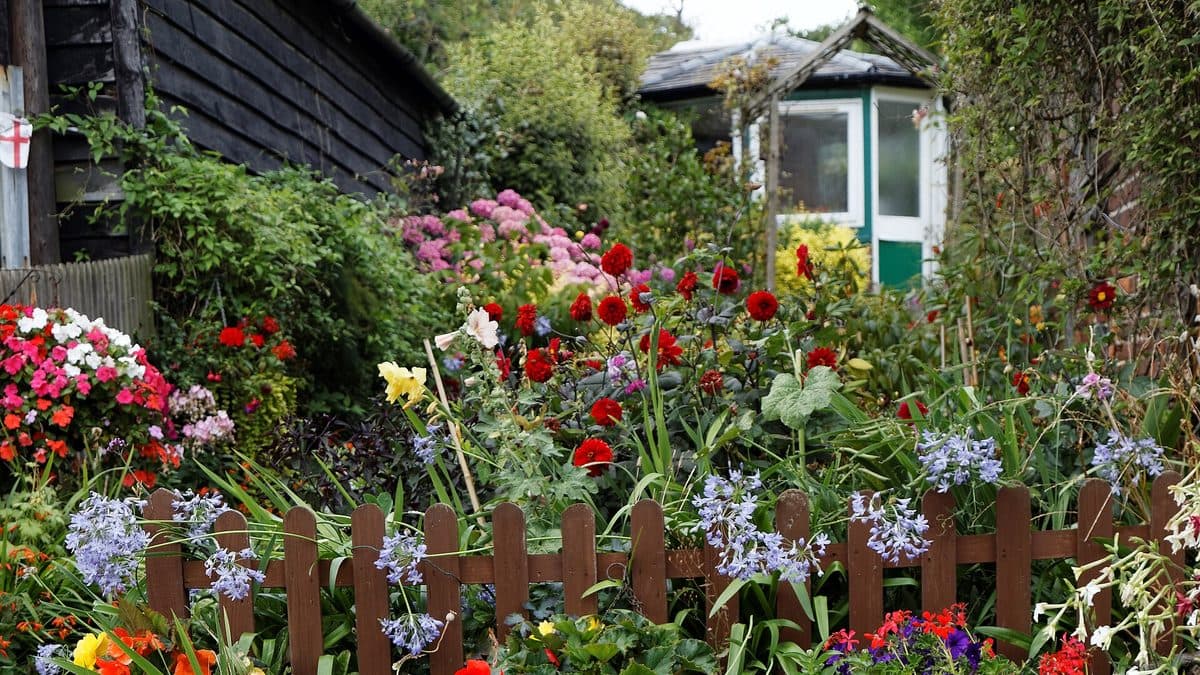
- Flowering plants and trees. Bright, large flowers read as chosen rather than volunteer.
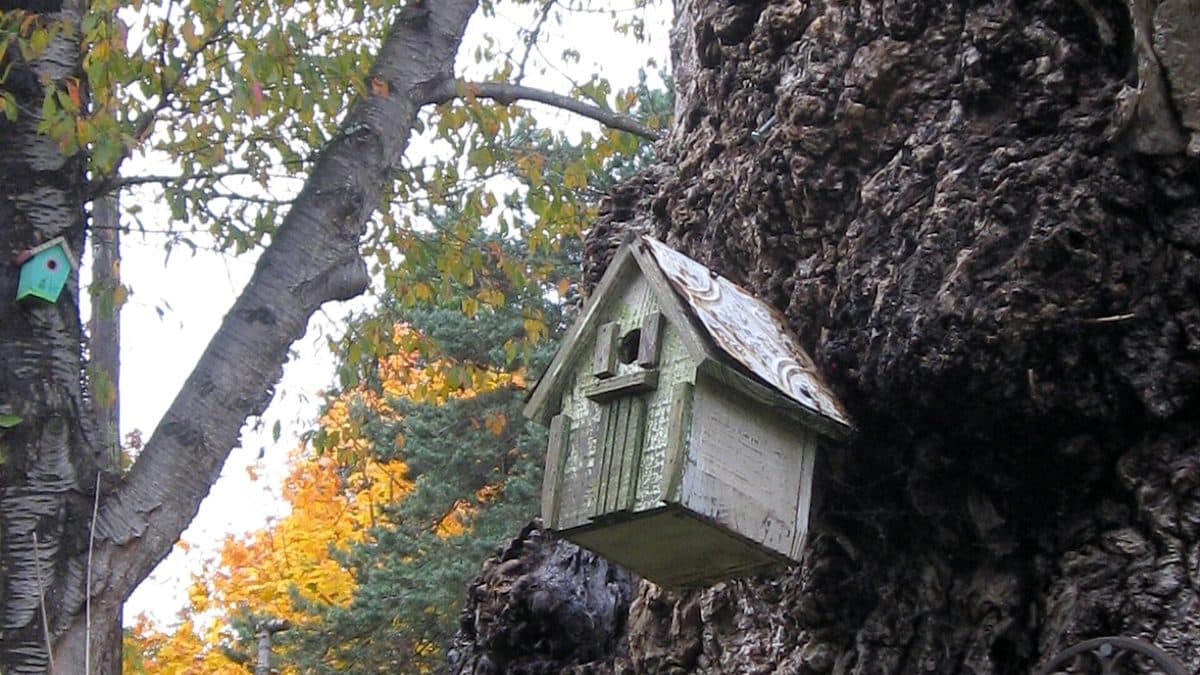
- Wildlife feeders and houses. Visible structures that announce the habitat is on purpose.
- Bold patterns. Crisp-edged, visible pattern at a scale people notice.
- Trimmed shrubs, plants in rows, linear planting designs.
- Fences, architectural details, lawn ornaments, paint. Fresh paint on a fence does work that no plant choice can.
- Foundation planting. She calls this a nearly unassailable cultural expectation.
Read that list against the advice to remove all your grass and the tension is obvious. Mowing is cue number one.
How much frame
Nassauer's own guideline from this body of work is that mown areas should cover at least half the front yard.
There is a detail here that often gets garbled, so it is worth stating carefully. In the study behind the guidance, the treatment with 50 percent prairie coverage was rated nearly as attractive as a conventional lawn. The drop in ratings for attractiveness and perceived care came at 75 percent coverage, not at 50. You will sometimes see this repeated as though anything over half native made a yard unattractive. That is not what the data showed.
What nobody has measured
Your neighbors are the standard, and that is measurable
There is one more finding worth knowing. Nassauer, Wang and Dayrell tested this directly in 2009 (opens in new tab), showing homeowners images of front yard designs. People had a stronger tendency to prefer whatever was presented to them as the neighborhood norm.
Which means the first native yard on a street is doing something harder than the fifth, and it also means that yard is doing the work of moving the norm. Worth knowing on the morning somebody says something to you about it.
Extension services say the same thing
This is not a fringe reading of the research. Penn State Extension's guidance on neighborly natural landscaping describes a border as a mowed edge or setback that acts as a buffer and keeps plants from obstructing sight lines. University of Maryland Extension's lawn alternatives page tells readers to keep a neat border or edge to give the garden a tidy appearance and show that it is maintained. University of Florida IFAS Extension has a page literally titled Cues to Care, which recommends edging the boundaries and adding a strip of maintained turf in the foreground so the wildness reads as intentional.
What to do instead of killing your lawn
- Keep a mowed band along the street and the walk. This is the single highest-value thing on the list, and it is the cue the research names first.
- Convert back to front. Start where the stakes are lowest and the planting has time to fill in before it is the first thing anyone sees.
- Put the tall things away from the curb. Height near the house, lower plantings near the street.
- Give every bed a hard edge. Steel, stone, or a cut trench. An edge is a sentence ending.
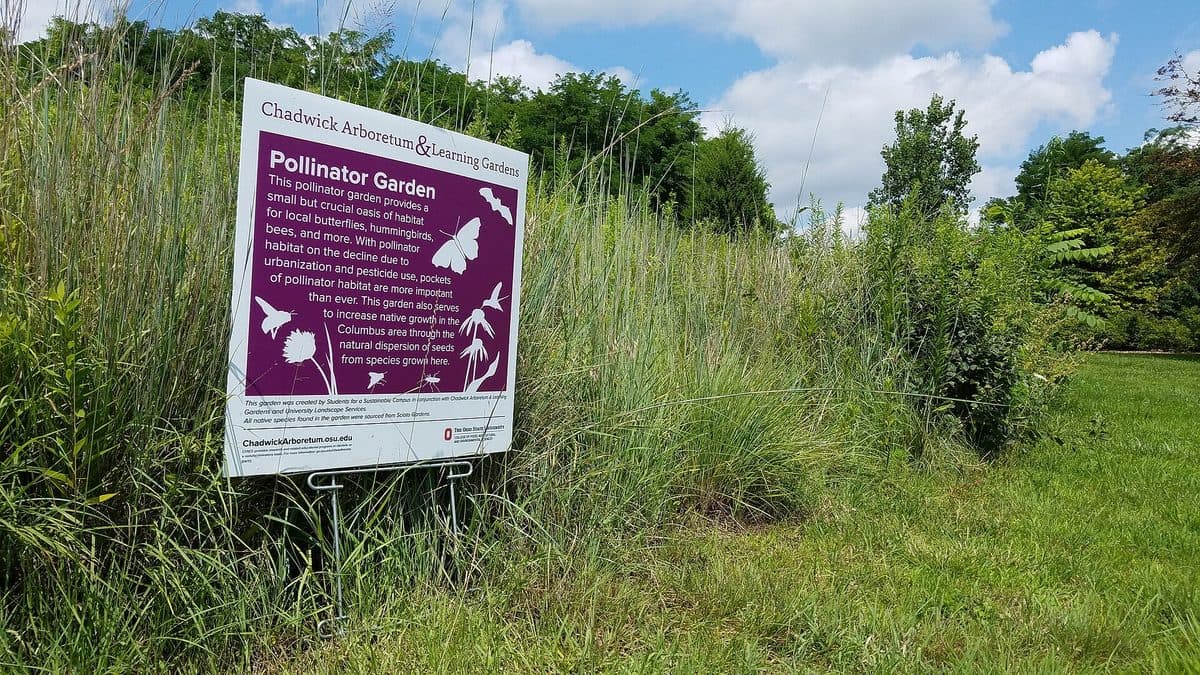
- Add one built object. A bench, a birdbath, a sign. It signals intent in a way plants cannot.
- Do not go from lawn to meadow in one weekend. The gap between removal and fill-in is where complaints happen.
We have written the practical versions of this elsewhere: where turf still earns its place in a hybrid yard, the three design cues HOAs actually notice, and designing for the view from the curb.
The version of this argument that is worth holding onto is not "compromise with your HOA." It is that the frame is a design element, and the people who wrote the research native plant advocates quote said so thirty years ago.
People also ask
Do I have to remove all my grass to have a native yard?
No. Joan Nassauer's cues-to-care research, which is the standard citation in this area, treats a mown border as one of the cues that makes ecologically rich planting read as intentional. Her own guideline is that mown areas should cover at least half the front yard. Keeping turf where it does work is a design decision rather than a concession.What are cues to care?
The term comes from Joan Iverson Nassauer's 1995 paper "Messy Ecosystems, Orderly Frames" in Landscape Journal 14(2):161-170. The cues she names are mowing, flowering plants and trees, wildlife feeders and houses, bold patterns, trimmed shrubs and linear planting, fences and architectural details and paint, and foundation planting. The idea is that a tidy frame lets a messy interior read as deliberate.Why do neighbors complain about native yards?
Research by Sisser and colleagues in Landscape and Urban Planning found that municipalities generally rely on neighbor complaints to enforce lawn management rules rather than proactive inspection. Separate analysis by Engebretson and colleagues found yard ordinances are often ambiguous exactly where they describe quality, using terms like neat and orderly. The judgment being made is about apparent care, not about plant species.How wide should a mowed border be?
There is no researched dimension we could verify, and you will see specific widths quoted online that do not trace to a source. What Nassauer's guidance does state is a proportion rather than a width: mown areas covering at least half the front yard. Practically, wide enough to read clearly from the street and to mow in one pass.Design the frame, not just the plant list
Pollinator Patch plans native yards with the borders, heights, and sight lines that make them read as intentional from the street, matched to what is native to your ZIP code.
See a finished plan for a yard like this
Find our guides useful? Add Pollinator Patch as a preferred source on Google and articles like this one will show up higher in your own search results.