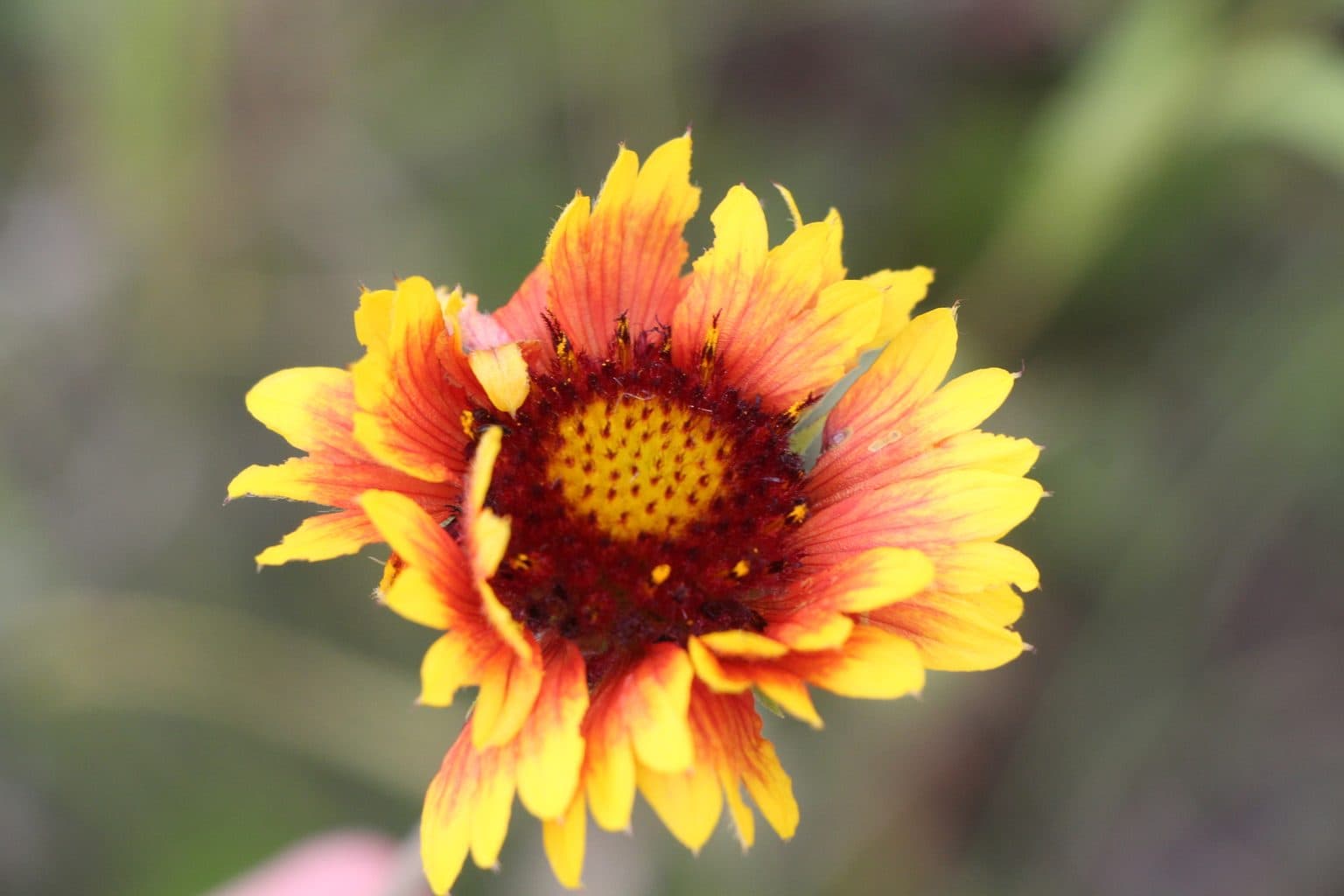
Quick answer: Blanket Flower (Gaillardia species) is not on the ASPCA Animal Poison Control Center toxic plant list for dogs, cats, or horses. It is not considered toxic if eaten. The one documented issue is skin: the leaves and stems contain sesquiterpene lactones that can cause mild contact irritation or a rash, which is a touch problem, not a poisoning one.
Blanket Flower is a tough, long-blooming native that ends up in a lot of low-water beds, so the dog question comes up often. It is not poisonous. The thing to know is the contact-irritation caveat that shows up in the search results. Here is what that actually means.
What the ASPCA says
Blanket Flower (Gaillardia) does not appear on the ASPCA Animal Poison Control Center toxic plant list for dogs, cats, or horses. That standard means there is no documented systemic toxin for those species, so it is not poisonous to eat. You can verify at aspca.org/pet-care/animal-poison-control/toxic-and-non-toxic-plants.
The caveat is on the skin side. All parts of Gaillardia contain sesquiterpene lactones, the same class of compound behind contact dermatitis from several daisy-family plants. In dogs, the realistic outcome is mild mouth irritation after heavy chewing, or a little skin redness after rubbing against the foliage. It usually resolves on its own. A dog that eats a large amount could also get short-lived stomach upset, as with any plant. If your dog develops a persistent rash or shows symptoms after eating a lot, call the ASPCA Animal Poison Control Center at (888) 426-4435.
Not poisonous, but a contact irritant
It helps to keep the two categories separate. "Toxic" on the ASPCA list means a systemic poison that does internal harm when eaten. "Contact irritant" means it can bother skin or the mouth on contact. Blanket Flower is the second, not the first, which is the same bucket as a few other safe-to-have natives:
| Plant | Dog Safe? | Notes |
|---|---|---|
| Blanket Flower (Gaillardia spp.) | Yes | Not on ASPCA toxic plant list; sap can mildly irritate skin on contact |
| Black-eyed Susan (Rudbeckia hirta) | Yes | Not on ASPCA toxic plant list; bristly leaves can mildly irritate on contact |
| Coreopsis / Tickseed (Coreopsis spp.) | Yes | Listed non-toxic to dogs, cats, and horses by the ASPCA |
| Autumn Sage (Salvia greggii) | Yes | Not on ASPCA toxic plant list; low shrub, no irritation reported |
Why Blanket Flower earns the spot anyway
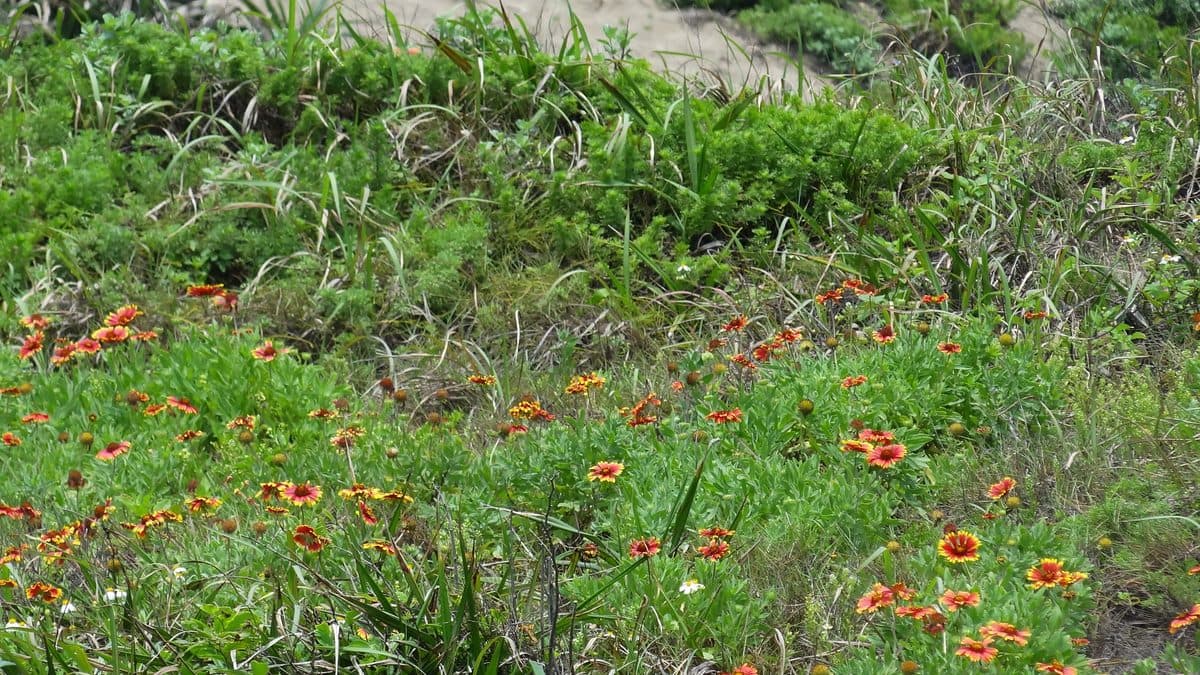
Gaillardia blooms in hot red-and-yellow daisies from late spring until frost, thrives in poor sandy soil, and asks for almost no water once established. It is native across much of the central and southern United States and reseeds into a cheerful drift without taking over. For a sunny, low-water, dog-friendly bed, a plant that is not on the ASPCA toxic list and blooms for half the year is hard to beat.
Building out a low-water dog-friendly bed? See the dog-friendly native backyard guide, and to vet anything you are unsure about, the six Texas yard plants most toxic to dogs.
If something goes wrong
ASPCA Animal Poison Control Center: (888) 426-4435 (24/7, fee may apply). Have the plant name ready when you call.
Checking more than one plant? See the full list of plants toxic to dogs and cats, with native alternatives, covering every plant on the ASPCA list.