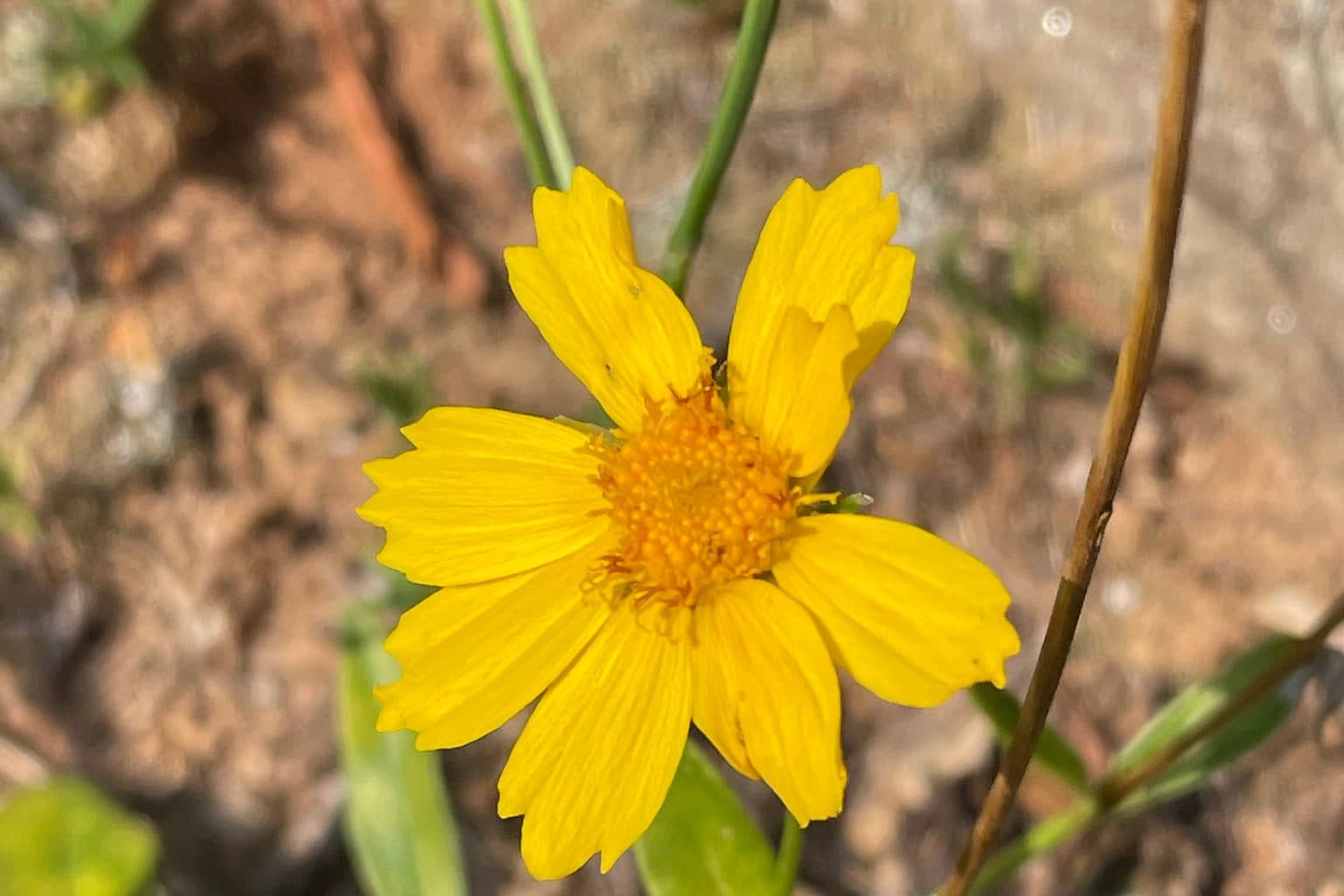
Quick answer: Coreopsis (Coreopsis species, also called tickseed) is listed as non-toxic to dogs, cats, and horses by the ASPCA Animal Poison Control Center. This is one of the few garden flowers the ASPCA names explicitly on its non-toxic list, so the answer is an unusually clean yes.
Most dog-safe plant answers are "not on the toxic list," which is reassuring but indirect. Coreopsis is better than that: the ASPCA lists it by name as non-toxic. Here is the detail and how it fits a dog-friendly bed.
What the ASPCA says
The ASPCA Animal Poison Control Center lists Coreopsis (tickseed) as non-toxic to dogs, non-toxic to cats, and non-toxic to horses. That is a positive listing, not just an absence from the toxic database, which is the strongest reassurance the ASPCA gives for a garden plant. You can verify at aspca.org/pet-care/animal-poison-control/toxic-and-non-toxic-plants.
The only thing left is the universal caveat: any dog that eats a large amount of plant material can get mild, short-lived stomach upset from the bulk. That is true of grass and lettuce too. If your dog eats a lot and shows symptoms, call the ASPCA Animal Poison Control Center at (888) 426-4435.
A dog-safe yellow-daisy bed
Coreopsis is usually planted with the same group of sunny native daisies, and the whole combination is dog-friendly. Coreopsis is the one with the explicit non-toxic listing; the rest are not on the ASPCA toxic plant list:
| Plant | Dog Safe? | Notes |
|---|---|---|
| Coreopsis / Tickseed (Coreopsis spp.) | Yes | Listed non-toxic to dogs, cats, and horses by the ASPCA |
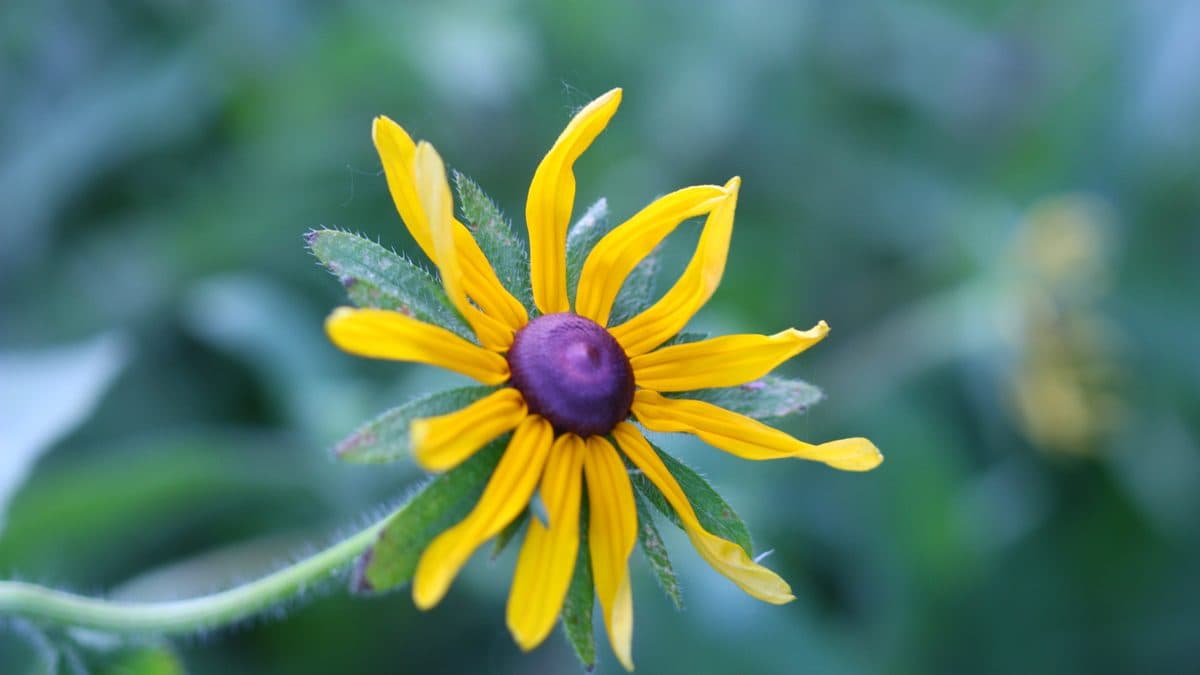
| Black-eyed Susan (Rudbeckia hirta) | Yes | Not on ASPCA toxic plant list; bristly leaves can mildly irritate on contact |
| Purple Coneflower (Echinacea purpurea) | Yes | Not on ASPCA toxic plant list; long summer bloom, goldfinch seed heads |
| Blanket Flower (Gaillardia spp.) | Yes | Not on ASPCA toxic plant list; sap can mildly irritate skin on contact |
Why Coreopsis earns the spot anyway
Tickseed blooms in bright yellow for months, handles heat, drought, and poor soil, and reseeds into an easy drift. Native species occur across most of the country, and several are on regional wildflower lists per the Lady Bird Johnson Wildflower Center. Bees and small butterflies work the flowers all summer. A plant the ASPCA names as non-toxic, that also blooms this hard on this little water, is about as easy a yes as a dog-friendly garden gets.
Pair it with its usual companions; see is black-eyed susan toxic to dogs and is coneflower toxic to dogs, then build out the rest with the dog-friendly native backyard guide.
If something goes wrong
ASPCA Animal Poison Control Center: (888) 426-4435 (24/7, fee may apply). Have the plant name ready when you call.