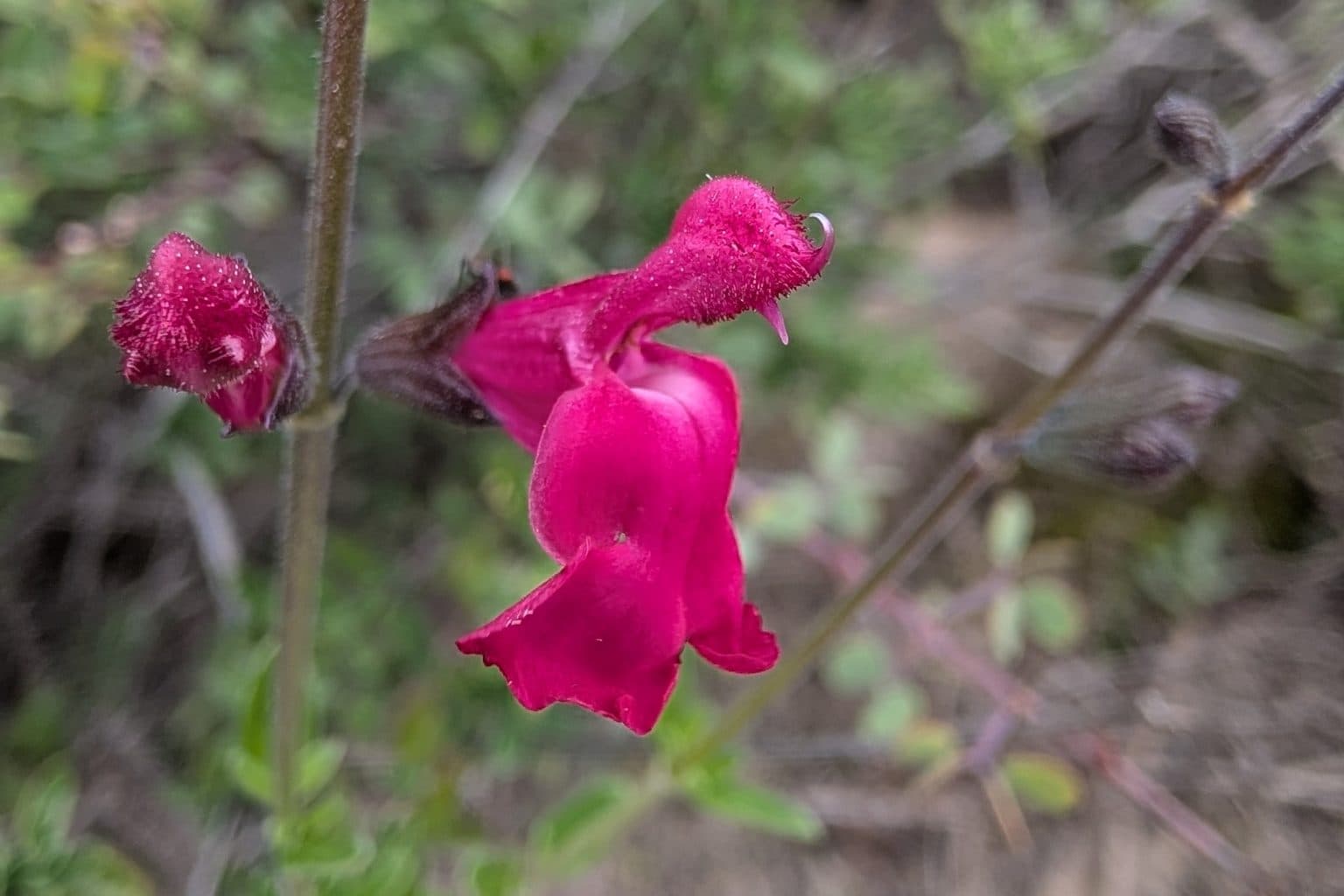
Quick answer: The ornamental and culinary salvias people plant, including Autumn Sage (Salvia greggii), Mealy Blue Sage (Salvia farinacea), and garden sage (Salvia officinalis), are not on the ASPCA Animal Poison Control Center toxic plant list for dogs, cats, or horses. They are not considered toxic to pets. The confusion comes from one unrelated species, Salvia divinorum, which is a recreational drug plant and not a garden salvia.
"Salvia" is one of the largest plant genera on earth, which is why a quick search throws up mixed answers. The salvias you buy at a nursery for hummingbirds are the safe ones. Here is how to be sure which plant you are asking about.
What the ASPCA says
The garden salvias do not appear on the ASPCA Animal Poison Control Center toxic plant list for dogs, cats, or horses. That standard means there is no documented systemic toxin for those species. Garden sage (Salvia officinalis), the kitchen herb, is specifically listed by the ASPCA as non-toxic, and the ornamental natives in the same genus share that profile. You can verify at aspca.org/pet-care/animal-poison-control/toxic-and-non-toxic-plants.
The usual caveat applies: any dog that eats a large amount of aromatic foliage can get mild, short-lived stomach upset. Salvia leaves are strongly scented and most dogs leave them alone. If your dog eats a lot and shows symptoms, call the ASPCA Animal Poison Control Center at (888) 426-4435.
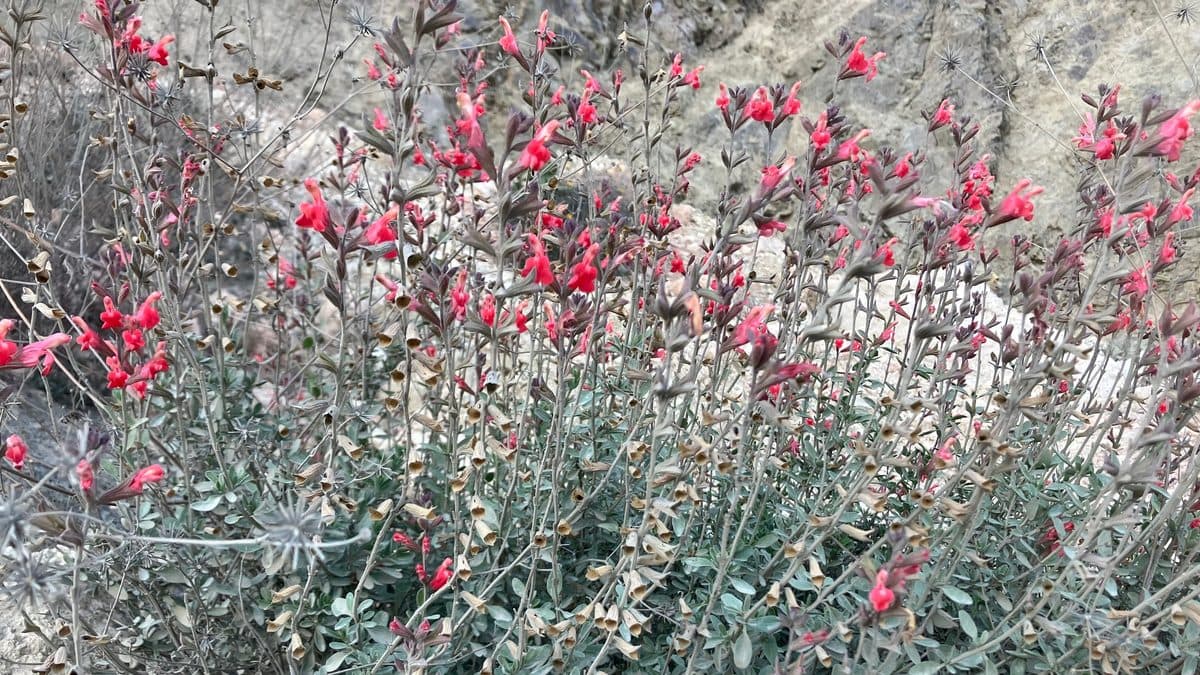
Which salvia do you actually have?
The mixed messages online almost always trace back to confusing a garden salvia with Salvia divinorum, a tropical species used as a hallucinogen that no one is planting as landscape color. The salvias that matter in a pollinator yard are all in the safe column:
| Salvia | Dog Safe? | Notes |
|---|---|---|
| Autumn Sage (Salvia greggii) | Yes | Not on ASPCA toxic plant list; native shrub, blooms spring through fall |
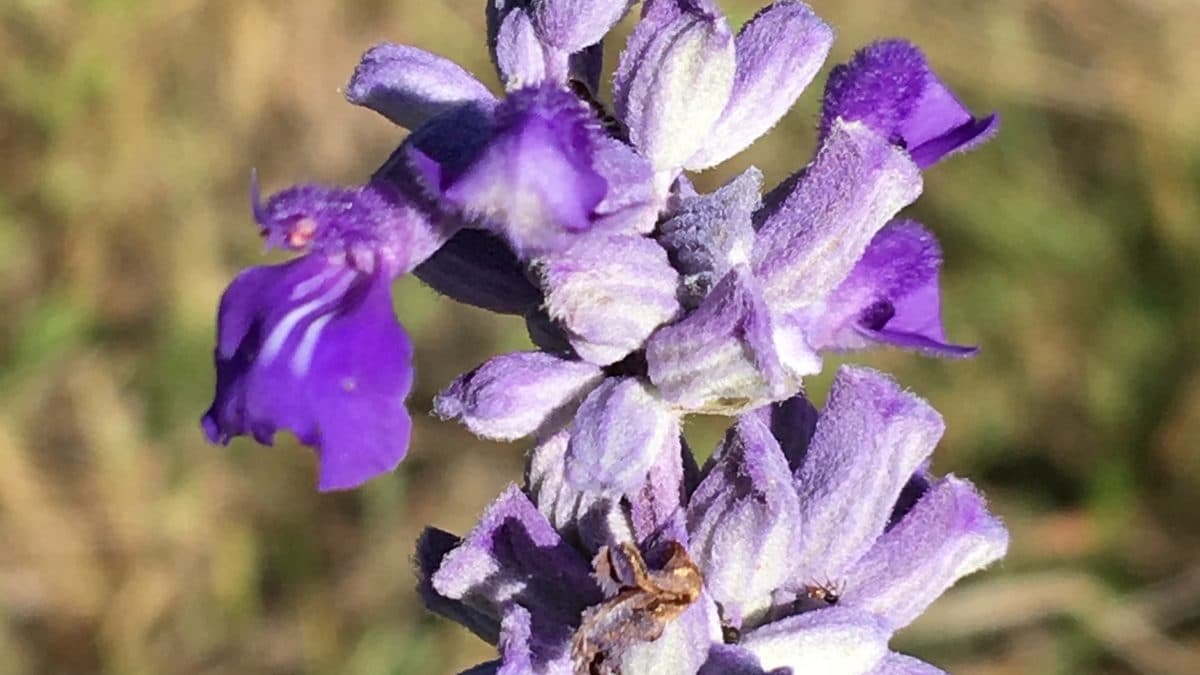
| Mealy Blue Sage (Salvia farinacea) | Yes | Not on ASPCA toxic plant list; native blue spikes, very heat tolerant |
| Garden / culinary sage (Salvia officinalis) | Yes | Listed non-toxic to dogs, cats, and horses by the ASPCA |
| Diviner's sage (Salvia divinorum) | Not a garden plant | A psychoactive species, not sold as landscaping; source of most of the online confusion |
Why salvia earns the spot anyway
Autumn Sage and Mealy Blue Sage are two of the hardest-working hummingbird and bee plants for a hot, low-water yard, native across the Edwards Plateau and Hill Country (San Antonio area) per the Lady Bird Johnson Wildflower Center. They bloom for months, ask for almost nothing, and stay tidy enough that an HOA reviewer never blinks. That they are also not on the ASPCA toxic list makes them an easy yes for a yard with dogs.
Building a dog-safe pollinator yard? See the best native hummingbird plants for Texas and the dog-friendly native backyard guide.
If something goes wrong
ASPCA Animal Poison Control Center: (888) 426-4435 (24/7, fee may apply). Have the plant name ready when you call.
Checking more than one plant? See the full list of plants toxic to dogs and cats, with native alternatives, covering every plant on the ASPCA list.