The salt that keeps your front walk safe is hard on the shrubs and evergreens beside it. A few habits before the first storm and one deep watering in spring prevent most of the damage. Where it never snows, you can skip this one.
How salt hurts plants
Salt reaches plants two ways (Penn State Extension).
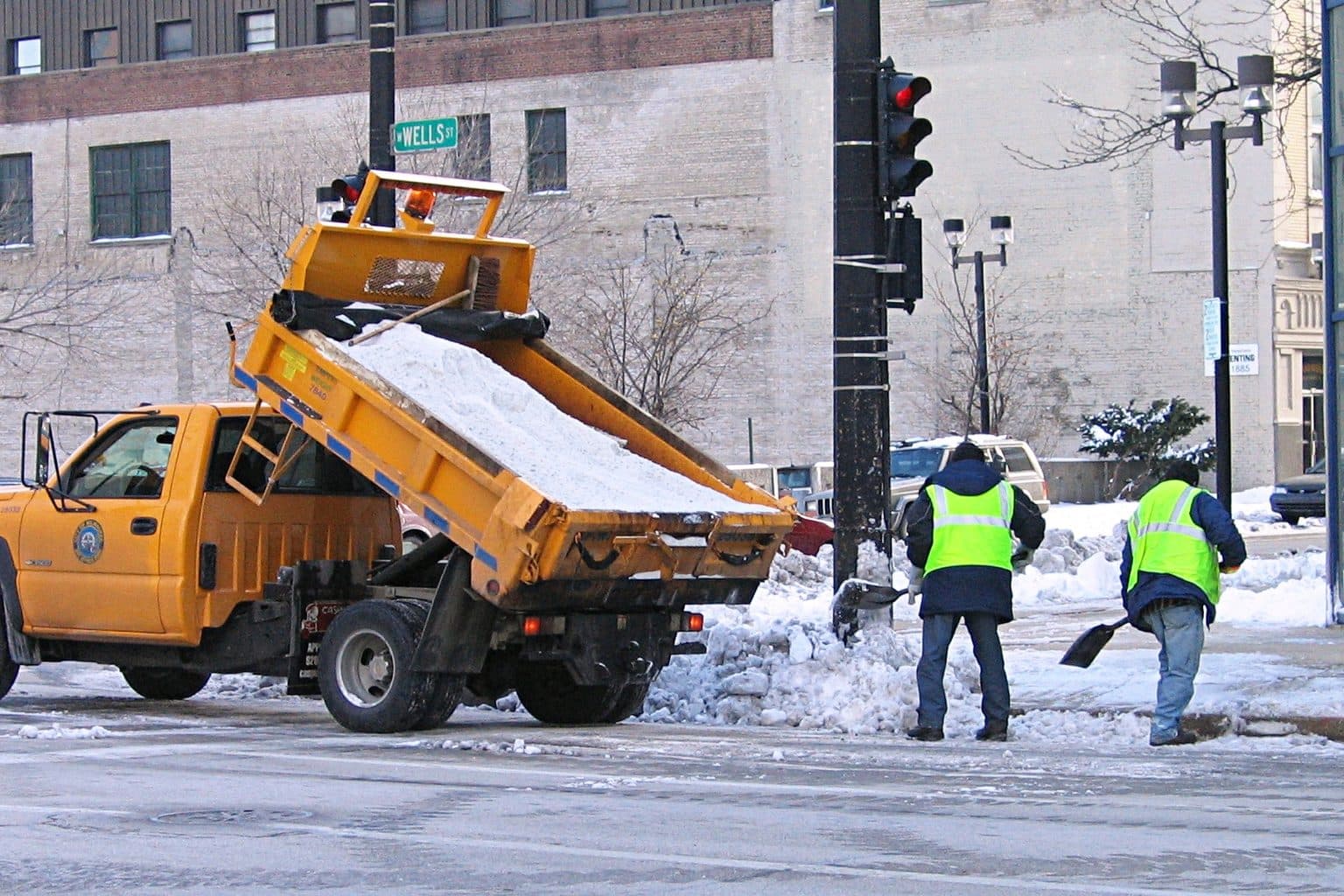
- Spray. Passing traffic throws salty slush onto buds, twigs and needles. "Salt that lands on plant tissues can dry them out by pulling water out of plant cells" (Illinois Extension). Penn State Extension says spray can travel up to 1,000 feet from a salt-treated road (Penn State Extension).
- Soil. Runoff from walks, driveways and streets soaks into the root zone. High salt levels keep roots from taking up water and can kill the plant (University of Missouri Extension).
What salt damage looks like, and when
The damage shows up months after the salt went down.
- Evergreens turn pale green, yellow or brown in late winter and early spring, most often on the side facing the road (Illinois Extension).
- Deciduous shrubs and trees lose buds, flower less, and grow dense clusters of twigs called witches' brooms where branch tips died (Illinois Extension).
- Salt in the soil shows up as browned leaf edges, wilting and stunted growth (Penn State Extension).
Before the first storm: screen the plants by the street
For shrubs right beside a busy street or a plowed driveway, set up a temporary barrier of burlap or plastic on the side facing the pavement (Illinois Extension, University of Minnesota Extension). University of Missouri Extension also lists plywood and window screen (University of Missouri Extension). Put it up while the ground can still take a stake.
All winter: shovel first, then use less salt
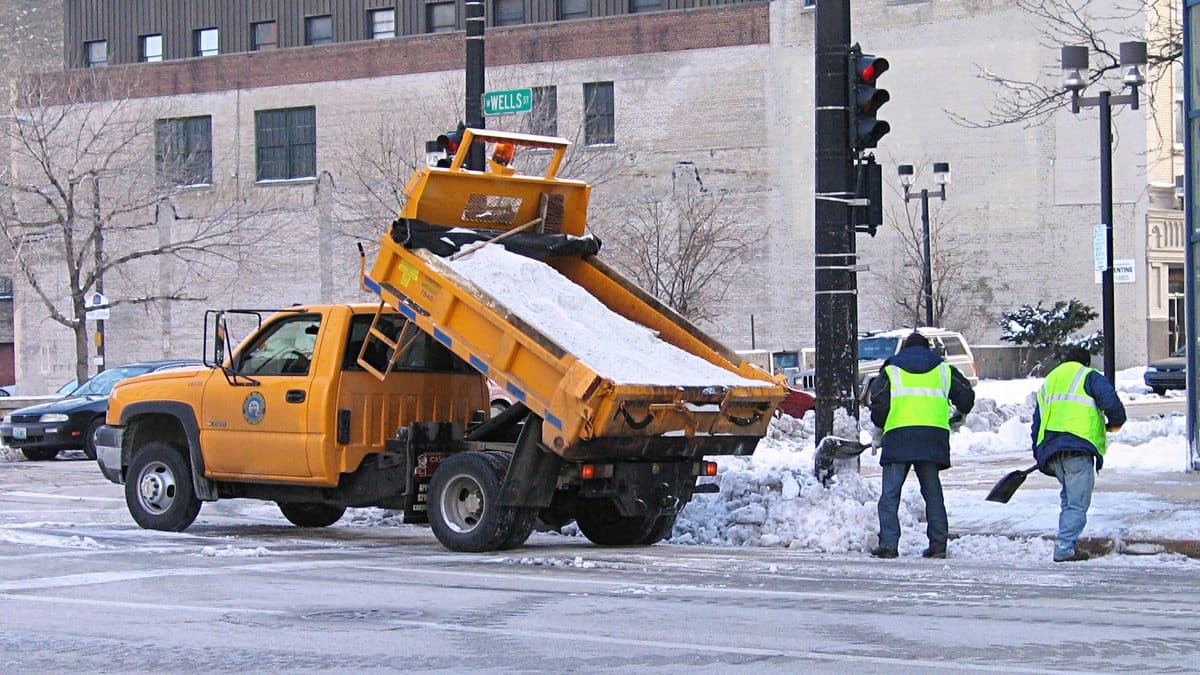
- Shovel before you salt. Clearing the snow first keeps salt from moving into the beds with it (Illinois Extension, University of Minnesota Extension).
- Use less than you think. About 12 ounces of salt, roughly a coffee mug, treats a 20-foot driveway (Illinois Extension). Spread it evenly, not in clumps.
- Stretch it with grit. Mix salt with sand for traction (Illinois Extension).
- Keep it out of the beds and the low spots. Do not spread salt on grass or in ditches where water collects (University of Minnesota Extension).
- Consider a gentler de-icer. Calcium chloride and calcium magnesium acetate are easier on plants (University of Minnesota Extension). They cost more than rock salt and can still cause some damage (Illinois Extension).
In spring: wash the salt out
- As the ground thaws, water beds that took a heavy salt load thoroughly to move the salt down and out of the root zone (Illinois Extension). Penn State Extension says six inches of water leaches out about half the salt (Penn State Extension).
- This only works where the soil drains (University of Missouri Extension).
- Hose off any plant that caught salt spray as soon as you can (Illinois Extension).
Where the app fits
Pollinator Patch sends freeze alerts by email as well as in the app, once your account has a garden saved with your location, so you get a heads-up as the cold arrives. If an evergreen by the street browns in March, ask Patch whether it looks like salt or ordinary winter burn.