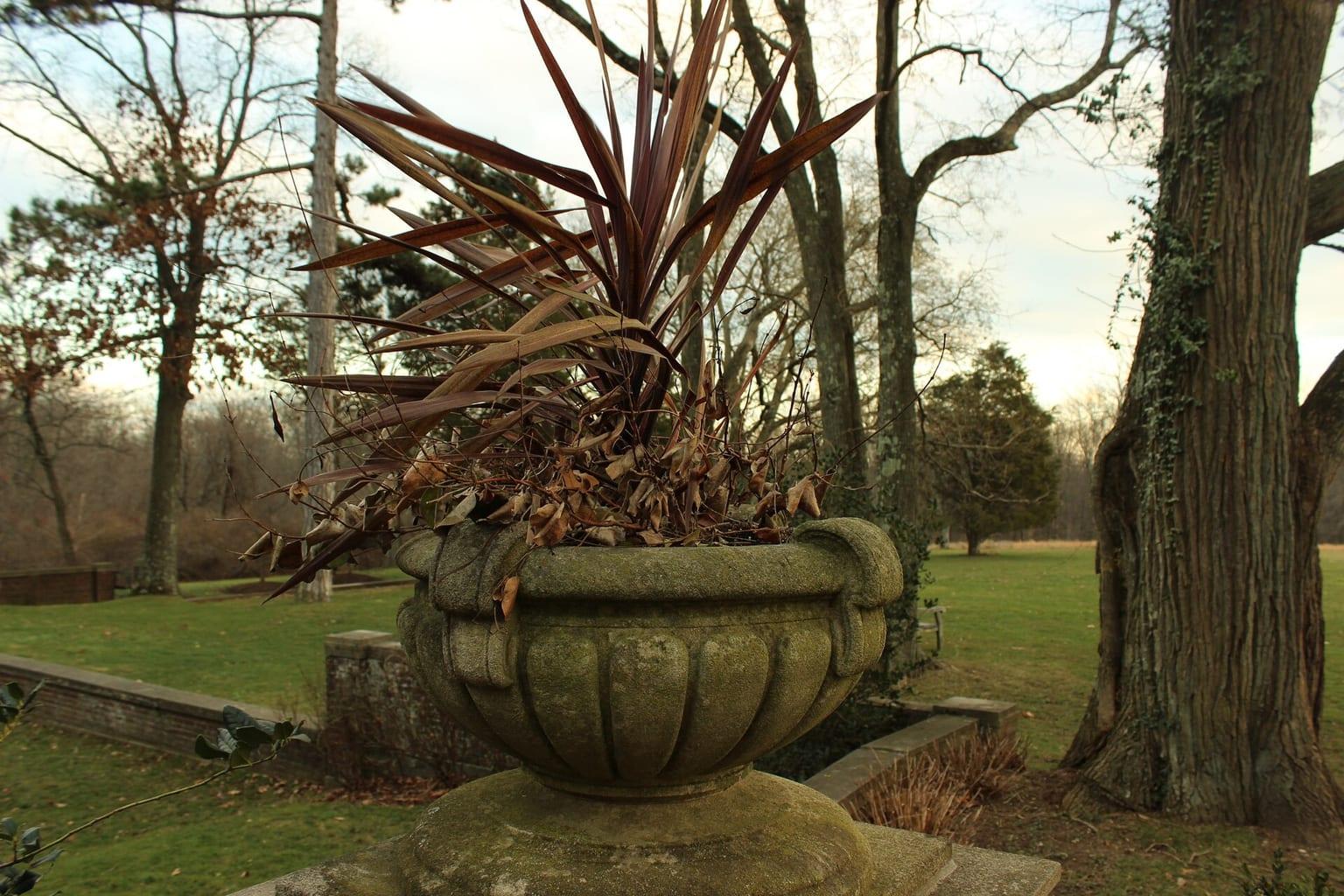
A shrub in the ground and the same shrub in a pot on the patio live through two different winters. The soil wraps the roots of the first one. The roots of the second can get as cold as the air. Sinking the pot into a bed, clustering pots against the house, or moving them into an unheated garage all protect the roots, and all of it has to happen before the soil freezes. If your winters stay mild, you can skip this one.
Why potted roots freeze first
Roots of above-ground container plants can be the same temperature as the winter air (Penn State Extension). Roots are also much less cold-hardy than the stems and leaves above them (UMass Amherst Extension). Oregon State University Extension gives a concrete case: a plant rated hardy to 10°F can be killed in a container when its roots are exposed to 20°F (Oregon State University Extension).
The surest fix: give the roots some ground
- Wait until the plants go dormant, typically within a few weeks after the first frost, and act before the soil freezes (Iowa State University Extension).
- Dig holes in a bed, set the pots in, and backfill soil around them as if planting them (Iowa State University Extension). If you have several, set them pot to pot.
- Once the plants are dormant, cover the buried pots with 6 to 12 inches of straw, pine needles or other loose mulch (Iowa State University Extension).
- Skip leaves for this job. They compact and can smother the plants (Iowa State University Extension).
- Water when the plants need it before the soil freezes, and again after it thaws in spring. While the soil is frozen, extra water is not needed (Iowa State University Extension).
No open bed? Cluster them or move them in
- Pick a spot without strong wind or too much sun, such as the north or east side of a building, so the pots avoid sharp temperature swings (University of Illinois Extension).
- Group the pots together and mulch them heavily with straw, leaves or wood mulch (University of Illinois Extension).
- An unheated garage, shed or cool basement also works (University of Illinois Extension). Iowa State describes the target as a moderately cold place that stays between 20 and 45°F (Iowa State University Extension).
- Water the plants well before winter and check them through it. Moist potting mix freezes slower than dry mix and releases heat as it does, which protects the roots (University of Illinois Extension, UMass Amherst Extension).
The pots with nothing in them
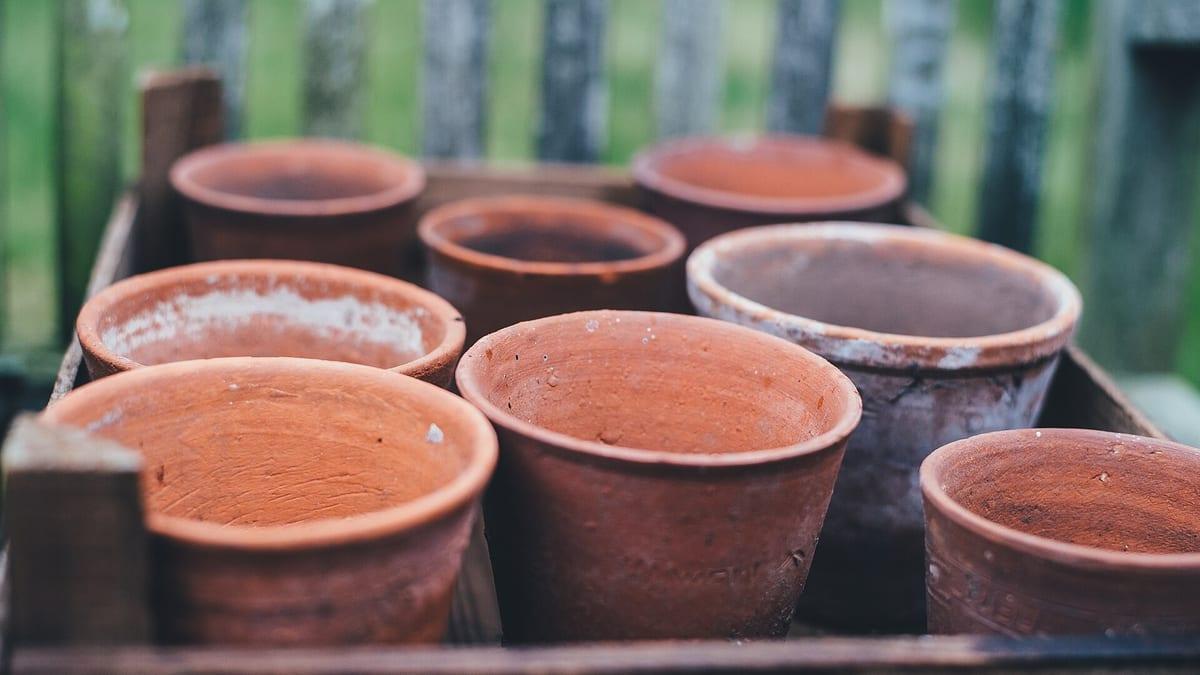
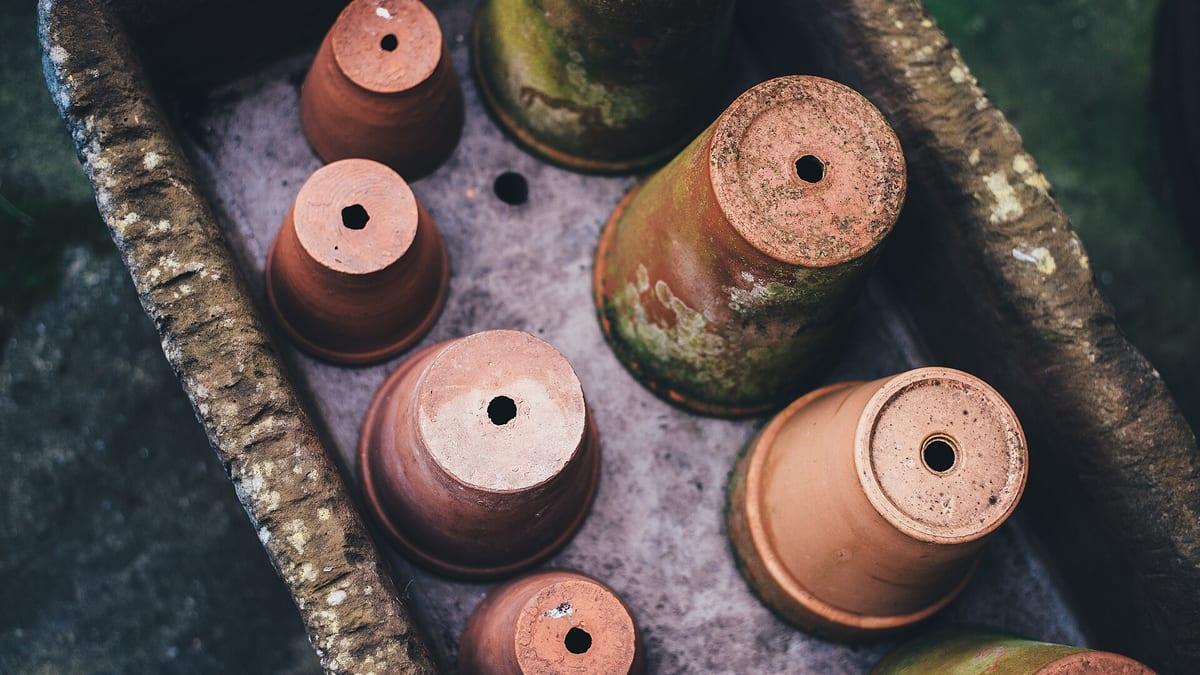
Tip the soil out and store the empty pots upside-down, which protects them from freezing and thawing (University of Illinois Extension). Clay, ceramic and glazed pots may crack if they stay out (Penn State Extension). If one has to stay out, wrap it in bubble wrap or other insulating material and cover that with plastic (Penn State Extension).
Where the app fits
The Pollinator Patch App sends freeze alerts by email as well as in the app, once your account has a garden saved with your location, so the first frost alert can be your cue to start watching for dormancy. If you are not sure a potted plant is tough enough to stay outside where you live, ask Patch.
Planning what goes in the ground this spring?
Enter your ZIP code and Pollinator Patch shows you which natives grow where you live and helps you plan the bed for spring.