Plants Toxic to Dogs in Ohio Yards
The short version
- Yew, Boxwood, Hosta, Autumn Crocus, Ohio Buckeye, and Daffodil are all ASPCA-confirmed toxic to dogs and common in Ohio yards.
- Ohio's own state tree, Ohio Buckeye, is toxic to dogs (seeds worst) despite being native.
- Each toxic plant has an Ohio-native swap not on the ASPCA list: Eastern Red Cedar, Ninebark, Wild Ginger, Aromatic Aster, Redbud, and Virginia Bluebells.
If your dog ate something and you are worried right now
Call the ASPCA Animal Poison Control Center: (888) 426-4435. There is a consultation fee, but they are available 24/7 and will walk you through it. Your vet's emergency line is the other call to make.
Quick answer
The most dangerous plants for dogs in Ohio yards are Yew, Boxwood, Hosta, Autumn Crocus, Ohio Buckeye, and Daffodil. Each has an Ohio-native swap that is not on the ASPCA toxic plant list: Eastern Red Cedar, Ninebark, Wild Ginger, Aromatic Aster, Redbud, and Virginia Bluebells. One of the six toxic plants is, somewhat surprisingly, Ohio's own state tree.
Several of the most common landscaping plants in Ohio are toxic to dogs, and the nursery tags rarely say so. Yew hedges run along foundations from Cincinnati to Cleveland. Hostas fill nearly every shaded bed in the state. Even Ohio's own state tree turns out to be one of the plants on the list.
Below are the plants worth knowing about if you have a dog and an Ohio yard, what each one does, and a native alternative for the same spot. Toxicity below is per the ASPCA Animal Poison Control Center plant database. Native swaps are drawn from the Ohio Prairie Association recommended lists.
Yew (Taxus baccata or Taxus cuspidata)
Yew is one of the most common foundation hedge shrubs in Ohio, planted for the way it holds a clipped shape through winter. It is also one of the most acutely dangerous plants a dog can get into. Per the ASPCA, yew contains taxine alkaloids that can trigger sudden cardiac collapse from a surprisingly small amount ingested. Treat any suspected yew ingestion as an urgent case, not a wait-and-see one.
Safe swap: Eastern Red Cedar (Juniperus virginiana), an Ohio-native evergreen conifer that takes shearing and hedging just as well as yew does. Not on the ASPCA toxic plant list (Ohio Prairie Association).
Boxwood (Buxus spp.)
Boxwood is the classic clipped evergreen you see lining walkways and foundations across Ohio. The ASPCA lists it as toxic to dogs; the plant contains alkaloids that cause gastrointestinal upset, with more serious effects possible if a dog eats a large amount.
Safe swap: Ninebark (Physocarpus opulifolius), an Ohio-native shrub with clusters of white to pink spring flowers and peeling bark that adds winter interest. It is deciduous rather than evergreen, so think of it as a structural alternative to boxwood rather than a direct year-round match. Not on the ASPCA toxic plant list (Ohio Prairie Association).
Hosta (Hosta plantaginea and other Hosta spp.)
Hosta is the single most common shade perennial in Ohio yards, and it shows up in nearly every foundation planting under a tree canopy. The ASPCA lists it as toxic to dogs; the saponins in the leaves cause vomiting, diarrhea, and lethargy.
Safe swap: Wild Ginger (Asarum canadense), an Ohio-native shade groundcover with broad heart-shaped leaves and unusual maroon flowers hidden low under the foliage. Not on the ASPCA toxic plant list (Ohio Prairie Association).
Autumn Crocus (Colchicum autumnale)
Autumn Crocus is a popular fall-blooming bulb in Ohio gardens, and it is one of the most dangerous plants on the entire ASPCA list. It contains colchicine, which causes severe, sometimes fatal, multi-organ toxicity in dogs. This is not a plant to wait out symptoms with; call the poison control line right away if you suspect ingestion.
Safe swap: Aromatic Aster (Symphyotrichum oblongifolium), an Ohio-native perennial that covers itself in purple daisy-like flowers during the same September to October bloom window. Not on the ASPCA toxic plant list (Ohio Prairie Association).
Ohio Buckeye (Aesculus glabra)
This is the one that surprises people. Ohio Buckeye is the state's official state tree, and the ASPCA database lists Aesculus glabra as toxic to dogs under its entry for the closely related Horse Chestnut group. It contains glycosides that cause vomiting and weakness, with more serious effects possible after a significant ingestion. The seeds, the "buckeyes" themselves, are the primary hazard, since dogs will pick them up off the ground. A plant being native to Ohio does not mean it is safe for a dog to chew on; those are two separate questions.
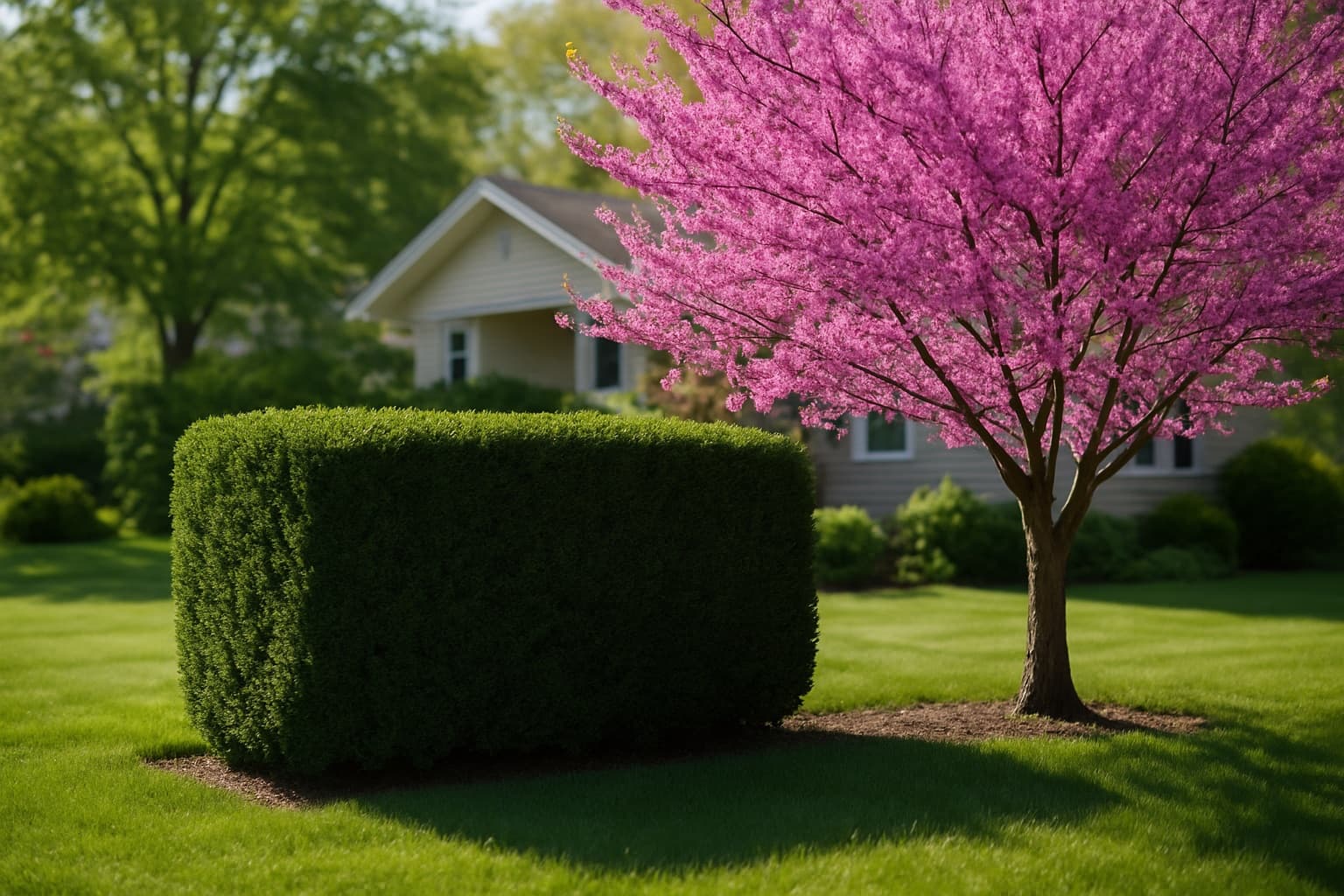
Safe swap: Redbud (Cercis canadensis), an Ohio-native small flowering tree with magenta-pink spring blooms. Not on the ASPCA toxic plant list (Ohio Prairie Association).
Daffodil (Narcissus spp.)
Daffodil is one of the most widely planted spring bulbs in Ohio, and the bulb itself is the concentrated hazard. Per the ASPCA, daffodils contain lycorine and other alkaloids that cause vomiting and diarrhea, with more serious effects possible after a large ingestion, particularly if a dog digs one up and eats the bulb.
Safe swap: Virginia Bluebells (Mertensia virginica), an Ohio-native spring ephemeral wildflower with clusters of nodding, bell-shaped blue flowers. Not on the ASPCA toxic plant list (Ohio Prairie Association).
A note on the plants people worry about needlessly
Some Ohio favorites are fine. Purple Coneflower and Black-eyed Susan, both widely planted Ohio natives, are not on the ASPCA toxic plant list and are reliable, dog-reasonable choices for a sunny bed. As with any plant, "non-toxic" means no known systemic toxin, not that a dog should eat a whole clump; large amounts of any plant can cause mild stomach upset. If something looks off, call the ASPCA Animal Poison Control Center at (888) 426-4435.
Quick reference
Toxicity details on this page follow the ASPCA Animal Poison Control Center plant database. When choosing native plants for an Ohio front yard, look for options suited to your sun exposure, soil, and bloom timing, and check each one against the ASPCA list before you plant it.
If you are replacing toxic plants and want help covering the cost, see Ohio landscaping and water rebates.
To filter every plant in your plan by pet toxicity before you buy, get Pollinator Patch on the App Store. Plants with a cited toxic listing carry a Toxic to Pets flag right on the card.
Checking more than one plant? See the full list of plants toxic to dogs and cats, with native alternatives, covering every plant on the ASPCA list.
See a finished plan for a yard like this
Find our guides useful? Add Pollinator Patch as a preferred source on Google and articles like this one will show up higher in your own search results.