Quick answer: Yes. The ASPCA Animal Poison Control Center lists Ohio Buckeye (Aesculus glabra) and the whole buckeye and horse chestnut group (Aesculus spp.) as toxic to dogs, cats, and horses. The toxins are aesculin and other saponins, and the signs range from vomiting and diarrhea to weakness and seizures. If your dog ate a buckeye, call the ASPCA Animal Poison Control Center at (888) 426-4435.
Every fall the buckeyes drop. Shiny brown nuts end up on sidewalks, in parks, and across backyards in Ohio and the Midwest, right at nose height for a dog. They are about the size of a small ball and they roll, so plenty of dogs pick one up to play with. Every kind of buckeye is on the ASPCA toxic list, the nuts are the part to watch, and there are good native trees to plant in that spot instead.
Are buckeyes poisonous to dogs? What the ASPCA says
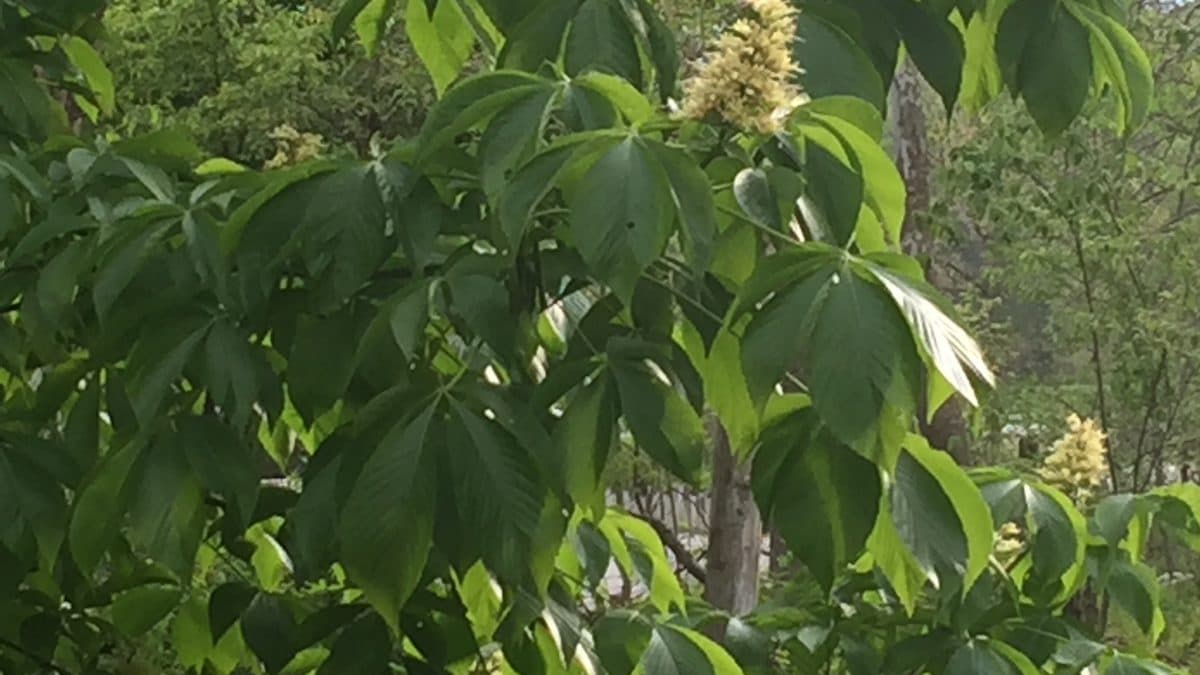
Yes. The ASPCA Animal Poison Control Center lists Horse Chestnut (Aesculus glabra, also called Buckeye, Ohio Buckeye, and Fetid Buckeye) as toxic to dogs, cats, and horses. It names the toxic principles as aesculin, a glycosidic saponin, and other saponins. The clinical signs it lists are severe vomiting and diarrhea, depression or excitement, dilated pupils, weakness, unsteadiness, seizures, and coma.
A second ASPCA entry, Buckeye (Horse Chestnut), covers the whole genus, Aesculus spp., with the same verdict for dogs, cats, and horses. So the answer does not change from one buckeye to the next. Ohio Buckeye, Yellow Buckeye, Red Buckeye, Bottlebrush Buckeye, and the European Horse Chestnut all fall under it.
Which part of a buckeye is the problem?
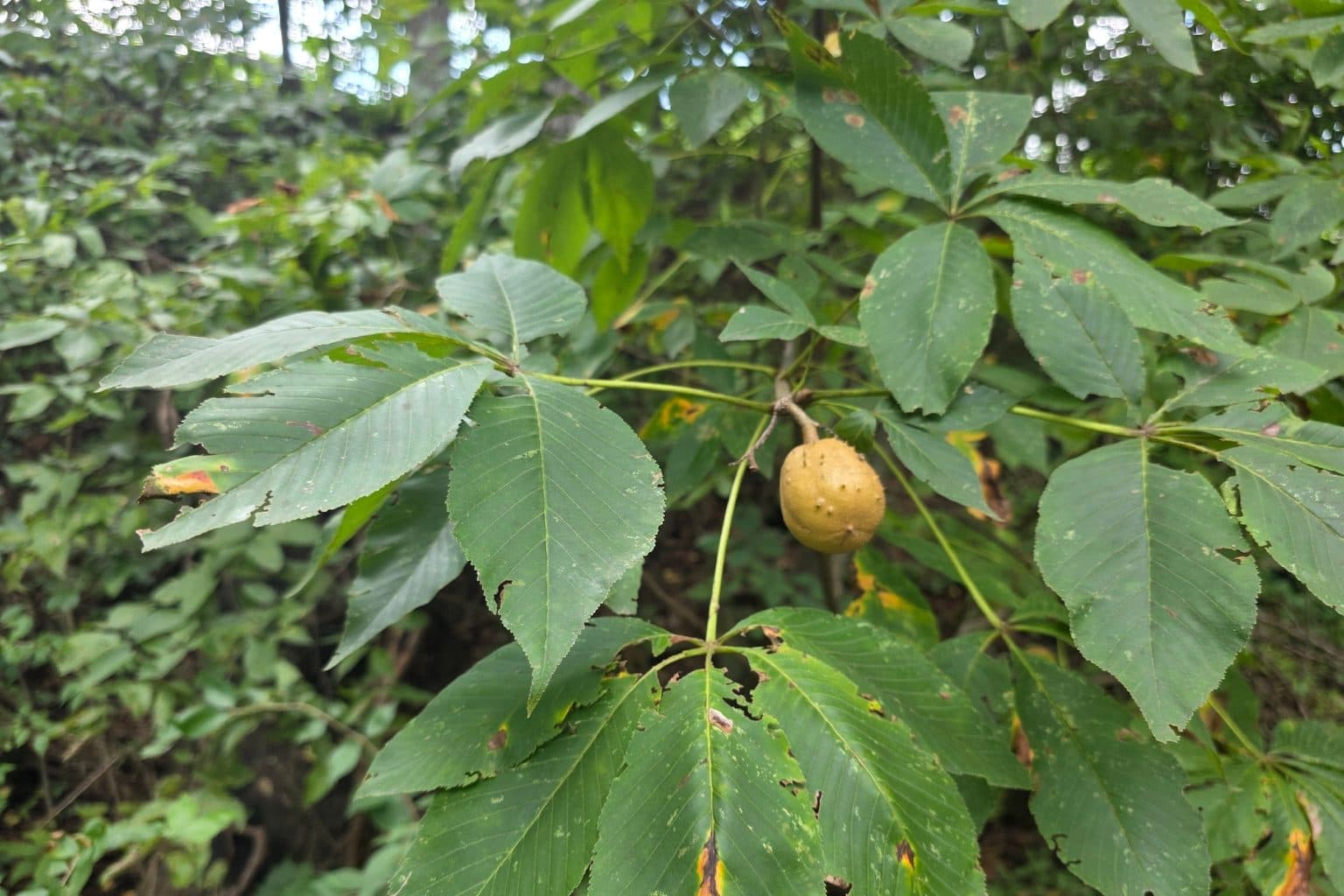
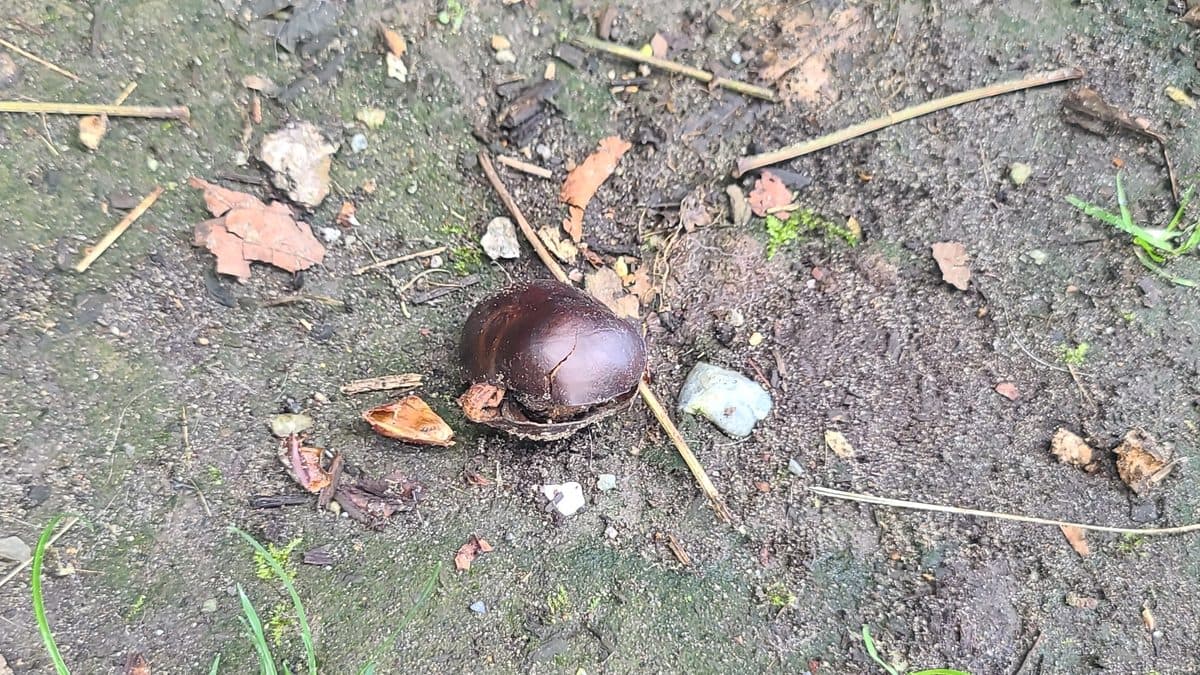
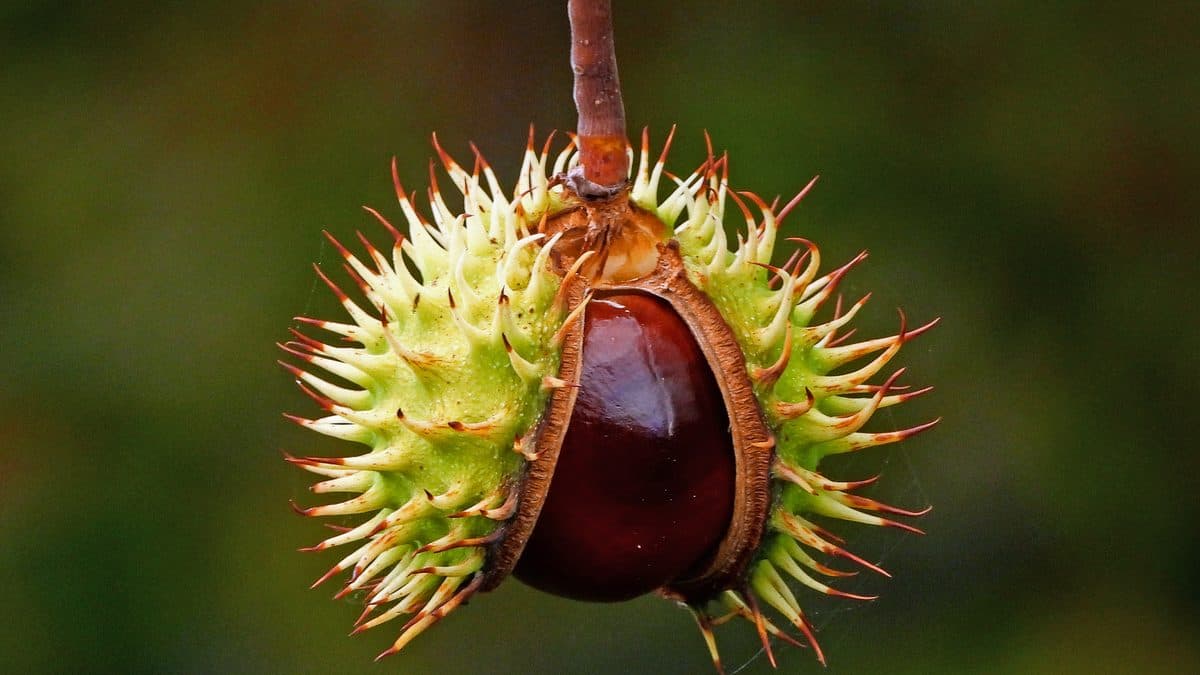
The Lady Bird Johnson Wildflower Center says all parts of Ohio Buckeye are poisonous if eaten, and it singles out the seeds and fruits as dangerous because they are attractive and easy to pick up. For a dog owner, the nuts are the part to manage. The tree drops them in late summer and fall, inside a spiny husk that splits open.
Leaves and twigs are poisonous too, but dogs rarely chew them. The realistic scenario is a dog carrying a nut around the yard, chewing it open, or swallowing one whole on a walk.
Can dogs eat buckeyes?
No. The ASPCA lists no safe amount and no exception for roasted, dried, or partly chewed nuts. Buckeyes are also easy to confuse with edible chestnuts, which are a different genus, Castanea, and grow in a burr covered in long, dense needles. The Lady Bird Johnson Wildflower Center describes the Ohio Buckeye fruit as a spiny, splitting husk, and the nut inside is a single glossy brown seed with a pale patch on one side.
Every buckeye counts, including the native ones
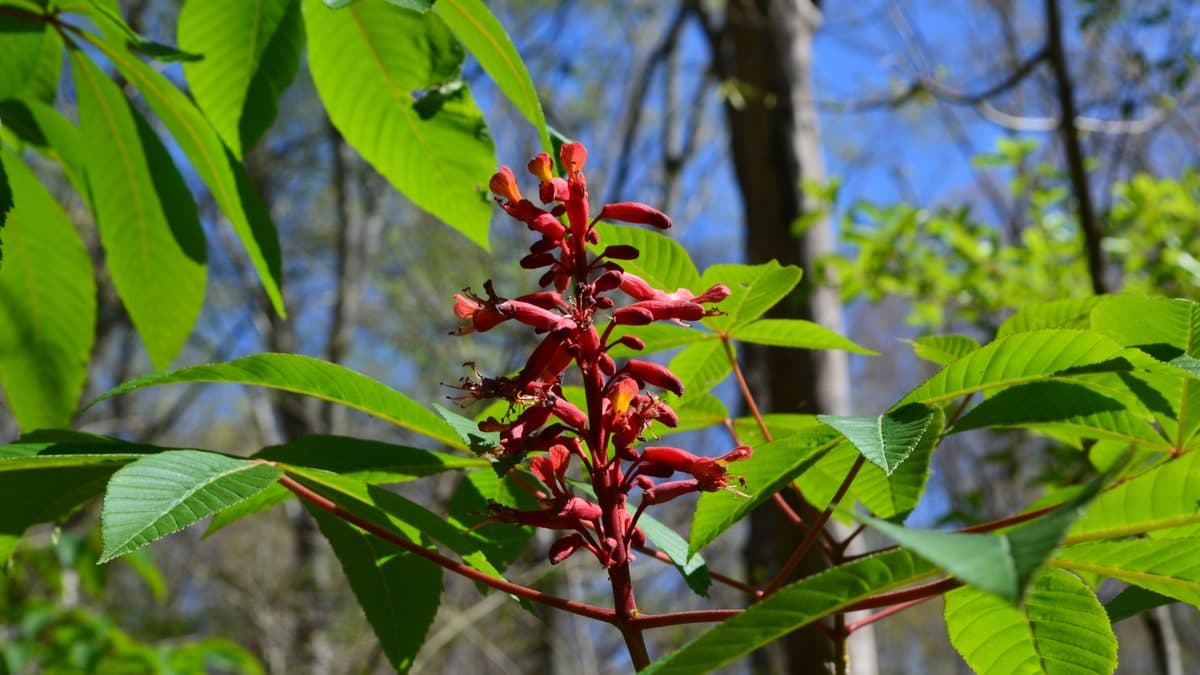
Ohio Buckeye is the state tree of Ohio and a true native across much of the Midwest. Red Buckeye (Aesculus pavia) is a native shrub further south, grown for its red spring flowers and the hummingbirds they bring. Being native does not change the toxicity. The ASPCA entry covers the whole genus, so treat a native buckeye in a dog yard the same way you would treat a European Horse Chestnut in a city park.
If a buckeye is already in your yard, you do not have to cut it down. Rake up the nuts every few days while they are falling, keep the dog off that patch until they stop, and watch the ground on walks under park trees during the same weeks.
Are buckeyes poisonous to cats?
Yes. The same ASPCA Animal Poison Control Center listings cover cats and horses alongside dogs, with the same aesculin and saponin toxins. A cat is less likely than a dog to carry a nut around, but buckeyes come indoors as fall decorations, so keep them out of reach if you have a cat that chews things.
What to do if your dog ate a buckeye
- Note how many nuts or husks are missing and roughly when it happened.
- Call the ASPCA Animal Poison Control Center at (888) 426-4435, or your vet. Do not wait for symptoms to start.
- Do not induce vomiting unless a vet tells you to.
- Watch for vomiting, diarrhea, weakness, unsteadiness, or dilated pupils and report them on the call.
Dog-friendly native trees for the same spot
If you are planting new, these three are native to the Eastern Corn Belt Plains (Columbus area), and none of them carries a toxic listing with the ASPCA. Native ranges per the Lady Bird Johnson Wildflower Center.
| Plant | Dog Safe? | Notes |
|---|---|---|
| Ohio Buckeye (Aesculus glabra) | No | Toxic to dogs, cats, and horses per the ASPCA; fall nuts are the main exposure |
| Red Buckeye (Aesculus pavia) | No | Native shrub, but covered by the ASPCA Aesculus spp. listing |
| Horse Chestnut (Aesculus hippocastanum) | No | European park and street tree, same ASPCA listing |
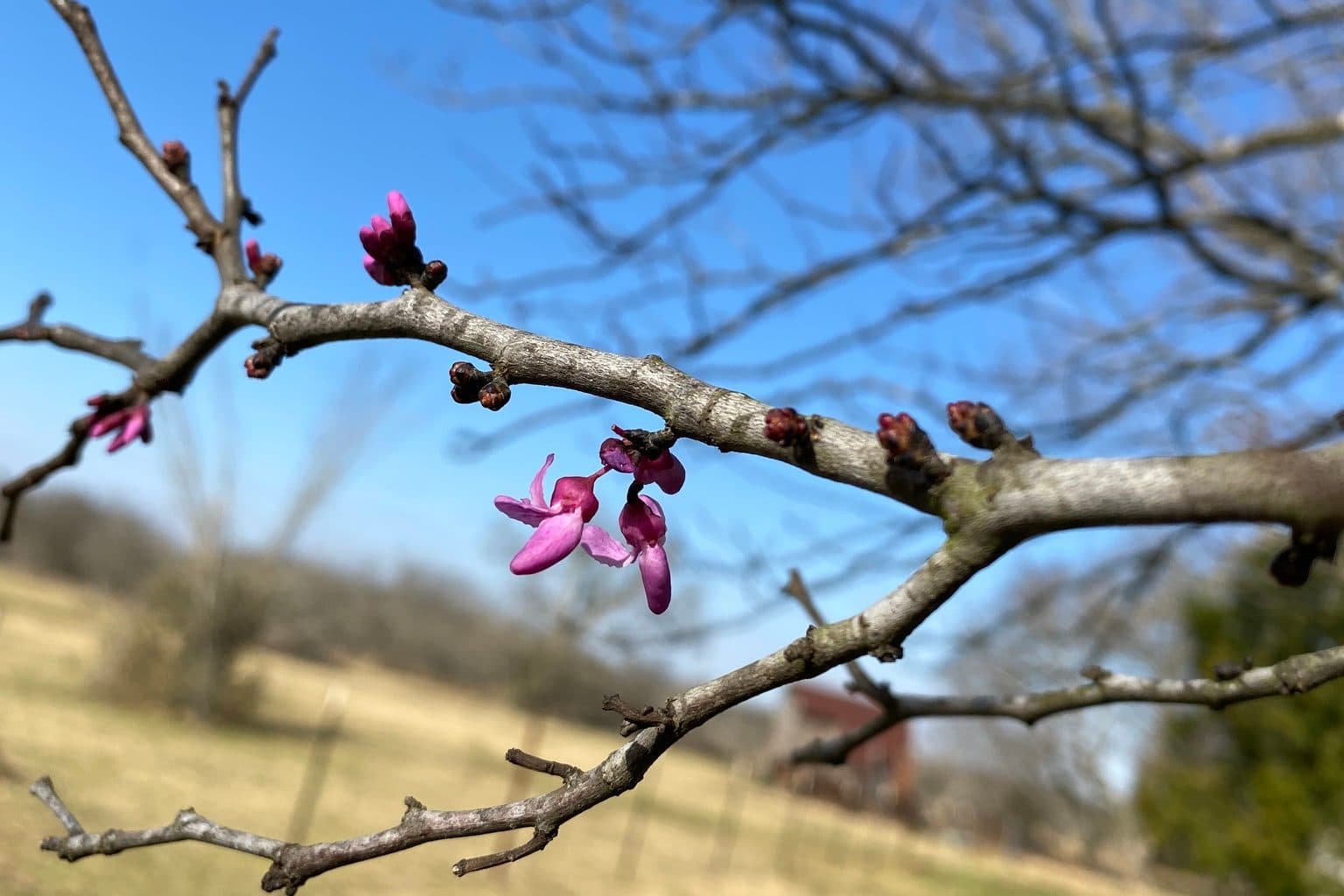
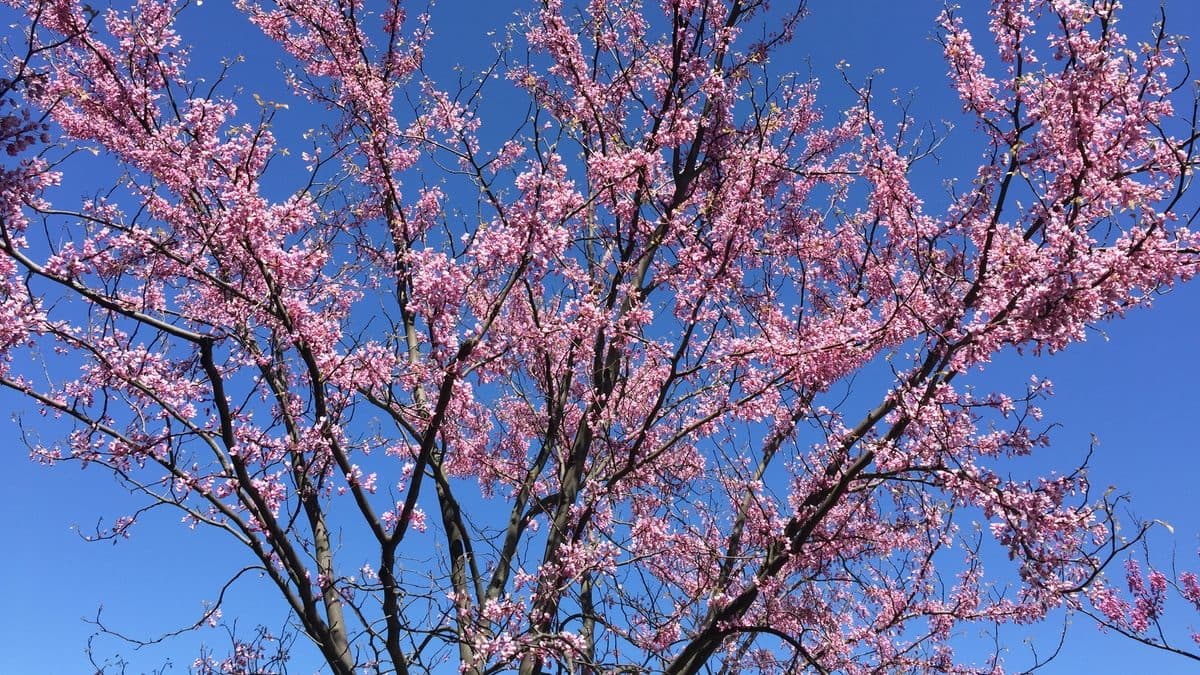
| Eastern Redbud (Cercis canadensis) | Yes | Not on the ASPCA toxic plant list; pink flowers on bare branches in spring |
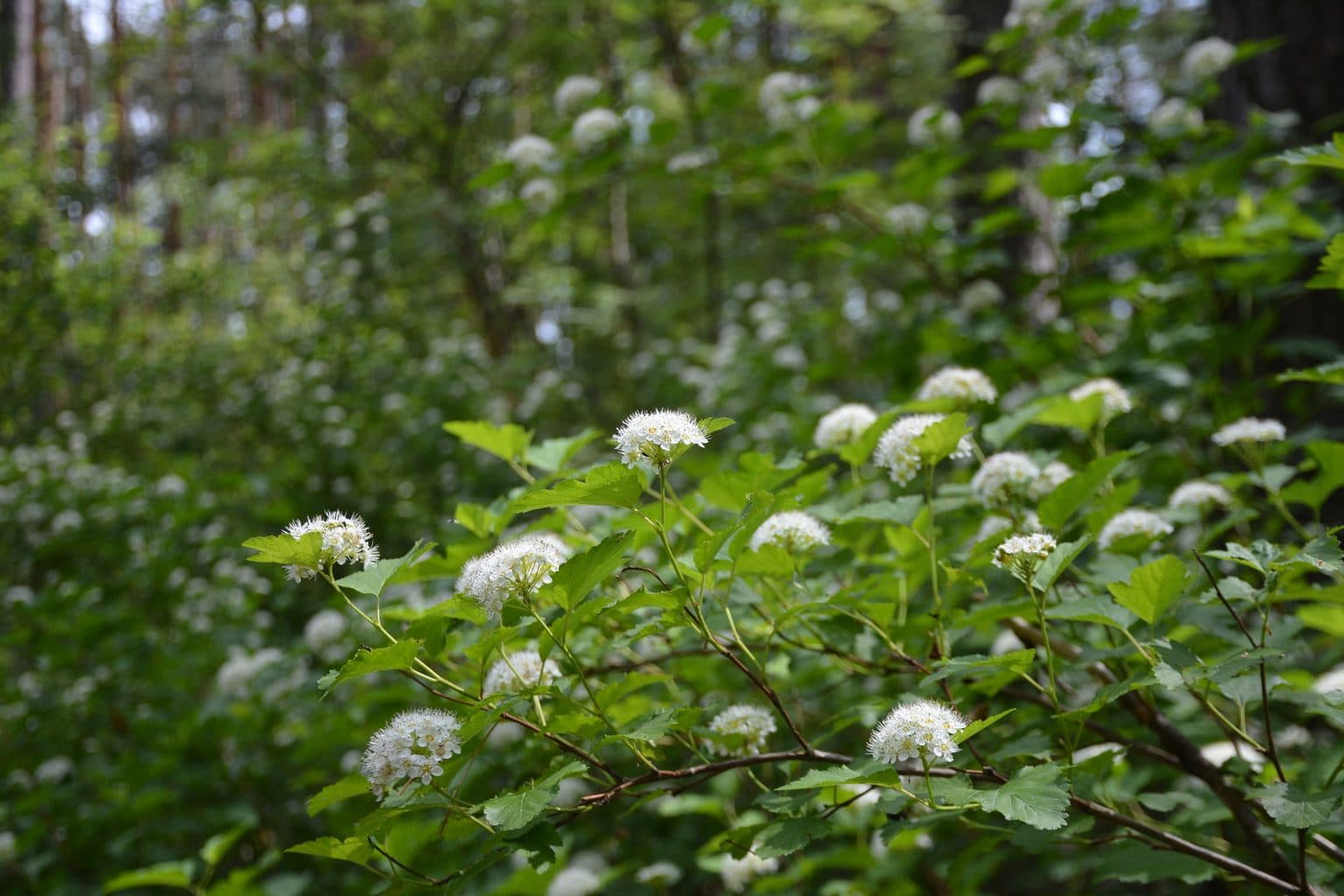
| Downy Serviceberry (Amelanchier arborea) | Yes | Not on the ASPCA toxic plant list; white spring flowers, small berries in early summer |
| Nannyberry (Viburnum lentago) | Yes | Listed by the ASPCA as non-toxic to dogs, cats, and horses; large shrub or small tree |
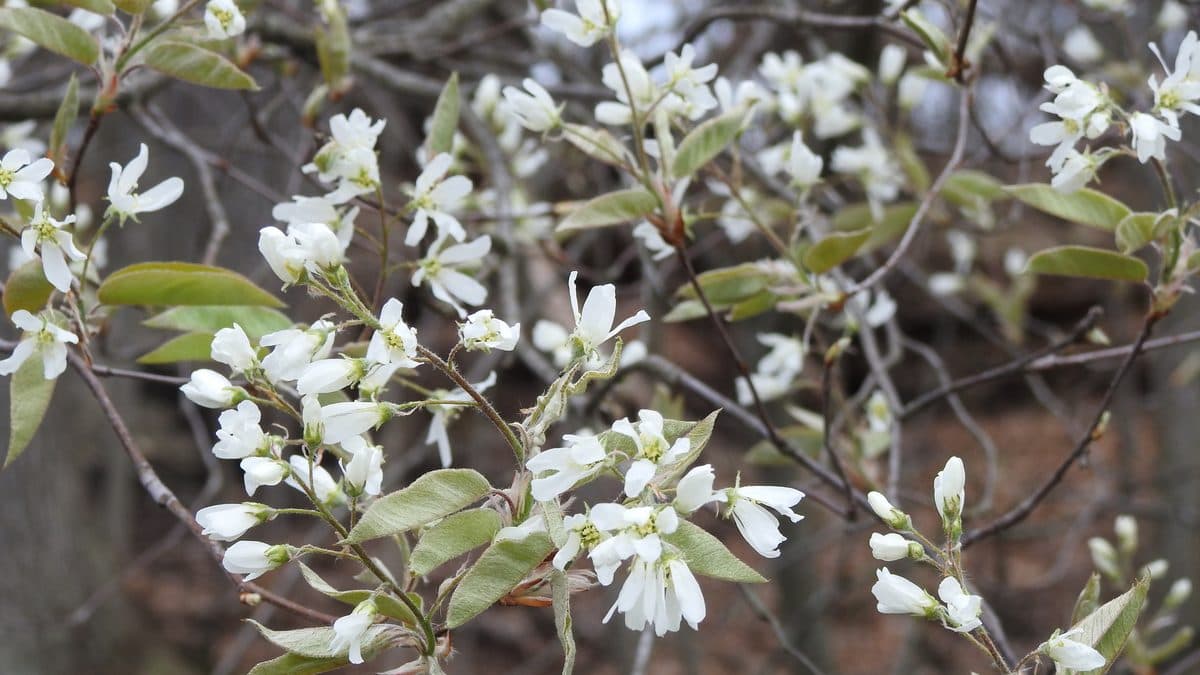
More on the first two: is redbud toxic to dogs and is serviceberry toxic to dogs.
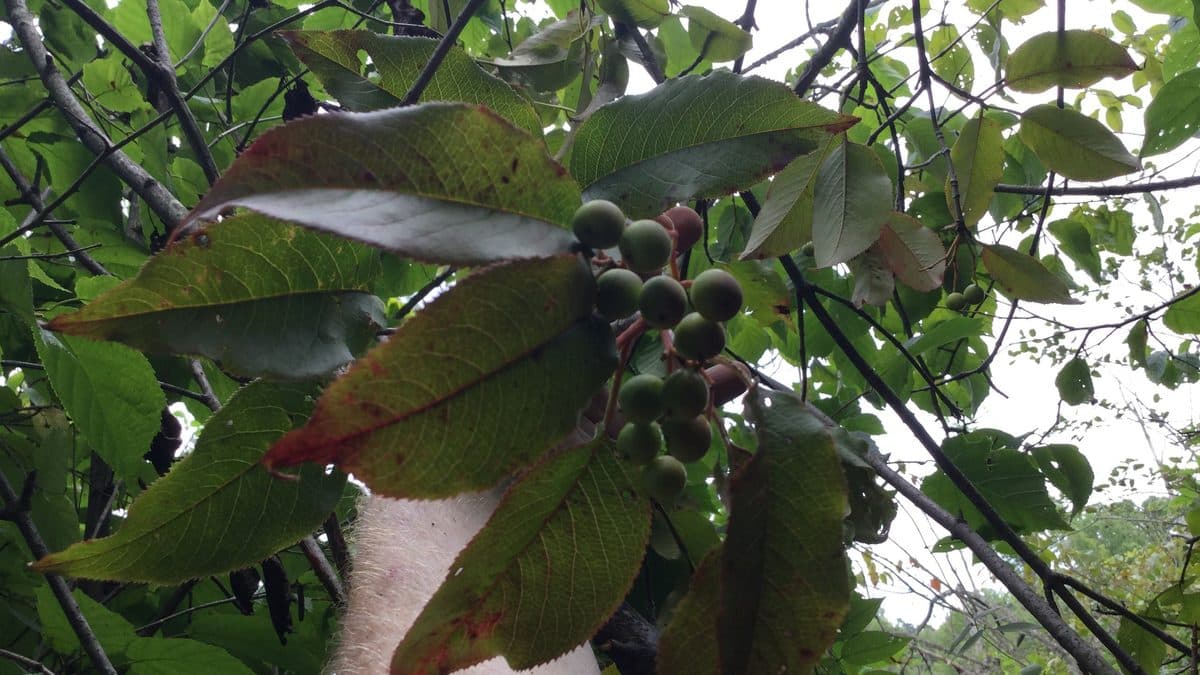
Buckeye is one of six common Ohio yard plants on the ASPCA toxic list. The other five are in the Ohio guide to plants toxic to dogs.
If something goes wrong
ASPCA Animal Poison Control Center: (888) 426-4435 (24/7, fee may apply). Have the plant name ready when you call.
Checking more than one plant? See the full list of plants toxic to dogs and cats, with native alternatives, covering every plant on the ASPCA list.