Alpine Strawberry
Fragaria vesca
Last reviewed: September 2026
Alpine strawberry is a low-growing forb that blooms from April through June with small white flowers, doing well in part shade and medium moisture along woodland edges and meadow margins.
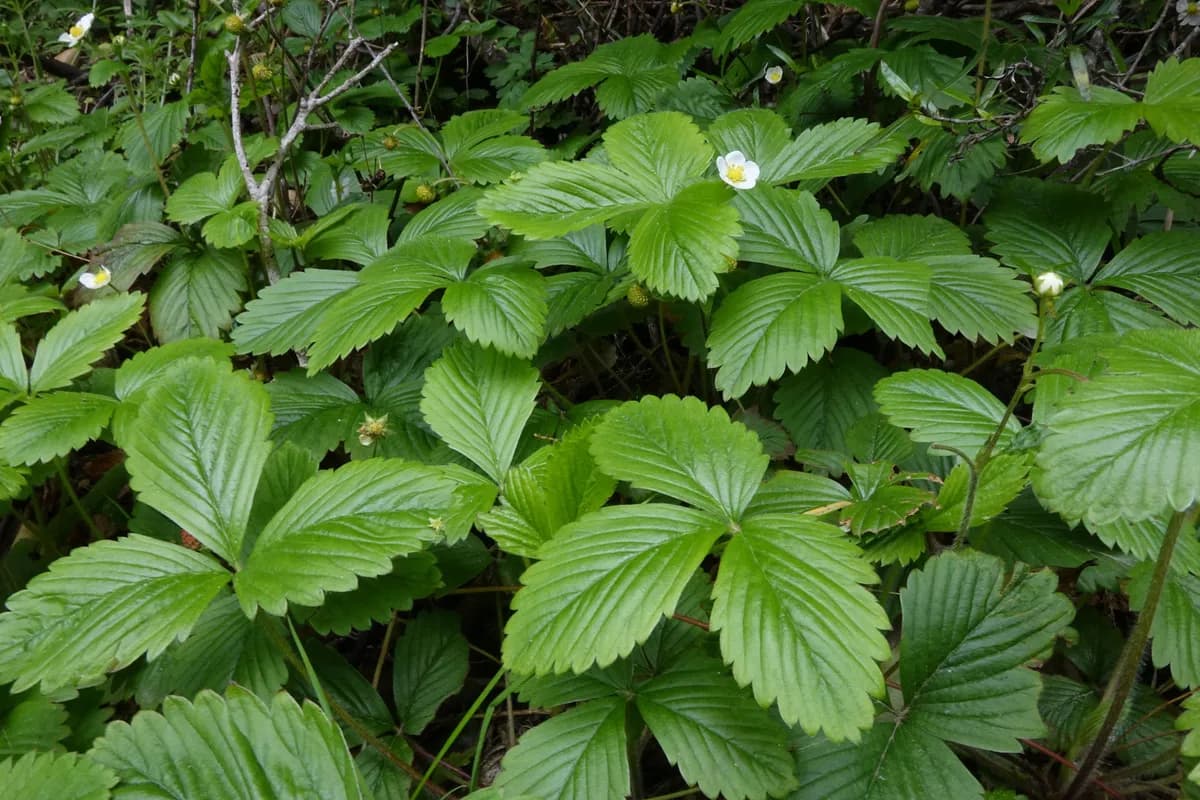
Alpine Strawberry (Fragaria vesca) is not on the ASPCA Animal Poison Control Center toxic plant list for dogs or cats (aspca.org (opens in new tab), last reviewed 2026-05-21). If your pet shows symptoms after eating any plant, call the ASPCA at (888) 426-4435.
Light
part shade
Water
medium
Size
4"–8" H × 6"–12" W
Bloom
Apr, May, Jun
Native to
AZ, CA, CO, CT and 28 more states
Pollinators
bees, beetles, flies
Before you buy
Your city may pay you to plant this
Cities and water utilities offer rebates for replacing lawn with native and water-wise plants. We track 452 programs across 44 states, each with a link to the provider and the date we last checked it.
Find rebates in your areaBrowse plants for this ecoregion
Alpine strawberry is a compact native groundcover that produces small white flowers in spring followed by tiny edible berries. This low-growing perennial forms neat clumps with attractive three-leaflet foliage and spreads moderately by runners.
Growing Alpine Strawberry
Grow Alpine Strawberry in part shade and medium water. Mature plants reach 4 to 8 inches tall and spread 6 to 12 inches wide. Expect low maintenance to keep it looking intentional in a front yard.
How to care for Alpine Strawberry, by region
How to care for Alpine Strawberry where it is actually grown: year-round basics plus what to do each season, region by region, with the sources for each.
Care guidance last updated: August 2026
North Central Hardwood Forests (includes Minneapolis, MN)
Year-round
Alpine strawberry is a low native groundcover for Minneapolis gardens, doing best in part shade with steady moisture.
- This plant is native to Minnesota's woods and forest edges, so it already fits your yard's ecology here.
- Give it part shade and soil that stays a little moist, not bone dry and not soggy.
- It spreads by little runners that root as they go, so it fills in as a groundcover over time.
- The berries are tiny and sweet, more of a snack than a crop, and they show up through summer.
- ASPCA lists this plant as non-toxic to dogs and cats, so it's a fine choice if pets share the yard.
Fall
Fall is prep time. Alpine strawberry needs light cleanup and a bit of protection before Minneapolis winters set in.
- Leave most of the foliage in place. The leaves protect the crown and help the plant store energy for winter.
- Once a few hard frosts hit, usually by mid to late October, tidy up any dead or damaged leaves.
- Add a couple inches of mulch, straw or shredded leaves work well, once the ground starts to firm up but before it fully freezes.
- This is also a good time to divide and replant runners if you want to expand the patch next year.
A light fall cleanup and a fresh mulch layer keeps a front-yard patch looking HOA-conscious heading into winter.
Winter
Winter in zone 5a means alpine strawberry goes fully dormant and relies on snow cover or mulch to get through the cold.
- Zone 5a winters can dip to negative 15 to negative 20 degrees Fahrenheit, so a mulch layer or reliable snow cover matters for the crown.
- If Minneapolis has a low-snow stretch, add extra straw or leaf mulch over the patch to make up for the missing insulation.
- The plant dies back to almost nothing above ground, so an empty-looking bed is normal, not a problem.
- Avoid walking on or compacting the mulched area. It can crush dormant crowns hiding under the snow.
A dormant, low groundcover bed reads as tidy and HOA-friendly through winter, with nothing tall left standing.
Spring
Spring is when alpine strawberry wakes up and starts putting out new leaves and runners in the Twin Cities.
- Once the ground thaws, usually by mid to late April here, pull back any winter mulch so new leaves can reach light.
- Early spring is a good time to divide crowded clumps or move runners to fill in bare patches.
- Watch for a late frost snap. Established plants handle it fine, but new transplants may need a light cover overnight.
- Flowers open around mid May in the Twin Cities, so try not to disturb the roots much after that.
Summer
Summer is the main show for alpine strawberry, with steady flowering, small berries, and active runner growth.
- Keep the soil evenly moist through hot stretches. Deep watering once or twice a week beats frequent light sprinkles.
- Pick the small berries as they ripen. They don't store well, so eat or use them right away.
- If you want a neater, more front-yard-friendly patch, trim back the wiry runners regularly instead of letting them wander.
- Part shade keeps the leaves from scorching in Minneapolis's hottest weeks. Morning sun with afternoon shade works well.
Trimming back runners through summer keeps the patch tidy, an easy way to keep a visible front bed looking HOA-friendly.
Sources: USDA PLANTS Database, Fragaria vesca profile, Lady Bird Johnson Wildflower Center, Fragaria vesca, ASPCA, Toxic and Non-Toxic Plants: Wild Strawberry, University of Minnesota Extension, Growing strawberries in the home garden
Want these tasks as reminders timed to your yard? Pollinator Patch turns this guidance into a season-by-season care plan for the plants you actually grow.
In an HOA neighborhood
Alpine Strawberry is an HOA-friendly choice. Maintenance level: low. Tidiness: 4 out of 5.
Works well in: front yard, foundation, street edge, mid zone.
- May look sparse in winter as deciduous groundcover
Wildlife value
The small white flowers attract bees, beetles, and flies during the spring blooming period. Birds and small mammals enjoy the tiny strawberries that follow the flowers.
Common questions
- When does Fragaria vesca bloom?
- Fragaria vesca typically flowers from April through June, producing small white blossoms before setting fruit.
- What kind of light does Fragaria vesca need?
- It grows best in part shade but adapts to conditions from full sun to shade, making it flexible for woodland edges, borders, or open beds.
- How much water does Fragaria vesca require?
- This plant prefers medium moisture but can tolerate drier soil once established, so consistent watering during establishment helps it thrive.
- What pollinators visit Fragaria vesca flowers?
- Bees, beetles, and flies commonly visit the flowers, helping with pollination and fruit set.
- Is Fragaria vesca a good groundcover?
- As a spreading forb with a low growth habit, it works well as a groundcover in garden beds, along paths, or in naturalized plantings.
- Is Alpine Strawberry toxic to dogs?
- Alpine Strawberry is not on the ASPCA Animal Poison Control Center toxic plant list for dogs (aspca.org).
- Is Alpine Strawberry toxic to cats?
- Alpine Strawberry is not on the ASPCA Animal Poison Control Center toxic plant list for cats (aspca.org).
- Is Alpine Strawberry HOA-friendly?
- Alpine Strawberry is generally an HOA-friendly choice in the right placement, with low maintenance.
These answers were drafted with an AI model from this plant's data. Verify care details with a local expert.
Native range data from the World Checklist of Vascular Plants (Kew). Pollinator and host plant associations compiled from GBIF, iNaturalist, and published ecological literature.
If something looks wrong
Common plant problems, and what to check first
These come up on almost any plant. Each guide lists the likely causes in the order they are worth ruling out, with one thing to check before you act on any of them, and links to the source it came from.
- It is dying right after planting
- Leaves turning yellow
- Wilting even though I watered it
- Brown crispy leaf tips
- Bugs on the plant
Ready to grow Alpine Strawberry? Add it to your garden in Pollinator Patch to track it and get season-by-season care guidance.
Planning a bed around it? Start a free plan with this plant
Not sure where to start? Take the 2-minute yard quiz