Amole
Chlorogalum pomeridianum
Last reviewed: June 2026
Chlorogalum pomeridianum (Amole) is a native California and Oregon wildflower that produces tall spikes of white flowers from April through July. This drought-tolerant plant thrives in full sun and attracts bees, butterflies, and moths.
Light
full sun
Water
low
Size
12"–60" H × 12"–36" W
Bloom
Apr, May, Jun, Jul
Native to
CA, OR
Pollinators
bees, butterflies, moths
Browse plants for this ecoregion
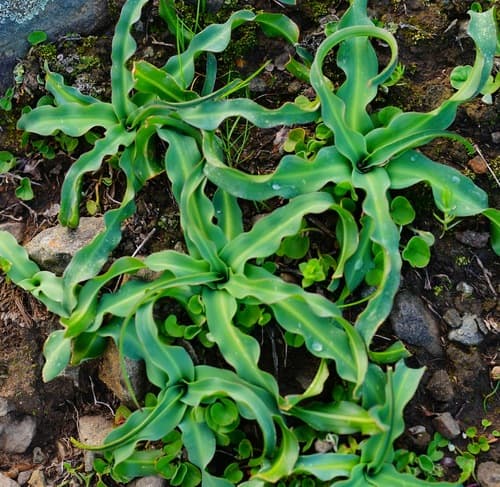
Amole is a perennial native forb with wavy basal leaves and tall flowering stalks that bloom from spring to summer. The white star-shaped flowers open in the evening, giving it the common name 'soap plant' due to its bulb's traditional use as soap. It goes dormant in summer after flowering.
Growing Amole
Grow Amole in full sun and low water. Mature plants reach 12 to 60 inches tall and spread 12 to 36 inches wide. Expect low maintenance to keep it looking intentional in a front yard.
In an HOA neighborhood
Amole is an HOA-friendly choice in the right placement. Maintenance level: low. Tidiness: 2 out of 5.
Works well in: mid zone, backyard only.
- Leaves die back and can look unkempt during dormancy
- Tall flower stalks may appear too wild for formal landscapes
- Best integrated within designed native garden beds rather than as standalone specimens
Wildlife value
The evening-blooming flowers attract various nocturnal pollinators including moths, as well as bees and butterflies during daylight hours. The plant provides important food sources for native pollinators.
Common questions
- When does Chlorogalum pomeridianum bloom?
- Chlorogalum pomeridianum blooms from April through July, producing tall racemes of white, star-shaped flowers that open in the evening.
- Where is Chlorogalum pomeridianum native?
- Chlorogalum pomeridianum is native to California and Oregon, where it grows naturally in grasslands, oak woodlands, and chaparral communities.
- What pollinators visit Chlorogalum pomeridianum?
- Chlorogalum pomeridianum attracts bees, butterflies, and moths. Its evening-blooming flowers are particularly attractive to night-flying moths.
- What growing conditions does Chlorogalum pomeridianum prefer?
- Chlorogalum pomeridianum prefers full sun exposure and low to moderate water conditions. It is well-adapted to drought and Mediterranean climates.
- Is Amole HOA-friendly?
- Amole is generally an HOA-friendly choice in the right placement, with low maintenance.
Native range data from the USDA PLANTS Database and regional native plant society lists. Pollinator and host plant associations compiled from GBIF, iNaturalist, and published ecological literature.
Ready to grow Amole? Add it to your garden in Pollinator Patch to track it and get season-by-season care guidance.
Not sure where to start? Take the 2-minute yard quiz