Argentine senna
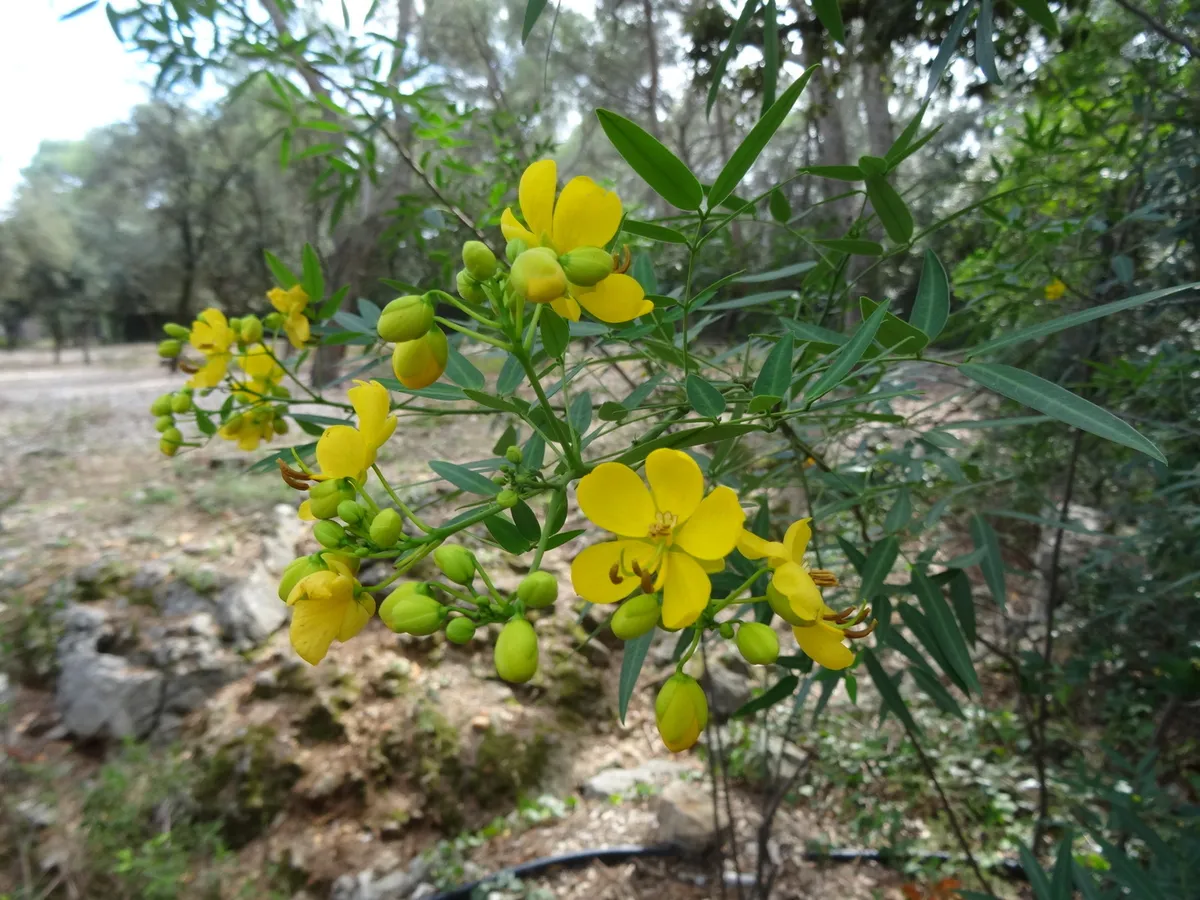
Senna corymbosa
Last reviewed: October 2026
Toxicity unknown
Argentine senna (Senna corymbosa) is not listed by the ASPCA Animal Poison Control Center (opens in new tab) or the other sources we check, so we have no verdict for it either way. Absence from those lists is not a clearance. If your pet shows symptoms after eating any plant, call the ASPCA at (888) 426-4435.
Light
full sun
Water
low
Size
36"–72" H × 36"–60" W
Bloom
Jun, Jul, Aug, Sep, Oct, Nov
Pollinators
bees, butterflies
Native alternatives to Argentine senna
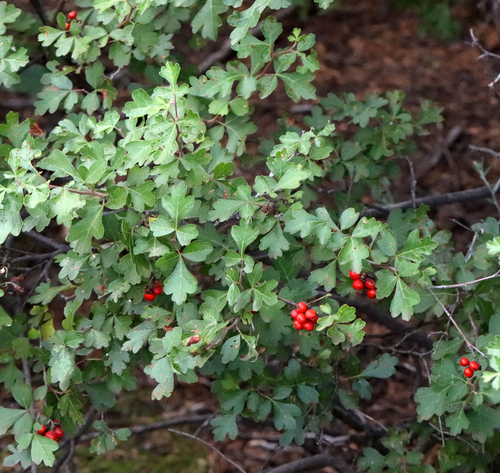
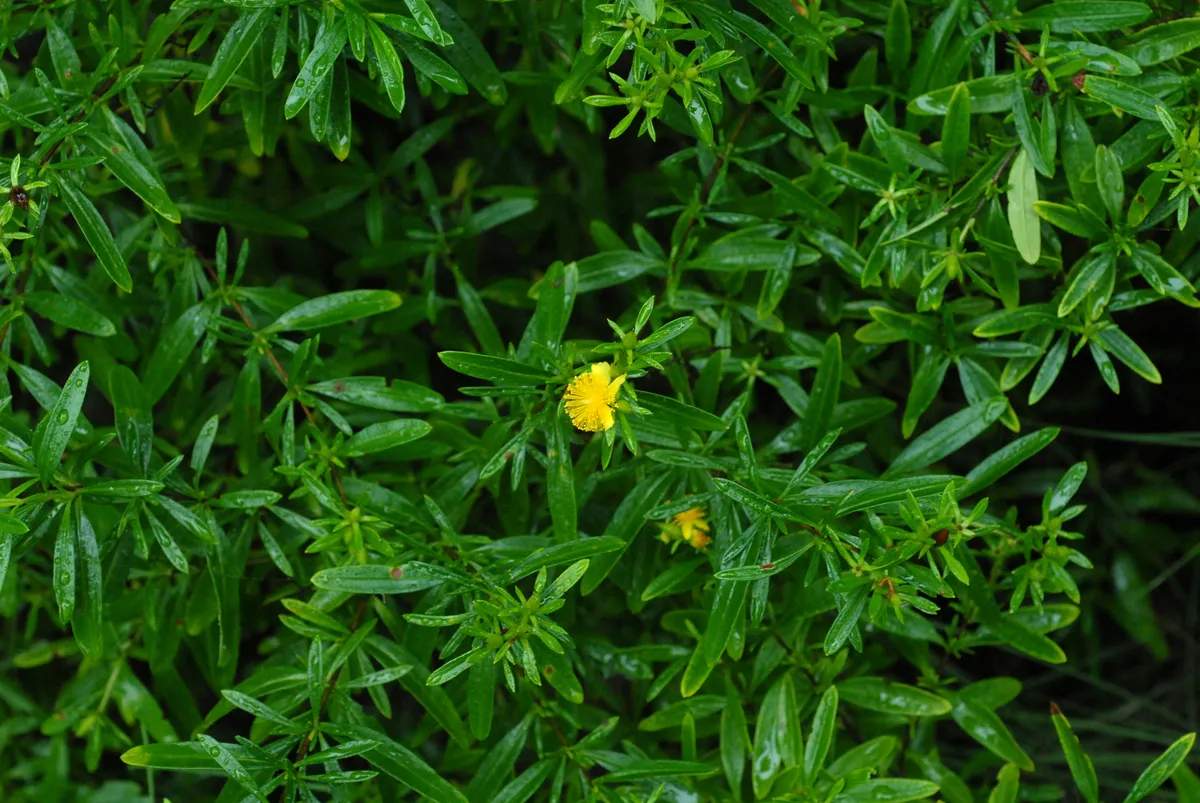
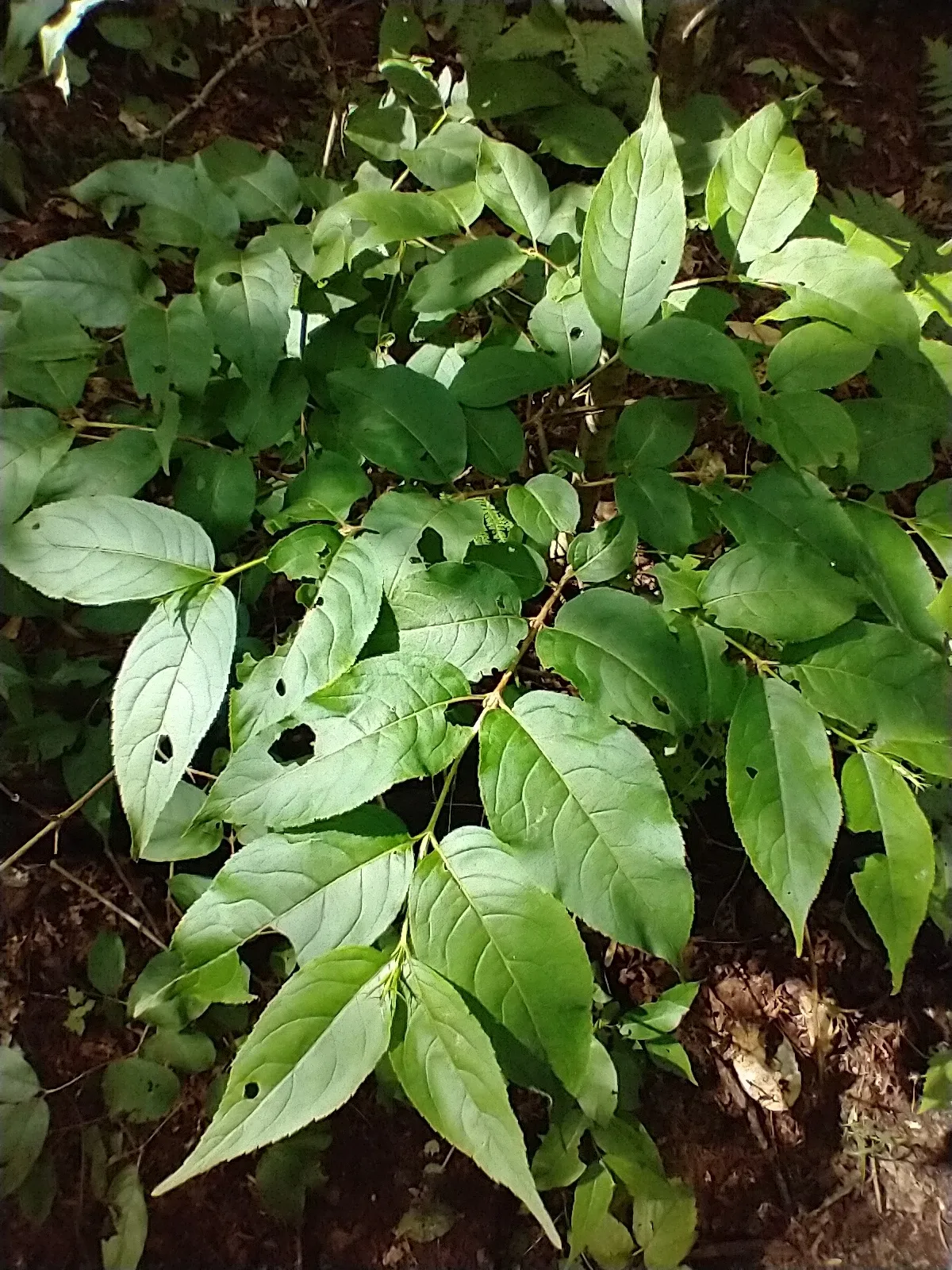
Argentine senna is not native to the United States. These natives fill a similar role in a planting, matched on bloom season, bloom color and mature size.
Before you buy
Your city may pay you to plant this
Cities and water utilities offer rebates for replacing lawn with native and water-wise plants. We track 458 programs across 44 states, each with a link to the provider and the date we last checked it.
Find rebates in your areaPicture natives in your own yard
Wondering what could grow where Argentine senna is now? Upload a photo of the spot and Patch Vision shows a rendering of it replanted with natives for your region.


A fast-growing shrub prized for its bright yellow flower clusters that appear from summer into fall, often used as a butterfly host and nectar plant.
How to care for Argentine senna, by region
How to care for Argentine senna where it is actually grown: year-round basics plus what to do each season, region by region, with the sources for each.
Care guidance last updated: September 2026
Western Gulf Coastal Plain (includes Houston, TX)
Year-round
Argentine senna is a fast-growing shrub native to South America, grown in the Houston area as a heat- and drought-tolerant landscape plant with bright yellow flowers from summer into fall.
- Plant in full sun, including hot reflected spots near driveways or walls where it tolerates intense heat well.
- Water regularly the first season to establish, then taper to about once a week or less; established plants handle extended dry spells.
- Choose well-drained soil; it adapts to sandy, rocky, or clay soils as long as water does not pool.
- Its naturally round, full shape needs little to no pruning to look tidy.
Its neat, rounded form and long bloom season make it a low-maintenance flowering shrub for a front bed or foundation planting.
Fall
Argentine senna continues flowering into fall in the Houston area, often putting on its heaviest bloom show as temperatures cool.
- Watering can be reduced further as temperatures drop in fall.
- Blooms often peak in October and November before the first cold snap.
- Leave the plant unpruned; its natural shape holds up well without fall cleanup.
The fall bloom flush is one of its showiest periods and needs no extra upkeep to look intentional.
Winter
In a typical Houston winter, Argentine senna stays semi-evergreen but can freeze back to the ground in a hard freeze, regrowing from the base in spring.
- Expect little to no watering needed while the plant is dormant or semi-dormant.
- If foliage is damaged by a hard freeze, leave the dead growth in place until new growth appears in spring, then prune it back.
- No fertilizing is needed in winter.
Even if frost damages the top growth, the plant regrows quickly and rarely needs replacement.
Spring
Spring is a good time to plant Argentine senna in the Houston area, once the last frost has passed, letting it establish before summer heat arrives.
- Plant after the last frost date, typically by mid-March in the Houston area.
- Water every few days for the first few weeks until new growth appears, then shift to a weekly schedule.
- Expect mostly foliage growth in spring, with flower buds forming as temperatures rise toward summer.
New spring plantings fill in fast without needing any shaping.
Summer
Through Houston's hot summer, established Argentine senna needs little water and produces its main flush of bright yellow blooms.
- Water about once a week during summer heat; established plants tolerate longer dry stretches.
- Enjoy the peak bloom period, when the shrub is covered in yellow flowers that attract bees and butterflies.
- No fertilizing or pruning is needed during active summer growth.
Its bright summer bloom reads as an intentional flowering feature rather than an overgrown shrub.
Sources: Atlas of Florida Plants, Institute for Systematic Botany, Central Texas Gardener (community tip)
In an HOA neighborhood
Argentine senna is an HOA-friendly choice. Maintenance level: moderate. Tidiness: 3 out of 5.
Works well in: mixed border, specimen shrub.
- can freeze back hard in cold winters and look bare until spring regrowth
- fast growth may need periodic pruning to keep a tidy shape
Wildlife value
Host plant for Cloudless Sulphur, Sleepy Orange.
Serves as a larval host plant for sulphur butterflies and provides nectar for bees and other pollinators through a long summer-to-fall bloom season.
Common questions
- How much sun does Argentine senna need?
- Argentine senna grows best in full sun conditions.
- When does Argentine senna bloom?
- Argentine senna blooms in June, July, August, September, October, and November.
- What butterflies or moths does Argentine senna host?
- Argentine senna is a larval host plant for Cloudless Sulphur and Sleepy Orange.
- Is Argentine senna HOA-friendly?
- Argentine senna is generally an HOA-friendly choice in the right placement, with moderate maintenance.
Pollinator and host plant associations compiled from GBIF, iNaturalist, and published ecological literature.
If something looks wrong
Common plant problems, and what to check first
These come up on almost any plant. Each guide lists the likely causes in the order they are worth ruling out, with one thing to check before you act on any of them, and links to the source it came from.
- It is dying right after planting
- Leaves turning yellow
- Wilting even though I watered it
- Brown crispy leaf tips
- Bugs on the plant
Ready to grow Argentine senna? Add it to your garden in Pollinator Patch to track it and get season-by-season care guidance.