California Sunflower
Helianthus californicus
Last reviewed: September 2026
California Sunflower is a tall perennial forb with bright yellow blooms from June through September. It thrives in full sun and needs little water once established.
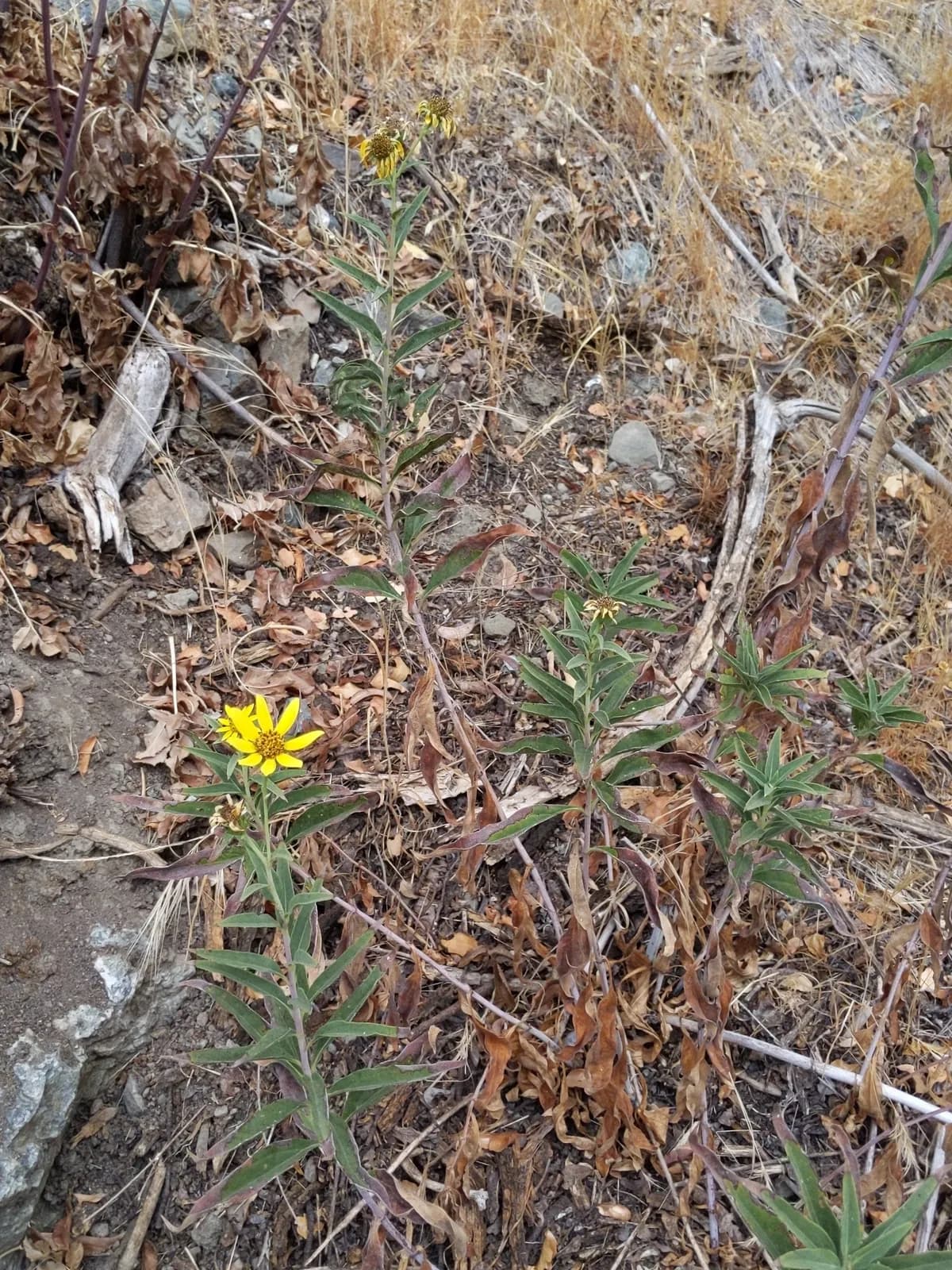
California Sunflower (Helianthus californicus) is not flagged as toxic to dogs or cats by Plants For A Future (PFAF) (opens in new tab) (last reviewed 2026-05-21). This verdict does not come from the ASPCA. If your pet shows symptoms after eating any plant, call the ASPCA at (888) 426-4435.
Light
full sun
Water
low
Size
12"–48" H × 12"–36" W
Bloom
Jun, Jul, Aug, Sep
Native to
CA
Pollinators
bees, butterflies
Before you buy
Your city may pay you to plant this
Cities and water utilities offer rebates for replacing lawn with native and water-wise plants. We track 459 programs across 44 states, each with a link to the provider and the date we last checked it.
Find rebates in your areaPicture natives in your own yard
Upload a photo of your yard and Patch Vision shows a rendering of it planted with natives for your region, like California Sunflower.


Browse plants for this ecoregion
This sunflower is a perennial wildflower with bright yellow blooms that appear from summer through fall. It grows in an upright form with daisy-like flowers that reach 1-4 feet tall. This drought-tolerant native thrives in full sun with minimal water once established.
Growing California Sunflower
Grow California Sunflower in full sun and low water. Mature plants reach 12 to 48 inches tall and spread 12 to 36 inches wide. Expect moderate maintenance to keep it looking intentional in a front yard.
How to care for California Sunflower, by region
How to care for California Sunflower where it is actually grown: year-round basics plus what to do each season, region by region, with the sources for each.
Care guidance last updated: July 2026
Central California Valley (includes Sacramento, CA)
Year-round
California sunflower is a tough, spreading perennial that stays green and blooms yellow right through the hot dry Sacramento summer, which makes it a rare exception among valley natives. It sends up new shoots from underground rhizomes, so it wants room or a defined bed to roam.
- Plant it in full sun on the heavy valley clay, and set the crown on a slight mound so water drains away and the roots do not sit wet.
- Give it room to spread or box it into a defined bed, because it travels underground by rhizome and will fill a space over a couple of seasons.
- Water is low to moderate: unlike most valley natives it takes occasional deep summer water, but it still does not want constant soggy soil.
- It is a strong bee and butterfly plant during the June to September bloom, so plant it where you want summer pollinator traffic.
To read as intentional at the curb and avoid a violation letter, give this spreader a defined bed edge or a mowed strip around it so it looks like a planned patch rather than a plant that got loose. A clean edge is what tells an HOA the spread is on purpose.
Fall
Fall is the prime planting window in the Central Valley, timed to the first rains so roots settle in before next summer. Your established sunflower is winding down its bloom now and getting ready to rest a bit over the cool wet months.
- If you want more of these or want to start a patch, plant now in October or November so the coming winter rain establishes the roots naturally.
- Plant on a slight mound in the heavy clay for sharp drainage, and water new plants deeply right after planting to settle the soil.
- Cut the old summer stems back once bloom finishes to tidy the clump, or leave some standing for seed and winter cover.
- Ease off any supplemental water as the first rains arrive, since the season is about to do the watering for you.
Cutting the spent summer stalks back in fall keeps the clump from looking dead and stringy at the curb, which is the tidy signal an HOA looks for. Fall is also the moment to reset a crisp bed edge so the spreading patch reads as planned.
Winter
Winter is the cool, foggy, wet growing season in the valley, not a deep freeze. Your California sunflower rests low through the mild frost and Tule fog, and the winter rain quietly waters the roots for the year ahead.
- Let winter rain do all the watering and add no supplemental water, since wet clay plus cold is the fastest way to rot the crown.
- Expect the clump to die back low or go quiet over the coldest weeks, which is normal, so do not assume it is dead and dig it out.
- Do a light cleanup of any remaining flopped stems if you want a tidy look, but avoid heavy cutting into a wet dormant crown.
- Check that water is not pooling around the base after storms, and improve the mound or drainage if it is, because the heavy valley clay holds water.
A light winter tidy of flopped stems and a clean bed edge keeps a resting clump looking cared for during the gray foggy months, which is when a bare native bed is most likely to read as neglected to an HOA.
Spring
Spring is when the soil is still moist from winter rain and your California sunflower is putting up fresh green shoots. It is building up for its summer show, so let the rain do most of the work and taper any hand watering as the days warm.
- Let winter and early spring rain carry the plant, and only add water if the soil dries out during a warm dry spell in April or May.
- Watch for new rhizome shoots pushing up around the clump, and pull or cut back any that stray past your bed line to keep the patch in bounds.
- Hold off on fertilizer, because valley natives grow lean and rich feeding just makes floppy weak stems.
- If you are adding more plants, know that fall is the better planting window, so mark the spot now rather than planting in the warming spring soil.
Summer
Summer is showtime for this plant while most valley natives are resting brown and dry. It blooms yellow through the June to September heat, and because it stays active it is one of the few natives you can give an occasional deep drink.
- Give it a slow deep soak every couple of weeks during the worst of the 95 to 105 degree heat, letting the top of the clay dry between waterings so the roots never sit wet.
- Do not water it daily or keep the soil constantly damp, because even a summer-active native can rot in warm wet clay.
- Deadhead or leave spent flowers as you like: cutting them keeps more bloom coming, leaving them feeds finches and drops seed.
- This is the plant to lean on for summer bee and butterfly traffic while the rest of the native bed is dormant.
Because the beds around it may be summer-dormant and brown, a blooming, tidy California sunflower clump is a good front-yard signal that the yard is cared for and not neglected. Keep its edges trimmed and a spent-stalk or two cleaned up so the whole bed reads as intentional to an HOA.
Sources: Calscape, Helianthus californicus, California Sunflower, USDA PLANTS Database, Helianthus californicus, Las Pilitas Nursery, Helianthus californicus growing and care notes, UC Master Gardeners, winter care for California native gardens, Las Pilitas Nursery, fall planting of California natives, UC Davis Arboretum and Public Garden, All-Star and California native summer-water notes
In an HOA neighborhood
California Sunflower is an HOA-friendly choice in the right placement. Maintenance level: moderate. Tidiness: 2 out of 5.
Works well in: mid zone, foundation.
- Can appear somewhat informal or wild when in full bloom
- May look untidy during dormant season
- Height might be considered too tall for prominent front yard positions
Wildlife value
This sunflower is excellent for supporting native pollinators, attracting numerous bee species and butterflies that feed on its nectar and pollen.
Common questions
- How much water does California Sunflower need?
- Once established, California Sunflower gets by on low water and handles dry summer conditions well, making it a good fit for water-wise gardens.
- When does California Sunflower bloom?
- California Sunflower blooms from June through September, with tall stems topped by bright yellow flower heads.
- What kind of light does California Sunflower need?
- This forb performs best in full sun and will flower most heavily when given consistent direct light throughout the day.
- Does California Sunflower attract pollinators?
- Yes, its flowers are visited by bees and butterflies, making it a useful addition to a pollinator garden.
- Is California Sunflower a good choice for a low-maintenance garden bed?
- It works well in low-water, full sun plantings once roots are established, and its long summer bloom period adds color with minimal upkeep.
- Is California Sunflower toxic to dogs?
- California Sunflower is not flagged as toxic to dogs by Plants For A Future (PFAF). This verdict does not come from the ASPCA.
- Is California Sunflower toxic to cats?
- California Sunflower is not flagged as toxic to cats by Plants For A Future (PFAF). This verdict does not come from the ASPCA.
- Is California Sunflower HOA-friendly?
- California Sunflower is generally an HOA-friendly choice in the right placement, with moderate maintenance.
These answers were drafted with an AI model from this plant's data. Verify care details with a local expert.
Native range data from vouchered herbarium specimen records and regional native plant society lists. Pollinator and host plant associations compiled from GBIF, iNaturalist, and published ecological literature.
If something looks wrong
Common plant problems, and what to check first
These come up on almost any plant. Each guide lists the likely causes in the order they are worth ruling out, with one thing to check before you act on any of them, and links to the source it came from.
- It is dying right after planting
- Leaves turning yellow
- Wilting even though I watered it
- Brown crispy leaf tips
- Bugs on the plant
Ready to grow California Sunflower? Add it to your garden in Pollinator Patch to track it and get season-by-season care guidance.