Chinese Astilbe
Astilbe longicarpa
Last reviewed: September 2026
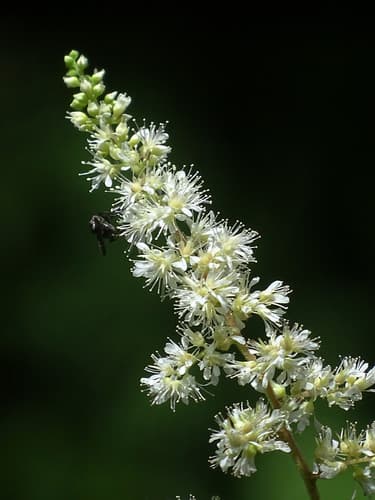
Toxicity unknown
Chinese Astilbe (Astilbe longicarpa) is not listed by the ASPCA Animal Poison Control Center (opens in new tab) or the other sources we check, so we have no verdict for it either way. Absence from those lists is not a clearance. If your pet shows symptoms after eating any plant, call the ASPCA at (888) 426-4435.
Light
part shade
Water
high
Size
12"–24" H × 12"–18" W
Bloom
Jun, Jul, Aug
Pollinators
bees
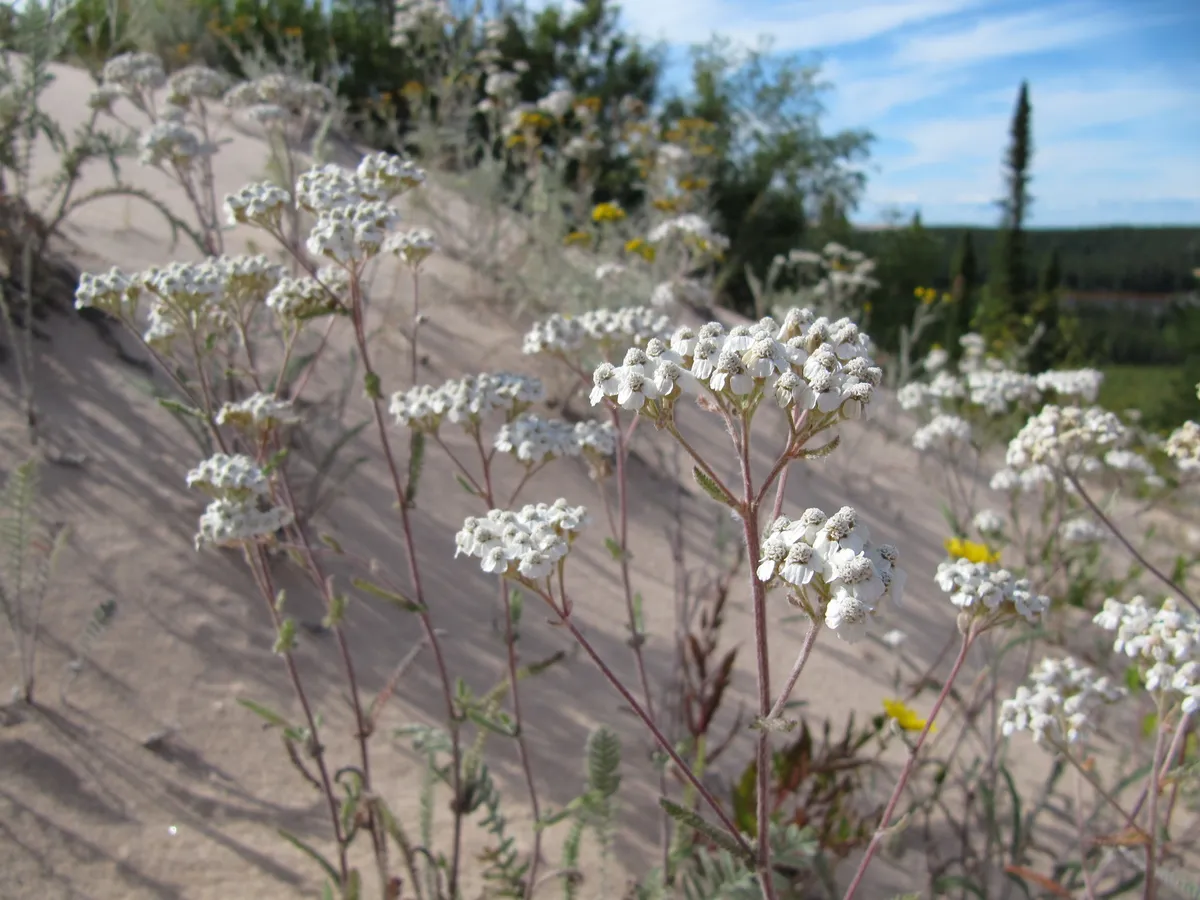
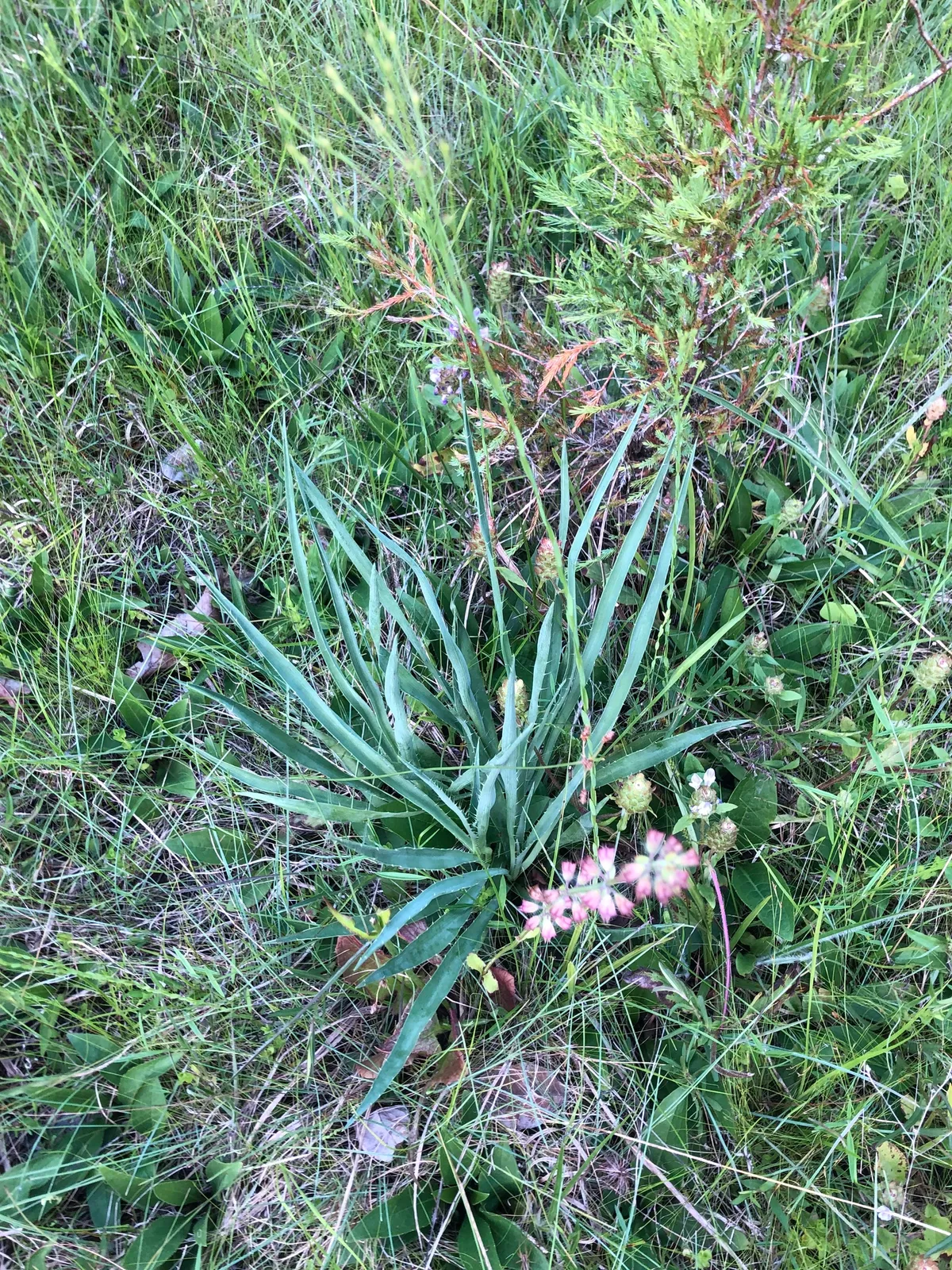
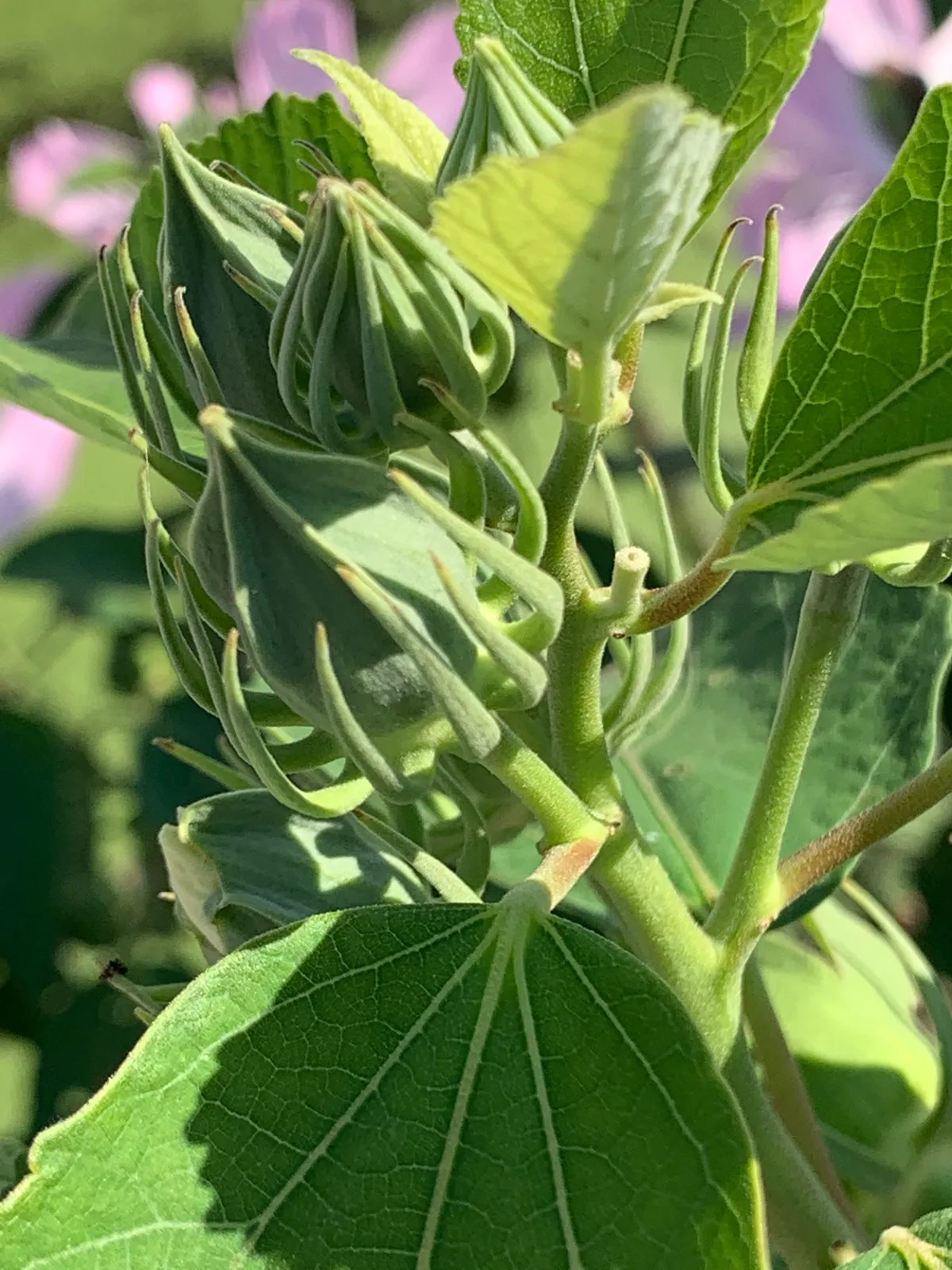
Native alternatives to Chinese Astilbe
Chinese Astilbe is not native to the United States. These natives fill a similar role in a planting, matched on bloom season, bloom color and mature size.
Before you buy
Your city may pay you to plant this
Cities and water utilities offer rebates for replacing lawn with native and water-wise plants. We track 452 programs across 44 states, each with a link to the provider and the date we last checked it.
Find rebates in your areaA shade-loving perennial grown for its feathery plumes held above finely divided, fern-like foliage. Thrives in consistently moist, well-drained soil and is commonly used in shaded borders and woodland-style plantings.
How to care for Chinese Astilbe, by region
How to care for Chinese Astilbe where it is actually grown: year-round basics plus what to do each season, region by region, with the sources for each.
Care guidance last updated: September 2026
Piedmont (includes Atlanta, GA)
Year-round
Chinese astilbe belongs to the Astilbe genus, of Asian origin, grown as a shade perennial for its clumps of finely divided, fern-like foliage topped with feathery flower plumes. In the Atlanta area it does best in part shade to shade with consistently moist soil.
- Prefers shady, consistently moist sites; it can take more sun only with steady irrigation, which matters through Atlanta's hot, humid summers (NC State Extension Gardener Plant Toolbox).
- Astilbe height commonly runs 24 to 36 inches, though some varieties reach up to 4.5 feet; space beds accordingly (NC State Extension Gardener Plant Toolbox).
- Attracts butterflies and is generally resistant to deer and rabbit browsing, which keeps damage low in a shaded bed (NC State Extension Gardener Plant Toolbox).
- Wants soil that never fully dries out; a spot near a downspout or shaded low area works well in the Piedmont's clay soils.
The clumping habit and neat, fern-like foliage read as an intentional shade bed feature, a good fit for a foundation planting on the north or east side of a house.
Fall
Fall is cleanup and preparation for astilbe as foliage begins to die back with cooler temperatures in the Atlanta area.
- Leave foliage in place until it fully browns; it keeps photosynthesizing and feeding the roots into early fall.
- Cut back dead foliage once it has fully browned, or leave a short stubble over winter for a bit of texture.
- Fall is a good time to divide and transplant crowded clumps while the soil is still workable.
- Add a layer of mulch after the first hard frost to protect the crown through the Piedmont's cold snaps.
Cutting back browned foliage before the first frost keeps the bed looking tended rather than collapsed and messy.
Winter
Astilbe is fully dormant in winter in the Atlanta area, with care limited to protecting the crown through cold snaps.
- Keep a light mulch layer over the crown to buffer the Piedmont's occasional hard freezes.
- Avoid walking on or compacting the bed while the plant is dormant, since the shallow root system is sensitive to compaction.
- This is a low-maintenance season; no watering is needed unless the winter turns unusually dry.
- Plan any bed expansion or new plantings now so they are ready to go in as soon as spring growth starts.
A tidy mulch layer over a dormant bed still reads as intentional rather than neglected during the winter months.
Spring
Spring is when Chinese astilbe breaks dormancy and its fern-like foliage fills back in ahead of the season's bloom in the Atlanta area.
- Divide overcrowded clumps just as new growth emerges if the center has started to thin out.
- Refresh mulch around the crown to hold spring moisture as temperatures climb.
- Watch for slug damage on tender new foliage, especially after rainy spells.
- This is the best time to plant new astilbe, giving roots a full season to establish before summer heat.
A fresh mulch layer and full foliage in spring keep the shade bed looking cared for as the rest of the yard wakes up.
Summer
Summer brings astilbe's feathery flower plumes, but Atlanta's heat and humidity make consistent moisture the main job this season.
- Water deeply during dry spells; astilbe foliage scorches and browns quickly once the soil dries out (NC State Extension Gardener Plant Toolbox).
- Keep plants out of afternoon sun where possible, since part shade to shade limits the moisture demand in peak heat.
- Deadhead spent plumes once flowering finishes to keep the bed tidy, though it is optional since the seed heads are not a nuisance.
- A layer of mulch through summer helps the shallow root system stay cool and moist.
Consistent watering keeps the foliage lush and green through summer instead of crisping at the edges, which is what reads as neglected to a passerby.
Want these tasks as reminders timed to your yard? Pollinator Patch turns this guidance into a season-by-season care plan for the plants you actually grow.
In an HOA neighborhood
Chinese Astilbe is an HOA-friendly choice. Maintenance level: low. Tidiness: 4 out of 5.
Works well in: shaded border, foundation planting, woodland garden.
Wildlife value
Provides nectar for some pollinating insects during its bloom period, though it is not a major wildlife food source.
Common questions
- How much sun does Chinese Astilbe need?
- Chinese Astilbe grows best in part shade conditions.
- When does Chinese Astilbe bloom?
- Chinese Astilbe blooms in June, July, and August.
- What pollinators does Chinese Astilbe attract?
- Chinese Astilbe draws bees.
- Is Chinese Astilbe HOA-friendly?
- Chinese Astilbe is generally an HOA-friendly choice in the right placement, with low maintenance.
Pollinator and host plant associations compiled from GBIF, iNaturalist, and published ecological literature.
If something looks wrong
Common plant problems, and what to check first
These come up on almost any plant. Each guide lists the likely causes in the order they are worth ruling out, with one thing to check before you act on any of them, and links to the source it came from.
- It is dying right after planting
- Leaves turning yellow
- Wilting even though I watered it
- Brown crispy leaf tips
- Bugs on the plant
Ready to grow Chinese Astilbe? Add it to your garden in Pollinator Patch to track it and get season-by-season care guidance.
Planning a bed around it? Start a free plan with this plant
Not sure where to start? Take the 2-minute yard quiz