Common Balm
Melissa officinalis
Last reviewed: October 2026
Common Balm (Melissa officinalis) is a perennial forb. It blooms in June, July, and August. The flowers draw bees and butterflies.
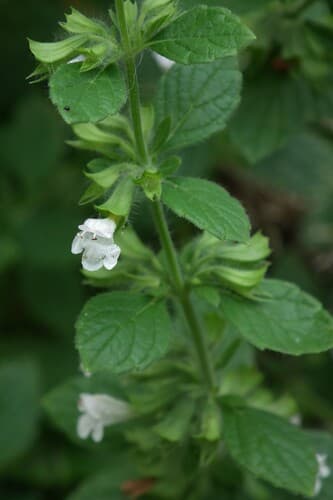
Common Balm (Melissa officinalis) is not on the ASPCA Animal Poison Control Center toxic plant list for dogs or cats (aspca.org (opens in new tab), last reviewed 2026-05-21). If your pet shows symptoms after eating any plant, call the ASPCA at (888) 426-4435.
Light
part sun
Water
medium
Size
12"–24" H × 12"–24" W
Bloom
Jun, Jul, Aug
Pollinators
bees, butterflies
Native alternatives to Common Balm
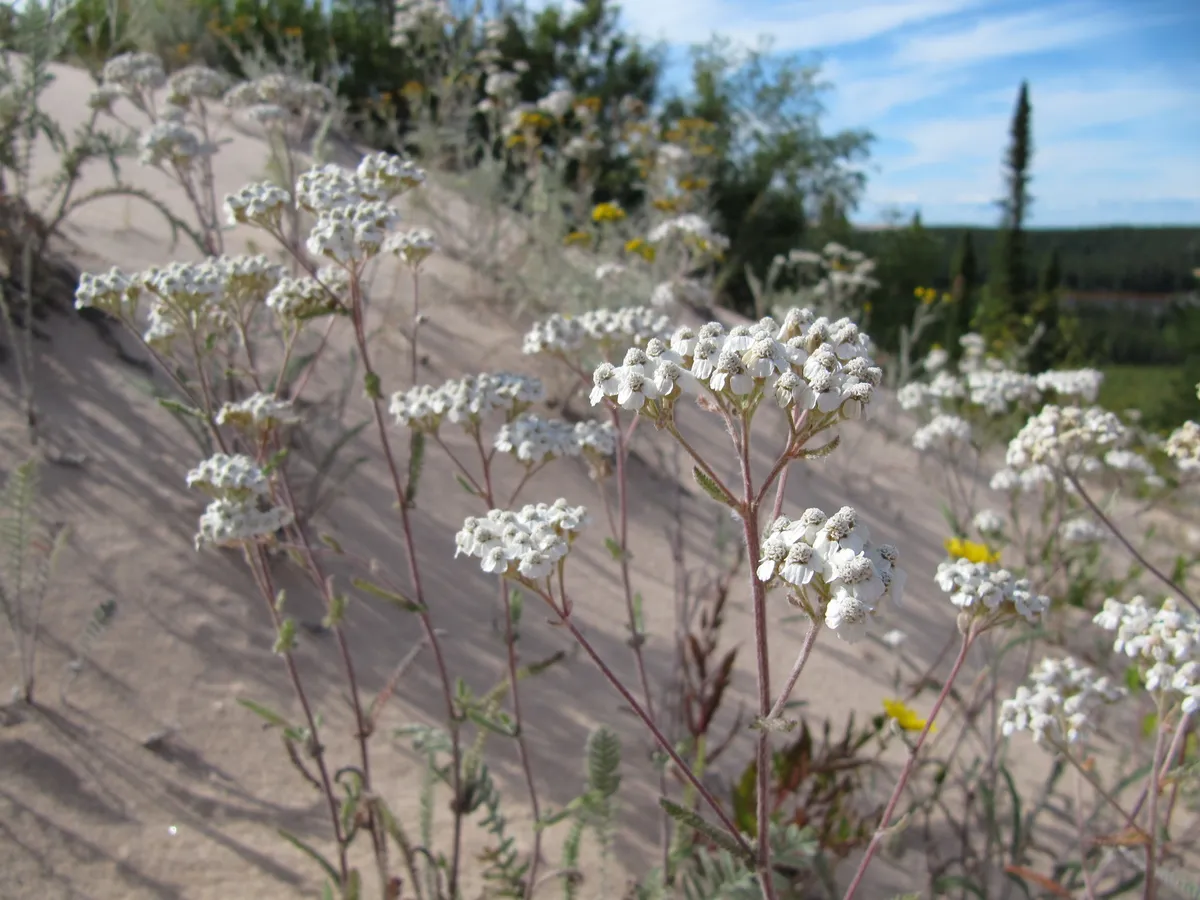
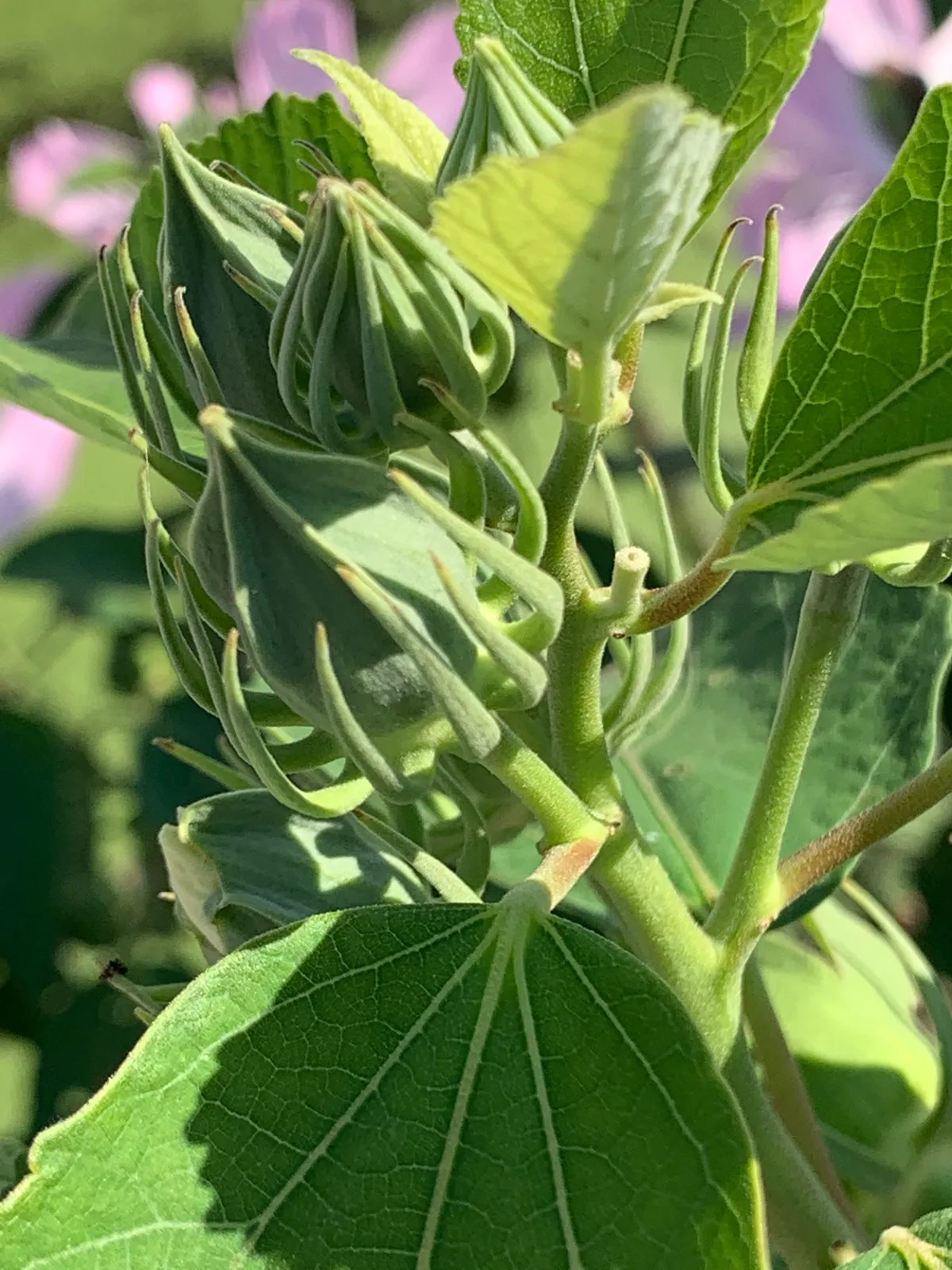
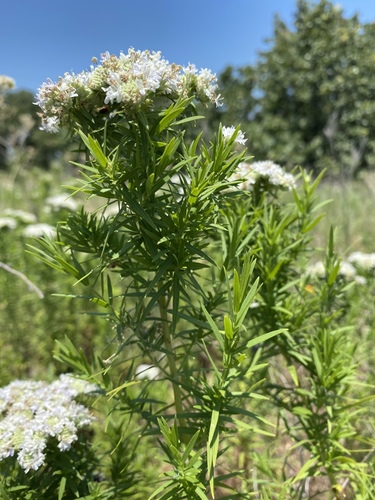
Common Balm is not native to the United States. These natives fill a similar role in a planting, matched on bloom season, bloom color and mature size.
Before you buy
Your city may pay you to plant this
Cities and water utilities offer rebates for replacing lawn with native and water-wise plants. We track 459 programs across 44 states, each with a link to the provider and the date we last checked it.
Find rebates in your areaPicture natives in your own yard
Wondering what could grow where Common Balm is now? Upload a photo of the spot and Patch Vision shows a rendering of it replanted with natives for your region.


Common balm is a fragrant herb with soft, textured leaves and small white or pale pink flower spikes in summer. This compact perennial forms neat clumps and releases a pleasant lemon scent when brushed against. It spreads moderately but is easy to contain with occasional division.
Growing Common Balm
Grow Common Balm in part sun and medium water. Mature plants reach 12 to 24 inches tall and spread 12 to 24 inches wide. Expect moderate maintenance to keep it looking intentional in a front yard.
How to care for Common Balm, by region
How to care for Common Balm where it is actually grown: year-round basics plus what to do each season, region by region, with the sources for each.
Care guidance last updated: September 2026
Piedmont (includes Atlanta, GA)
Year-round
Lemon balm care basics for the Atlanta area: a non-native mint-family herb that is easy to grow but spreads fast if left uncontained.
- Lemon balm is a Mediterranean and southern European herb in the mint family. It is not native to Georgia or North America, so it is grown here as a garden herb rather than a native planting.
- It grows about 2 to 3 feet tall and wide, in full sun to part shade. In the Atlanta area's hot summers, a little afternoon shade helps it look its best.
- It tolerates poor soil and short dry spells once established, so it does not need frequent watering.
- Small white flowers appear through summer into fall. It spreads by both seed and underground runners and can take over a bed quickly, so growing it in a pot or a bed with a buried root barrier keeps it in place.
- On the ASPCA's plant list, lemon balm is listed as not on the ASPCA toxic plant list for dogs, cats, and horses.
A tidy pot of lemon balm by the door or on a patio reads as an intentional herb garden, which keeps it HOA-friendly even in a highly visible front yard.
Fall
Fall care in the Atlanta area centers on the first frost, deadheading to limit self-seeding, and a light cutback before winter.
- In the Atlanta area, lemon balm keeps growing until the first fall frost, which typically arrives in mid-November.
- Deadhead spent flower spikes if you want to reduce self-seeding before the seed pods mature and drop.
- A light cutback after bloom keeps the plant from getting leggy going into winter.
- This is a good time to pot up a start for a sunny windowsill if you want fresh leaves through winter.
Winter
Lemon balm dies back to the ground for winter in the Atlanta area, but the roots are hardy through typical Georgia winters with light mulch protection.
- Lemon balm dies back to the ground with winter cold in the Atlanta area, but the roots are hardy through typical Georgia winters.
- A couple inches of mulch over the root zone helps protect it through occasional hard freezes.
- Skip watering and fertilizing while the plant is dormant.
- If you potted a start indoors in fall, keep it in a sunny window for fresh leaves through winter.
Spring
Spring in the Atlanta area is when lemon balm resumes growth from the roots and when self-sown seedlings are easiest to spot and remove.
- In the Atlanta area, new growth typically resumes from the roots by mid to late March once nights warm up.
- Cut back any winter-damaged stems to a couple inches so fresh growth comes in clean.
- This is a good window to divide a container-grown clump or move a plant, since it is still small and easy to handle.
- Check the edges of the bed. Spring is when self-sown seedlings show up furthest from the parent plant, so pull any you do not want early.
Summer
Summer is lemon balm's peak growing and bloom season in Atlanta, with afternoon shade and regular harvesting keeping it tidy through the heat.
- Small white flowers appear through the summer. Established plants keep blooming into fall.
- Afternoon shade helps prevent leaf scorch during Atlanta's hottest, most humid weeks.
- Water during extended dry spells. It tolerates some drought once established but looks best with steady moisture in July and August heat.
- Harvest and pinch back stems regularly for tea or cooking. Frequent cutting keeps the plant tidier and slows seed set, which helps control its spread.
Sources: ASPCA Toxic and Non-Toxic Plants: Lemon Balm, USDA ARS GRIN-Global Taxonomy: Melissa officinalis L., NC State Extension Gardener Plant Toolbox: Melissa officinalis
In an HOA neighborhood
Common Balm takes more care to keep looking intentional in a front yard. Maintenance level: moderate. Consider it for backyard or mid-zone beds rather than the street edge.
Works well in: backyard only.
- Appears weedy and informal to most HOAs
- Can spread aggressively if not managed
- Dies back completely in winter leaving bare spots
Wildlife value
The summer flowers are excellent for bees and attract various butterflies. The long blooming period from June through August provides consistent nectar when many spring flowers have finished.
Common questions
- When does Melissa officinalis bloom?
- Lemon balm typically flowers from June through August, producing small clusters of pale white blooms along its square stems.
- What pollinators are attracted to lemon balm?
- Bees and butterflies regularly visit the small flowers of Melissa officinalis for nectar during its summer bloom period.
- What light and water conditions does lemon balm need?
- It performs best in part sun with medium, evenly moist soil, though it can tolerate brighter full sun spots or drier stretches once established.
- What type of plant is Melissa officinalis?
- It is a herbaceous forb in the mint family, dying back to the ground each winter and returning from its root system in spring.
- Is Common Balm toxic to dogs?
- Common Balm is not on the ASPCA Animal Poison Control Center toxic plant list for dogs (aspca.org).
- Is Common Balm toxic to cats?
- Common Balm is not on the ASPCA Animal Poison Control Center toxic plant list for cats (aspca.org).
- Is Common Balm HOA-friendly?
- Common Balm takes more care to look intentional in a front yard. Consider it for backyard or mid-zone beds rather than the street edge.
These answers were drafted with an AI model from this plant's data. Verify care details with a local expert.
Pollinator and host plant associations compiled from GBIF, iNaturalist, and published ecological literature.
If something looks wrong
Common plant problems, and what to check first
These come up on almost any plant. Each guide lists the likely causes in the order they are worth ruling out, with one thing to check before you act on any of them, and links to the source it came from.
- It is dying right after planting
- Leaves turning yellow
- Wilting even though I watered it
- Brown crispy leaf tips
- Bugs on the plant
Ready to grow Common Balm? Add it to your garden in Pollinator Patch to track it and get season-by-season care guidance.