Common Pear
Pyrus communis
Last reviewed: October 2026

Toxicity unknown
Common Pear (Pyrus communis) is not listed by the ASPCA Animal Poison Control Center (opens in new tab) or the other sources we check, so we have no verdict for it either way. Absence from those lists is not a clearance. If your pet shows symptoms after eating any plant, call the ASPCA at (888) 426-4435.
The USDA PLANTS Database (opens in new tab) does not flag Common Pear as toxic to livestock.
Light
full sun
Water
medium
Size
240"–600" H × 240"–480" W
Bloom
Apr, May
Pollinators
bees
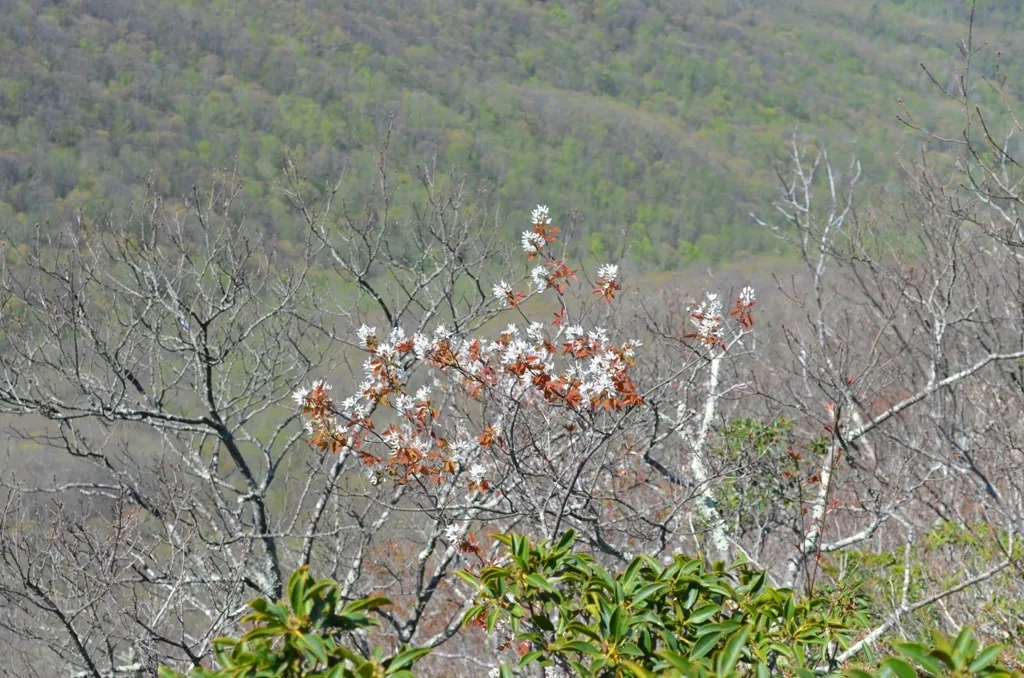
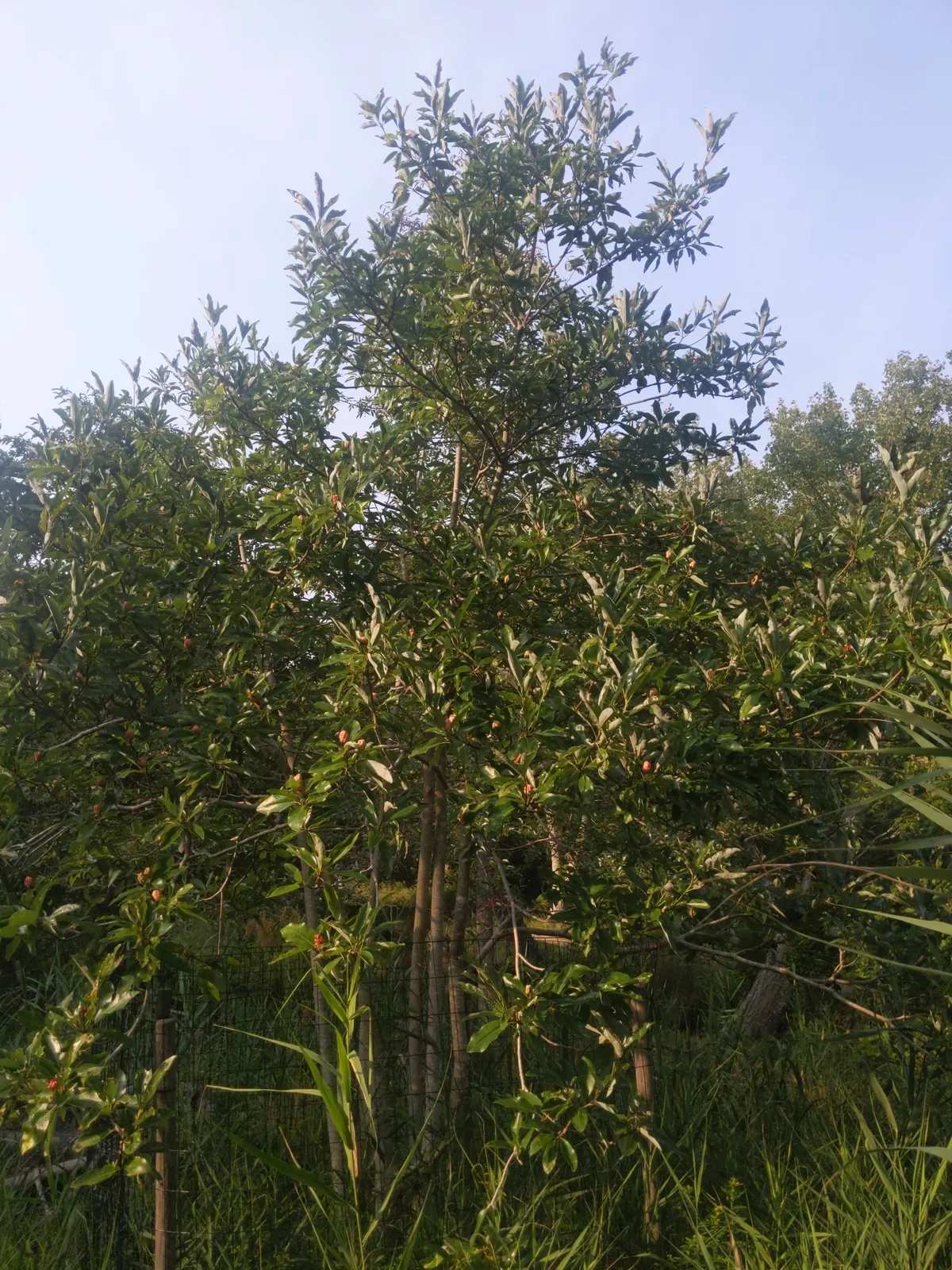
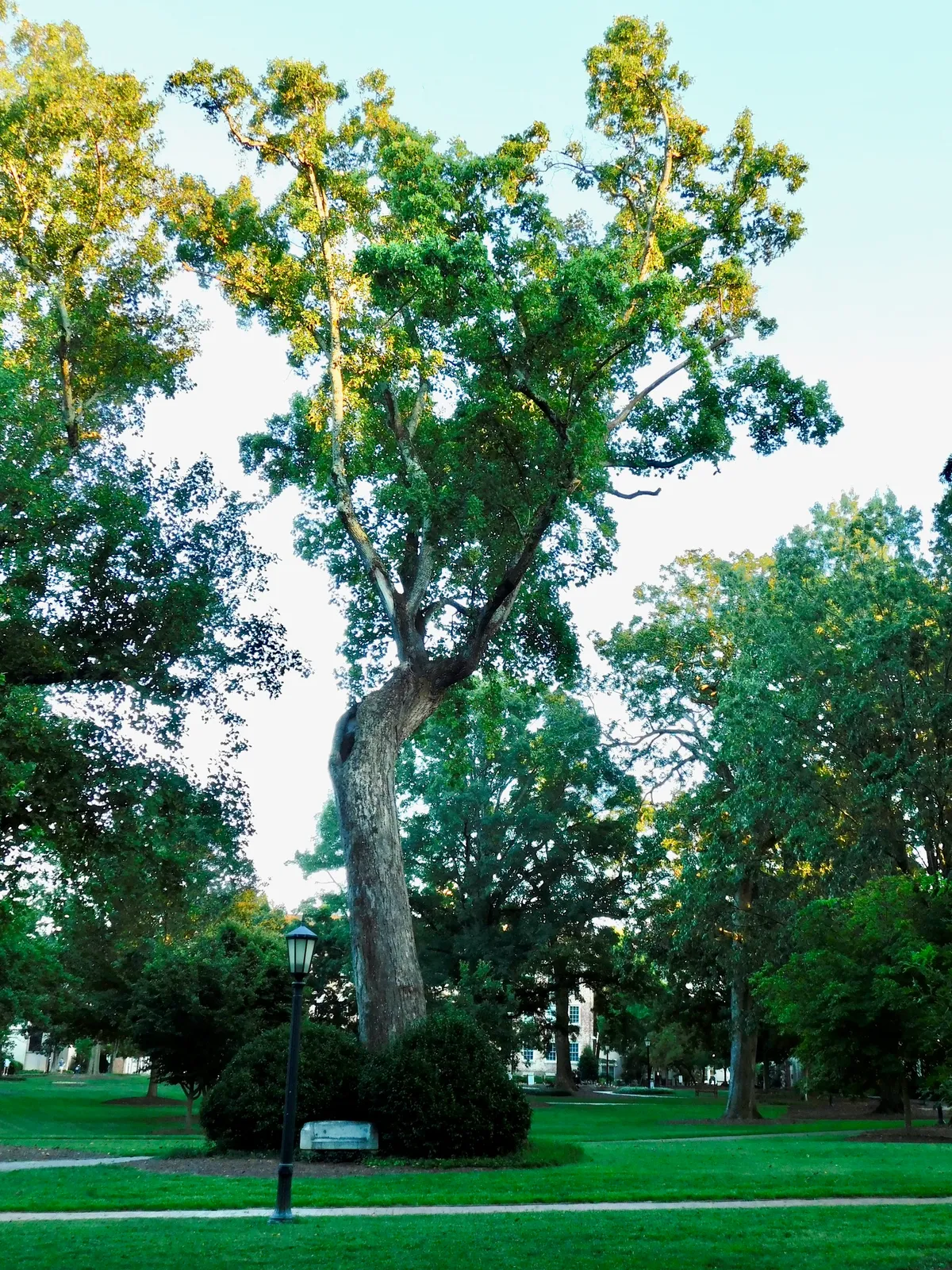
Native alternatives to Common Pear
Common Pear is not native to the United States. These natives fill a similar role in a planting, matched on bloom season, bloom color and mature size.
Before you buy
Your city may pay you to plant this
Cities and water utilities offer rebates for replacing lawn with native and water-wise plants. We track 459 programs across 44 states, each with a link to the provider and the date we last checked it.
Find rebates in your areaPicture natives in your own yard
Wondering what could grow where Common Pear is now? Upload a photo of the spot and Patch Vision shows a rendering of it replanted with natives for your region.


Common pear is a medium to large deciduous fruit tree that produces white flowers in spring followed by edible pears in late summer. It has an upright, spreading form with glossy green leaves that turn yellow to reddish in fall.
How to care for Common Pear, by region
How to care for Common Pear where it is actually grown: year-round basics plus what to do each season, region by region, with the sources for each.
Care guidance last updated: October 2026
Central California Foothills and Coastal Mountains (includes San Francisco, CA)
Year-round
A pear tree wants deep, infrequent watering and a shape that stays open to light and air. Fire blight is the big disease to watch for.
- Water at the drip line, not at the trunk, to avoid root and crown disease.
- Train an open center or modified vase shape in the first 2 to 3 years.
- Remove diseased wood right away and disinfect pruning tools.
- Leave the graft union 2 inches above the soil line when planting.
Keep the shape open and tidy so the tree reads as cared for from the street.
Fall
Ease off the water as the season winds down.
- Reduce watering in late summer and fall.
- Remove any diseased wood and disinfect tools after each use.
- Pears rarely need fruit thinning unless the crop is very heavy.
Winter
Winter is the planting and shaping window.
- Plant bare-root trees in winter or early spring while dormant.
- Dig a hole about 1.5 to 2 feet wide and 1.5 feet deep.
- On trees 6 to 8 years old or more, take out about one-fifth to one-third of the older fruit wood each year.
Spring
Spring is for feeding and watching new growth.
- Apply nitrogen in spring, or split it between spring and after harvest.
- If new leaves look small, a chelated zinc spray can help.
- Cut out any diseased wood right away and disinfect tools between cuts.
Summer
Summer is about deep, not frequent, water.
- Water established trees every 2 to 3 weeks, soaking 12 to 24 hours to reach 3 to 6 feet deep.
- Young trees may need 3 to 5 gallons a week.
- Skip light sprinkler watering, which keeps roots shallow.
Cross Timbers (includes Fort Worth, TX)
Year-round
Year-round care for common pear around Fort Worth, TX: choose a fire blight tolerant type, plant more than one variety, and grow at a moderate pace.
- Texas A&M says true European pears such as 'Bartlett', 'Bosc' and 'Anjou' are limited by fire blight almost everywhere in Texas. European hybrids like 'Kieffer' and 'Moonglow' were bred for resistance, though they vary.
- Pears are cross pollinated, so plant more than one variety with similar chilling needs.
- Pears handle heavy, wetter soil better than many fruit trees. In high-pH soil, some rootstocks show iron deficiency.
- Plant on an elevated site or hillside if you can. Air flow there lowers losses when a spring frost hits.
- Let the tree grow at a moderate pace rather than pushing it in the first few years, which lowers the fire blight risk.
Fall
Fall care for common pear around Fort Worth, TX: harvest European hybrids, and watch for decline.
- European hybrid pears ripen from late summer through mid-fall.
- Trees on alkaline soil can decline slowly in cool weather from cotton root rot, a soil disease with no known effective treatment. Texas A&M notes pears are very susceptible.
- Cotton root rot is more common on creek bottoms and spots where sediment settles than on upland sites.
- Be patient with young trees. Some European hybrids take 8 to 10 years to bear a first crop.
Winter
Winter care for common pear around Fort Worth, TX: train the structure while dormant, and match chill to the variety.
- Train a young tree to a central leader, one strong trunk with scaffold limbs every 3 to 4 feet, or to a modified central leader with three or four leaders.
- To lower fire blight risk, use weights to bend limbs outward rather than pruning to push side branching.
- When planting a new tree, cut the trunk back by about a third and keep the graft union above ground.
- Chilling needs vary. Asian and European hybrid cultivars typically need 200 to 800 hours below 45 F, while many true European pears need over 1,000 hours.
Spring
Spring care for common pear around Fort Worth, TX: watch blossoms and shoots for fire blight, protect against frost, and feed lightly.
- Check blossoms and shoot tips. Fire blight shows as water-soaked blossoms, wilted blackened leaves, and shoot tips that turn black and bend like a shepherd's crook.
- Rain during bloom can raise fire blight pressure, so look more often in wet springs.
- Pears bloom later than some other fruit, but a spring frost still cuts the crop in some years.
- Control weeds and give the tree ample water and small, frequent amounts of nitrogen.
Summer
Summer care for common pear around Fort Worth, TX: keep watching for fire blight and leaf spot, and cut out infected wood promptly.
- Heat and rain in summer can raise fire blight pressure. A gummy, amber ooze on bark or shoots is another sign of infection.
- If fire blight appears, cut out diseased wood at least 8 to 12 inches below the last sign of infection and haul it away from the trees.
- So the disease does not spread to other trees, disinfect pruning tools in a 10 percent bleach solution, then dry and oil them to prevent rust.
- Fabraea leaf spot can defoliate susceptible trees and pit the fruit in wet years. Removing infected tissue helps, and your county Extension office can advise further.
- Asian pears ripen in late summer.
Sources: Texas A&M AgriLife Extension: Texas Fruit and Nut Production: Pears (EHT-023)
Texas Blackland Prairies (includes Dallas, TX)
Year-round
Year-round care for common pear around Dallas, TX: choose a fire blight tolerant type, plant more than one variety, and grow at a moderate pace.
- Texas A&M says true European pears such as 'Bartlett', 'Bosc' and 'Anjou' are limited by fire blight almost everywhere in Texas. European hybrids like 'Kieffer' and 'Moonglow' were bred for resistance, though they vary.
- Pears are cross pollinated, so plant more than one variety with similar chilling needs.
- Pears handle heavy, wetter soil better than many fruit trees. In high-pH soil, some rootstocks show iron deficiency.
- Plant on an elevated site or hillside if you can. Air flow there lowers losses when a spring frost hits.
- Let the tree grow at a moderate pace rather than pushing it in the first few years, which lowers the fire blight risk.
Fall
Fall care for common pear around Dallas, TX: harvest European hybrids, and watch for decline.
- European hybrid pears ripen from late summer through mid-fall.
- Trees on alkaline soil can decline slowly in cool weather from cotton root rot, a soil disease with no known effective treatment. Texas A&M notes pears are very susceptible.
- Cotton root rot is more common on creek bottoms and spots where sediment settles than on upland sites.
- Be patient with young trees. Some European hybrids take 8 to 10 years to bear a first crop.
Winter
Winter care for common pear around Dallas, TX: train the structure while dormant, and match chill to the variety.
- Train a young tree to a central leader, one strong trunk with scaffold limbs every 3 to 4 feet, or to a modified central leader with three or four leaders.
- To lower fire blight risk, use weights to bend limbs outward rather than pruning to push side branching.
- When planting a new tree, cut the trunk back by about a third and keep the graft union above ground.
- Chilling needs vary. Asian and European hybrid cultivars typically need 200 to 800 hours below 45 F, while many true European pears need over 1,000 hours.
Spring
Spring care for common pear around Dallas, TX: watch blossoms and shoots for fire blight, protect against frost, and feed lightly.
- Check blossoms and shoot tips. Fire blight shows as water-soaked blossoms, wilted blackened leaves, and shoot tips that turn black and bend like a shepherd's crook.
- Rain during bloom can raise fire blight pressure, so look more often in wet springs.
- Pears bloom later than some other fruit, but a spring frost still cuts the crop in some years.
- Control weeds and give the tree ample water and small, frequent amounts of nitrogen.
Summer
Summer care for common pear around Dallas, TX: keep watching for fire blight and leaf spot, and cut out infected wood promptly.
- Heat and rain in summer can raise fire blight pressure. A gummy, amber ooze on bark or shoots is another sign of infection.
- If fire blight appears, cut out diseased wood at least 8 to 12 inches below the last sign of infection and haul it away from the trees.
- So the disease does not spread to other trees, disinfect pruning tools in a 10 percent bleach solution, then dry and oil them to prevent rust.
- Fabraea leaf spot can defoliate susceptible trees and pit the fruit in wet years. Removing infected tissue helps, and your county Extension office can advise further.
- Asian pears ripen in late summer.
Sources: Texas A&M AgriLife Extension: Texas Fruit and Nut Production: Pears (EHT-023)
In an HOA neighborhood
Common Pear takes more care to keep looking intentional in a front yard. Maintenance level: moderate. Consider it for backyard or mid-zone beds rather than the street edge.
Works well in: front yard, mid zone.
- Fallen fruit can create mess if not cleaned up
- May require regular pruning to maintain neat appearance
Wildlife value
The spring flowers attract bees and other pollinators, while the fruit provides food for birds and wildlife when allowed to ripen.
Common questions
- How much sun does Common Pear need?
- Common Pear grows best in full sun conditions.
- When does Common Pear bloom?
- Common Pear blooms in April and May.
- Is Common Pear toxic to livestock?
- The USDA PLANTS Database does not flag Common Pear as toxic to livestock.
- What pollinators does Common Pear attract?
- Common Pear draws bees.
- Is Common Pear HOA-friendly?
- Common Pear takes more care to look intentional in a front yard. Consider it for backyard or mid-zone beds rather than the street edge.
Pollinator and host plant associations compiled from GBIF, iNaturalist, and published ecological literature.
If something looks wrong
Common plant problems, and what to check first
These come up on almost any plant. Each guide lists the likely causes in the order they are worth ruling out, with one thing to check before you act on any of them, and links to the source it came from.
- It is dying right after planting
- Leaves turning yellow
- Wilting even though I watered it
- Brown crispy leaf tips
- Bugs on the plant
Ready to grow Common Pear? Add it to your garden in Pollinator Patch to track it and get season-by-season care guidance.