Egyptian star-cluster
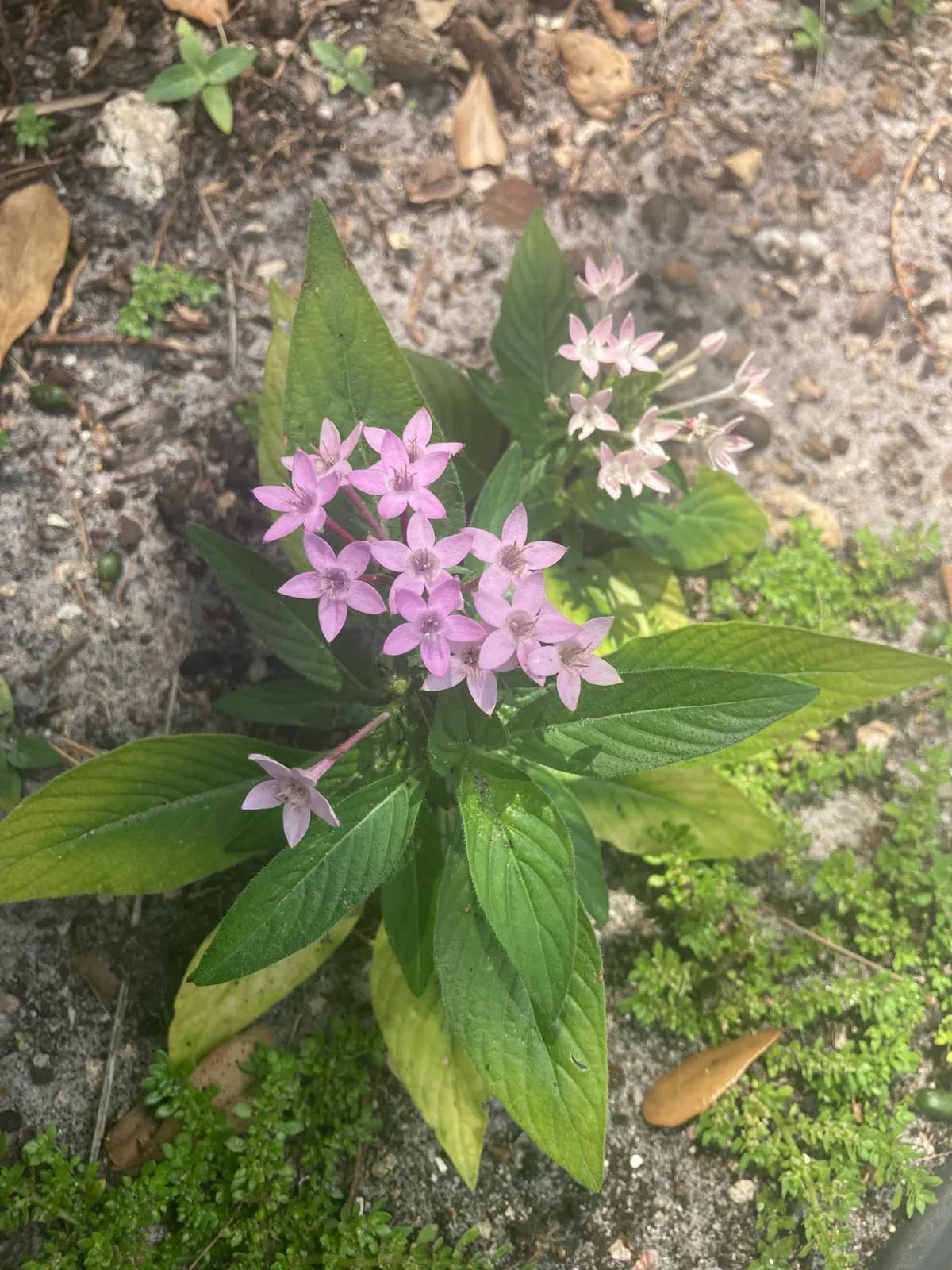
Pentas lanceolata
Last reviewed: October 2026
Toxicity unknown
Egyptian star-cluster (Pentas lanceolata) is not listed by the ASPCA Animal Poison Control Center (opens in new tab) or the other sources we check, so we have no verdict for it either way. Absence from those lists is not a clearance. If your pet shows symptoms after eating any plant, call the ASPCA at (888) 426-4435.
Light
full sun
Water
medium
Size
12"–36" H × 12"–24" W
Bloom
Apr, May, Jun, Jul, Aug, Sep, Oct, Nov
Pollinators
butterflies, hummingbirds, bees
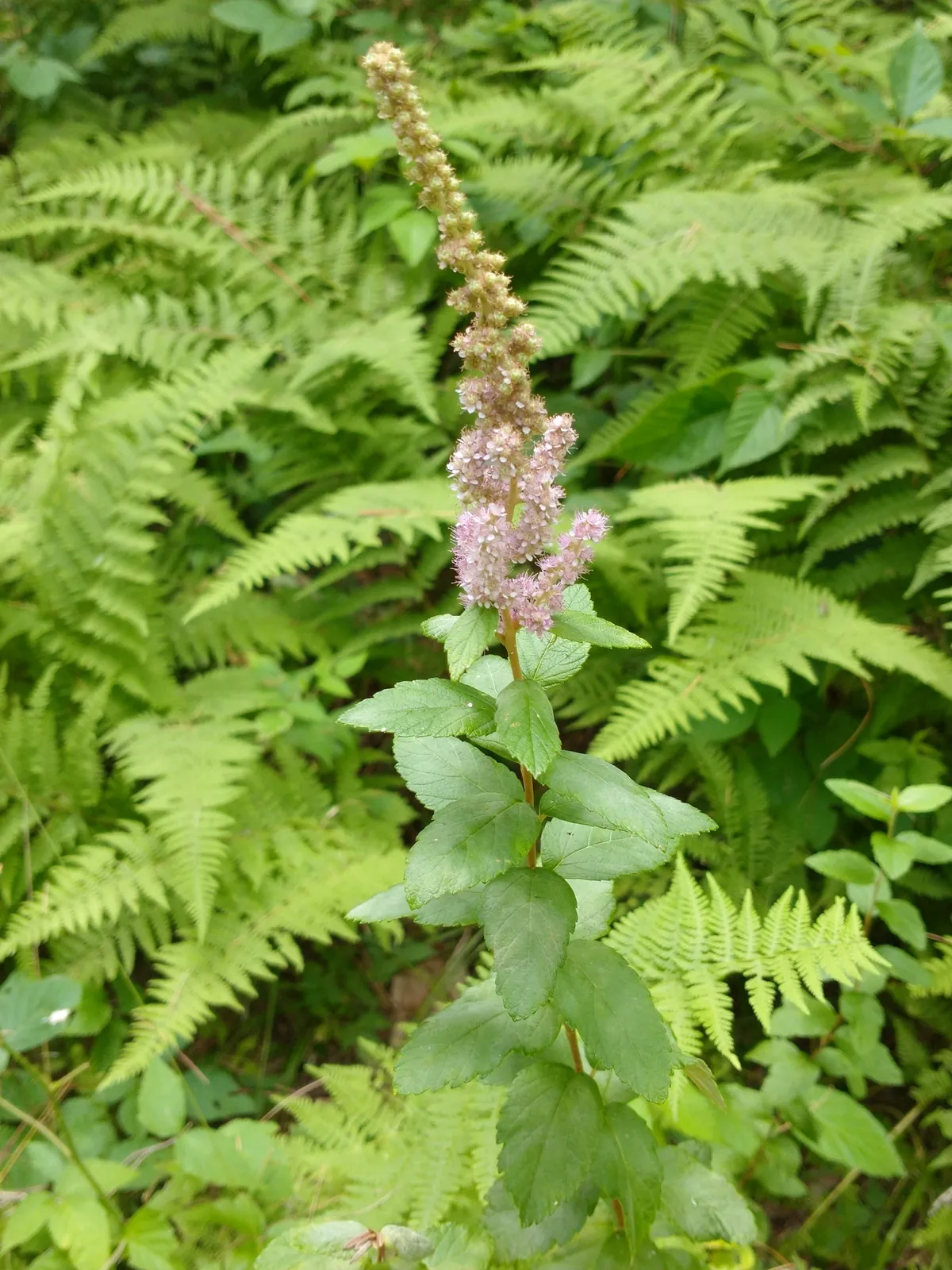
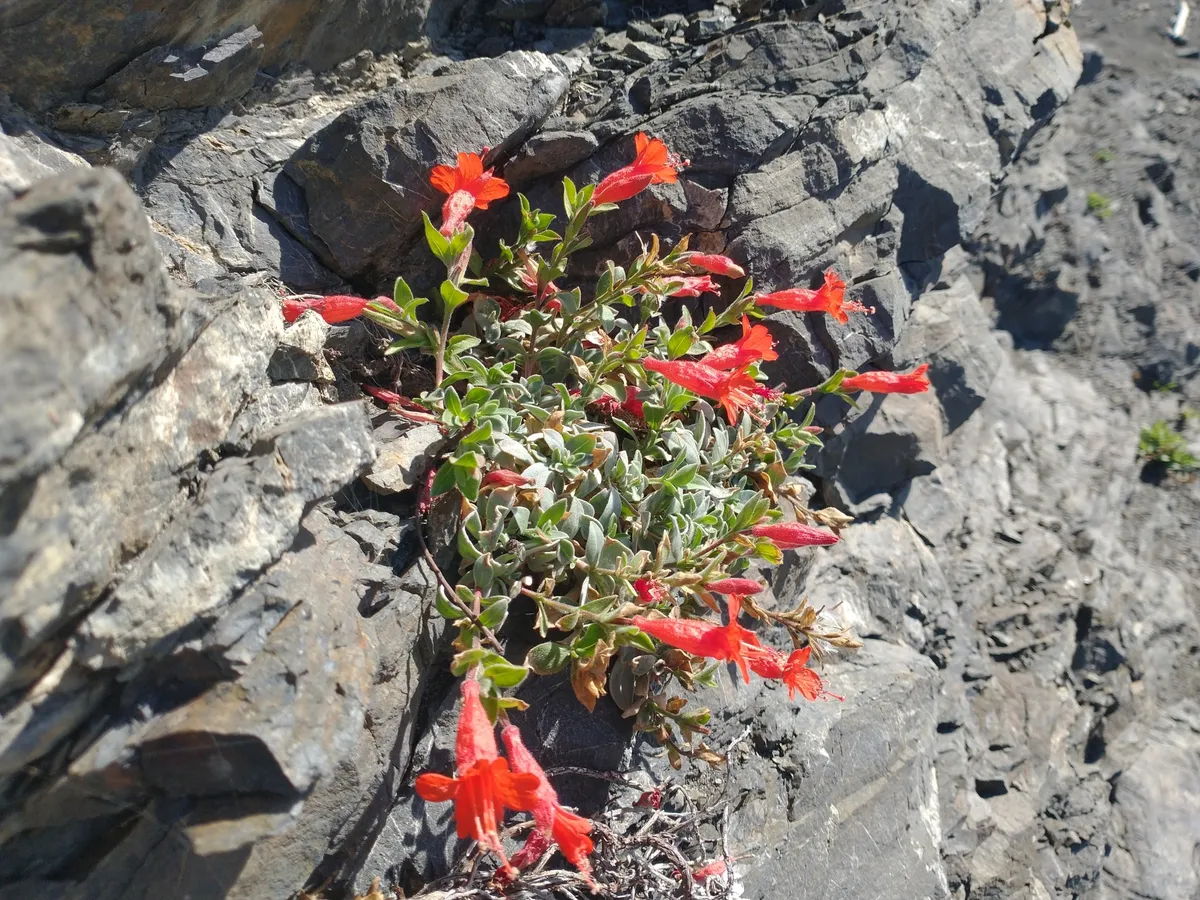
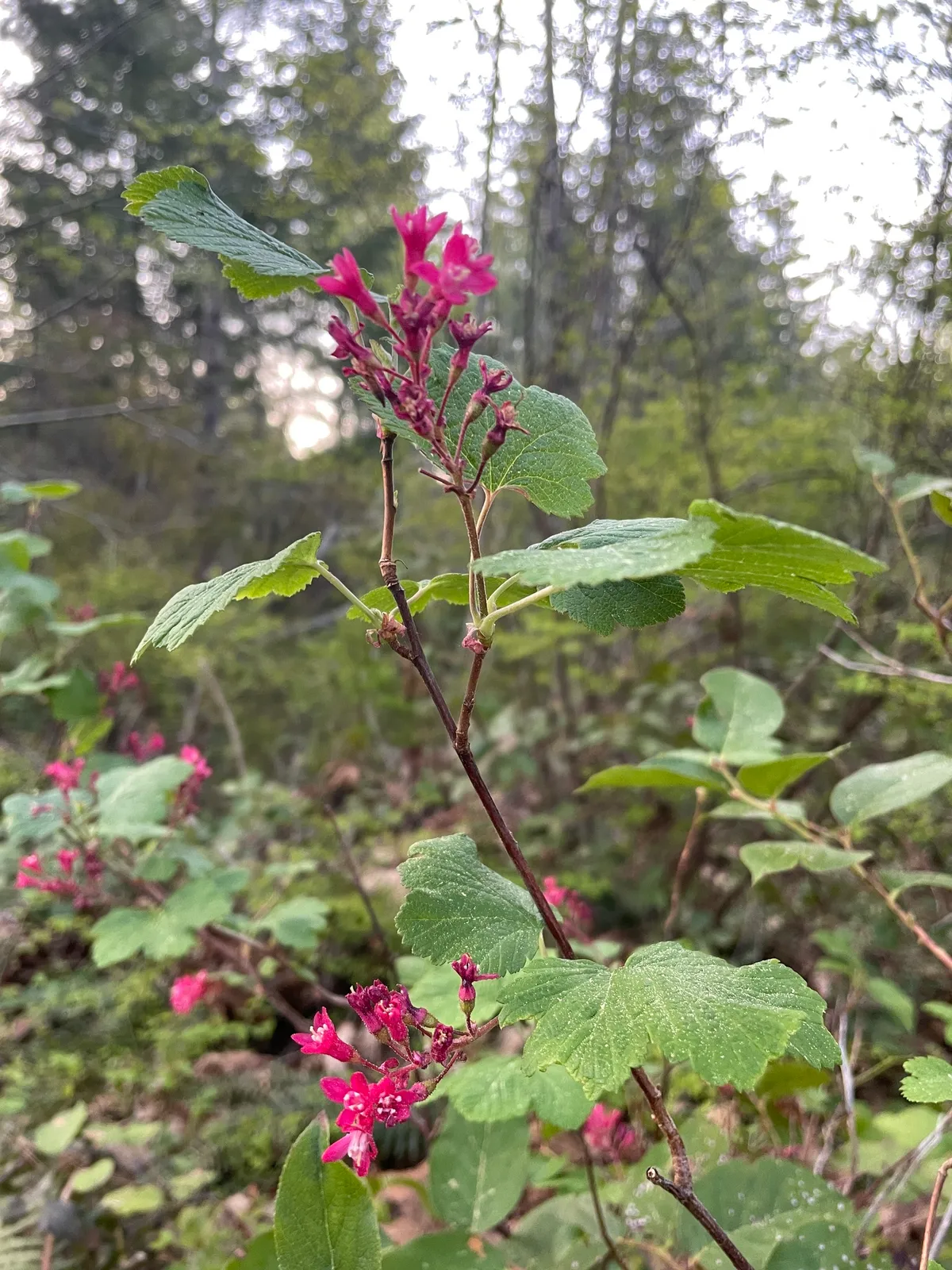
Native alternatives to Egyptian star-cluster
Egyptian star-cluster is not native to the United States. These natives fill a similar role in a planting, matched on bloom season, bloom color and mature size.
Before you buy
Your city may pay you to plant this
Cities and water utilities offer rebates for replacing lawn with native and water-wise plants. We track 458 programs across 44 states, each with a link to the provider and the date we last checked it.
Find rebates in your areaPicture natives in your own yard
Wondering what could grow where Egyptian star-cluster is now? Upload a photo of the spot and Patch Vision shows a rendering of it replanted with natives for your region.


A woody-based perennial with clusters of small, star-shaped flowers held above dark green, hairy leaves. Blooms almost continuously in warm weather, drawing steady pollinator traffic to the garden.
How to care for Egyptian star-cluster, by region
How to care for Egyptian star-cluster where it is actually grown: year-round basics plus what to do each season, region by region, with the sources for each.
Care guidance last updated: September 2026
Southern Coastal Plain (includes Orlando, FL)
Year-round
Egyptian star cluster comes originally from tropical Africa and Arabia, not from anywhere in Florida, but it grows as a reliable, near-constant-blooming perennial in the Orlando area's warm, humid climate. It rewards simple care with clusters of small, star-shaped flowers that draw butterflies and hummingbirds.
- Plant in full sun to light shade. It can flower on as little as two to three hours of direct sun a day, but full sun gives the most blooms.
- Use fertile, well-drained soil. Pentas tolerates Central Florida's sandy and clay soils but does poorly if the soil stays soggy.
- Water regularly during the growing season, letting the top inch of soil dry between waterings, and feed monthly in warm months for steady bloom.
- Spent flower clusters drop on their own in this climate, so pentas needs little to no manual deadheading to keep blooming.
Grown as a low, rounded bed filler or edging plant, pentas keeps a neat habit that reads as HOA-friendly front-yard color.
Fall
Fall in Orlando often still feels like summer for weeks, so Egyptian star cluster usually keeps blooming well into November. As nights start to cool, this is the time to ease off feeding and get ready for the season's first possible cold snap.
- Continue regular watering and sun exposure, since Orlando's growing season typically stays frost free until early winter.
- Taper off fertilizing in fall as growth naturally slows with shorter days and cooler nights.
- Start watching the extended forecast in late November. Even a light frost can damage pentas, so be ready to cover in-ground plants or bring container plants in if a cold night is predicted.
- To keep a favorite pentas through a hard freeze, UF/IFAS guidance for cooler parts of its range is to dig it up, cut it back, and overwinter it in a container of soil.
Winter
Winter in Orlando is usually mild, but Egyptian star cluster can still take damage in a hard freeze since it is a tropical plant at heart. Most established plants in this area come through winter by dying back and resprouting from the roots once the weather warms.
- On a night when frost or freeze is forecast, cover in-ground plants with a frost cloth or sheet, or bring potted pentas indoors or into a garage overnight.
- If cold damage does happen, leave the browned or blackened stems in place until after the last frost, since they help protect the crown, then cut back to green growth once new leaves appear in spring.
- Mulch around the base of the plant to insulate the roots. UF/IFAS notes a heavy mulch layer can help pentas make it through winter even at the colder edge of its range.
- Hold off on heavy watering and fertilizing in winter, since the plant's growth slows down with cooler temperatures and shorter days.
A frost-damaged pentas can look bare and brown at the front of a bed for a few weeks in winter. Leaving the dead stems until spring is a normal tradeoff, since cutting them back too early can kill the whole plant.
Spring
Spring in Orlando is when Egyptian star cluster starts its main growing push once the last cold snaps pass, typically by late February. This is the best time to plant new pentas or clean up any cold-damaged growth from winter.
- Wait until after Orlando's typical last frost window in mid to late February before planting new pentas outdoors or moving containers back outside.
- If a winter freeze browned or killed stems, cut the dead growth back to healthy green wood once new leaves appear, since pentas usually resprouts from its base in this climate.
- Work in a light application of balanced fertilizer as new growth starts, and begin regular watering as temperatures and rainfall pick up.
- A light spring shaping is fine, but avoid heavy, repeated trimming since flower production drops off when the plant is cut back too hard.
Summer
Summer is peak bloom season for Egyptian star cluster in Orlando, when heat and regular afternoon storms keep it flowering heavily. The main job this time of year is managing Central Florida's heavy rainfall so the roots do not sit in water.
- Plant in a spot with good drainage. Orlando's summer thunderstorms can leave low spots soggy, and pentas does not tolerate standing water at the roots.
- Once established, pentas has moderate drought tolerance, but during hot, dry stretches between storms give it a deep watering rather than frequent light sprinkles.
- Keep feeding monthly through the growing season to support heavy summer bloom.
- Because pentas keeps blooming through summer heat with little upkeep, it works well as a season-long color anchor in a front bed.
Pinching back leggy summer stems keeps the plant compact and full, which reads as tidy, HOA-friendly bedding rather than a sprawling look.
Sources: UF/IFAS EDIS: Pentas lanceolata, Pentas, Egyptian Starcluster (FP465), UF/IFAS Extension Charlotte County: Perennial pentas perform year-round
In an HOA neighborhood
Egyptian star-cluster is an HOA-friendly choice. Maintenance level: low. Tidiness: 4 out of 5.
Works well in: foundation bed, border planting, container.
Wildlife value
A dependable nectar source for butterflies thanks to its long, near-continuous bloom season. Hummingbirds visit regularly as well.
Common questions
- How much sun does Egyptian star-cluster need?
- Egyptian star-cluster grows best in full sun conditions.
- When does Egyptian star-cluster bloom?
- Egyptian star-cluster blooms in April, May, June, July, August, September, October, and November.
- What pollinators does Egyptian star-cluster attract?
- Egyptian star-cluster draws butterflies, hummingbirds, and bees.
- Is Egyptian star-cluster HOA-friendly?
- Egyptian star-cluster is generally an HOA-friendly choice in the right placement, with low maintenance.
Pollinator and host plant associations compiled from GBIF, iNaturalist, and published ecological literature.
If something looks wrong
Common plant problems, and what to check first
These come up on almost any plant. Each guide lists the likely causes in the order they are worth ruling out, with one thing to check before you act on any of them, and links to the source it came from.
- It is dying right after planting
- Leaves turning yellow
- Wilting even though I watered it
- Brown crispy leaf tips
- Bugs on the plant
Ready to grow Egyptian star-cluster? Add it to your garden in Pollinator Patch to track it and get season-by-season care guidance.