Fountain grass
Cenchrus setaceus
Last reviewed: October 2026
Toxicity unknown
Fountain grass (Cenchrus setaceus) is not listed by the ASPCA Animal Poison Control Center (opens in new tab) or the other sources we check, so we have no verdict for it either way. Absence from those lists is not a clearance. If your pet shows symptoms after eating any plant, call the ASPCA at (888) 426-4435.
Light
full sun
Water
low
Size
24"–48" H × 24"–48" W
Bloom
Jun, Jul, Aug, Sep, Oct
Native alternatives to Fountain grass
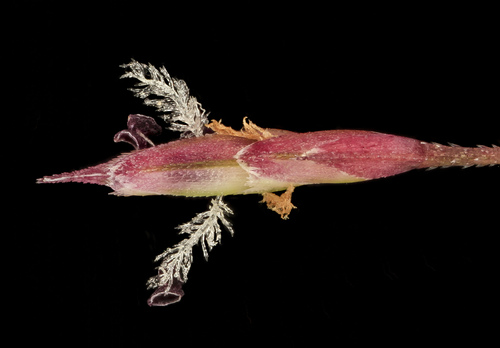
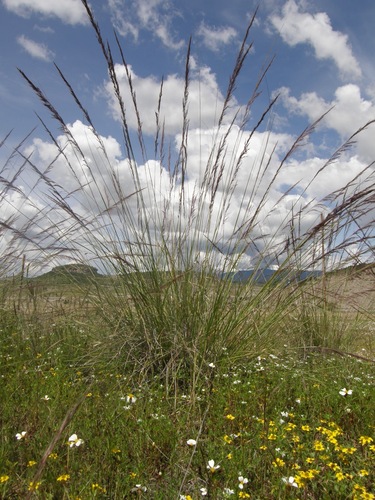
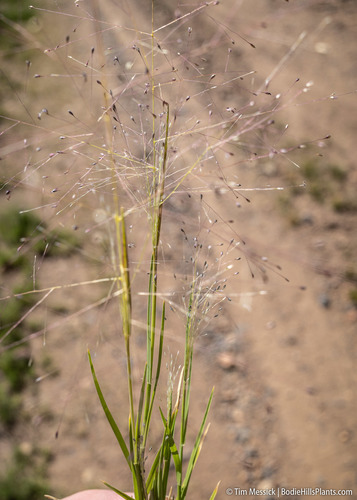
Fountain grass is not native to the United States. These natives fill a similar role in a planting, matched on bloom season, bloom color and mature size.
Before you buy
Your city may pay you to plant this
Cities and water utilities offer rebates for replacing lawn with native and water-wise plants. We track 458 programs across 44 states, each with a link to the provider and the date we last checked it.
Find rebates in your areaPicture natives in your own yard
Wondering what could grow where Fountain grass is now? Upload a photo of the spot and Patch Vision shows a rendering of it replanted with natives for your region.


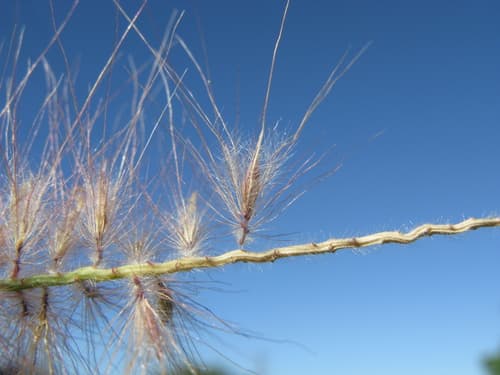
Clumping warm-season ornamental grass with fine arching leaves and soft, pink to purple bottlebrush plumes. Native to northeast Africa and the Arabian Peninsula, and known to self-seed readily in mild dry climates.
How to care for Fountain grass, by region
How to care for Fountain grass where it is actually grown: year-round basics plus what to do each season, region by region, with the sources for each.
Care guidance last updated: October 2026
Central California Foothills and Coastal Mountains (includes San Francisco, CA)
Year-round
Fountain grass is a clumping ornamental grass native to northern and eastern Africa, so it is an introduced plant here. It grows about 3 to 4 feet tall in full sun to part shade, tolerates drought, and spreads readily by seed. It is considered invasive in some southern west coast states.
- Give it full sun and soil that drains.
- Water deeply but rarely once established.
- Cut off the plumes before they shed seed to limit spread.
- Pull seedlings that appear outside the bed.
Deadheading the plumes keeps it tidy and keeps seedlings out of neighboring yards.
Fall
Fall is the last chance to stop seed from spreading.
- Cut remaining plumes and bag them.
- Pull seedlings after the first rains.
- Hold off on fertilizer.
Winter
The clump rests and needs little care.
- Rely on rain for water.
- Leave the dormant foliage until spring cutback if it looks tidy.
- Check that nothing has seeded nearby.
Spring
Spring is the time to cut the clump back and watch for seedlings.
- Cut old growth back to a few inches before new leaves emerge.
- Pull seedlings around the clump.
- Water new plants weekly until established.
Summer
Plumes appear and begin to set seed.
- Water deeply every one to two weeks if there is no rain.
- Remove plumes before they turn fluffy and shed seed.
- Do not compost seed heads.
In an HOA neighborhood
Fountain grass takes more care to keep looking intentional in a front yard. Maintenance level: moderate. Consider it for backyard or mid-zone beds rather than the street edge.
Works well in: container plantings, contained garden beds.
- Self-seeds and is considered invasive in some warm, dry regions; deadhead plumes before they shed seed.
Wildlife value
Seed heads are eaten by some birds. Little value to native pollinators and not a host plant for native insects in North America.
Common questions
- How much sun does Fountain grass need?
- Fountain grass grows best in full sun conditions.
- When does Fountain grass bloom?
- Fountain grass blooms in June, July, August, September, and October.
- Is Fountain grass HOA-friendly?
- Fountain grass takes more care to look intentional in a front yard. Consider it for backyard or mid-zone beds rather than the street edge.
Pollinator and host plant associations compiled from GBIF, iNaturalist, and published ecological literature.
If something looks wrong
Common plant problems, and what to check first
These come up on almost any plant. Each guide lists the likely causes in the order they are worth ruling out, with one thing to check before you act on any of them, and links to the source it came from.
- It is dying right after planting
- Leaves turning yellow
- Wilting even though I watered it
- Brown crispy leaf tips
- Bugs on the plant
Ready to grow Fountain grass? Add it to your garden in Pollinator Patch to track it and get season-by-season care guidance.