Purple muhly
Muhlenbergia rigida
Last reviewed: August 2026
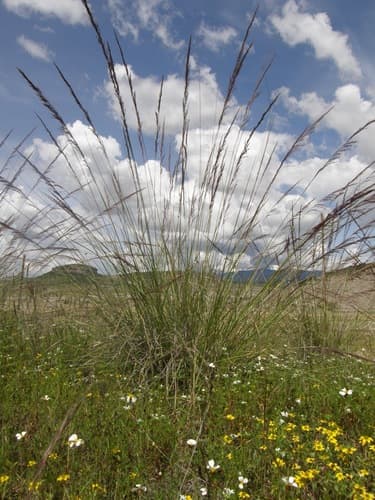
Purple muhly is a warm season bunchgrass that thrives in full sun and dry, well drained soil, sending up airy purple-tinged flower spikes from September through November across desert grasslands and rocky slopes.
Toxicity unknown
Purple muhly (Muhlenbergia rigida) is not listed by the ASPCA Animal Poison Control Center (opens in new tab) or the other sources we check, so we have no verdict for it either way. Absence from those lists is not a clearance. If your pet shows symptoms after eating any plant, call the ASPCA at (888) 426-4435.
Light
full sun
Water
low
Size
24"–36" H × 24"–36" W
Bloom
Sep, Oct, Nov
Native to
AZ, NM, TX
Before you buy
Your city may pay you to plant this
Cities and water utilities offer rebates for replacing lawn with native and water-wise plants. We track 459 programs across 44 states, each with a link to the provider and the date we last checked it.
Find rebates in your areaPicture natives in your own yard
Upload a photo of your yard and Patch Vision shows a rendering of it planted with natives for your region, like Purple muhly.


Browse plants for this ecoregion
An upright, clumping ornamental grass with narrow, stiff blue-green blades and tall, airy purple flower plumes that rise well above the foliage in fall. The nodding seed heads add movement and seasonal color as they mature and fade to tan. Forms a tidy, rounded clump with minimal care.
Growing Purple muhly
Grow Purple muhly in full sun and low water. Mature plants reach 24 to 36 inches tall and spread 24 to 36 inches wide. Expect low maintenance to keep it looking intentional in a front yard.
How to care for Purple muhly, by region
How to care for Purple muhly where it is actually grown: year-round basics plus what to do each season, region by region, with the sources for each.
Care guidance last updated: July 2026
Cross Timbers (includes Fort Worth, TX)
Year-round
Purple muhly is a bunching ornamental grass that puts on a dark purple to tan seed plume from September through November. It comes from dry, rocky high country in West Texas, New Mexico and Arizona, not from North Texas itself, so the main job here is giving it sharp drainage rather than extra feeding or water.
- Plant in full sun, at least 6 hours of direct light a day. It will flop over and bloom weakly in shade.
- It is not native to North Texas (its native range is West Texas, New Mexico and Arizona), so treat excellent drainage as the top priority instead of fertilizer or extra irrigation.
- In heavy black clay, plant it high on a slight mound or work expanded shale or coarse sand into the hole so roots do not sit in wet clay; in the sandier soils west of the metro it drains on its own but will need water more often through its first summer.
- Space clumps 18 to 24 inches apart. A mature clump reaches 2 to 3 feet tall and about as wide.
- Skip fertilizer. Rich soil makes the clump floppy and mutes the purple seed color.
Fall
Fall is purple muhly's showiest season. The seed plumes turn a rich dark purple starting in September and fade to a soft tan by November, its best-looking stretch in a North Texas yard.
- Let the seed plumes stand once they appear in September. Do not cut them back, this is the peak ornamental display.
- Fall is also a good time to divide an overcrowded clump, from October into November, while it is cool but before the mid November average first freeze.
- Cut back supplemental watering as temperatures drop. An established clump needs little to no extra water once fall rain arrives.
- The purple color is most vivid in the first two to three weeks after the plumes emerge in September, then it fades toward tan through November.
The purple to tan seed plumes read as an intentional ornamental grass display rather than a weed gone to seed, especially if the clump stays inside its bed edge.
Winter
Purple muhly goes dormant and tan through winter. The main task is one clean cutback before spring growth starts, not ongoing care.
- Leave the dried tan foliage and seed heads standing through winter. They add texture and give the crown some cold protection.
- Wait until late winter to early spring, once hard freezes have mostly passed, then cut the whole clump back to about 6 inches above the ground. Cutting too early raises the risk of freeze damage to the crown.
- Keep mulch off the crown itself during winter, a thin gravel layer around (not on top of) the base is enough.
- Do not water during dormancy unless the soil has been dry for several weeks with no rain. During a hard Arctic freeze, a newly planted (first year) clump benefits from a loose layer of mulch pulled up around, not on top of, the crown.
A clump left standing through winter and cut cleanly before spring keeps it reading as a maintained bed feature rather than neglected grass.
Spring
Spring is the right time to plant purple muhly in North Texas. It is a warm season grass that greens up and starts actively growing as the soil warms.
- Plant potted purple muhly from March through May, after the mid March average last frost, so roots get established before the July heat arrives.
- Water a new planting two to three times a week for the first six weeks, then taper off as roots take hold.
- In heavy black clay, dig the hole about twice as wide as the pot and set the crown slightly above grade so water drains away from it; in the sandier soils west of the metro, water a bit more often since it drains faster.
- If you did not cut back dried winter foliage already, do it now, down to 4 to 6 inches, before new blades emerge.
- Do not fertilize at planting. This grass prefers low fertility soil and does not need feeding to establish.
A freshly cut, low clump going into spring reads as a planned bed feature, not overgrown grass.
Summer
Once established, purple muhly is one of the more heat and drought tolerant grasses for a North Texas front yard. From June through August it needs little from you besides letting it dry out between waterings.
- An established clump (planted a full growing season or more ago) only needs a deep watering every 2 to 3 weeks during the 100F stretch. Watering more often makes it grow floppy and pale instead of upright.
- A clump planted this spring is not established yet and still needs a deep soak about once a week during the hottest weeks.
- Keep mulch and soil off the crown itself; a thin layer of gravel mulch around the base suits it better than a thick bark mulch piled against the stems.
- Skip fertilizer through summer. Feeding a heat stressed grass encourages weak growth at the worst time.
Sources: Lady Bird Johnson Wildflower Center - Muhlenbergia rigida, AgriLife Today - Gulf Muhly care guidance (genus-level care mechanics)
Texas Blackland Prairies (includes Dallas, TX)
Year-round
Purple muhly is a bunching ornamental grass that puts on a dark purple to tan seed plume from September through November. It comes from dry, rocky high country in West Texas, New Mexico and Arizona, not from North Texas itself, so the main job here is giving it sharp drainage rather than extra feeding or water.
- Plant in full sun, at least 6 hours of direct light a day. It will flop over and bloom weakly in shade.
- It is not native to North Texas (its native range is West Texas, New Mexico and Arizona), so treat excellent drainage as the top priority instead of fertilizer or extra irrigation.
- In heavy black clay, plant it high on a slight mound or work expanded shale or coarse sand into the hole so roots do not sit in wet clay; in the sandier soils west of the metro it drains on its own but will need water more often through its first summer.
- Space clumps 18 to 24 inches apart. A mature clump reaches 2 to 3 feet tall and about as wide.
- Skip fertilizer. Rich soil makes the clump floppy and mutes the purple seed color.
Fall
Fall is purple muhly's showiest season. The seed plumes turn a rich dark purple starting in September and fade to a soft tan by November, its best-looking stretch in a North Texas yard.
- Let the seed plumes stand once they appear in September. Do not cut them back, this is the peak ornamental display.
- Fall is also a good time to divide an overcrowded clump, from October into November, while it is cool but before the mid November average first freeze.
- Cut back supplemental watering as temperatures drop. An established clump needs little to no extra water once fall rain arrives.
- The purple color is most vivid in the first two to three weeks after the plumes emerge in September, then it fades toward tan through November.
The purple to tan seed plumes read as an intentional ornamental grass display rather than a weed gone to seed, especially if the clump stays inside its bed edge.
Winter
Purple muhly goes dormant and tan through winter. The main task is one clean cutback before spring growth starts, not ongoing care.
- Leave the dried tan foliage and seed heads standing through winter. They add texture and give the crown some cold protection.
- Wait until late winter to early spring, once hard freezes have mostly passed, then cut the whole clump back to about 6 inches above the ground. Cutting too early raises the risk of freeze damage to the crown.
- Keep mulch off the crown itself during winter, a thin gravel layer around (not on top of) the base is enough.
- Do not water during dormancy unless the soil has been dry for several weeks with no rain. During a hard Arctic freeze, a newly planted (first year) clump benefits from a loose layer of mulch pulled up around, not on top of, the crown.
A clump left standing through winter and cut cleanly before spring keeps it reading as a maintained bed feature rather than neglected grass.
Spring
Spring is the right time to plant purple muhly in North Texas. It is a warm season grass that greens up and starts actively growing as the soil warms.
- Plant potted purple muhly from March through May, after the mid March average last frost, so roots get established before the July heat arrives.
- Water a new planting two to three times a week for the first six weeks, then taper off as roots take hold.
- In heavy black clay, dig the hole about twice as wide as the pot and set the crown slightly above grade so water drains away from it; in the sandier soils west of the metro, water a bit more often since it drains faster.
- If you did not cut back dried winter foliage already, do it now, down to 4 to 6 inches, before new blades emerge.
- Do not fertilize at planting. This grass prefers low fertility soil and does not need feeding to establish.
A freshly cut, low clump going into spring reads as a planned bed feature, not overgrown grass.
Summer
Once established, purple muhly is one of the more heat and drought tolerant grasses for a North Texas front yard. From June through August it needs little from you besides letting it dry out between waterings.
- An established clump (planted a full growing season or more ago) only needs a deep watering every 2 to 3 weeks during the 100F stretch. Watering more often makes it grow floppy and pale instead of upright.
- A clump planted this spring is not established yet and still needs a deep soak about once a week during the hottest weeks.
- Keep mulch and soil off the crown itself; a thin layer of gravel mulch around the base suits it better than a thick bark mulch piled against the stems.
- Skip fertilizer through summer. Feeding a heat stressed grass encourages weak growth at the worst time.
Sources: Lady Bird Johnson Wildflower Center - Muhlenbergia rigida, AgriLife Today - Gulf Muhly care guidance (genus-level care mechanics)
In an HOA neighborhood
Purple muhly is an HOA-friendly choice. Maintenance level: low. Tidiness: 4 out of 5.
Works well in: front yard, foundation, street edge, mid zone.
Wildlife value
Fall seed plumes provide forage for birds, and the dense basal clump offers shelter for small wildlife.
Common questions
- How much water does Purple muhly need?
- Once established, this grass gets by on low water and prefers soil that dries out between waterings. It handles hot summers and periods of drought well, making it a good fit for xeric gardens.
- When does Purple muhly bloom?
- Flower spikes typically appear in fall, from September through November, giving the grass a soft purple haze at the end of the growing season.
- What light does Purple muhly need to grow well?
- It performs best in full sun. Dense shade tends to weaken the clump and reduce flowering.
- Does Purple muhly attract pollinators?
- As a wind pollinated grass, it does not rely on insects and is not typically listed as a pollinator plant.
- Is Purple muhly HOA-friendly?
- Purple muhly is generally an HOA-friendly choice in the right placement, with low maintenance.
These answers were drafted with an AI model from this plant's data. Verify care details with a local expert.
Native range data from vouchered herbarium specimen records and regional native plant society lists. Pollinator and host plant associations compiled from GBIF, iNaturalist, and published ecological literature.
If something looks wrong
Common plant problems, and what to check first
These come up on almost any plant. Each guide lists the likely causes in the order they are worth ruling out, with one thing to check before you act on any of them, and links to the source it came from.
- It is dying right after planting
- Leaves turning yellow
- Wilting even though I watered it
- Brown crispy leaf tips
- Bugs on the plant
Ready to grow Purple muhly? Add it to your garden in Pollinator Patch to track it and get season-by-season care guidance.