Giant hummingbird agastache
Agastache barberi
Last reviewed: September 2026
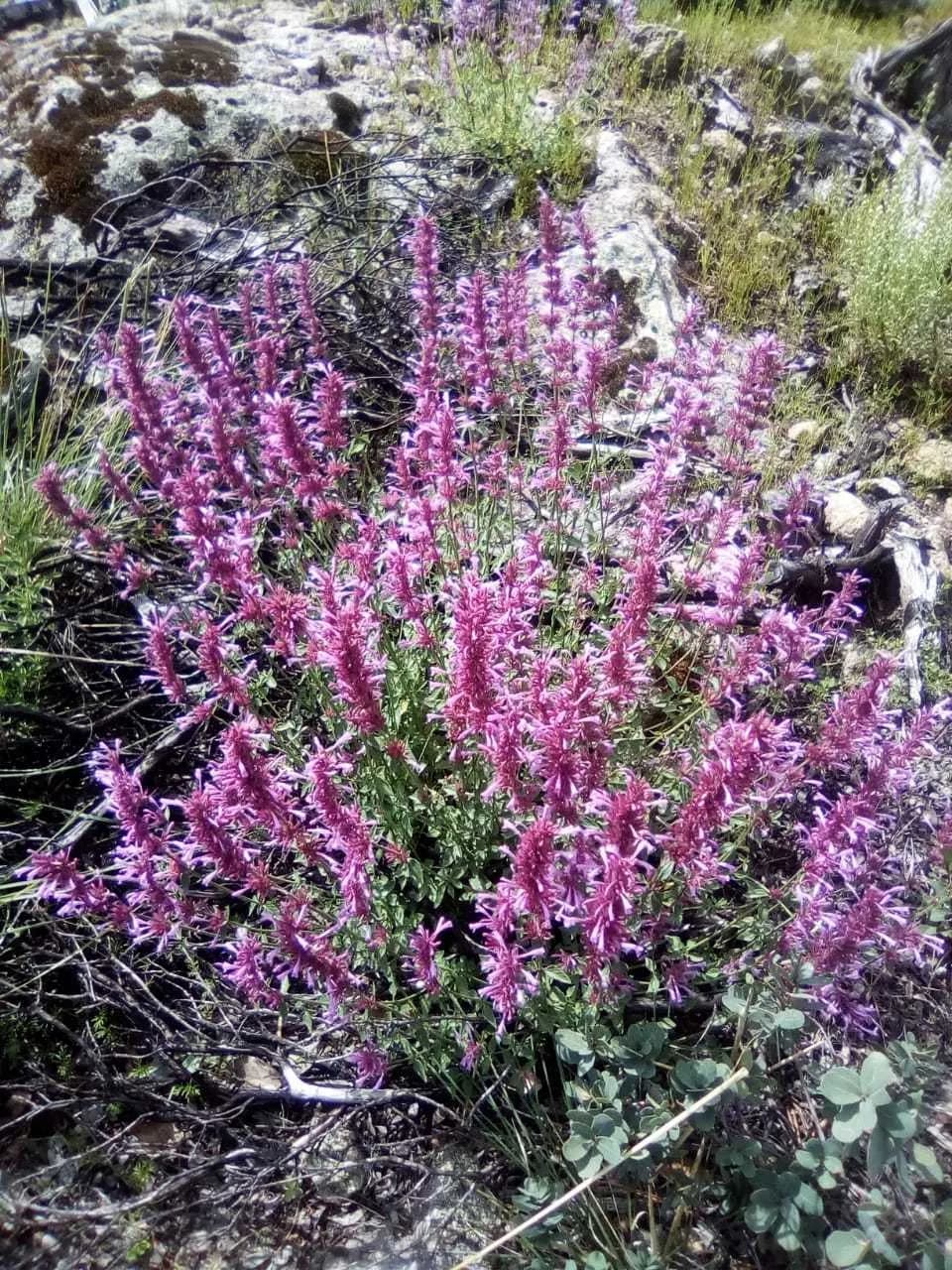
Giant hummingbird agastache (Agastache barberi) is a perennial forb native to AZ. It blooms in July, August, and September. The flowers draw hummingbirds, bumble bees, and butterflies.
Toxicity unknown
Giant hummingbird agastache (Agastache barberi) is not listed by the ASPCA Animal Poison Control Center (opens in new tab) or the other sources we check, so we have no verdict for it either way. Absence from those lists is not a clearance. If your pet shows symptoms after eating any plant, call the ASPCA at (888) 426-4435.
Light
full sun
Water
low
Size
24"–48" H × 18"–24" W
Bloom
Jul, Aug, Sep
Native to
AZ
Pollinators
hummingbirds, bumble bees, butterflies
Before you buy
Your city may pay you to plant this
Cities and water utilities offer rebates for replacing lawn with native and water-wise plants. We track 458 programs across 44 states, each with a link to the provider and the date we last checked it.
Find rebates in your areaAn upright perennial in the mint family with aromatic, toothed leaves and dense spikes of tubular, rose-pink flowers held above the foliage. Grows in dry canyons and mountain slopes, forming an open clump that spreads modestly by seed.
Growing Giant hummingbird agastache
Grow Giant hummingbird agastache in full sun and low water. Mature plants reach 24 to 48 inches tall and spread 18 to 24 inches wide.
How to care for Giant hummingbird agastache, by region
How to care for Giant hummingbird agastache where it is actually grown: year-round basics plus what to do each season, region by region, with the sources for each.
Care guidance last updated: August 2026
Cross Timbers (includes Fort Worth, TX)
Year-round
Agastache barberi (sometimes sold as Agastache pallida or hummingbird mint) is an upright, woody based perennial in the mint family. It is not native to North Texas but has proven to be a reliable, drought tolerant performer in Fort Worth and Dallas gardens once it has fast draining soil under it. Give it full sun and let the soil dry between waterings and it rewards you with months of magenta pink bloom spikes.
- Plant in full sun, at least 6 hours of direct light a day. Less sun means fewer flower spikes and a floppier, weaker plant.
- The single biggest factor in whether this plant survives is drainage, not cold. In Fort Worth's sandier Cross Timbers soil that often just means a slightly raised bed. In Dallas's heavier Blackland clay it usually means working in coarse sand, expanded shale, or decomposed granite and mounding the planting area a few inches so winter rain does not sit on the crown.
- Water deeply to help new plants establish, then back off. Once rooted in, it handles North Texas heat and dry spells with only occasional deep watering.
- Expect a mature clump around 3 to 5 feet tall and 18 to 24 inches wide, so give it room toward the back or middle of a bed and space new plants 18 to 24 inches apart.
- It is a strong nectar source for bees and butterflies, and hummingbirds visit the tubular flowers as well, so it earns its keep in a pollinator focused front yard bed.
Fall
Bloom carries into fall, and the plant keeps feeding pollinators right as the fall hummingbird migration moves through North Texas. The main fall task is restraint, do not cut it back hard.
- Flowering typically continues into October or later in Fort Worth and Dallas, offering late season nectar as hummingbirds pass through North Texas on their fall migration.
- Skip the hard fall cutback. Leave flower stems and foliage standing through the first freeze, which typically arrives in the DFW area by mid November, since the old growth insulates the crown over winter.
- If a tidier look is needed for a front yard bed, trim only the spent flower spikes rather than cutting the whole plant down.
- Once temperatures cool but before the ground gets cold, this is a reasonable window to divide or transplant an overcrowded clump.
A crisp, mowed edge around the standing stems reads as deliberate winter structure to most reviewers, rather than as an unmown bed, so edging matters more than cutting the plant down.
Winter
Winters in Fort Worth and Dallas (zone 8a) are usually mild enough for an established plant. The real winter risk is wet, cold soil sitting on the crown, not the cold itself.
- An established plant usually takes a normal North Texas winter without extra protection, though an occasional hard freeze or ice event can damage the crown if the soil is staying wet.
- Leave last season's stems standing through winter rather than cutting to the ground. The dead growth is the plant's main winter insulation.
- Skip winter watering unless the ground has been dry for an extended stretch. Wet, cold clay is a bigger threat to this plant than cold air temperatures.
- Ahead of a hard freeze warning, a layer of dry mulch or leaves pulled up around, not directly against, the crown adds extra insulation. Pull it back once temperatures moderate.
Bare upright stems through winter can look sparse from the curb. If that is a concern, trim them to a tidy 6 to 8 inches instead of removing them fully, which keeps some crown protection while still looking maintained.
Spring
Spring is for planting and patience. This plant is often one of the last perennials in a North Texas bed to show new growth, and its main spring risk is wet soil after cool season rain, not the cold itself.
- Do not assume the crown is dead if it is slow to leaf out. Agastache barberi commonly waits until well after the DFW area's average last frost in mid March, sometimes into April, before new growth appears at the base.
- Wait to cut back last year's stems until new growth is visible low on the plant. The old stems protect the crown through any late cold snap, so removing them too early trades winter protection for tidiness.
- Spring is the best planting window for new stock. Set plants out after the last frost so roots have time to establish before summer heat arrives.
- Go easy on fertilizer. A light layer of compost is enough. Rich soil and heavy nitrogen tend to produce tall, floppy growth that falls over in North Texas thunderstorms.
- Watch drainage closely during spring's heavier rain systems. Standing water after a wet spring, especially in Dallas's Blackland clay, is the most common way this plant is lost.
Summer
Summer is peak bloom and the plant's comfort zone. Once established it shrugs off North Texas heat, and regular deadheading keeps fresh flower spikes coming through the hottest months.
- Bloom typically runs from June into September in Fort Worth and Dallas, right when many other perennials are struggling with the heat.
- Deadhead spent flower spikes back to a lower set of leaves to encourage a fresh flush of blooms and to keep the plant from putting energy into seed instead of flowers.
- Deep, infrequent watering beats a light daily sprinkle. Once established, a soak every week to ten days during a dry stretch is usually enough.
- The flower spikes are a strong nectar source for bees and butterflies through the hottest months, and hummingbirds visit the tubular blooms as well.
- If Blackland clay stays soggy after a heavy summer storm, pull mulch back from the crown and let the soil dry out to head off rot.
Regular deadheading through summer keeps the bed looking tended and in continuous bloom rather than leggy, which matters most on a front facing planting.
Sources: Lady Bird Johnson Wildflower Center, Agastache pallida (synonym Agastache barberi) native range and characteristics, Perennials.com plant profile, Agastache barberi, NC State Extension Gardener Plant Toolbox, Agastache (Giant Hyssop, Hummingbird Mint), Xerces Society, Plants for Pollinators: Giant Hyssop (Agastache)
Texas Blackland Prairies (includes Dallas, TX)
Year-round
Agastache barberi (sometimes sold as Agastache pallida or hummingbird mint) is an upright, woody based perennial in the mint family. It is not native to North Texas but has proven to be a reliable, drought tolerant performer in Fort Worth and Dallas gardens once it has fast draining soil under it. Give it full sun and let the soil dry between waterings and it rewards you with months of magenta pink bloom spikes.
- Plant in full sun, at least 6 hours of direct light a day. Less sun means fewer flower spikes and a floppier, weaker plant.
- The single biggest factor in whether this plant survives is drainage, not cold. In Fort Worth's sandier Cross Timbers soil that often just means a slightly raised bed. In Dallas's heavier Blackland clay it usually means working in coarse sand, expanded shale, or decomposed granite and mounding the planting area a few inches so winter rain does not sit on the crown.
- Water deeply to help new plants establish, then back off. Once rooted in, it handles North Texas heat and dry spells with only occasional deep watering.
- Expect a mature clump around 3 to 5 feet tall and 18 to 24 inches wide, so give it room toward the back or middle of a bed and space new plants 18 to 24 inches apart.
- It is a strong nectar source for bees and butterflies, and hummingbirds visit the tubular flowers as well, so it earns its keep in a pollinator focused front yard bed.
Fall
Bloom carries into fall, and the plant keeps feeding pollinators right as the fall hummingbird migration moves through North Texas. The main fall task is restraint, do not cut it back hard.
- Flowering typically continues into October or later in Fort Worth and Dallas, offering late season nectar as hummingbirds pass through North Texas on their fall migration.
- Skip the hard fall cutback. Leave flower stems and foliage standing through the first freeze, which typically arrives in the DFW area by mid November, since the old growth insulates the crown over winter.
- If a tidier look is needed for a front yard bed, trim only the spent flower spikes rather than cutting the whole plant down.
- Once temperatures cool but before the ground gets cold, this is a reasonable window to divide or transplant an overcrowded clump.
A crisp, mowed edge around the standing stems reads as deliberate winter structure to most reviewers, rather than as an unmown bed, so edging matters more than cutting the plant down.
Winter
Winters in Fort Worth and Dallas (zone 8a) are usually mild enough for an established plant. The real winter risk is wet, cold soil sitting on the crown, not the cold itself.
- An established plant usually takes a normal North Texas winter without extra protection, though an occasional hard freeze or ice event can damage the crown if the soil is staying wet.
- Leave last season's stems standing through winter rather than cutting to the ground. The dead growth is the plant's main winter insulation.
- Skip winter watering unless the ground has been dry for an extended stretch. Wet, cold clay is a bigger threat to this plant than cold air temperatures.
- Ahead of a hard freeze warning, a layer of dry mulch or leaves pulled up around, not directly against, the crown adds extra insulation. Pull it back once temperatures moderate.
Bare upright stems through winter can look sparse from the curb. If that is a concern, trim them to a tidy 6 to 8 inches instead of removing them fully, which keeps some crown protection while still looking maintained.
Spring
Spring is for planting and patience. This plant is often one of the last perennials in a North Texas bed to show new growth, and its main spring risk is wet soil after cool season rain, not the cold itself.
- Do not assume the crown is dead if it is slow to leaf out. Agastache barberi commonly waits until well after the DFW area's average last frost in mid March, sometimes into April, before new growth appears at the base.
- Wait to cut back last year's stems until new growth is visible low on the plant. The old stems protect the crown through any late cold snap, so removing them too early trades winter protection for tidiness.
- Spring is the best planting window for new stock. Set plants out after the last frost so roots have time to establish before summer heat arrives.
- Go easy on fertilizer. A light layer of compost is enough. Rich soil and heavy nitrogen tend to produce tall, floppy growth that falls over in North Texas thunderstorms.
- Watch drainage closely during spring's heavier rain systems. Standing water after a wet spring, especially in Dallas's Blackland clay, is the most common way this plant is lost.
Summer
Summer is peak bloom and the plant's comfort zone. Once established it shrugs off North Texas heat, and regular deadheading keeps fresh flower spikes coming through the hottest months.
- Bloom typically runs from June into September in Fort Worth and Dallas, right when many other perennials are struggling with the heat.
- Deadhead spent flower spikes back to a lower set of leaves to encourage a fresh flush of blooms and to keep the plant from putting energy into seed instead of flowers.
- Deep, infrequent watering beats a light daily sprinkle. Once established, a soak every week to ten days during a dry stretch is usually enough.
- The flower spikes are a strong nectar source for bees and butterflies through the hottest months, and hummingbirds visit the tubular blooms as well.
- If Blackland clay stays soggy after a heavy summer storm, pull mulch back from the crown and let the soil dry out to head off rot.
Regular deadheading through summer keeps the bed looking tended and in continuous bloom rather than leggy, which matters most on a front facing planting.
Sources: Lady Bird Johnson Wildflower Center, Agastache pallida (synonym Agastache barberi) native range and characteristics, Perennials.com plant profile, Agastache barberi, NC State Extension Gardener Plant Toolbox, Agastache (Giant Hyssop, Hummingbird Mint), Xerces Society, Plants for Pollinators: Giant Hyssop (Agastache)
Wildlife value
The nectar-rich tubular flowers are a strong draw for hummingbirds and long-tongued bees, and the aromatic foliage is rarely browsed by deer.
Common questions
- How much sun does Giant hummingbird agastache need?
- Giant hummingbird agastache grows best in full sun conditions.
- When does Giant hummingbird agastache bloom?
- Giant hummingbird agastache blooms in July, August, and September.
- Where is Giant hummingbird agastache native?
- Giant hummingbird agastache (Agastache barberi) is native to AZ, per vouchered herbarium specimen records and regional native plant society lists.
- What pollinators does Giant hummingbird agastache attract?
- Giant hummingbird agastache draws hummingbirds, bumble bees, and butterflies.
Native range data from vouchered herbarium specimen records and regional native plant society lists. Pollinator and host plant associations compiled from GBIF, iNaturalist, and published ecological literature.
If something looks wrong
Common plant problems, and what to check first
These come up on almost any plant. Each guide lists the likely causes in the order they are worth ruling out, with one thing to check before you act on any of them, and links to the source it came from.
- It is dying right after planting
- Leaves turning yellow
- Wilting even though I watered it
- Brown crispy leaf tips
- Bugs on the plant
Ready to grow Giant hummingbird agastache? Add it to your garden in Pollinator Patch to track it and get season-by-season care guidance.