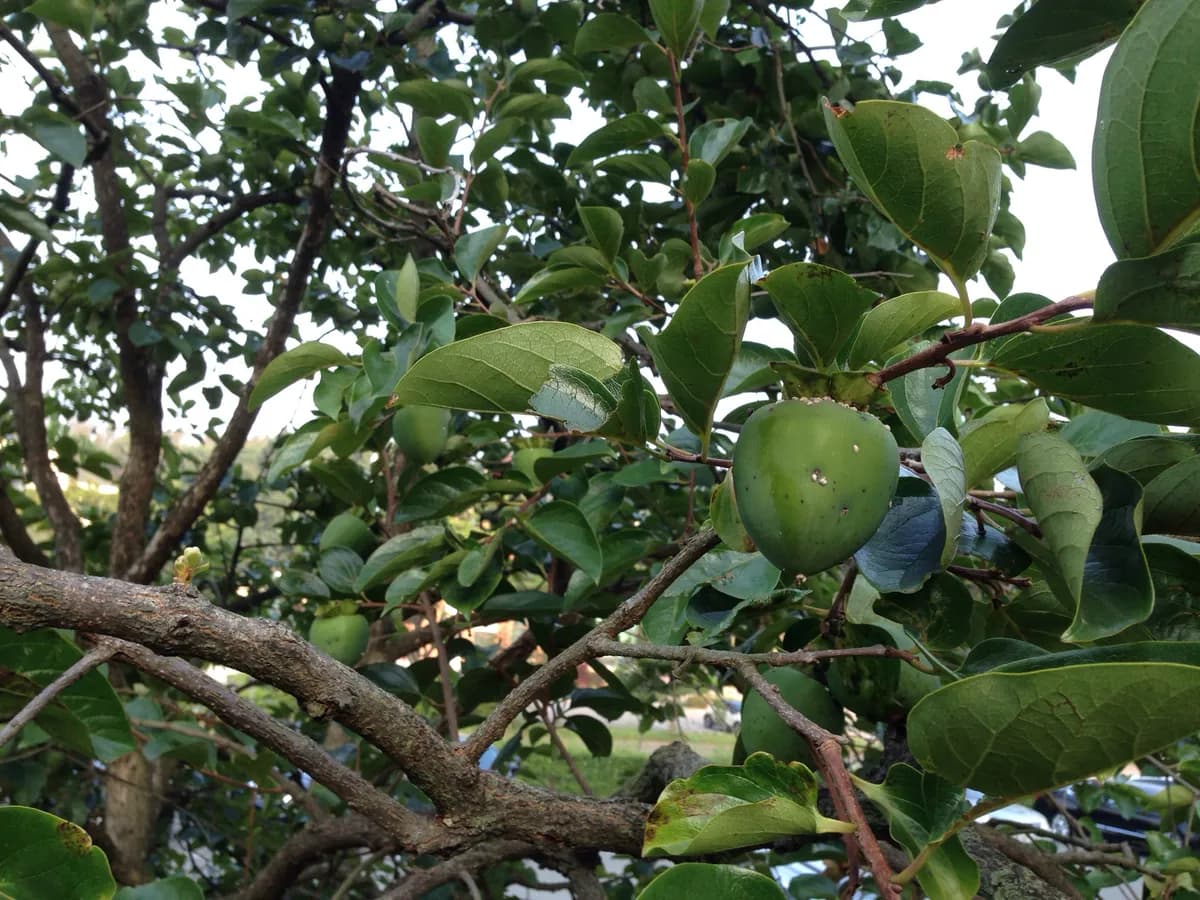
Japanese persimmon
Diospyros kaki
Last reviewed: October 2026
Toxicity unknown
Japanese persimmon (Diospyros kaki) is not listed by the ASPCA Animal Poison Control Center (opens in new tab) or the other sources we check, so we have no verdict for it either way. Absence from those lists is not a clearance. If your pet shows symptoms after eating any plant, call the ASPCA at (888) 426-4435.
Light
full sun
Water
medium
Size
180"–480" H × 180"–360" W
Bloom
May, Jun
Pollinators
bees
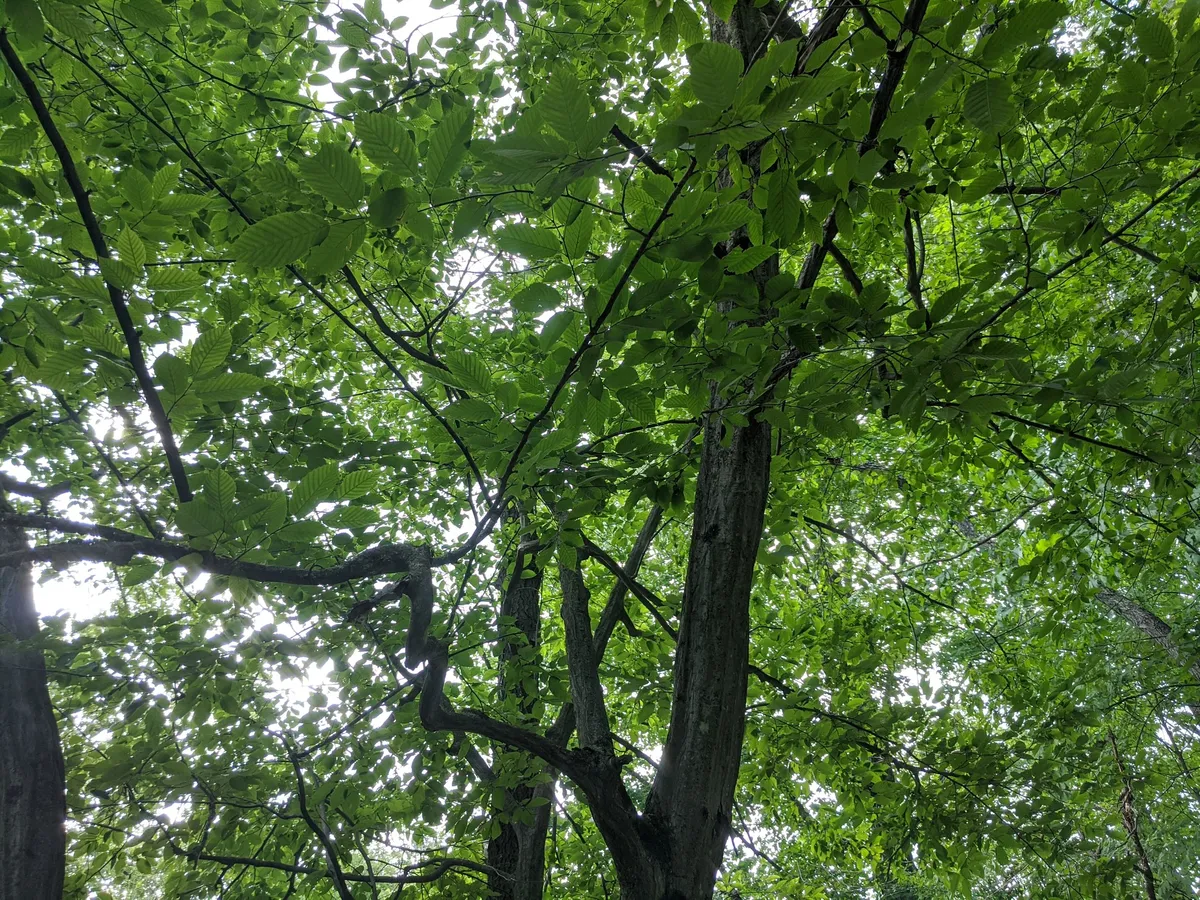
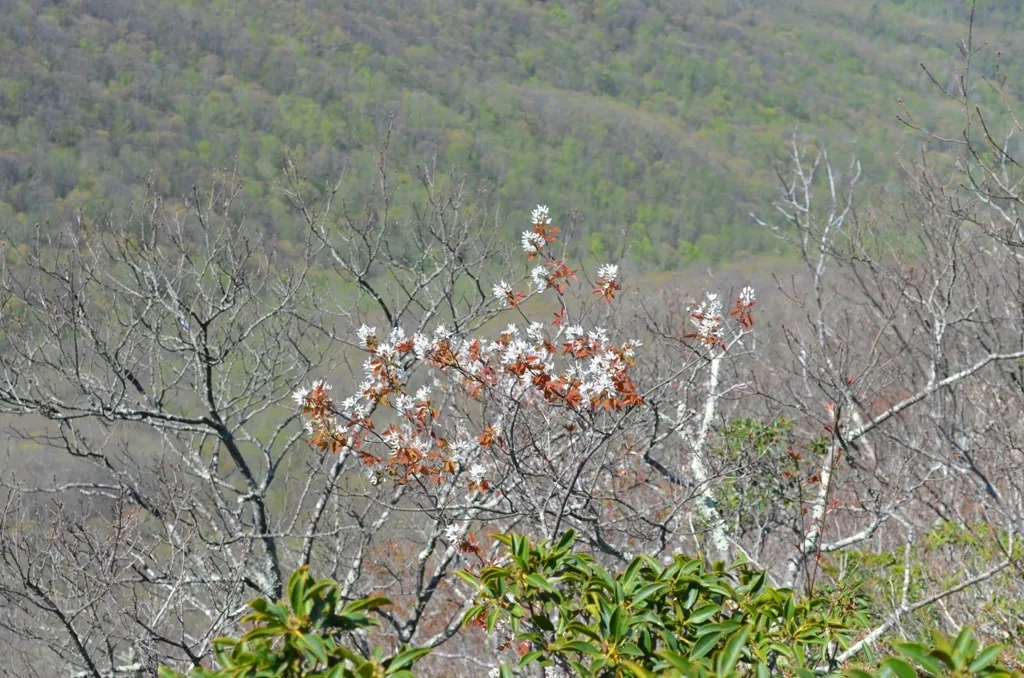
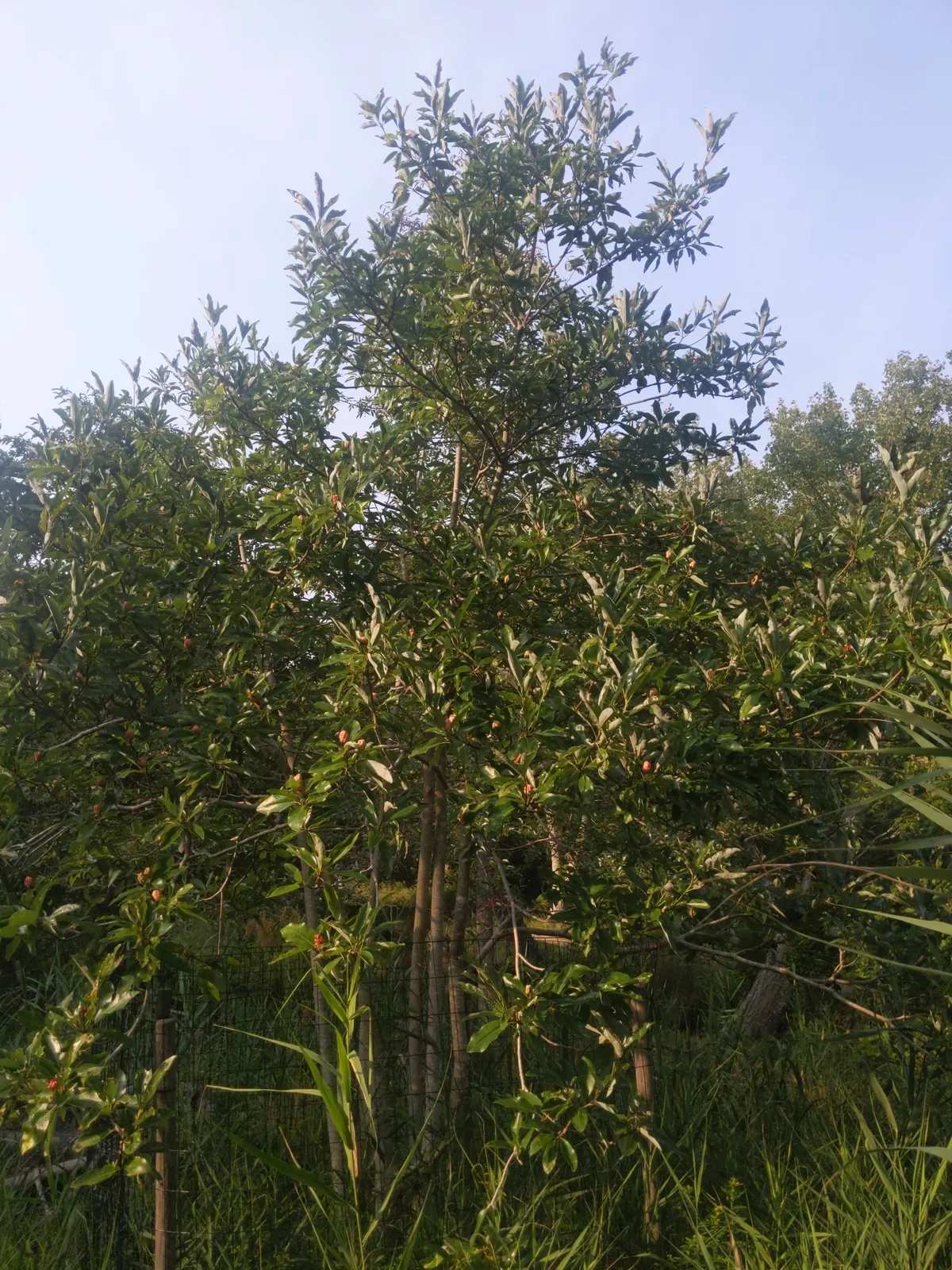
Native alternatives to Japanese persimmon
Japanese persimmon is not native to the United States. These natives fill a similar role in a planting, matched on bloom season, bloom color and mature size.
Before you buy
Your city may pay you to plant this
Cities and water utilities offer rebates for replacing lawn with native and water-wise plants. We track 459 programs across 44 states, each with a link to the provider and the date we last checked it.
Find rebates in your areaPicture natives in your own yard
Wondering what could grow where Japanese persimmon is now? Upload a photo of the spot and Patch Vision shows a rendering of it replanted with natives for your region.


A deciduous fruit tree with glossy leaves that turn orange in fall, grown for its large sweet persimmons.
How to care for Japanese persimmon, by region
How to care for Japanese persimmon where it is actually grown: year-round basics plus what to do each season, region by region, with the sources for each.
Care guidance last updated: October 2026
Cross Timbers (includes Fort Worth, TX)
Year-round
Year-round care for Japanese persimmon around Fort Worth, TX: a grafted tree in sun and well-drained soil, with few pest problems.
- Buy a tree grafted or budded onto common American persimmon roots. Japanese persimmon on its own roots is highly prone to root rot in Texas.
- Give it full sun and soil that drains moderately to well, with 15 to 20 feet to the next tree. Thin, rocky limestone ground does not suit it.
- Pick the variety with cold in mind. Fuyu is easily hurt by freezes, while Izu is more cold hardy.
- Size varies widely. Mature trees run from a shrub under 10 feet to as much as 40 feet.
- Few insects or diseases trouble it. Deer and squirrels are the biggest threat to the fruit.
Fall
Fall care for Japanese persimmon around Fort Worth, TX: let the fruit ripen on the tree and guard it from wildlife.
- Fruit ripens in mid to late fall. Leave it on the tree as long as you can.
- Opossums, raccoons, birds and deer go after fruit that is nearing ripeness. If they are a problem, pick with a gentle pull once the fruit turns a vivid orange. It ripens just as well off the tree.
- Fuyu and Izu can be eaten once they are deep orange. Hachiya and most other types must be fully ripe and soft, or they pucker the mouth.
- Frost is not needed to ripen the fruit, though ripening often lands near the first fall frost.
Winter
Winter care for Japanese persimmon around Fort Worth, TX: plant bare-root trees, and prune established trees while dormant.
- Bare-root trees are usually sold in early winter. Plant at the depth the tree grew in the nursery and water it thoroughly, even if the soil is wet.
- Remove at least half the top of a bare-root tree at planting. Train young trees to a central leader with three to five main limbs about 1 foot apart, starting near 3 feet above ground.
- Prune established trees in winter. Remove crossing, shaded, diseased and broken branches, and open the canopy so the tree does not shade itself.
- Fruit grows on the current season's branches. Prune secondary branches so bearing shoots stay close to the main limbs and do not droop.
- Persimmon needs only about 100 hours of winter chill or less. A dormant tree can take about 0 F.
Spring
Spring care for Japanese persimmon around Fort Worth, TX: water through the growth flush, feed lightly if at all, and watch for late frost.
- Water during the spring growth flush when rain falls short. Water deeply and as infrequently as you can.
- If the tree needs feeding, do it as new shoots emerge in early spring. Persimmons need little fertilizer, and shoots longer than 3 feet mean you should feed less.
- Too much fertilizer can make seedless fruit drop. A heavy layer of mulch helps hold the crop.
- A warm spell can wake the tree early, and a later frost can then hurt it. Growing leaves are killed at about 26 F, so watch the forecast.
Summer
Summer care for Japanese persimmon around Fort Worth, TX: deep, infrequent watering and heavy mulch to hold the crop.
- Keep adding water when rain falls short, especially in shallow soil. Water deeply and as infrequently as possible.
- Persimmon is fairly drought tolerant, needing about 36 to 48 inches of water a year.
- Seedless fruit drop when heat, drought, too much water or too much fertilizer stresses the tree. Heavy mulch and steady moisture cut the loss but never end it.
- Some summers caterpillars strip the leaves, and leaf spot can cause early leaf drop. Only severe cases need treatment, so ask your county Extension office before treating anything.
Sources: Texas A&M AgriLife Extension: Texas Fruit and Nut Production: Persimmons (E-611), Texas A&M AgriLife Extension: Persimmons in Austin - A Fruit Tree for Everyone
Texas Blackland Prairies (includes Dallas, TX)
Year-round
Year-round care for Japanese persimmon around Dallas, TX: a grafted tree in sun and well-drained soil, with few pest problems.
- Buy a tree grafted or budded onto common American persimmon roots. Japanese persimmon on its own roots is highly prone to root rot in Texas.
- Give it full sun and soil that drains moderately to well, with 15 to 20 feet to the next tree. Thin, rocky limestone ground does not suit it.
- Pick the variety with cold in mind. Fuyu is easily hurt by freezes, while Izu is more cold hardy.
- Size varies widely. Mature trees run from a shrub under 10 feet to as much as 40 feet.
- Few insects or diseases trouble it. Deer and squirrels are the biggest threat to the fruit.
Fall
Fall care for Japanese persimmon around Dallas, TX: let the fruit ripen on the tree and guard it from wildlife.
- Fruit ripens in mid to late fall. Leave it on the tree as long as you can.
- Opossums, raccoons, birds and deer go after fruit that is nearing ripeness. If they are a problem, pick with a gentle pull once the fruit turns a vivid orange. It ripens just as well off the tree.
- Fuyu and Izu can be eaten once they are deep orange. Hachiya and most other types must be fully ripe and soft, or they pucker the mouth.
- Frost is not needed to ripen the fruit, though ripening often lands near the first fall frost.
Winter
Winter care for Japanese persimmon around Dallas, TX: plant bare-root trees, and prune established trees while dormant.
- Bare-root trees are usually sold in early winter. Plant at the depth the tree grew in the nursery and water it thoroughly, even if the soil is wet.
- Remove at least half the top of a bare-root tree at planting. Train young trees to a central leader with three to five main limbs about 1 foot apart, starting near 3 feet above ground.
- Prune established trees in winter. Remove crossing, shaded, diseased and broken branches, and open the canopy so the tree does not shade itself.
- Fruit grows on the current season's branches. Prune secondary branches so bearing shoots stay close to the main limbs and do not droop.
- Persimmon needs only about 100 hours of winter chill or less. A dormant tree can take about 0 F.
Spring
Spring care for Japanese persimmon around Dallas, TX: water through the growth flush, feed lightly if at all, and watch for late frost.
- Water during the spring growth flush when rain falls short. Water deeply and as infrequently as you can.
- If the tree needs feeding, do it as new shoots emerge in early spring. Persimmons need little fertilizer, and shoots longer than 3 feet mean you should feed less.
- Too much fertilizer can make seedless fruit drop. A heavy layer of mulch helps hold the crop.
- A warm spell can wake the tree early, and a later frost can then hurt it. Growing leaves are killed at about 26 F, so watch the forecast.
Summer
Summer care for Japanese persimmon around Dallas, TX: deep, infrequent watering and heavy mulch to hold the crop.
- Keep adding water when rain falls short, especially in shallow soil. Water deeply and as infrequently as possible.
- Persimmon is fairly drought tolerant, needing about 36 to 48 inches of water a year.
- Seedless fruit drop when heat, drought, too much water or too much fertilizer stresses the tree. Heavy mulch and steady moisture cut the loss but never end it.
- Some summers caterpillars strip the leaves, and leaf spot can cause early leaf drop. Only severe cases need treatment, so ask your county Extension office before treating anything.
Sources: Texas A&M AgriLife Extension: Texas Fruit and Nut Production: Persimmons (E-611), Texas A&M AgriLife Extension: Persimmons in Austin - A Fruit Tree for Everyone
In an HOA neighborhood
Japanese persimmon takes more care to keep looking intentional in a front yard. Maintenance level: moderate. Consider it for backyard or mid-zone beds rather than the street edge.
- Dropped fruit
Wildlife value
Spring blossom feeds bees. Fruit left on the plant feeds birds.
Common questions
- How much sun does Japanese persimmon need?
- Japanese persimmon grows best in full sun conditions.
- When does Japanese persimmon bloom?
- Japanese persimmon blooms in May and June.
- What pollinators does Japanese persimmon attract?
- Japanese persimmon draws bees.
- Is Japanese persimmon HOA-friendly?
- Japanese persimmon takes more care to look intentional in a front yard. Consider it for backyard or mid-zone beds rather than the street edge.
Pollinator and host plant associations compiled from GBIF, iNaturalist, and published ecological literature.
If something looks wrong
Common plant problems, and what to check first
These come up on almost any plant. Each guide lists the likely causes in the order they are worth ruling out, with one thing to check before you act on any of them, and links to the source it came from.
- It is dying right after planting
- Leaves turning yellow
- Wilting even though I watered it
- Brown crispy leaf tips
- Bugs on the plant
Ready to grow Japanese persimmon? Add it to your garden in Pollinator Patch to track it and get season-by-season care guidance.