Lemon Tree
Citrus limon
Last reviewed: September 2026
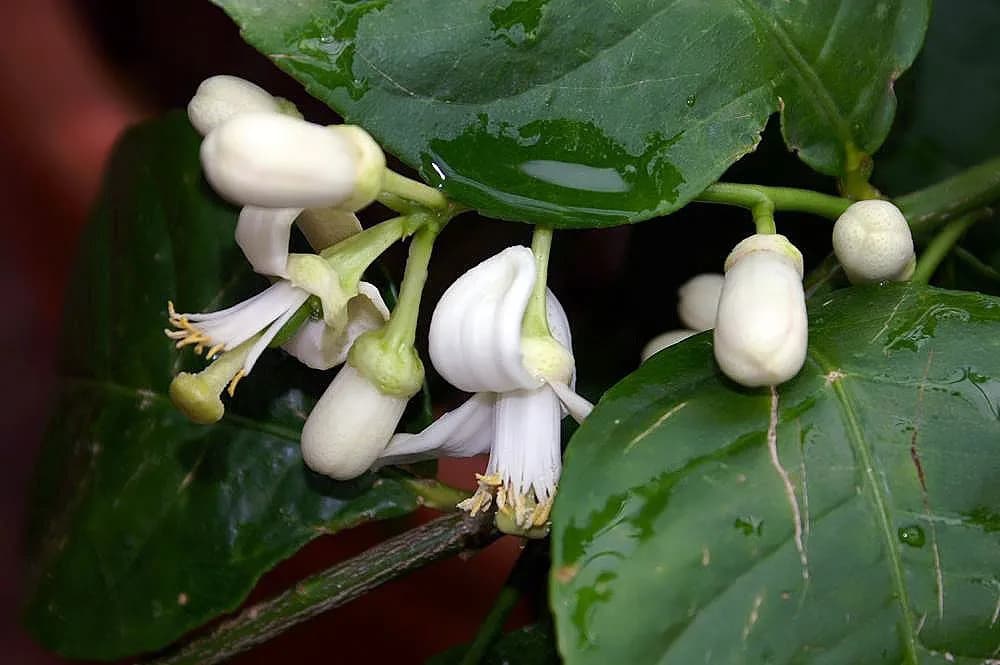
Toxicity unknown
Lemon Tree (Citrus limon) is not listed by the ASPCA Animal Poison Control Center (opens in new tab) or the other sources we check, so we have no verdict for it either way. Absence from those lists is not a clearance. If your pet shows symptoms after eating any plant, call the ASPCA at (888) 426-4435.
Light
full sun
Water
medium
Size
72"–240" H × 60"–144" W
Bloom
Mar, Apr, May
Native alternatives to Lemon Tree
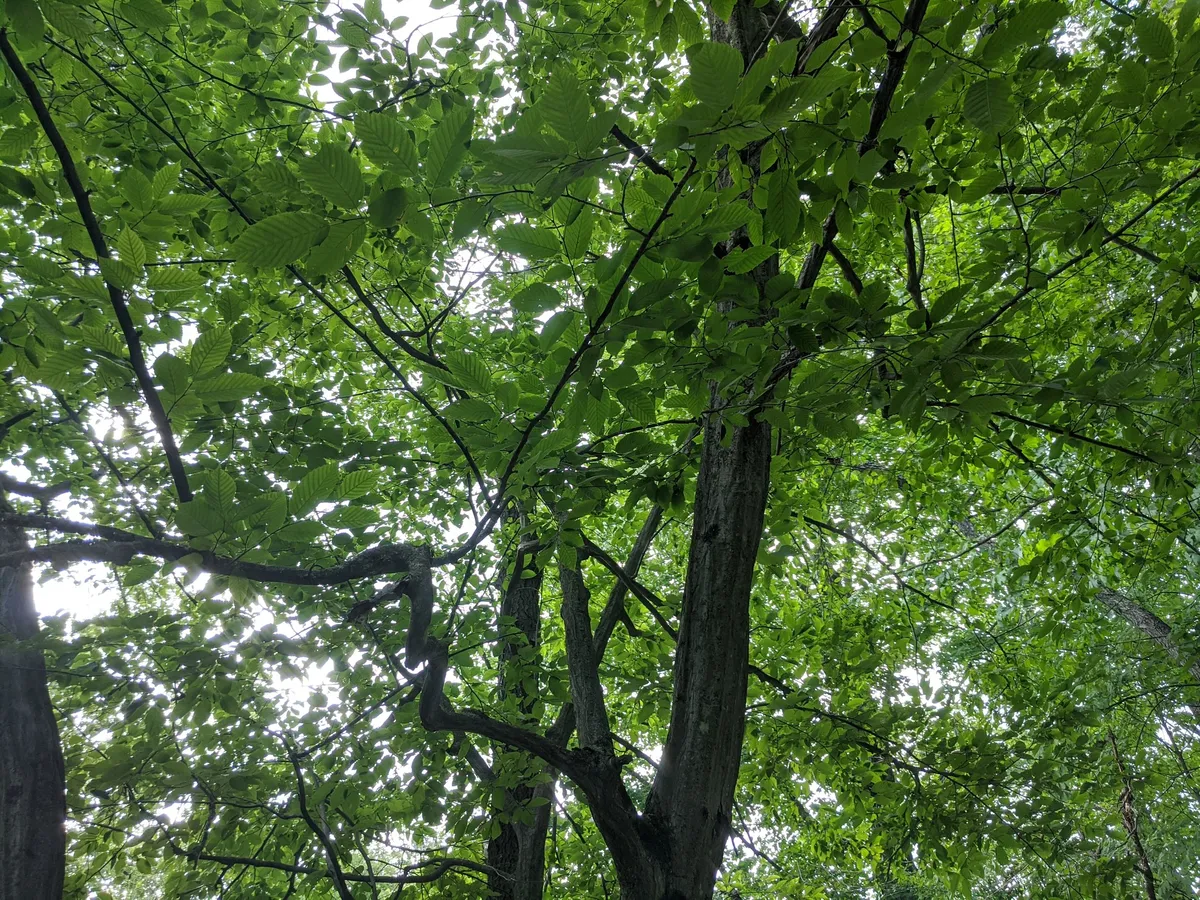
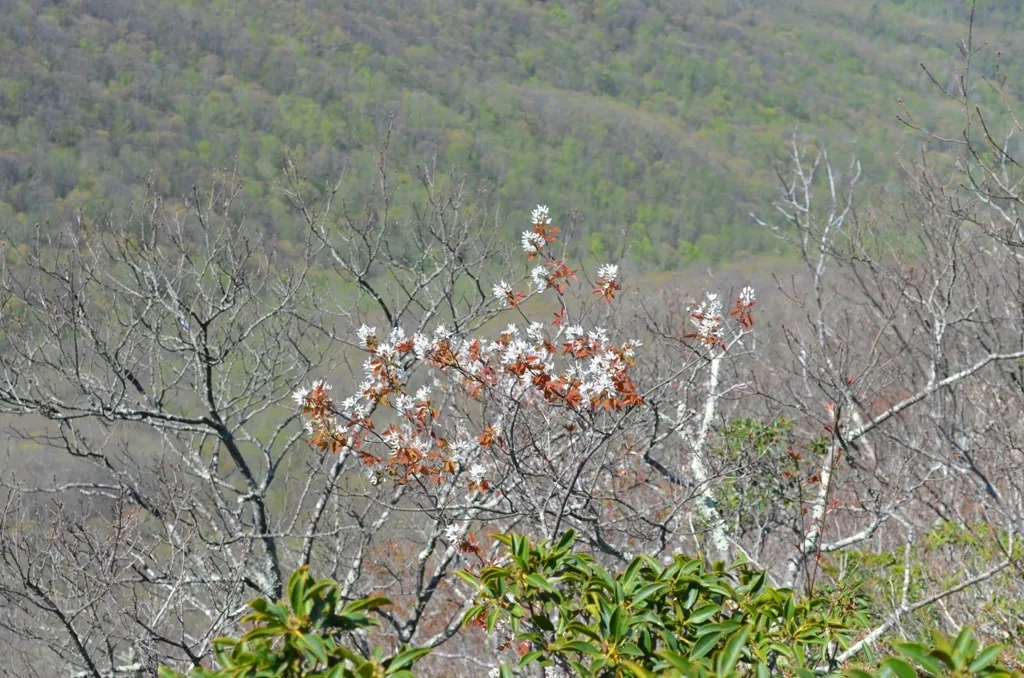
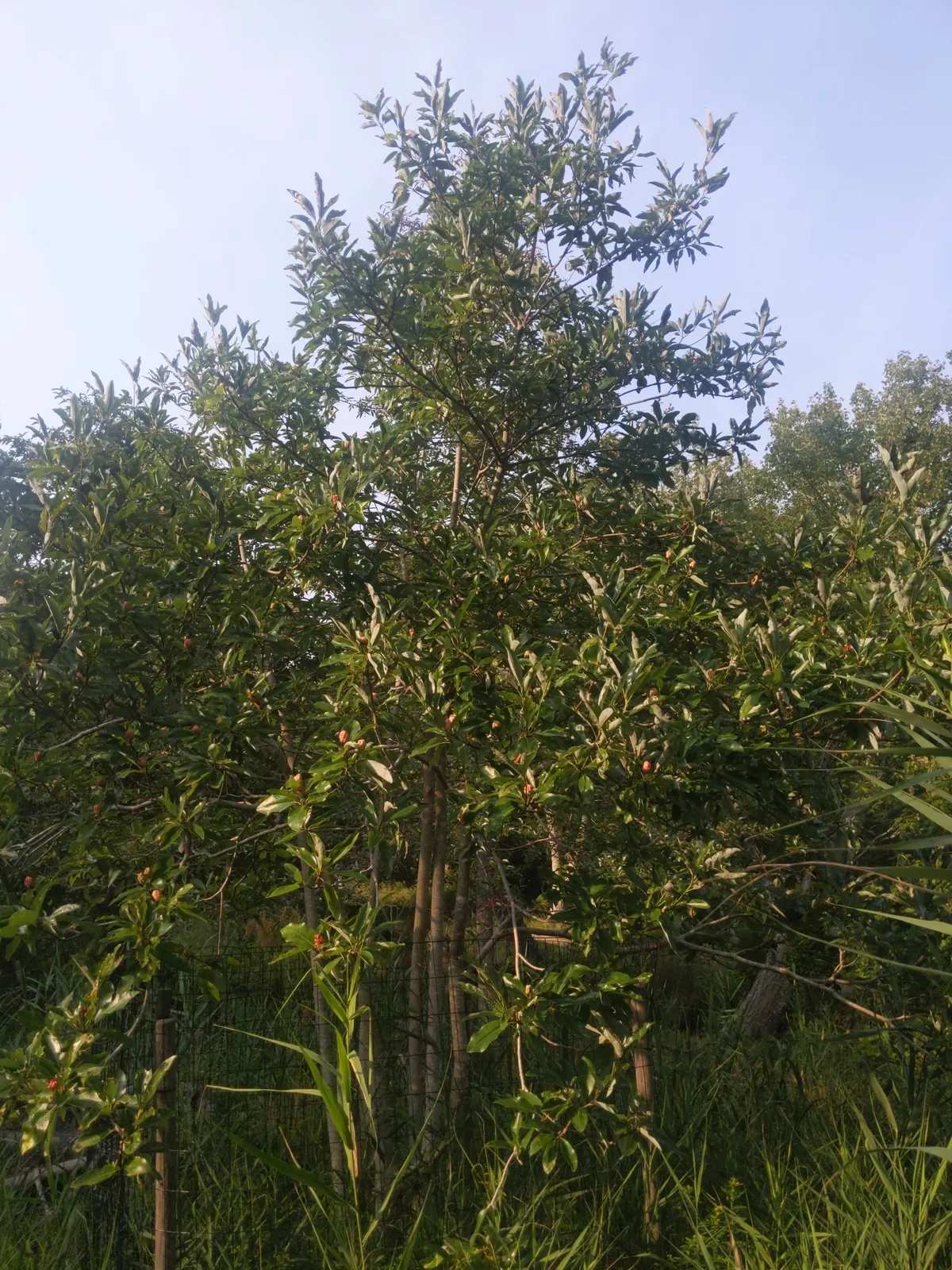
Lemon Tree is not native to the United States. These natives fill a similar role in a planting, matched on bloom season, bloom color and mature size.
Before you buy
Your city may pay you to plant this
Cities and water utilities offer rebates for replacing lawn with native and water-wise plants. We track 458 programs across 44 states, each with a link to the provider and the date we last checked it.
Find rebates in your areaA small evergreen tree with fragrant white flowers and yellow fruit, often grown in a large container so it can be moved under cover for winter. It flowers and fruits over a long season and needs steady feeding.
How to care for Lemon Tree, by region
How to care for Lemon Tree where it is actually grown: year-round basics plus what to do each season, region by region, with the sources for each.
Care guidance last updated: September 2026
Central California Foothills and Coastal Mountains (includes San Francisco, CA)
Year-round
In the Bay Area's mild, foggy coastal climate, a lemon or Meyer lemon tree does well in a sunny, wind-sheltered spot with steady but not soggy water.
- Give it the sunniest spot in the yard, ideally against a south or southwest facing wall or fence where it can soak up extra reflected warmth.
- In foggy coastal pockets, an acid citrus like lemon or Meyer lemon does better than a sweet orange, since Bay Area summers usually don't get hot enough to sweeten oranges.
- Water deeply, then let the soil dry out a bit before watering again. Overwatering is the more common problem here, and it can even cause the fruit to split.
- Feed with a high nitrogen citrus fertilizer a few times a year rather than constantly. Overfeeding invites pest problems like citrus leafminer.
- The fruit itself is edible for people, but the leaves, peel, and other plant material are toxic to dogs, cats, and horses because of essential oils and psoralens, and can cause vomiting, diarrhea, or skin irritation if a pet chews on them. Keep dropped fruit and trimmings picked up.
Fall
Fall is a slow-down season. Ease off water and fertilizer, and skip heavy pruning while pest pressure lingers.
- Growth slows as days shorten, so watering can taper off too. There's no fall feeding on the local schedule, the last round lands in June.
- Skip heavy pruning through fall. Fresh cuts and the new growth pruning triggers can attract citrus leafminer, whose larvae leave squiggly cosmetic trails in the leaves.
- Keep watching for whiteflies, thrips, mites, and scale, and hose the foliage off if you spot them building up.
Winter
Winter is frost-watch season on the coast, plus the year's first fertilizer feeding as the tree gears up for spring bloom.
- Fog and the ocean's moderating effect mean frost risk is genuinely lower right on the coast than it is a few miles inland, so exact protection needs vary a lot by microclimate.
- When a freeze is forecast to hit 30 degrees F or below, water the tree first since moist soil holds heat better, then cover the canopy.
- Wrap the trunks of young trees in burlap or newspaper, and drape a sheet or frost blanket over small trees on cold nights. Old-style incandescent string lights woven through the branches add a little extra warmth too.
- Pick any ripe fruit before a hard freeze hits, since a freeze can ruin fruit still hanging on the tree.
- The first of the year's three fertilizer feedings usually lands in January or February.
Spring
Spring is bloom, light pruning, and the first feeding of the year for a Bay Area lemon tree.
- Prune lightly right before bloom or right after the spring fruit sets. Citrus don't need heavy pruning, just shaping, better airflow, and removing suckers.
- March is generally the best pruning window in the South Bay, and Marin guidance points to the same pre-bloom to post-fruit-set stretch.
- Give the tree its first feeding of high nitrogen fertilizer around February or March, the first of three rounds Bay Area schedules call for each year.
- Expect a wave of fragrant flowers, and don't worry when a lot of the flowers and tiny fruit drop on their own. That's the tree thinning its own crop, not a problem, unless you also see yellowing leaves or branch dieback.
A light, shaping prune after bloom keeps a front-yard lemon tree looking neat and HOA-friendly instead of overgrown.
Summer
Summer is the thirstiest stretch of the year, plus the last scheduled feeding, for a Bay Area lemon tree.
- Water more often in warm weather. Established trees generally take around 4 to 6 inches of water a month in summer, applied as a few deep waterings rather than daily sips.
- Let the top 3 to 6 inches of soil dry out before watering again so roots aren't sitting in soggy ground.
- June typically wraps up the year's three rounds of fertilizer for Bay Area citrus.
- Warm weather also brings out aphids, scale, and mites. Hose the leaves down now and then, and put a sticky band around the trunk to keep ants away, since ants protect the pests that produce the honeydew they feed on.
Sources: UC Master Gardeners of San Mateo & San Francisco Counties - Success with Citrus: Guidelines for Coastal Gardeners, UC Marin Master Gardeners - Citrus, UC Master Gardeners of Santa Clara County - Growing Great Citrus, ASPCA - Toxic and Non-Toxic Plants: Lemon
In an HOA neighborhood
Lemon Tree is an HOA-friendly choice. Maintenance level: moderate. Tidiness: 4 out of 5.
Works well in: front yard, foundation bed, border.
Wildlife value
Grown as an ornamental. Non-native plants support far fewer local insects than a native of similar size, so treat this as garden interest rather than habitat.
Common questions
- How much sun does Lemon Tree need?
- Lemon Tree grows best in full sun conditions.
- When does Lemon Tree bloom?
- Lemon Tree blooms in March, April, and May.
- Is Lemon Tree HOA-friendly?
- Lemon Tree is generally an HOA-friendly choice in the right placement, with moderate maintenance.
Pollinator and host plant associations compiled from GBIF, iNaturalist, and published ecological literature.
If something looks wrong
Common plant problems, and what to check first
These come up on almost any plant. Each guide lists the likely causes in the order they are worth ruling out, with one thing to check before you act on any of them, and links to the source it came from.
- It is dying right after planting
- Leaves turning yellow
- Wilting even though I watered it
- Brown crispy leaf tips
- Bugs on the plant
Ready to grow Lemon Tree? Add it to your garden in Pollinator Patch to track it and get season-by-season care guidance.