Oneflowered Broomrape
Orobanche uniflora
Last reviewed: July 2026
Light
part shade
Water
low
Size
2"–8" H × 2"–4" W
Bloom
May, Jun, Jul
Native to
AL, AR, AZ, CA and 41 more states
Browse plants for this ecoregion
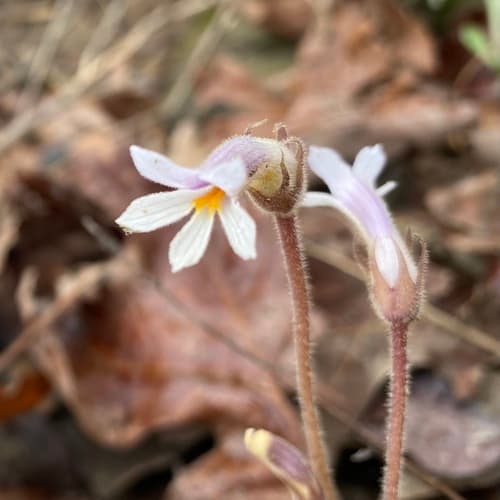
Oneflowered broomrape is a parasitic wildflower that lacks chlorophyll and derives nutrients from host plants' roots. It produces small, solitary white to pale purple flowers on short stems in late spring and summer. This unusual native plant has a very low, inconspicuous growth habit.
In an HOA neighborhood
Oneflowered Broomrape takes more care to keep looking intentional in a front yard. Maintenance level: low. Consider it for backyard or mid-zone beds rather than the street edge.
Works well in: backyard only.
- Parasitic nature makes it unpredictable and potentially harmful to other landscape plants
- Extremely small size makes it appear weedy or incomplete
- Lacks leaves and normal plant structure, creating an odd appearance
Wildlife value
Limited wildlife value due to its small size and parasitic nature, though the small flowers may attract some tiny native bees and flies.
Common questions
- How much sun does Oneflowered Broomrape need?
- Oneflowered Broomrape grows best in part shade conditions.
- When does Oneflowered Broomrape bloom?
- Oneflowered Broomrape blooms in May, June, and July.
- Where is Oneflowered Broomrape native?
- Oneflowered Broomrape (Orobanche uniflora) is native to AL, AR, AZ, CA and 41 more states, per the USDA PLANTS Database and regional native plant society lists.
- Is Oneflowered Broomrape HOA-friendly?
- Oneflowered Broomrape takes more care to look intentional in a front yard. Consider it for backyard or mid-zone beds rather than the street edge.
Native range data from the USDA PLANTS Database and regional native plant society lists. Pollinator and host plant associations compiled from GBIF, iNaturalist, and published ecological literature.
Ready to grow Oneflowered Broomrape? Add it to your garden in Pollinator Patch to track it and get season-by-season care guidance.
Not sure where to start? Take the 2-minute yard quiz