Pink Breath of Heaven
Coleonema pulchellum
Last reviewed: October 2026
Toxicity unknown
Pink Breath of Heaven (Coleonema pulchellum) is not listed by the ASPCA Animal Poison Control Center (opens in new tab) or the other sources we check, so we have no verdict for it either way. Absence from those lists is not a clearance. If your pet shows symptoms after eating any plant, call the ASPCA at (888) 426-4435.
Light
full sun
Water
low
Size
36"–60" H × 36"–60" W
Bloom
Jan, Feb, Mar, Apr
Pollinators
bees
Native alternatives to Pink Breath of Heaven
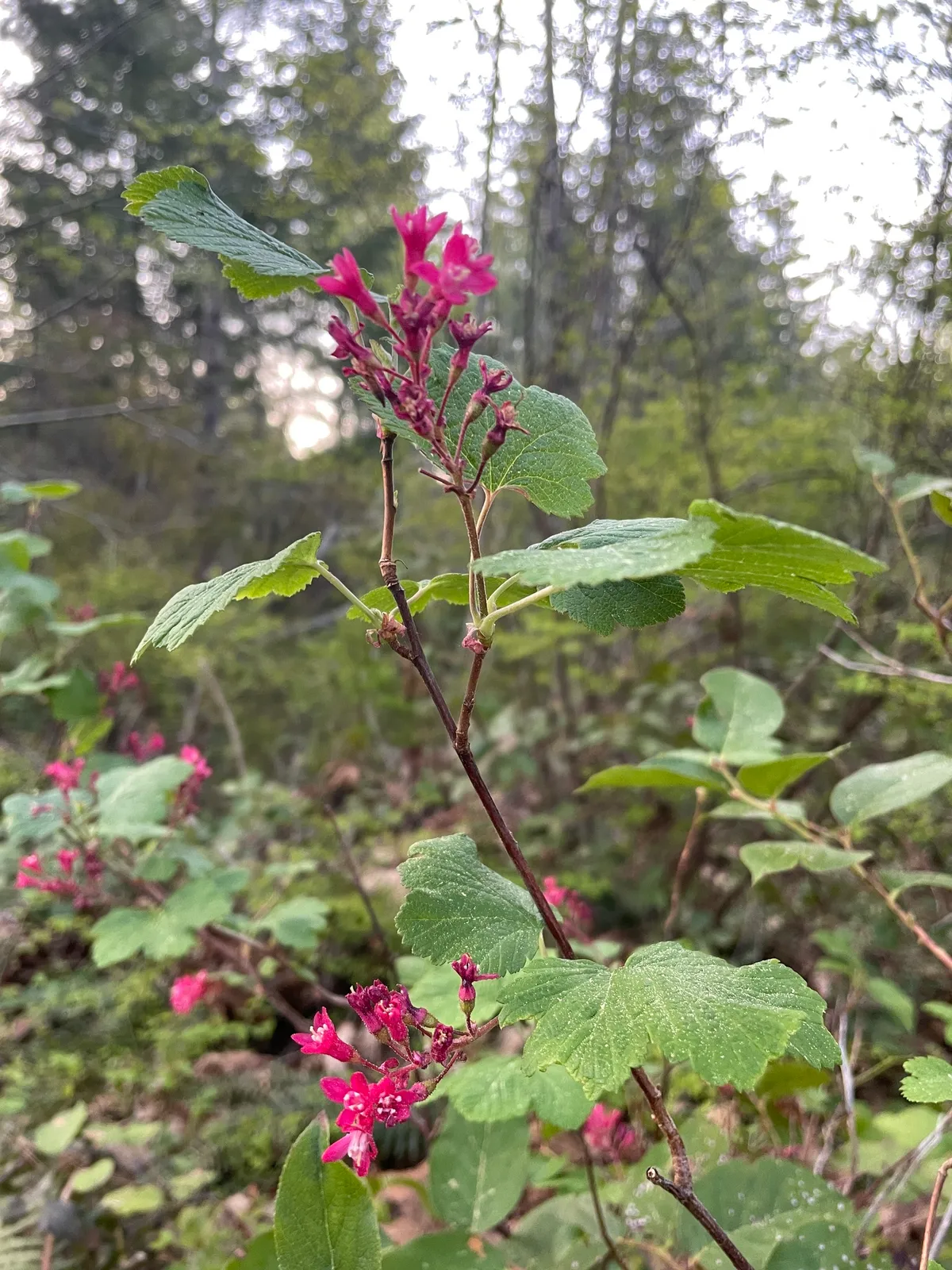
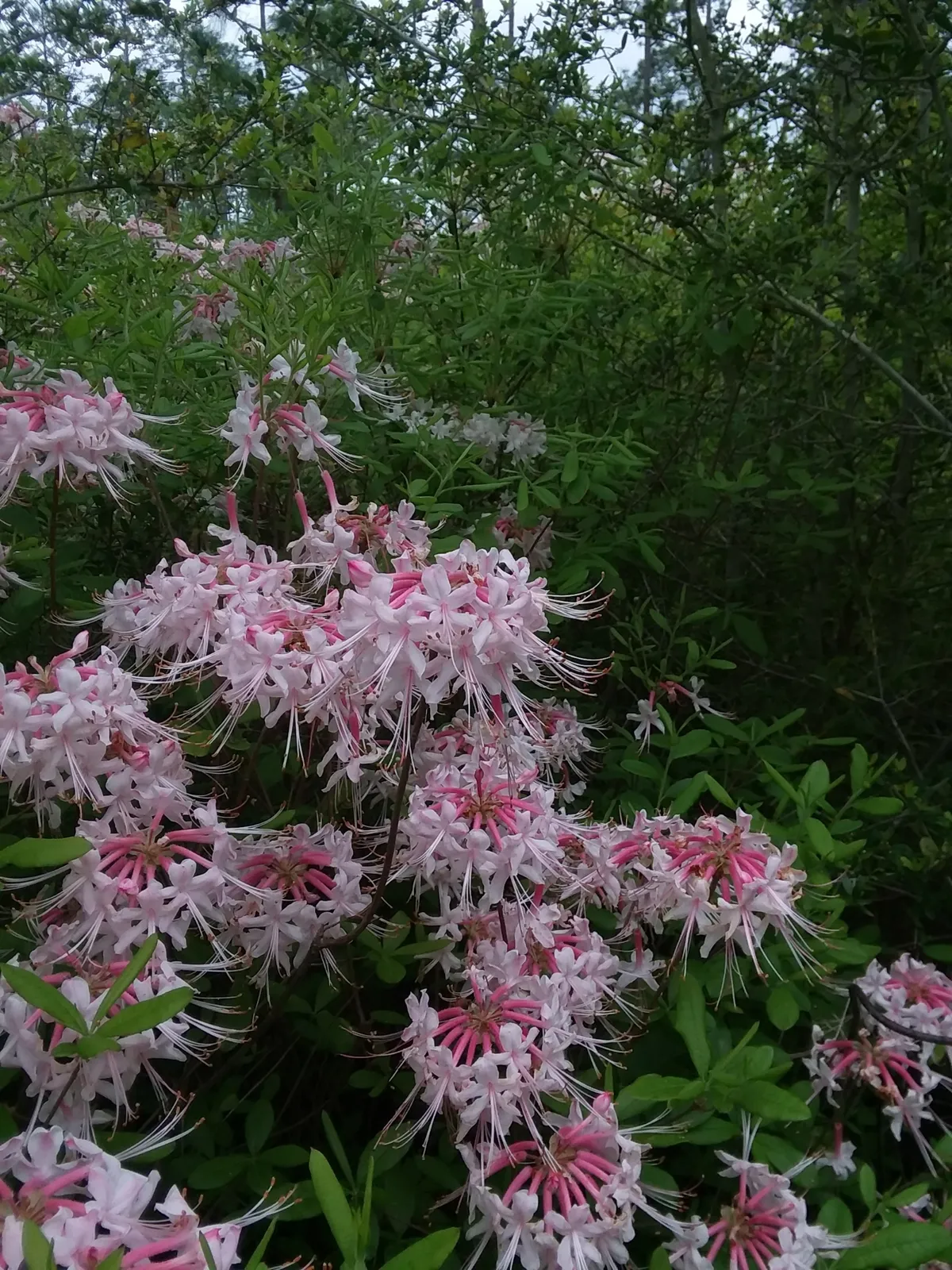
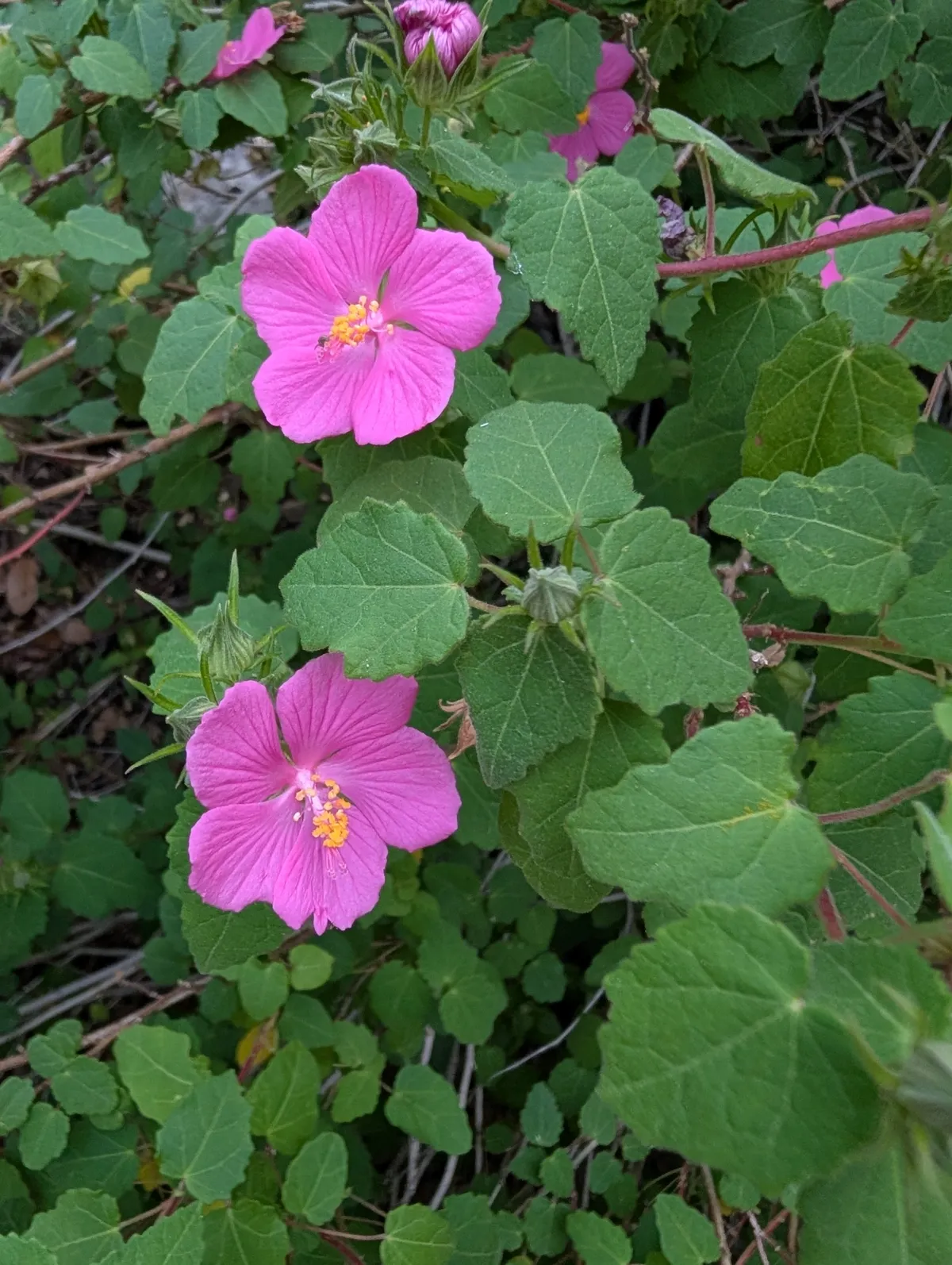
Pink Breath of Heaven is not native to the United States. These natives fill a similar role in a planting, matched on bloom season, bloom color and mature size.
Before you buy
Your city may pay you to plant this
Cities and water utilities offer rebates for replacing lawn with native and water-wise plants. We track 459 programs across 44 states, each with a link to the provider and the date we last checked it.
Find rebates in your areaPicture natives in your own yard
Wondering what could grow where Pink Breath of Heaven is now? Upload a photo of the spot and Patch Vision shows a rendering of it replanted with natives for your region.


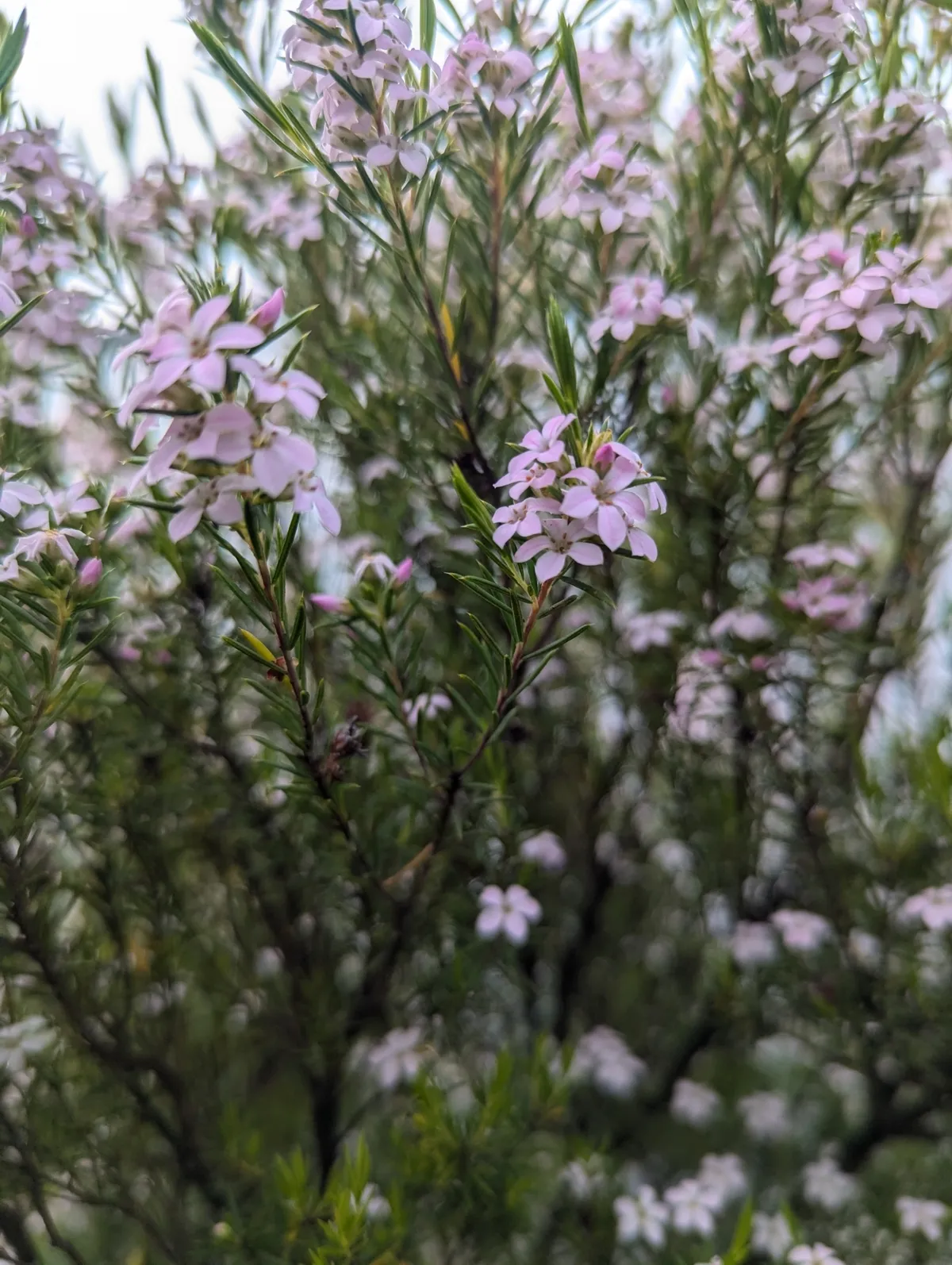
A fine-textured evergreen shrub with tiny needle-like aromatic leaves and small five-petaled pink flowers that cover the plant in late winter and spring. Forms a neat, mounding shape and is widely used as a low-maintenance ornamental hedge or border plant.
How to care for Pink Breath of Heaven, by region
How to care for Pink Breath of Heaven where it is actually grown: year-round basics plus what to do each season, region by region, with the sources for each.
Care guidance last updated: September 2026
Central California Foothills and Coastal Mountains (includes San Francisco, CA)
Year-round
Pink Breath of Heaven is native to the coastal fynbos of South Africa's Western and Eastern Cape, not to California, so treat it as a Mediterranean climate import rather than a local native. The San Francisco Bay Area's mild, dry summers and wet winters happen to closely match its home climate, which is why it performs so reliably in Bay Area gardens.
- Expect a rounded evergreen shrub roughly 3 to 5 feet tall and wide, with fine, needle like aromatic foliage that releases a sweet scent when brushed.
- Plant in full sun to light shade in well drained soil. Heavy clay or a low spot that holds winter water is the most common way this plant fails.
- It is hardy to roughly 20 to 25F, which covers nearly all San Francisco area microclimates, though colder inland valleys and hard frost pockets can see tip dieback.
- Once established it needs only occasional deep watering. Overwatering in summer is a bigger risk than underwatering.
A single rounded shrub with a clean mulch ring and a trimmed edge reads as an intentional, tidy planting, which keeps it HOA-friendly in a front yard bed.
Fall
Fall in the Bay Area brings cooling temperatures and the season's first rain, which is the cue for this shrub to start waking up from its summer rest ahead of winter bloom.
- Resume a light regular watering schedule once fall rains are inconsistent, tapering off again as rain becomes reliable.
- This is a good second planting window if you missed spring, since cooler fall weather is easier on new roots than summer heat.
- Clear any fallen leaves or debris caught in the fine foliage so air can circulate through the shrub before wet winter weather sets in.
- Hold off on any pruning now. Fall growth is setting up next winter's flower buds.
Clearing debris from the shrub in fall is a quick, low effort task that keeps the planting looking cared for going into the rainy season, which reads as HOA-conscious upkeep.
Winter
Winter is when Pink Breath of Heaven starts its main bloom, usually beginning in December or January in the Bay Area's mild climate.
- Do not prune now. Cutting back before or during bloom removes the flower buds that are about to open.
- Hold off on extra irrigation. Bay Area winter rain is normally enough, and standing water around the crown in cold, wet soil is the fastest way to lose this shrub to root rot.
- If a hard frost or unusual cold snap is forecast for your microclimate, a light frost cloth overnight protects new growth without needing to move or cover the whole plant.
- Check drainage around the base after heavy rain. If water pools for more than a few hours, plan to improve grading or raise the planting area once the weather dries out.
Leaving the shrub unpruned through its winter bloom, rather than cutting it back for tidiness, is the HOA-conscious move here since the flush of pink flowers reads as intentional seasonal color, not neglect.
Spring
Spring is peak bloom for Pink Breath of Heaven in the Bay Area, with flowering usually continuing from winter into April.
- Wait until the flush of bloom fades, typically by late spring, before doing any shaping cuts.
- Once bloom is done, a light shearing of the outer growth keeps the rounded shape and encourages denser new growth for next winter's flowers. Avoid cutting hard into bare, leafless wood, since it is slow to resprout from old stems.
- This is the best window to plant new nursery stock, since spring soil is warming and rain is tapering off, giving roots time to establish before the dry summer.
- Water new spring plantings regularly through their first few months while the root system is still shallow.
A single light shearing right after bloom, done once rather than repeated light snips through the season, keeps the shrub looking deliberately maintained for an HOA-conscious front yard.
Summer
Summer is the Bay Area's dry season, and it matches the dry summer this shrub gets in its native Cape climate, so this is its rest period, not its growth spurt.
- Cut back on watering once the plant is established. A deep soak every three to four weeks is usually plenty in typical Bay Area summer fog and mild heat.
- Watch for yellowing lower leaves or a mushy base, both signs of too much water rather than too little.
- Skip fertilizer during the hottest, driest stretch. This plant does fine in average soil and does not need summer feeding to keep its shape.
- If foliage looks dusty from a dry summer, a light rinse with the hose in the early morning refreshes it without overwatering the roots.
Cutting the watering schedule back in summer keeps the bed looking neat without excess growth flopping over a walkway, which supports an HOA-friendly, tidy front yard look.
Sources: PlantZAfrica (South African National Biodiversity Institute), Coleonema pulchellum, San Marcos Growers, Coleonema pulchellum (Pink Breath of Heaven)
In an HOA neighborhood
Pink Breath of Heaven takes more care to keep looking intentional in a front yard. Maintenance level: low. Consider it for backyard or mid-zone beds rather than the street edge.
Works well in: foundation plantings, low hedges, borders.
Wildlife value
The abundant winter and spring flowers provide nectar for bees during a season when few other plants are blooming.
Common questions
- How much sun does Pink Breath of Heaven need?
- Pink Breath of Heaven grows best in full sun conditions.
- When does Pink Breath of Heaven bloom?
- Pink Breath of Heaven blooms in January, February, March, and April.
- What pollinators does Pink Breath of Heaven attract?
- Pink Breath of Heaven draws bees.
- Is Pink Breath of Heaven HOA-friendly?
- Pink Breath of Heaven takes more care to look intentional in a front yard. Consider it for backyard or mid-zone beds rather than the street edge.
Pollinator and host plant associations compiled from GBIF, iNaturalist, and published ecological literature.
If something looks wrong
Common plant problems, and what to check first
These come up on almost any plant. Each guide lists the likely causes in the order they are worth ruling out, with one thing to check before you act on any of them, and links to the source it came from.
- It is dying right after planting
- Leaves turning yellow
- Wilting even though I watered it
- Brown crispy leaf tips
- Bugs on the plant
Ready to grow Pink Breath of Heaven? Add it to your garden in Pollinator Patch to track it and get season-by-season care guidance.