Plumbago
Plumbago auriculata
Last reviewed: October 2026
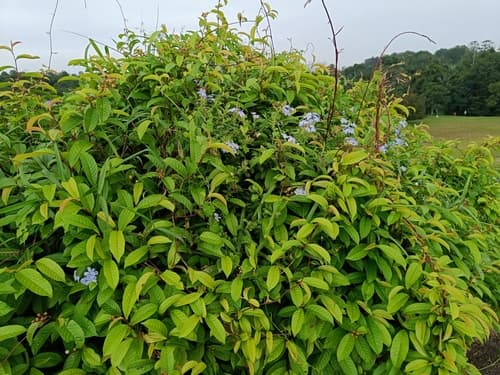
Plumbago (Plumbago auriculata) is a perennial shrub. It blooms in May, June, July, August, September, and October. The flowers draw butterflies.
Toxicity unknown
Plumbago (Plumbago auriculata) is not listed by the ASPCA Animal Poison Control Center (opens in new tab) or the other sources we check, so we have no verdict for it either way. Absence from those lists is not a clearance. If your pet shows symptoms after eating any plant, call the ASPCA at (888) 426-4435.
Light
full sun
Water
low
Size
36"–120" H × 36"–96" W
Bloom
May, Jun, Jul, Aug, Sep, Oct
Pollinators
butterflies
Native alternatives to Plumbago
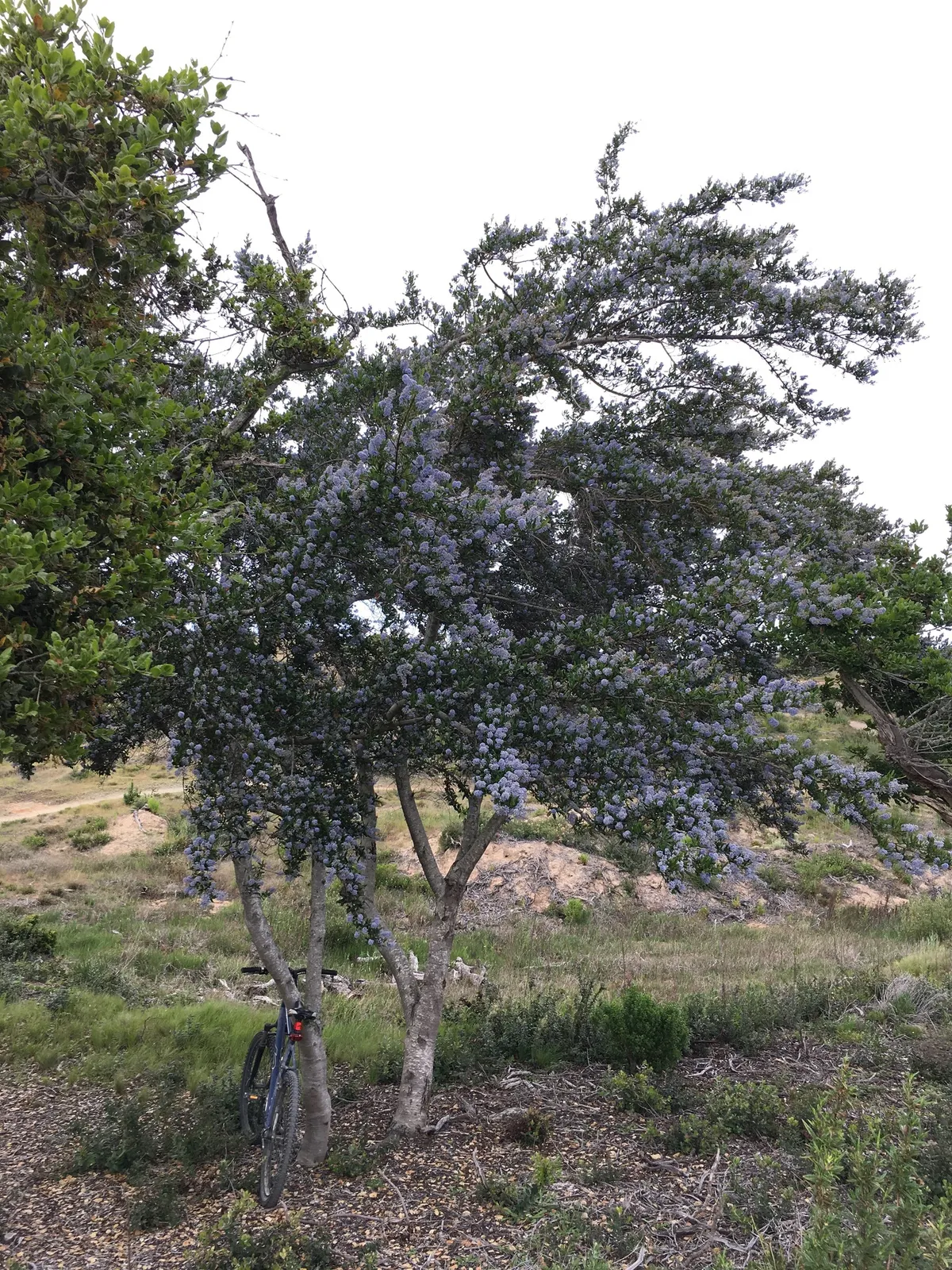
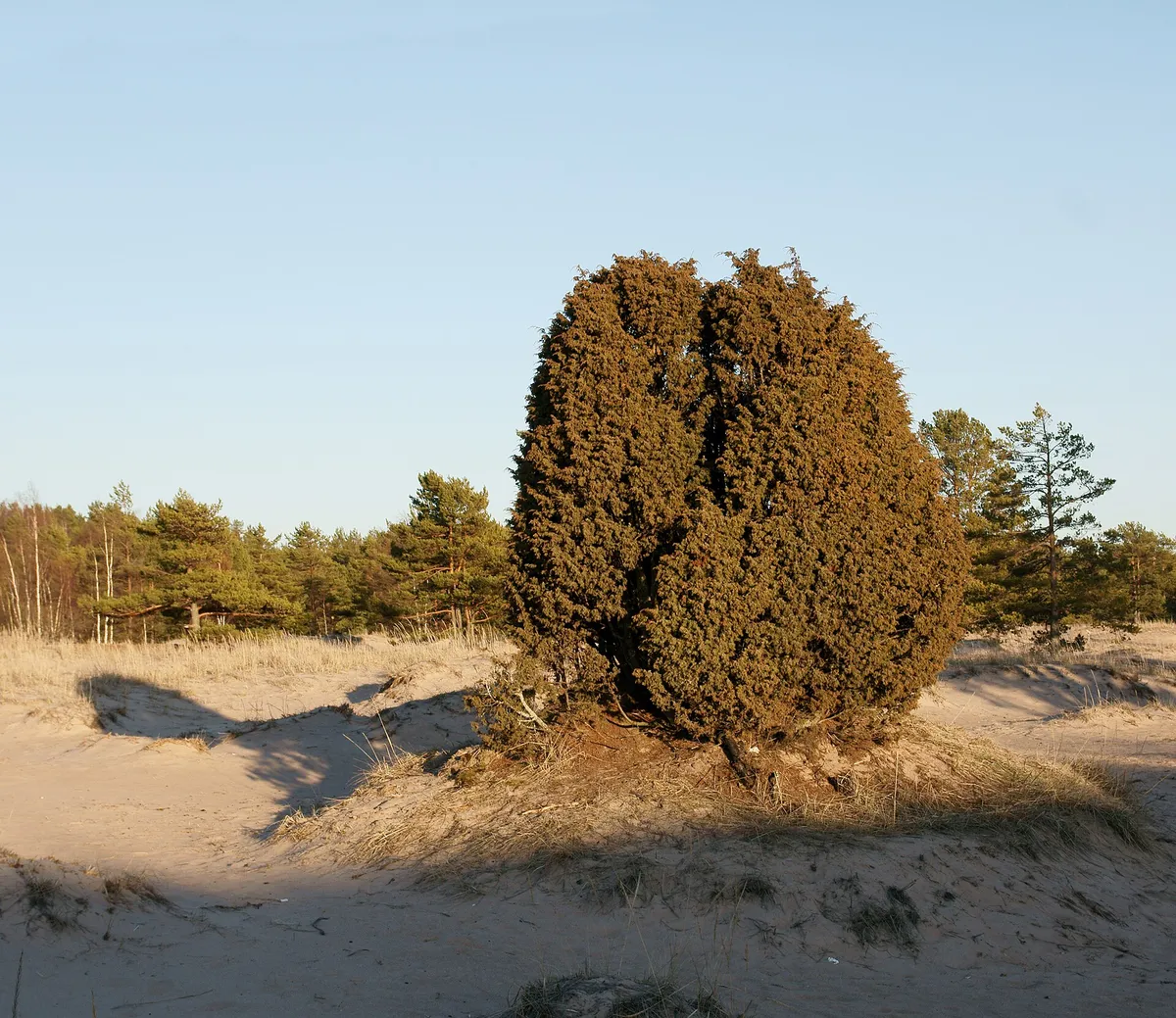
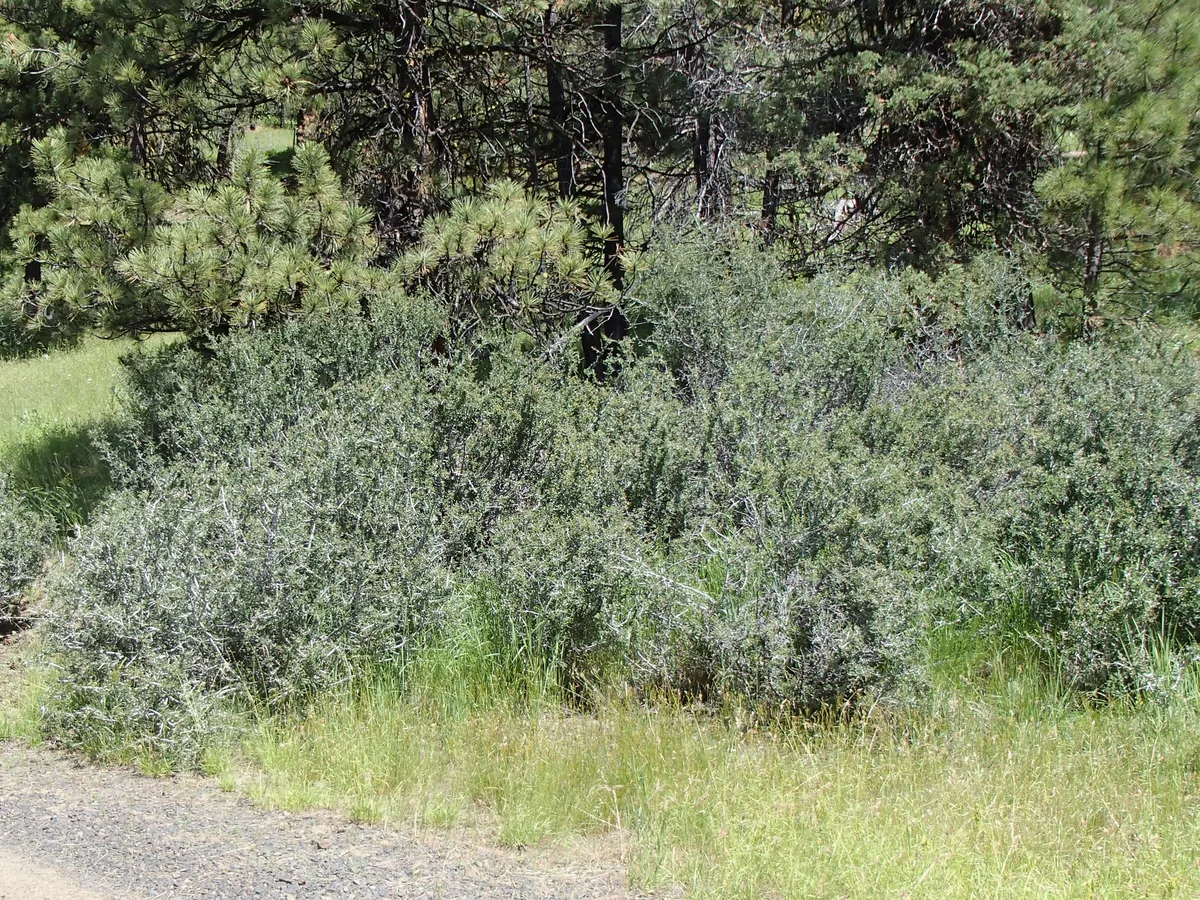
Plumbago is not native to the United States. These natives fill a similar role in a planting, matched on bloom season, bloom color and mature size.
Before you buy
Your city may pay you to plant this
Cities and water utilities offer rebates for replacing lawn with native and water-wise plants. We track 460 programs across 44 states, each with a link to the provider and the date we last checked it.
Find rebates in your areaPicture natives in your own yard
Wondering what could grow where Plumbago is now? Upload a photo of the spot and Patch Vision shows a rendering of it replanted with natives for your region.


Blue plumbago is a sprawling evergreen shrub grown for its clusters of sky-blue, phlox-like flowers from late spring through fall. It originates in southern Africa and is planted in warm climates as an ornamental for hedges, borders, and containers. It tolerates heat and lean soil and flowers most heavily in full sun.
Growing Plumbago
Grow Plumbago in full sun and low water. Mature plants reach 36 to 120 inches tall and spread 36 to 96 inches wide. Expect moderate maintenance to keep it looking intentional in a front yard.
How to care for Plumbago, by region
How to care for Plumbago where it is actually grown: year-round basics plus what to do each season, region by region, with the sources for each.
Care guidance last updated: July 2026
Texas Blackland Prairies (includes Dallas)
Year-round
Blue plumbago is a warm-season evergreen shrub that grows fast in full sun and well-drained soil and blooms sky-blue clusters from late spring into fall.
- Give it at least six hours of sun a day for the heaviest bloom; it flowers thinly in shade.
- Once established it handles heat and dry spells well, so water deeply but only when the top few inches of soil dry out.
- Shear it back by a third once or twice a season to keep it dense and full rather than leggy.
- In the Dallas area it usually freezes to the ground in winter and returns from the roots in spring, so treat it like a die-back perennial shrub.
Kept sheared into a rounded mound it reads as a tidy, intentional foundation or border shrub, which stays HOA-friendly in a front yard.
Fall
Blooming winds down as nights cool; ease off watering and let the plant harden before winter.
- Stop feeding by early fall so the plant is not pushing tender new growth into the cold.
- Cut back on watering as temperatures drop and the plant slows down.
- Leave a final light shearing until spring so the top growth shelters the crown.
Winter
In the Dallas area blue plumbago usually dies back in winter and rests until spring; the goal is to protect the roots.
- Mound three to four inches of mulch over the base to shield the crown from hard freezes.
- Expect the top growth to brown after a hard freeze; that is normal and not a loss of the plant.
- Keep the soil on the dry side while the plant is dormant so the roots do not rot.
Frozen top growth can look untidy; a quick cleanup of the worst stems keeps the bed looking cared for through winter.
Spring
Cut back last year's frozen stems and let the fresh growth flush; spring is when blue plumbago rebuilds for the season.
- After the last frost, prune any winter-killed stems back to live wood or to the ground.
- Work a little compost into the soil and give one light feeding as new shoots appear.
- Water new growth steadily through spring until the plant is well rooted and leafing out.
Summer
Summer is peak bloom; steady heat and sun keep the blue flowers coming through the hottest months.
- Water deeply during long dry spells, letting the soil dry between soakings rather than keeping it wet.
- Shear lightly after the first big flush to trigger a fresh round of blooms.
- A thin layer of mulch keeps the roots cooler and cuts down on watering.
In an HOA neighborhood
Plumbago takes more care to keep looking intentional in a front yard. Maintenance level: moderate. Consider it for backyard or mid-zone beds rather than the street edge.
Works well in: front yard, foundation, mid zone.
- Sprawls as it matures and needs occasional shearing to stay tidy.
Wildlife value
The tubular blue flowers offer nectar that draws butterflies and other pollinators through the warm months.
Common questions
- How much sun does Plumbago auriculata need?
- Plumbago auriculata flowers most heavily in full sun but will still grow and bloom, though less densely, in part sun or light part shade.
- How often should I water Plumbago?
- Once established, Plumbago auriculata is drought tolerant and does well with low to moderate watering, needing more frequent water only during extended dry heat or in containers.
- When does Plumbago auriculata bloom?
- It typically flowers from May through October, producing clusters of pale to sky blue blooms through the warm growing season.
- Does Plumbago auriculata attract pollinators?
- Yes, its nectar rich flowers are attractive to butterflies, making it a useful addition to a butterfly garden.
- Is Plumbago auriculata evergreen?
- In mild, frost free climates it stays semi-evergreen year round, while in cooler areas it may drop leaves or die back after frost and regrow in spring.
- Is Plumbago HOA-friendly?
- Plumbago takes more care to look intentional in a front yard. Consider it for backyard or mid-zone beds rather than the street edge.
These answers were drafted with an AI model from this plant's data. Verify care details with a local expert.
Pollinator and host plant associations compiled from GBIF, iNaturalist, and published ecological literature.
If something looks wrong
Common plant problems, and what to check first
These come up on almost any plant. Each guide lists the likely causes in the order they are worth ruling out, with one thing to check before you act on any of them, and links to the source it came from.
- It is dying right after planting
- Leaves turning yellow
- Wilting even though I watered it
- Brown crispy leaf tips
- Bugs on the plant
Ready to grow Plumbago? Add it to your garden in Pollinator Patch to track it and get season-by-season care guidance.