Rosemary
Salvia rosmarinus
Last reviewed: October 2026
Toxicity unknown
Rosemary (Salvia rosmarinus) is not listed by the ASPCA Animal Poison Control Center (opens in new tab) or the other sources we check, so we have no verdict for it either way. Absence from those lists is not a clearance. If your pet shows symptoms after eating any plant, call the ASPCA at (888) 426-4435.
Light
full sun
Water
low
Size
24"–60" H × 24"–48" W
Bloom
Mar, Apr, May
Native alternatives to Rosemary
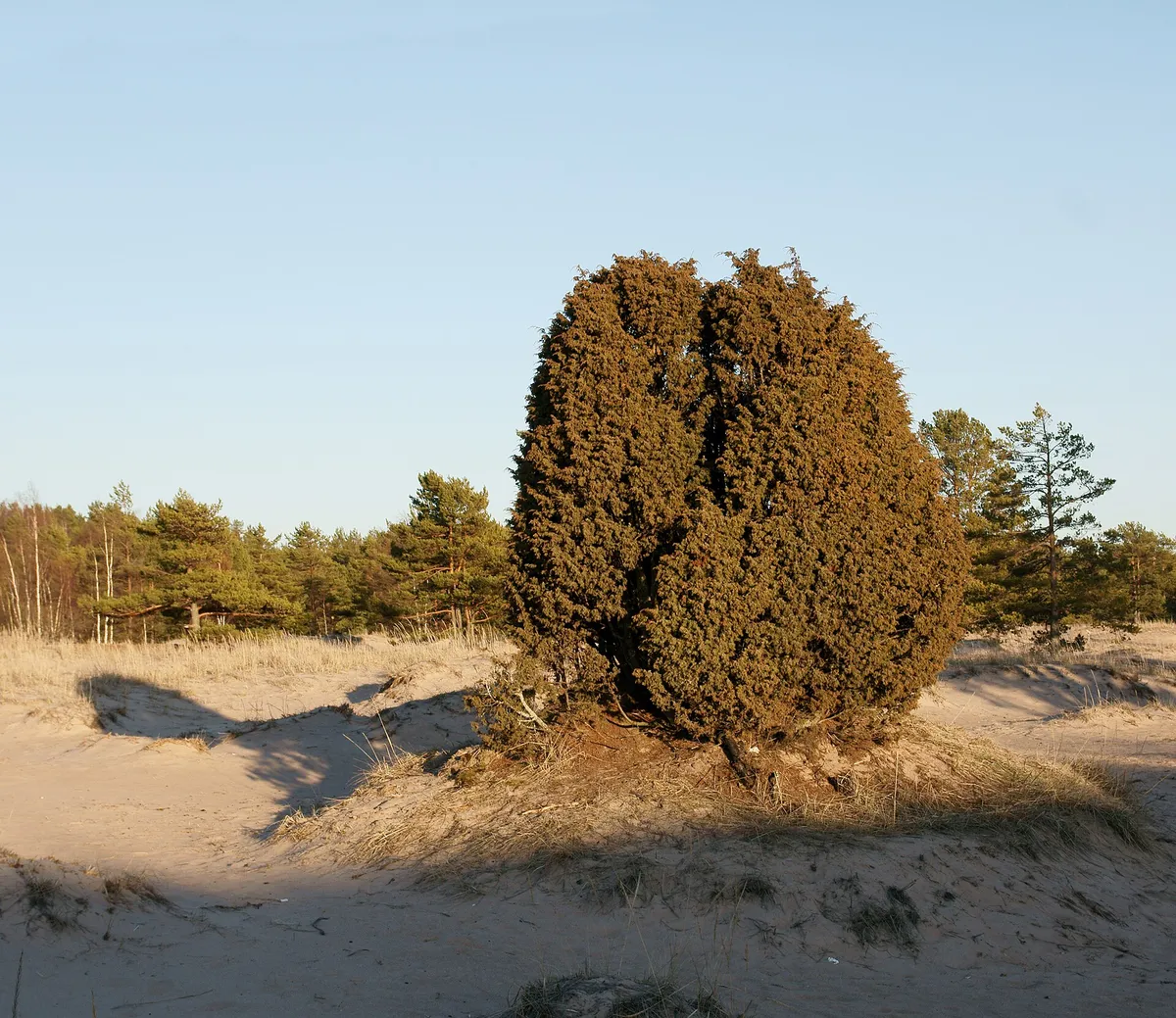
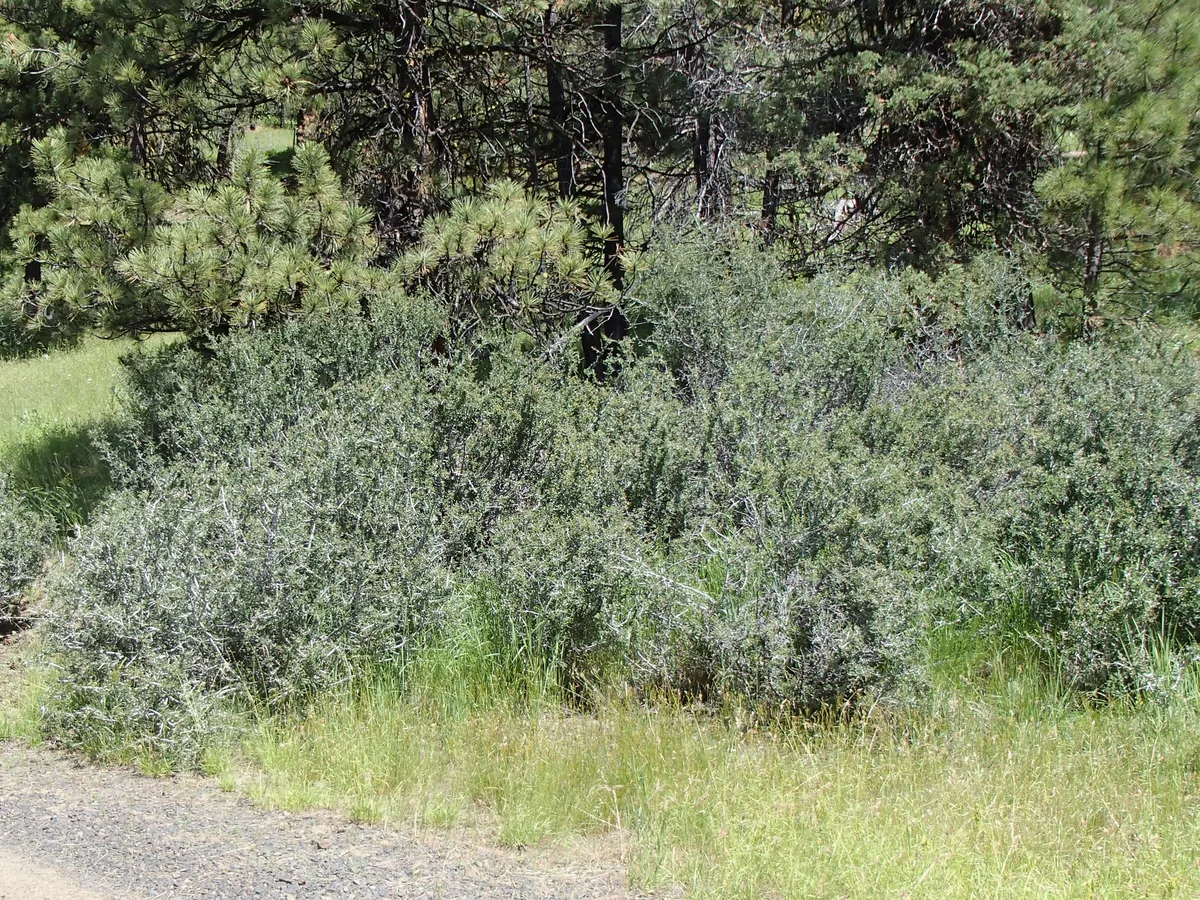
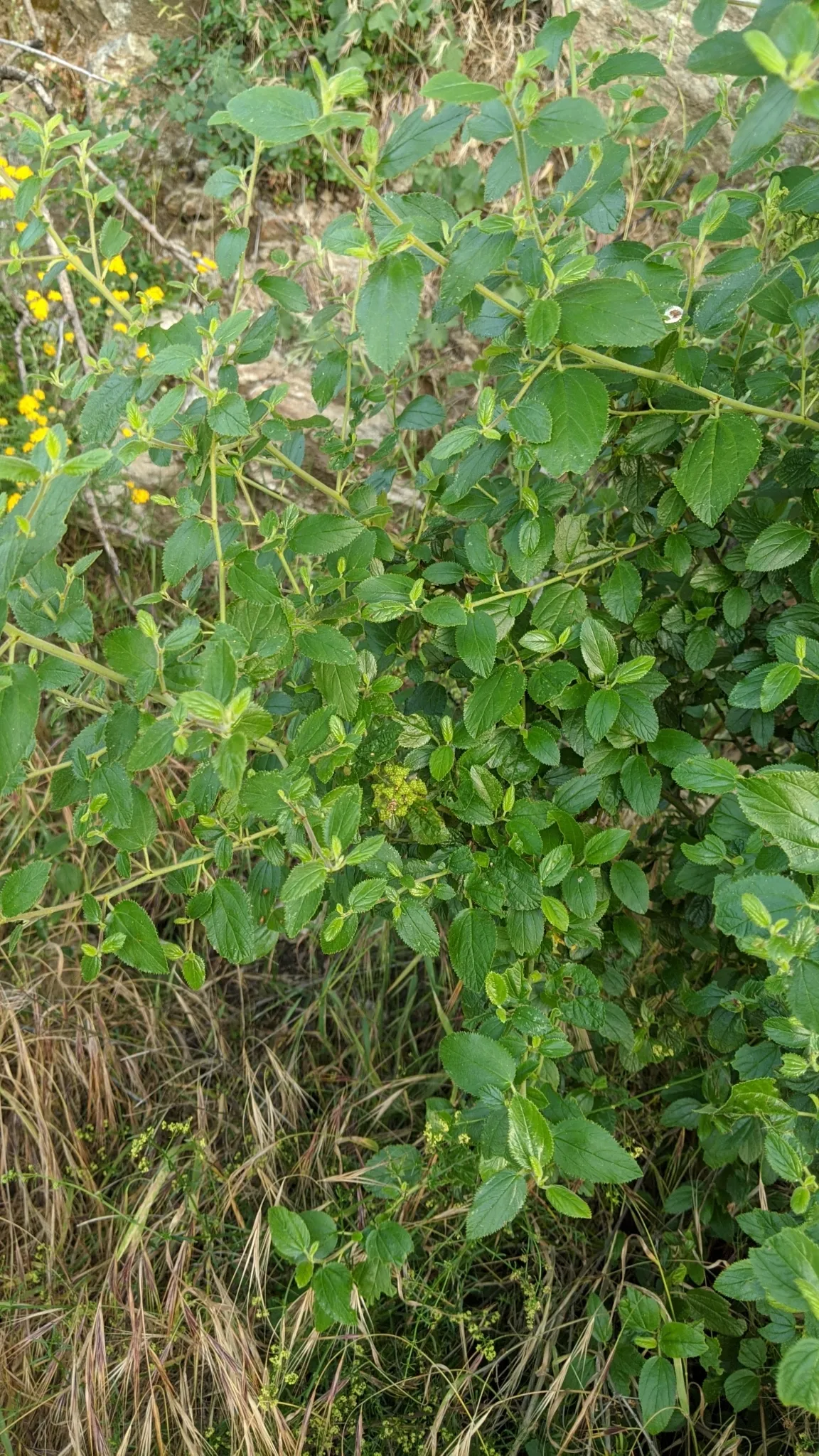
Rosemary is not native to the United States. These natives fill a similar role in a planting, matched on bloom season, bloom color and mature size.
Before you buy
Your city may pay you to plant this
Cities and water utilities offer rebates for replacing lawn with native and water-wise plants. We track 458 programs across 44 states, each with a link to the provider and the date we last checked it.
Find rebates in your areaPicture natives in your own yard
Wondering what could grow where Rosemary is now? Upload a photo of the spot and Patch Vision shows a rendering of it replanted with natives for your region.


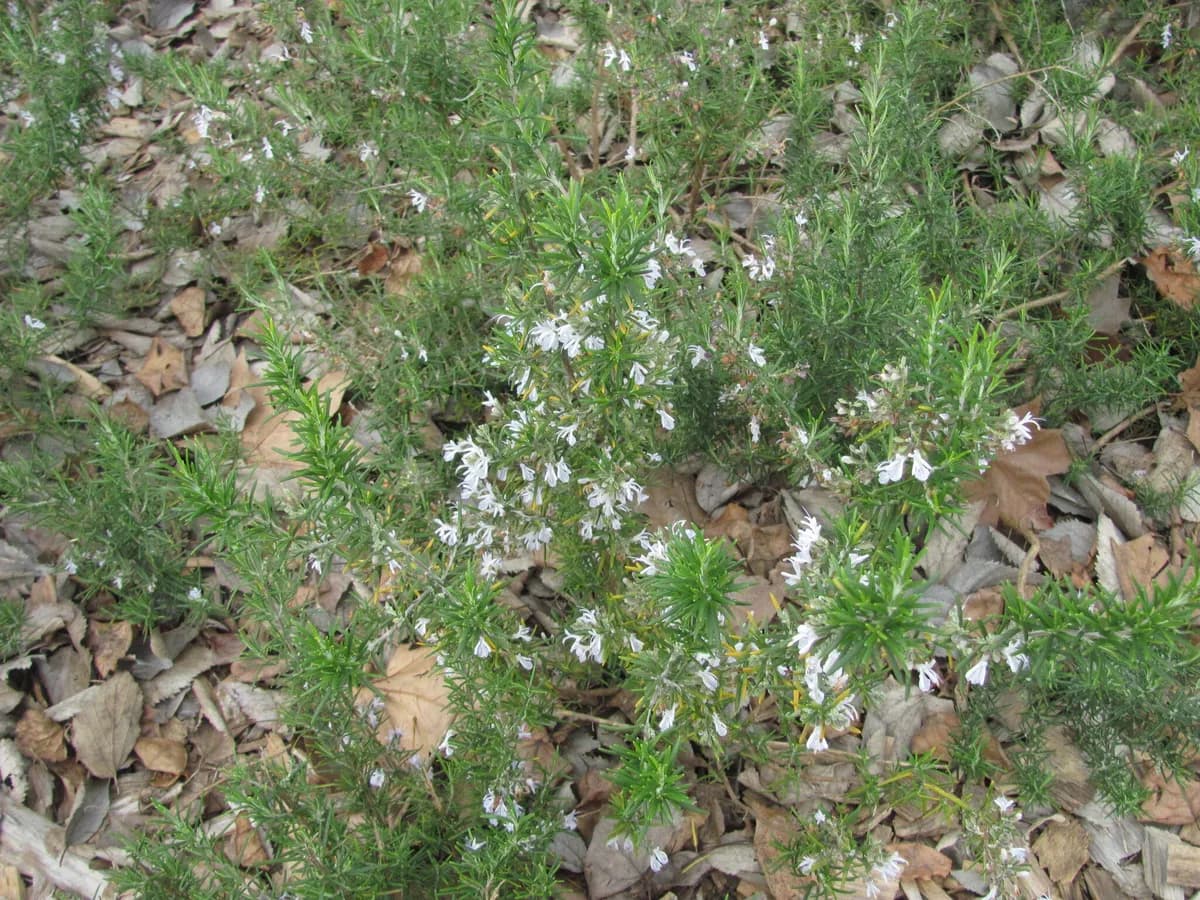
A woody evergreen shrub with narrow resinous aromatic leaves used in cooking, and small blue flowers. It needs full sun and sharp drainage, and root rot in heavy wet soil is the usual cause of death. It can be sheared into a low informal hedge.
How to care for Rosemary, by region
How to care for Rosemary where it is actually grown: year-round basics plus what to do each season, region by region, with the sources for each.
Care guidance last updated: September 2026
Piedmont (includes Atlanta, GA)
Year-round
Rosemary grows well in metro Atlanta as a tough, drought-tolerant evergreen herb, as long as it gets full sun and fast-draining soil. It is a Mediterranean herb rather than a Southeast native plant, so this is care guidance only, not a planting recommendation.
- Give it at least 6 to 8 hours of full sun and well-drained soil. Poor drainage is the main way rosemary struggles in Atlanta's clay-heavy yards.
- Plant slightly above grade or mound the soil under the roots so water sheds away instead of sitting against the base of the stem.
- Skip rich soil and heavy fertilizer. Rosemary actually does better in lean, low-fertility ground than in a fussy garden bed.
- Once established, water deeply but infrequently. It tolerates drought far better than it tolerates wet roots.
- Rosemary is not on the ASPCA's toxic plant list for dogs, cats, or horses, so it is a reasonable herb to plant near pet areas.
Kept trimmed into a low mound or short hedge along a walkway or foundation bed, rosemary reads as a neat, intentional planting.
Fall
Fall in metro Atlanta is for light tidying only. Save any real pruning for spring, since cutting Southeast rosemary hard in fall exposes tender new growth to winter cold.
- Stick to light, informal trims for kitchen use. This is not the season for a hard shaping cut.
- Stop fertilizing by early fall so the plant is not pushing soft new growth right before the first cold snap.
- Clear fallen leaves and mulch that build up against the base of the plant. Trapped moisture there feeds root rot going into a wet winter.
- If it has sprawled over a walkway or bed edge, do a light edging trim now rather than a deep cutback.
A light edge trim rather than a hard cutback keeps rosemary looking intentional near a front walk through the winter months.
Winter
Rosemary is only marginally cold-hardy in metro Atlanta, so winter care is mostly about the cultivar you planted and getting a young plant through hard freezes.
- Cold-hardy cultivars like Arp, hardy to about negative 10 degrees F, and Hill's Hardy or Madeline Hill, hardy to about 0 degrees F, handle Atlanta winters far better than a generic nursery rosemary.
- A well-established, well-drained planting can come through an Atlanta winter with no protection at all. A young or recently planted rosemary is the one at real risk.
- In a hard freeze or ice event, a breathable frost cloth over the plant overnight gives extra insurance, especially for its first winter or two in the ground.
- Never prune into the brown, leafless wood in the plant's interior over winter. It will not grow back from there.
- A potted rosemary that has not been through a full growing season outdoors is safer moved to a sheltered spot or indoors during hard freezes.
Rosemary stays evergreen through Atlanta winters, which gives a front bed a green anchor when most perennials have died back for the season.
Spring
Spring is planting season for new rosemary in metro Atlanta and the best window for any real pruning.
- Wait until mid to late spring, after the last frost has passed, to put new rosemary in the ground. Cool, wet spring soil is hard on young roots.
- This is the time for a real shaping cut, not fall. Prune for shape in late spring into early June, since pruning later in the season leaves tender new growth exposed to winter cold.
- Never cut into the woody, leafless interior of the plant. It will not resprout from bare wood.
- If it is in a pot, this is when to start a light, diluted liquid fertilizer. In-ground plants usually do not need it.
A late-spring shaping keeps the plant compact and tidy going into summer, which reads better from the curb than letting it sprawl.
Summer
Atlanta summers bring heat rosemary handles easily, but humidity and heavy rain are the real watch items, so drainage stays the priority.
- Rosemary handles Atlanta's summer heat with no trouble. The bigger risk is root rot from humidity and heavy thunderstorm rain sitting in the root zone.
- Let the soil dry out between waterings. Overwatering in summer is more likely to hurt it than underwatering.
- Harvest sprigs regularly, cutting pieces around 8 to 10 inches once the plant has enough new growth. Regular harvesting also keeps it from getting leggy.
- Watch container plants more closely than in-ground ones. Pots dry out faster in Georgia heat and need more consistent moisture.
Sources: ASPCA: Rosemary (Toxic and Non-Toxic Plants), UGA Extension, Keep Bartow Beautiful: Rosemary, Fine Gardening: How to Grow Rosemary in the Southeast (community tip), Walter Reeves, The Georgia Gardener: Rosemary (community tip), Walter Reeves, The Georgia Gardener: Tuscan Blue Rosemary, Surviving in the Cold (community tip)
Texas Blackland Prairies (includes Dallas, TX)
Year-round
Rosemary is a Mediterranean herb, not native to North Texas, and the Dallas area's heavy Blackland Prairie clay is a bigger threat to it than the region's summer heat. Give it full sun and sharp drainage and it typically holds up as a woody evergreen shrub for most of the year here.
- Plant it in a raised bed, berm, or large container filled with loamy, well-drained soil rather than directly in unamended clay. Standing water around the roots, not the heat, is the main way rosemary dies in this area.
- Give it at least 6 hours of direct sun and water only about once every 1 to 2 weeks once established, letting the soil dry out fully between waterings.
- Choose a variety Texas A&M AgriLife lists as well suited locally, such as Arp or Blue Boy, which tend to handle the region's clay and cold snaps better than some ornamental types.
- According to the ASPCA, rosemary (listed there under its older name, Rosmarinus officinalis, the same plant now also called Salvia rosmarinus) is not on its toxic plant list for dogs, cats, or horses.
Fall
Fall is the time to do one last light prune and get rosemary ready for winter before the first frost typically arrives in mid-November.
- Do a final light trim in early fall so the plant isn't pushing tender new growth right before a cold snap. Avoid heavy pruning close to the first frost.
- Mulch around the base with a few inches of shredded bark or compost to insulate the roots, keeping the mulch pulled back a bit from the woody stem.
- If the planting spot tends to hold water after fall rains, improve drainage or move container plants to a better-draining spot before winter sets in.
- In-ground plants that are otherwise healthy generally tolerate a light freeze, but plan to cover or move young or container plants ahead of the season's first hard freeze.
A tidy fall trim and a fresh mulch ring read as intentional going into winter, rather than a leggy or bare-looking bed that might draw HOA attention.
Winter
Rosemary usually rides out a typical Dallas winter outdoors without much trouble, but a hard freeze can still damage or kill it, so the main job is watching the forecast and protecting the plant ahead of a hard freeze rather than treating it as done for the season.
- Ahead of any forecast freeze into the low teens or lower, cover the plant with a tarp, blanket, or frost cloth and add an insulating layer of hay, straw, or compost over the root zone, per Texas A&M AgriLife guidance.
- Keep watering sparingly through winter. Even dormant, rosemary sitting in soggy clay is more likely to die from root rot than from cold.
- Hold off on fertilizer and heavy pruning until spring. Pruning now encourages tender new growth that's more vulnerable to freeze damage.
- Container plants are more exposed to cold than in-ground plants, so move pots against a south-facing wall or into a garage during the hardest freezes.
Leaving rosemary's evergreen shape mostly intact through winter, rather than cutting it back hard, reads as intentional and green in a front bed during the months when an HOA is more likely to notice bare or ragged plantings.
Spring
Spring is rosemary's bloom season in Dallas and the best time to prune and shape the plant once the last frost has passed, usually by mid to late March.
- Wait until after the average last frost before pruning out any winter-damaged tips, then shape lightly to encourage bushy new growth.
- If growth looks pale or stunted, this is the one time of year Texas A&M AgriLife recommends a light all-purpose fertilizer, applied to the soil rather than directly on the foliage to avoid leaf burn.
- The small blue spring flowers are normal and draw in early-season pollinators. Deadheading isn't necessary.
- Check that the raised bed or container drains well before spring rains pick up. Standing water after a storm is the biggest spring risk in this area's clay soil.
A light prune right after the last frost reads as tended and intentional in a front bed, rather than left ragged with winter-browned tips.
Summer
Dallas summers are hot, but heat is rarely rosemary's problem here. The bigger summer risk is overwatering during heavy rain or high humidity, which can lead to root rot or powdery mildew.
- Water established plants only every 1 to 2 weeks and let the soil dry out between waterings. Rosemary's needle-like leaves don't wilt the way broad leaves do, so overwatering can go unnoticed until roots rot.
- Container plants dry out faster than in-ground beds, so pots may need water more often, sometimes daily, during the hottest stretches.
- Watch for spider mites and mealybugs, and prune out crowded growth to improve airflow, which lowers the odds of powdery mildew during humid weeks.
- For mealybugs or the foamy spittlebug masses that sometimes show up on rosemary, a spray of water or insecticidal soap usually handles it without harsher chemicals.
Sources: ASPCA Toxic and Non-Toxic Plants: Rosemary, Texas A&M AgriLife Extension: Easy Gardening - Rosemary (E-623), Texas A&M AgriLife Today: Herb Gardening Tips for Texas
In an HOA neighborhood
Rosemary is an HOA-friendly choice. Maintenance level: low. Tidiness: 4 out of 5.
Works well in: front yard, foundation bed, border.
Wildlife value
Flowers offer nectar that generalist visitors will use, but as a non-native it feeds no local caterpillars. Treat it as garden interest rather than habitat.
Common questions
- How much sun does Rosemary need?
- Rosemary grows best in full sun conditions.
- When does Rosemary bloom?
- Rosemary blooms in March, April, and May.
- Is Rosemary HOA-friendly?
- Rosemary is generally an HOA-friendly choice in the right placement, with low maintenance.
Pollinator and host plant associations compiled from GBIF, iNaturalist, and published ecological literature.
If something looks wrong
Common plant problems, and what to check first
These come up on almost any plant. Each guide lists the likely causes in the order they are worth ruling out, with one thing to check before you act on any of them, and links to the source it came from.
- It is dying right after planting
- Leaves turning yellow
- Wilting even though I watered it
- Brown crispy leaf tips
- Bugs on the plant
Ready to grow Rosemary? Add it to your garden in Pollinator Patch to track it and get season-by-season care guidance.