Rugosa Rose
Rosa rugosa
Last reviewed: October 2026
Rugosa Rose (Rosa rugosa) is a perennial shrub. It blooms in May, June, July, and August.
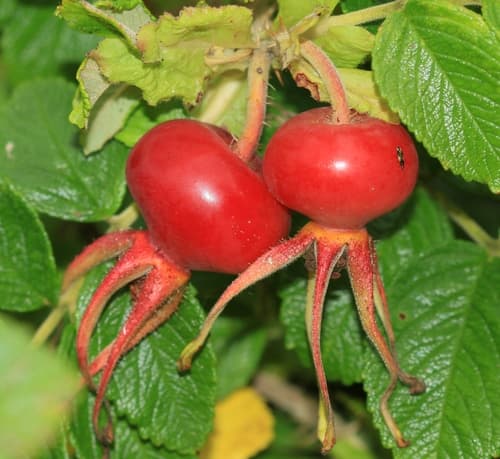
Rugosa Rose (Rosa rugosa) is not on the ASPCA Animal Poison Control Center toxic plant list for dogs or cats (aspca.org (opens in new tab), last reviewed 2026-08-15). If your pet shows symptoms after eating any plant, call the ASPCA at (888) 426-4435.
Light
full sun
Water
low
Size
36"–72" H × 36"–72" W
Bloom
May, Jun, Jul, Aug
Native alternatives to Rugosa Rose
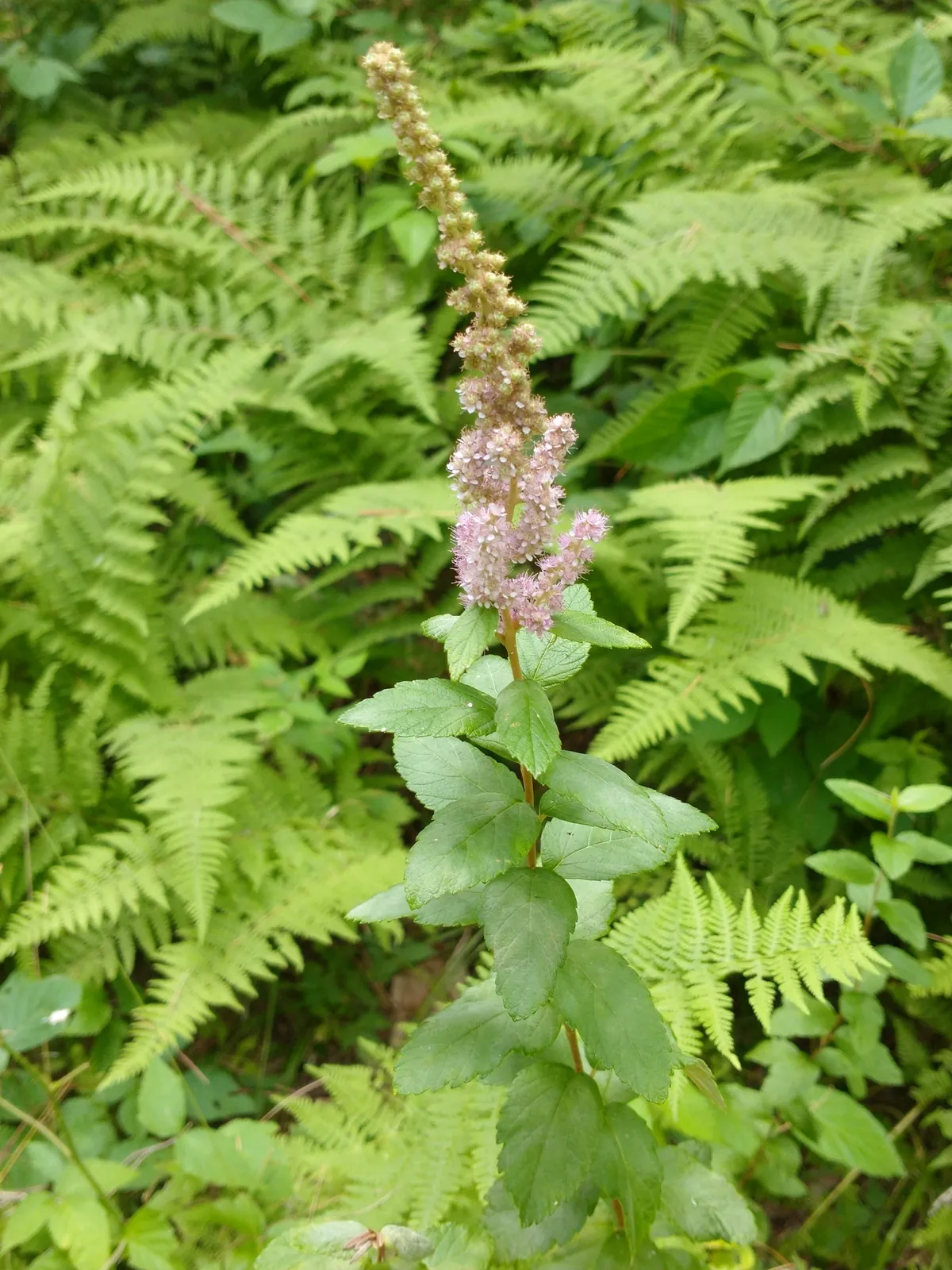
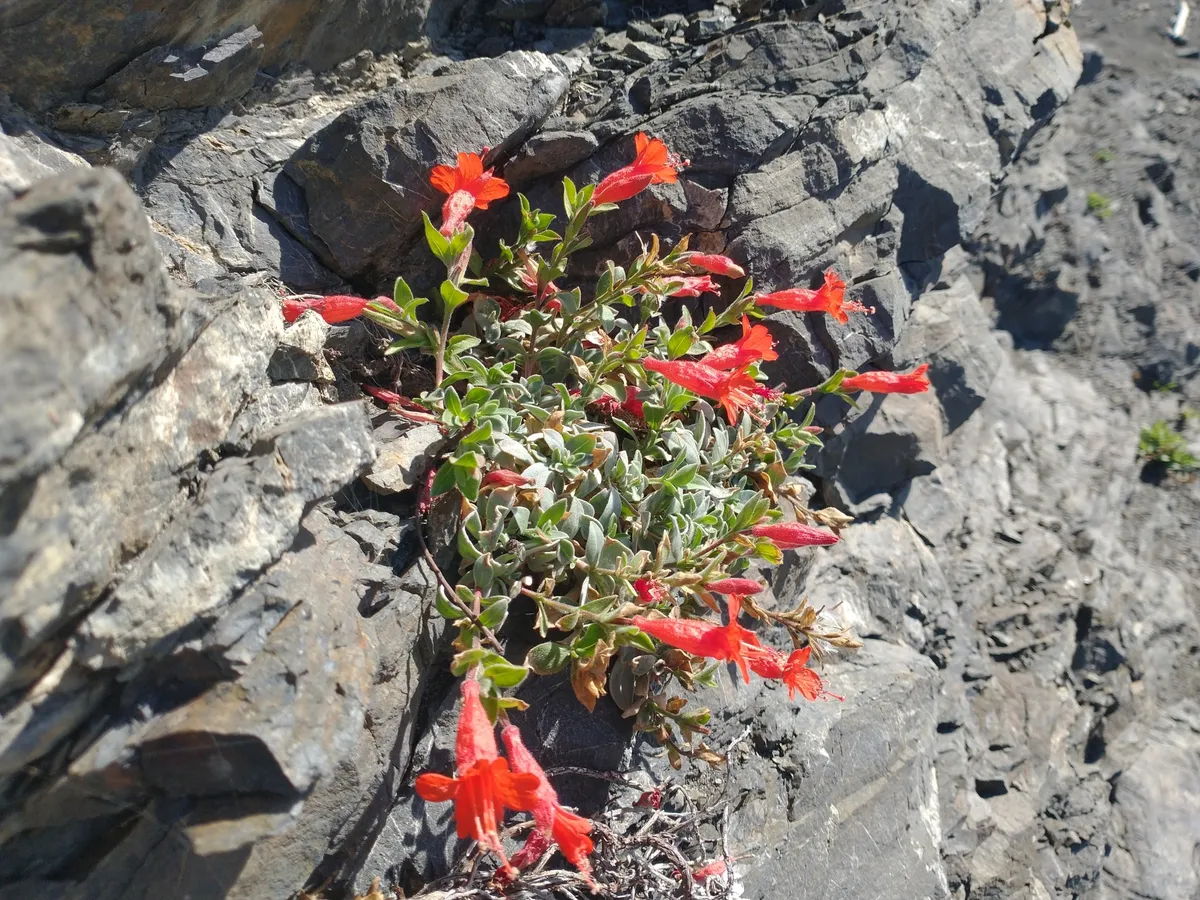
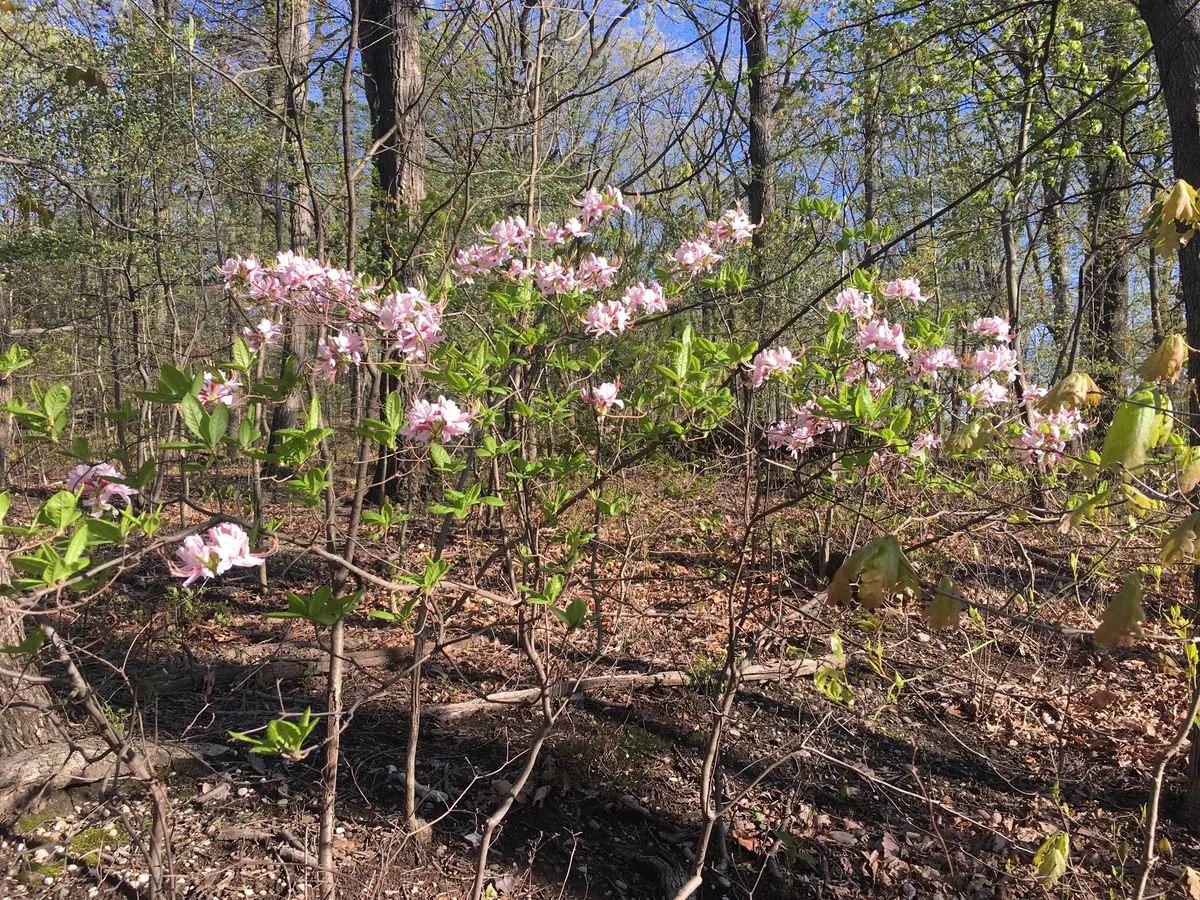
Rugosa Rose is not native to the United States. These natives fill a similar role in a planting, matched on bloom season, bloom color and mature size.
Before you buy
Your city may pay you to plant this
Cities and water utilities offer rebates for replacing lawn with native and water-wise plants. We track 460 programs across 44 states, each with a link to the provider and the date we last checked it.
Find rebates in your areaPicture natives in your own yard
Wondering what could grow where Rugosa Rose is now? Upload a photo of the spot and Patch Vision shows a rendering of it replanted with natives for your region.


A tough thicket forming shrub rose with wrinkled leaves, single fragrant flowers through summer, and large red hips in fall. It tolerates salt, sand, and neglect. It suckers freely and can spread well beyond where it was planted.
Growing Rugosa Rose
Grow Rugosa Rose in full sun and low water. Mature plants reach 36 to 72 inches tall and spread 36 to 72 inches wide. Expect low maintenance to keep it looking intentional in a front yard.
How to care for Rugosa Rose, by region
How to care for Rugosa Rose where it is actually grown: year-round basics plus what to do each season, region by region, with the sources for each.
Care guidance last updated: August 2026
Texas Blackland Prairies (includes Dallas, TX)
Year-round
Rugosa rose is bred for cool coastal climates. NC State Extension lists it hardy in USDA zones 2a to 7b, and Dallas sits in zone 8a, so this shrub works at the warm edge of its usual range here. The ASPCA lists roses, the genus Rosa, as not on its toxic plant list for dogs, cats, and horses, though that listing covers the genus rather than this exact species.
- Give it full sun and a spot with good air movement. Blackland Prairie clay combined with Dallas's humid nights pushes rugosa toward black spot, rust, and powdery mildew faster than in its usual cooler range.
- Rugosa prefers acidic to neutral soil, and much of the Dallas area runs alkaline. Watch for yellowing between the leaf veins, a sign of iron chlorosis, and treat with a chelated iron product or work elemental sulfur into the soil if it shows up.
- It suckers freely and spreads into thickets. Plan on 4 to 6 feet of width and use a root barrier or regular edging if you want it to stay inside its bed.
- Water deeply but infrequently once established. Good drainage in the clay matters more than extra watering.
Fall
Fall in Dallas is when rugosa's hips turn deep red, and the growing season runs up to the average first freeze around November 22. This is the point to stop fertilizing and let the plant harden off instead of pushing tender new growth into the cold.
- Give a final feeding by early to mid September, well ahead of the average November 22 first freeze, then stop. New growth pushed too late doesn't have time to harden before cold arrives.
- Skip hard pruning now. Cutting back canes in fall can trigger tender new growth that an early freeze will damage. Save major pruning for late winter.
- Rake up and dispose of fallen leaves instead of composting them, especially if black spot or rust showed up over summer. Fallen leaves carry fungal spores into next year.
- Leave the ripening red hips on the plant. They are the fall show and a food source for wildlife.
Fallen leaf litter under the shrub can read as unkempt from the street. A fall cleanup that clears spotted leaves keeps the bed tidy and doubles as disease control, a combination that reads as cared for rather than neglected.
Winter
Rugosa rose is hardy enough that Dallas winters, typically mild with only occasional hard freezes after the average November 22 first freeze, pose little cold risk to this shrub. The bigger task is holding off on major pruning and letting the bare, thorny canes and red hips carry the shrub's winter look until late February.
- Skip major pruning until late February to early March. An occasional hard freeze or ice event can still damage any new growth that an early cut encourages.
- Remove only dead, damaged, or clearly diseased canes now. A light winter cleanup keeps deadwood from harboring pests without triggering a growth flush.
- Keep 2 to 3 inches of mulch over the root zone. Dallas winters bring dry cold snaps and wind, and mulch buffers both.
- The red hips and bare, structural canes are the winter interest. Leave them rather than cutting the shrub back hard.
A bare, thorny rugosa can look untended in winter dormancy. A light tidy of dead wood and a clean mulch ring keep the bed looking intentional through the off season without triggering the tender growth a hard freeze would damage.
Spring
In Dallas, prune rugosa rose in late February to early March, just before new growth starts and after the average last freeze, which lands around March 12 in the DFW area. Feed it about two weeks after pruning to support the new growth, and expect the first blooms by late May.
- Cut canes back by about a third to a half, remove dead or crossing wood, and cut just above an outward-facing bud at a 45 degree angle to keep the center open for airflow.
- Feed with a balanced rose fertilizer roughly two weeks after pruning, then again every four to six weeks through the growing season.
- Check new growth for aphids, a common early spring visitor, and hose them off or treat before they build up.
A tidy late-winter to early-spring prune, done before new growth breaks, keeps a front-yard rugosa reading as a deliberate hedge rather than an overgrown thicket, the shape that heads off an HOA letter about untrimmed shrubs.
Summer
Dallas summers run hot with humid nights, the exact combination that favors black spot and powdery mildew on rugosa rose. Established plants tolerate the heat and are drought tolerant once rooted in, but they still want a deep soak during stretches without rain.
- Water deeply once a week during hot, dry spells rather than lightly and often. Established plants handle Dallas heat, but shallow watering encourages a shallow root system.
- Leave some summer flowers unpicked if you want the red hips rugosa is known for in fall. Deadheading every bloom trades away the hip display.
- Watch for black spot and powdery mildew on humid nights. Remove spotted leaves rather than composting them, and avoid overhead watering that keeps foliage wet into the evening.
- Keep 2 to 3 inches of mulch down through summer. It keeps roots cooler and holds moisture in the clay.
If faded blooms read as messy from the street, deadhead just the front-facing canes for a tidy look and let the canes further back go to hip. That keeps the bed looking intentional without giving up the fall hip display entirely.
Sources: NC State Extension Gardener Plant Toolbox: Rosa rugosa, Missouri Botanical Garden Plant Finder: Rosa rugosa, ASPCA Toxic and Non-Toxic Plants: Rose, Marshall Grain Co: The Art of Pruning Roses, a Guide for Dallas-Fort Worth Gardeners, National Weather Service Fort Worth: Dallas-Fort Worth climate and freeze data, Round Rock Gardens: Rose Care in Central Texas
In an HOA neighborhood
Rugosa Rose takes more care to keep looking intentional in a front yard. Maintenance level: low. Consider it for backyard or mid-zone beds rather than the street edge.
Works well in: front yard, foundation bed, border.
- Suckers aggressively and forms thickets beyond the planted area.
- Thorny; keep back from walks and shared edges.
Wildlife value
Flowers offer nectar that generalist visitors will use, but as a non-native it feeds no local caterpillars. Treat it as garden interest rather than habitat.
Common questions
- How much sun does Rugosa Rose need?
- Rugosa Rose grows best in full sun conditions.
- When does Rugosa Rose bloom?
- Rugosa Rose blooms in May, June, July, and August.
- Is Rugosa Rose toxic to dogs?
- Rugosa Rose is not on the ASPCA Animal Poison Control Center toxic plant list for dogs (aspca.org).
- Is Rugosa Rose toxic to cats?
- Rugosa Rose is not on the ASPCA Animal Poison Control Center toxic plant list for cats (aspca.org).
- Is Rugosa Rose HOA-friendly?
- Rugosa Rose takes more care to look intentional in a front yard. Consider it for backyard or mid-zone beds rather than the street edge.
Pollinator and host plant associations compiled from GBIF, iNaturalist, and published ecological literature.
If something looks wrong
Common plant problems, and what to check first
These come up on almost any plant. Each guide lists the likely causes in the order they are worth ruling out, with one thing to check before you act on any of them, and links to the source it came from.
- It is dying right after planting
- Leaves turning yellow
- Wilting even though I watered it
- Brown crispy leaf tips
- Bugs on the plant
Ready to grow Rugosa Rose? Add it to your garden in Pollinator Patch to track it and get season-by-season care guidance.