Russian Mulberry
Morus alba
Last reviewed: October 2026
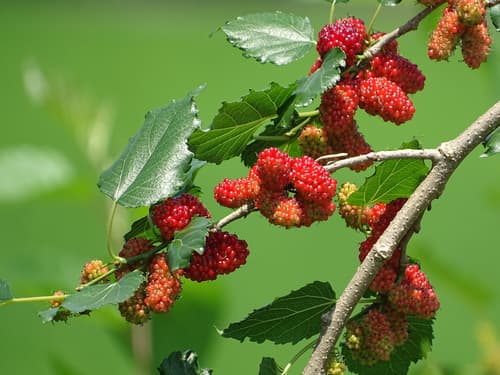
Russian Mulberry (Morus alba) is not on the ASPCA Animal Poison Control Center toxic plant list for dogs or cats (aspca.org (opens in new tab), last reviewed 2026-08-15). If your pet shows symptoms after eating any plant, call the ASPCA at (888) 426-4435.
The USDA PLANTS Database (opens in new tab) does not flag Russian Mulberry as toxic to livestock.
Light
part shade
Water
medium
Size
240"–600" H × 240"–480" W
Bloom
Apr, May
Pollinators
bees, beetles
Native alternatives to Russian Mulberry
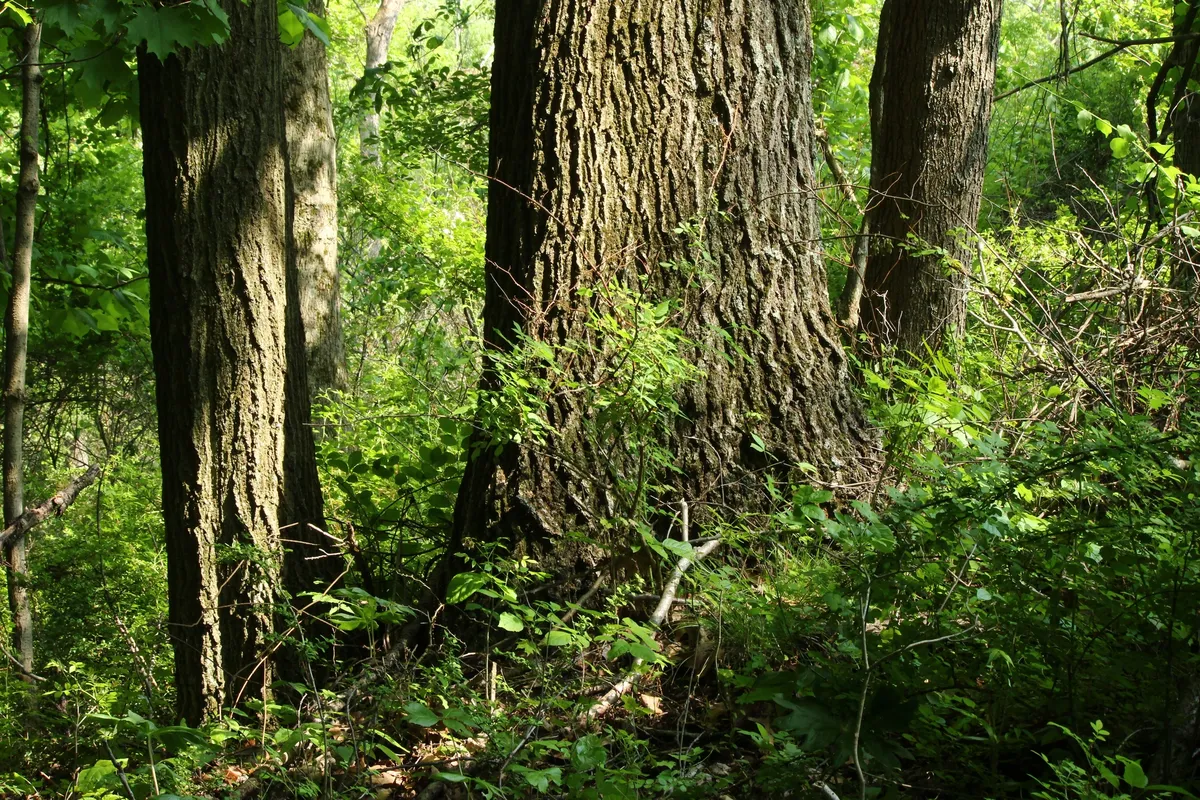
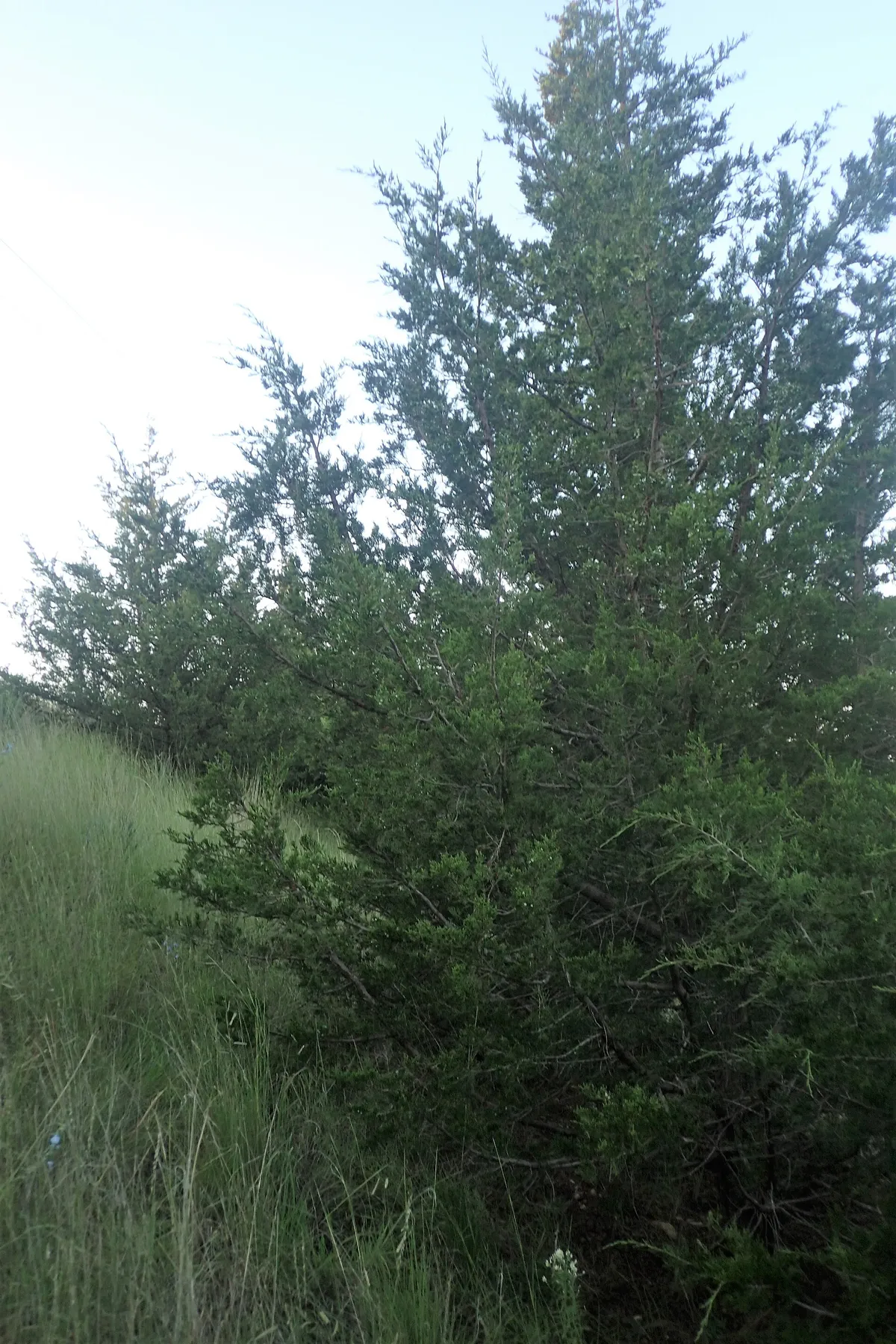
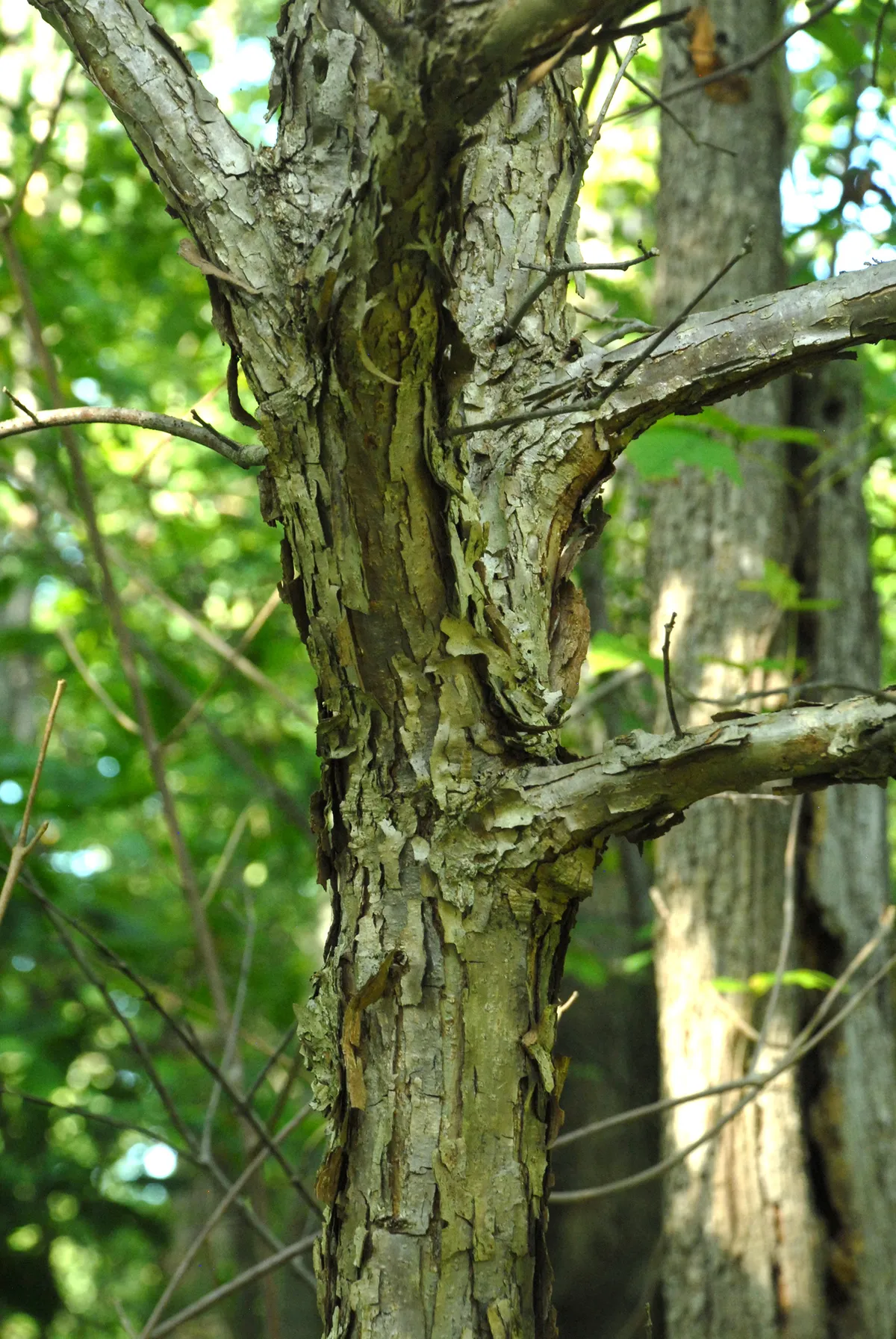
Russian Mulberry is not native to the United States. These natives fill a similar role in a planting, matched on bloom season, bloom color and mature size.
Before you buy
Your city may pay you to plant this
Cities and water utilities offer rebates for replacing lawn with native and water-wise plants. We track 459 programs across 44 states, each with a link to the provider and the date we last checked it.
Find rebates in your areaPicture natives in your own yard
Wondering what could grow where Russian Mulberry is now? Upload a photo of the spot and Patch Vision shows a rendering of it replanted with natives for your region.


Russian mulberry is a fast-growing deciduous tree that reaches 20-50 feet tall with a broad, spreading crown. It produces small greenish flowers in spring followed by edible berries that ripen from white to dark purple in summer. This hardy tree tolerates various soil conditions and provides good shade coverage.
How to care for Russian Mulberry, by region
How to care for Russian Mulberry where it is actually grown: year-round basics plus what to do each season, region by region, with the sources for each.
Care guidance last updated: September 2026
Piedmont (includes Atlanta, GA)
Year-round
White mulberry is a fast growing, introduced shade tree that does fine in typical Atlanta soil and needs little upkeep once established, though it self-seeds readily so it is worth watching for volunteers.
- Give it full sun to partial shade and ordinary well drained soil, it tolerates heat, drought once established, and a wide range of soil pH without special amending.
- Plan for a mature spread of roughly 30 to 50 feet in both height and width, so plant it well clear of the house, driveway, and property line.
- Fresh cuts ooze a milky sap, this is a normal trait of the species and not a sign of a problem, but it is worth knowing before you prune so you are not caught off guard.
- This is an introduced species from Asia that Georgia and several other southeastern states track on invasive plant lists, since it self-seeds into disturbed edges and can hybridize with the native red mulberry, so pull volunteer seedlings before they establish rather than letting them spread toward a wooded edge or fence line.
Fall
Fall leaf drop opens the best pruning window before Atlanta's first freeze, plus some cleanup for the front of the yard.
- Once leaves start dropping, this is the best window for structural pruning, cutting during dormancy avoids the heavy fluid weeping that fresh cuts show in spring and summer.
- Rake and clear fallen leaves and any leftover fruit debris off the front walk, driveway, and curb strip, mulberry litter left on hardscape through fall rain gets slick and can stain.
- Atlanta's first fall freeze typically arrives by early to mid November, aim to finish any major shaping cuts before then.
Raking leaves and fruit debris off the front walk and curb strip before winter is a quick, HOA-conscious way to keep the front yard looking tended.
Winter
The tree sits fully dormant through Atlanta's mild winters and needs almost nothing during that time.
- The tree is fully dormant through Atlanta's mild winters and handles the occasional hard freeze without protection, it is hardy well beyond Atlanta's typical zone 7b to 8a range.
- If fall pruning did not happen, late winter before new growth starts is still a reasonably low-sap window for structural cuts.
- Bare winter branches show the tree's full rounded shape, making this the easiest time of year to judge whether the canopy needs thinning or size reduction.
- Skip watering and feeding, the tree needs neither during winter dormancy.
Spring
Spring is planting and leaf-out season for mulberry in Atlanta, with new growth to manage once the last freeze passes.
- Plant or transplant a young tree in early spring after Atlanta's average last freeze, around late March for the metro area, so new roots have time to settle before summer heat arrives.
- New leaves and small greenish flower clusters show up in March and April, with green fruit starting to form about a month behind.
- Watch for root suckers and low sprouts as the tree pushes its usual vigorous spring growth, and cut them off at the base while they are still small.
- Skip fertilizer on an established tree, it grows fast enough on its own in typical Atlanta clay and heavy feeding just adds more of the soft growth it already produces.
Summer
Atlanta's hot, humid summer brings ripening fruit and fast growth, with little else the tree actually needs.
- Ripe fruit drops from roughly late May through June and can stain patios, driveways, sidewalks, and parked cars, and it tends to draw birds, so plan cleanup or keep vehicles clear of the drip line during that stretch.
- Water a newly planted tree during dry spells for its first two summers, an established tree handles Atlanta's heat and humidity fine on its own and rarely needs extra water.
- Cut back any new root suckers or low sprouts again if summer heat and rain pushed out a fresh flush of growth.
- No spray or fungicide routine is needed, mulberry has no serious pest or disease problems in home landscapes in this area.
Sources: NC State Extension Gardener Plant Toolbox, Morus alba, USDA NRCS Plant Guide, Morus alba (white mulberry), Invasive Plant Atlas of the United States, white mulberry, UGA Extension Climate blog, average first frost date, National Weather Service Peachtree City, Last Spring Freeze Dates in Georgia
In an HOA neighborhood
Russian Mulberry takes more care to keep looking intentional in a front yard. Maintenance level: moderate. Consider it for backyard or mid-zone beds rather than the street edge.
Works well in: backyard only.
- Messy fruit drop stains walkways and cars
- Very large mature size may violate spacing requirements
- Fast growth can appear uncontrolled without regular pruning
Wildlife value
The spring flowers attract bees and beetles for pollination. Birds eagerly consume the abundant berries, making this an excellent wildlife food source.
Common questions
- How much sun does Russian Mulberry need?
- Russian Mulberry grows best in part shade conditions.
- When does Russian Mulberry bloom?
- Russian Mulberry blooms in April and May.
- Is Russian Mulberry toxic to dogs?
- Russian Mulberry is not on the ASPCA Animal Poison Control Center toxic plant list for dogs (aspca.org).
- Is Russian Mulberry toxic to cats?
- Russian Mulberry is not on the ASPCA Animal Poison Control Center toxic plant list for cats (aspca.org).
- Is Russian Mulberry toxic to livestock?
- The USDA PLANTS Database does not flag Russian Mulberry as toxic to livestock.
- What pollinators does Russian Mulberry attract?
- Russian Mulberry draws bees and beetles.
- Is Russian Mulberry HOA-friendly?
- Russian Mulberry takes more care to look intentional in a front yard. Consider it for backyard or mid-zone beds rather than the street edge.
Pollinator and host plant associations compiled from GBIF, iNaturalist, and published ecological literature.
If something looks wrong
Common plant problems, and what to check first
These come up on almost any plant. Each guide lists the likely causes in the order they are worth ruling out, with one thing to check before you act on any of them, and links to the source it came from.
- It is dying right after planting
- Leaves turning yellow
- Wilting even though I watered it
- Brown crispy leaf tips
- Bugs on the plant
Ready to grow Russian Mulberry? Add it to your garden in Pollinator Patch to track it and get season-by-season care guidance.