Siskiyou Lewisia
Lewisia cotyledon
Last reviewed: September 2026
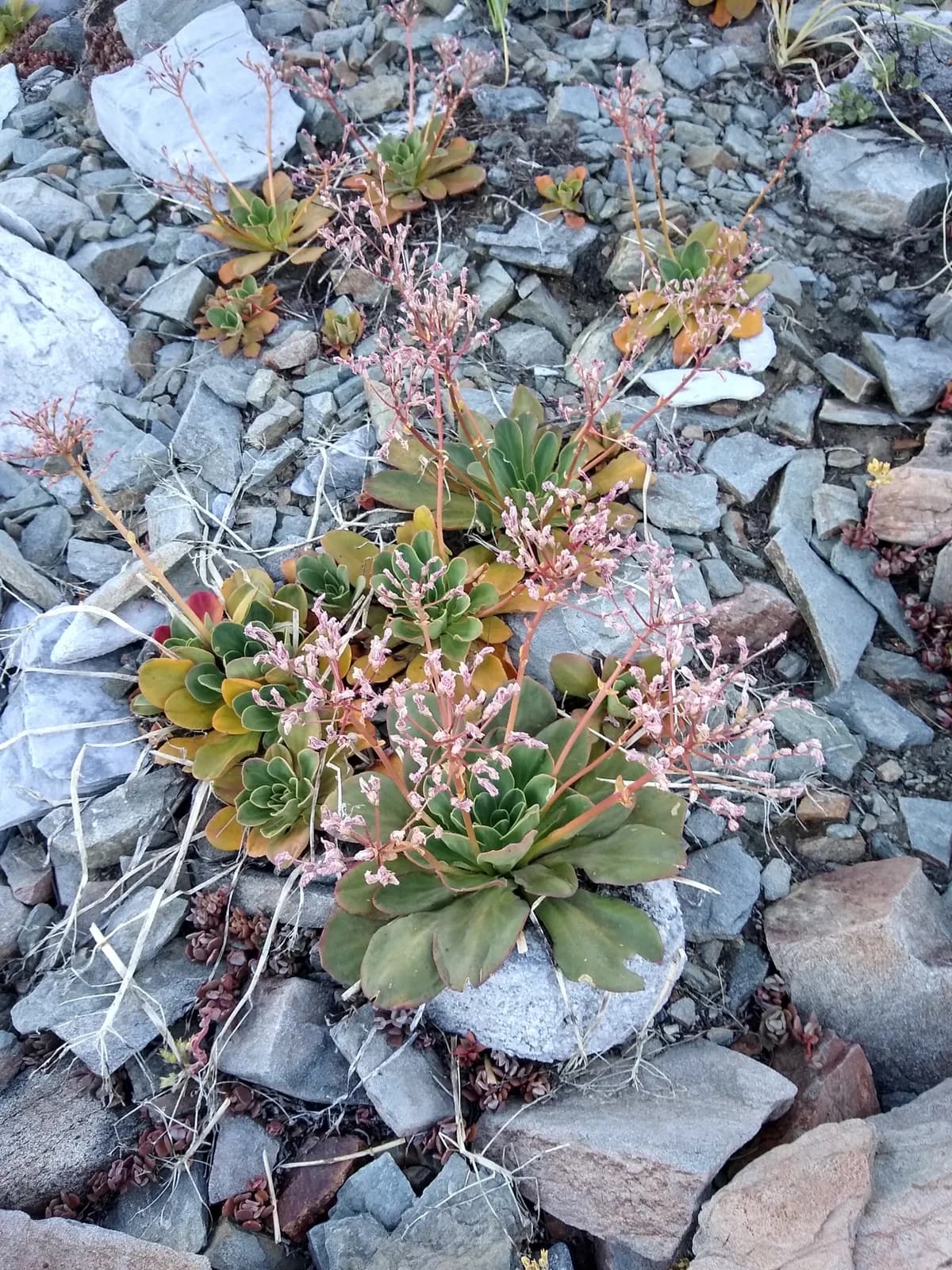
Lewisia cotyledon is an evergreen succulent that blooms from May to July, producing pink, apricot, or white striped flowers favored by bees and butterflies. It grows well in part sun with low water on rocky, well drained slopes.
Siskiyou Lewisia (Lewisia cotyledon) is not flagged as toxic to dogs or cats by Plants For A Future (PFAF) (opens in new tab) (last reviewed 2026-05-21). This verdict does not come from the ASPCA. If your pet shows symptoms after eating any plant, call the ASPCA at (888) 426-4435.
Light
part sun
Water
low
Size
4"–12" H × 6"–12" W
Bloom
May, Jun, Jul
Native to
CA, OR
Pollinators
bees, butterflies
Before you buy
Your city may pay you to plant this
Cities and water utilities offer rebates for replacing lawn with native and water-wise plants. We track 459 programs across 44 states, each with a link to the provider and the date we last checked it.
Find rebates in your areaPicture natives in your own yard
Upload a photo of your yard and Patch Vision shows a rendering of it planted with natives for your region, like Siskiyou Lewisia.


Browse plants for this ecoregion
Siskiyou lewisia is a charming evergreen succulent with rosettes of fleshy, spoon-shaped leaves. It produces showy clusters of star-shaped flowers in shades of pink, white, or orange that bloom above the foliage from late spring through summer.
Growing Siskiyou Lewisia
Grow Siskiyou Lewisia in part sun and low water. Mature plants reach 4 to 12 inches tall and spread 6 to 12 inches wide. Expect low maintenance to keep it looking intentional in a front yard.
How to care for Siskiyou Lewisia, by region
How to care for Siskiyou Lewisia where it is actually grown: year-round basics plus what to do each season, region by region, with the sources for each.
Care guidance last updated: August 2026
Southern California/Northern Baja Coast (includes Los Angeles, CA)
Year-round
Siskiyou lewisia comes from cool, rocky mountain habitat in far northern California and southern Oregon, so growing it well in the Los Angeles area means recreating that gravelly, sharply drained spot rather than expecting it to thrive in ordinary garden soil or full baking sun. Treat it as a rock garden or container plant here, not a typical bed plant.
- Plant in fast draining, gritty soil. If your yard has the clay common in the LA basin, grow this one in a raised bed, trough, or container filled with a cactus or alpine mix instead of amending the native soil.
- Give it morning sun and afternoon shade. Full Los Angeles summer sun on open ground runs much hotter than the mountain habitat this plant comes from.
- Set the crown, where the leaves meet the roots, slightly above the soil line and top dress with fine gravel. A crown that stays damp is the most common way to lose this plant.
- Water when the top inch of soil has dried, then let it dry out again before the next watering. It does not want to stay constantly moist.
Fall
Fall is when Los Angeles rain typically starts returning, which is closer to the natural rhythm of this plant's mountain habitat than the dry summer was, so it is a good time to resume steadier watering and tidy the plant up before the cooler months.
- Fall is a good second planting window alongside spring, since mild temperatures let new plants root in before winter rain arrives in force.
- As rain returns for the season, check that the crown and gravel top dressing are still shedding water rather than holding it. Refresh the gravel if it has settled or washed away over summer.
- Trim off any leaves that got sunburned or tattered over summer so the rosette heads into the wet season looking clean.
Winter
Winter in the Los Angeles area is mild and wet rather than cold and snowy, and that is actually the trickiest part for this plant. In its home mountains, winter cold and snow cover keep it dormant and dry at the crown, but a mild LA winter combined with rain can leave the crown sitting wet for weeks, which is the main way this plant is lost.
- Make sure containers and rock garden pockets are still draining freely during the rainy season. Standing water around the crown after a storm is the real risk here, not cold.
- Skip supplemental watering during the rainy months. Local rainfall is normally enough on its own, and adding more on top of it invites crown rot.
- This species tolerates real cold and snow in its native range, so a typical mild LA winter is not a frost concern. If a rare hard freeze is forecast, moving a container under an eave also has the side benefit of keeping heavy rain off the crown.
Spring
Spring is this plant's main growing and bloom season in the Los Angeles area, roughly matching the point in the year when rain tapers off and the crown finally gets to dry out between waterings.
- Spring is the best time to plant a new lewisia or move one to a better spot, since mild temperatures let roots settle in before summer heat arrives.
- Water once the soil surface has dried, then let the top inch dry out again before the next watering so the crown does not sit wet.
- As flower stalks finish blooming, snip them off near the base. This keeps the rosette from looking spent and can encourage another flush of bloom later in the season.
Snipping off spent bloom stalks keeps a front yard rock garden or container looking tended instead of ragged, which matters more on this plant than most since the whole rosette sits in plain view.
Summer
Summer is the hardest season for this plant in the Los Angeles area. Its native populations spend summer in high, cool mountain air in far northern California and southern Oregon, and LA basin heat is a real mismatch, so the job in summer is protecting it rather than pushing new growth.
- Keep it out of full afternoon sun. A spot with morning sun and shade after early afternoon is much closer to what this plant is used to than a south facing wall or open bed.
- Cut back on water once real heat sets in. Many growers water containers only every couple of weeks during summer, just enough that the gravel and top inch of soil dry between waterings.
- If it is in a container, consider moving the pot to a shadier patio spot for the hottest stretch of summer rather than leaving it in a fixed sunny location.
- Skip fertilizer during summer heat stress. Wait for the cooler growing season to feed it, and even then use a diluted feed.
Sources: Calscape: Lewisia cotyledon var. cotyledon (Siskiyou Lewisia), Lady Bird Johnson Wildflower Center: Lewisia cotyledon, UC ANR, Under the Solano Sun: Lewisia, Epic Gardening: How to Plant, Grow, and Care for Lewisia (community tip)
In an HOA neighborhood
Siskiyou Lewisia is an HOA-friendly choice. Maintenance level: low. Tidiness: 4 out of 5.
Works well in: front yard, foundation, street edge, mid zone.
- Requires excellent drainage to prevent rot
Wildlife value
The brightly colored blooms attract both bees and butterflies, providing valuable nectar during the growing season.
Common questions
- When does Lewisia cotyledon bloom?
- Lewisia cotyledon typically flowers from May through July, sending up clusters of star shaped blooms on short stalks above its rosette of fleshy leaves.
- What pollinators visit Lewisia cotyledon?
- Bees and butterflies are the main visitors, drawn to the bright, star shaped flowers during the plant's late spring to summer bloom period.
- How much light does Lewisia cotyledon need?
- It does best in part sun, with some relief from intense afternoon heat, similar to the dappled light found on rocky slopes and cliff ledges.
- How much water does Lewisia cotyledon need?
- This succulent prefers low water and sharp drainage. Soil that stays wet, especially in winter, can cause the rosettes to rot.
- What growth habit does Lewisia cotyledon have?
- It forms a low, evergreen rosette of thick, fleshy leaves, making it a popular choice for rock gardens, troughs, and container plantings.
- Is Siskiyou Lewisia toxic to dogs?
- Siskiyou Lewisia is not flagged as toxic to dogs by Plants For A Future (PFAF). This verdict does not come from the ASPCA.
- Is Siskiyou Lewisia toxic to cats?
- Siskiyou Lewisia is not flagged as toxic to cats by Plants For A Future (PFAF). This verdict does not come from the ASPCA.
- Is Siskiyou Lewisia HOA-friendly?
- Siskiyou Lewisia is generally an HOA-friendly choice in the right placement, with low maintenance.
These answers were drafted with an AI model from this plant's data. Verify care details with a local expert.
Native range data from vouchered herbarium specimen records and regional native plant society lists. Pollinator and host plant associations compiled from GBIF, iNaturalist, and published ecological literature.
If something looks wrong
Common plant problems, and what to check first
These come up on almost any plant. Each guide lists the likely causes in the order they are worth ruling out, with one thing to check before you act on any of them, and links to the source it came from.
- It is dying right after planting
- Leaves turning yellow
- Wilting even though I watered it
- Brown crispy leaf tips
- Bugs on the plant
Ready to grow Siskiyou Lewisia? Add it to your garden in Pollinator Patch to track it and get season-by-season care guidance.