Spring crocus
Crocus vernus
Last reviewed: September 2026
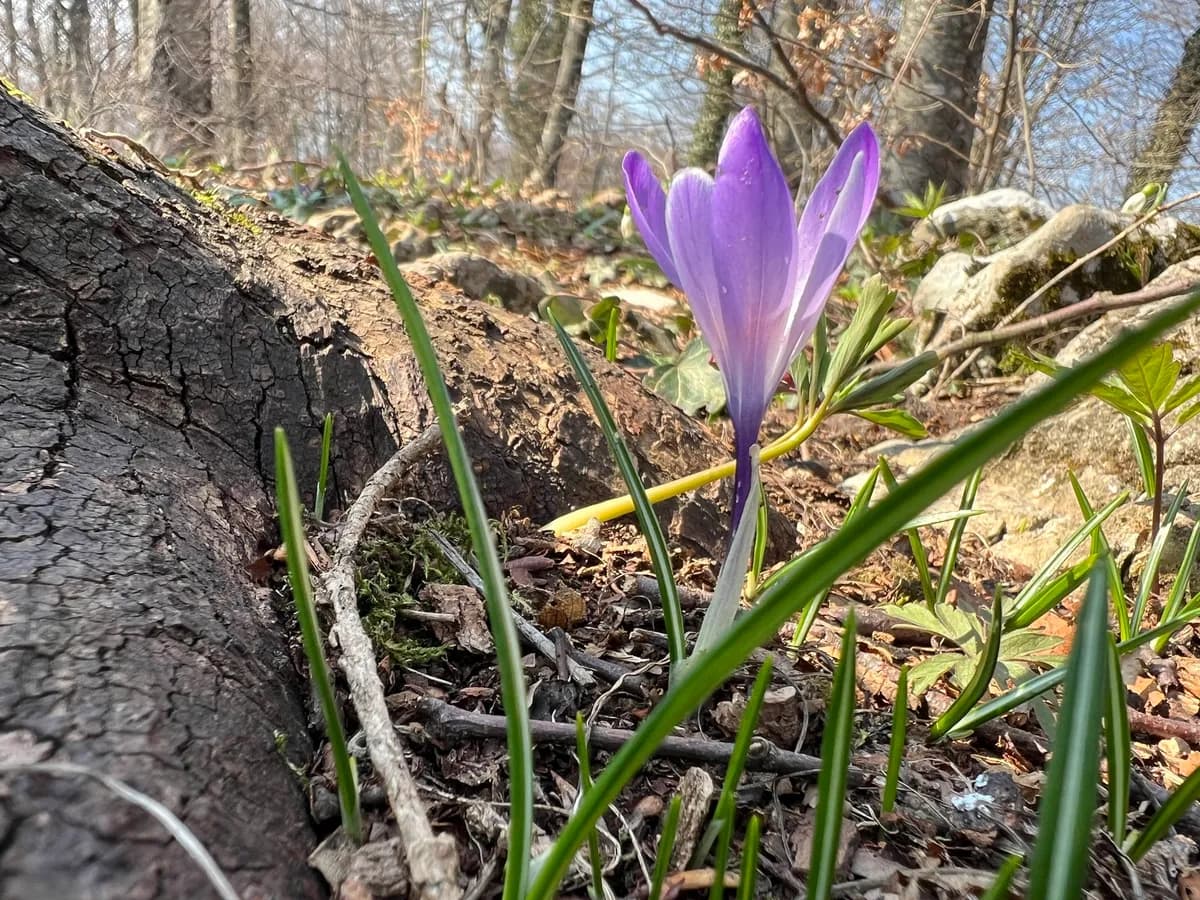
Spring crocus (Crocus vernus) is a perennial forb. It blooms in February and March.
Toxicity unknown
Spring crocus (Crocus vernus) is not listed by the ASPCA Animal Poison Control Center (opens in new tab) or the other sources we check, so we have no verdict for it either way. Absence from those lists is not a clearance. If your pet shows symptoms after eating any plant, call the ASPCA at (888) 426-4435.
Light
full sun
Water
low
Size
3"–6" H × 2"–4" W
Bloom
Feb, Mar
Native alternatives to Spring crocus
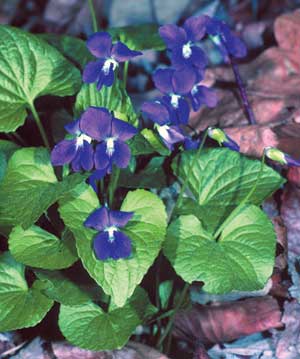
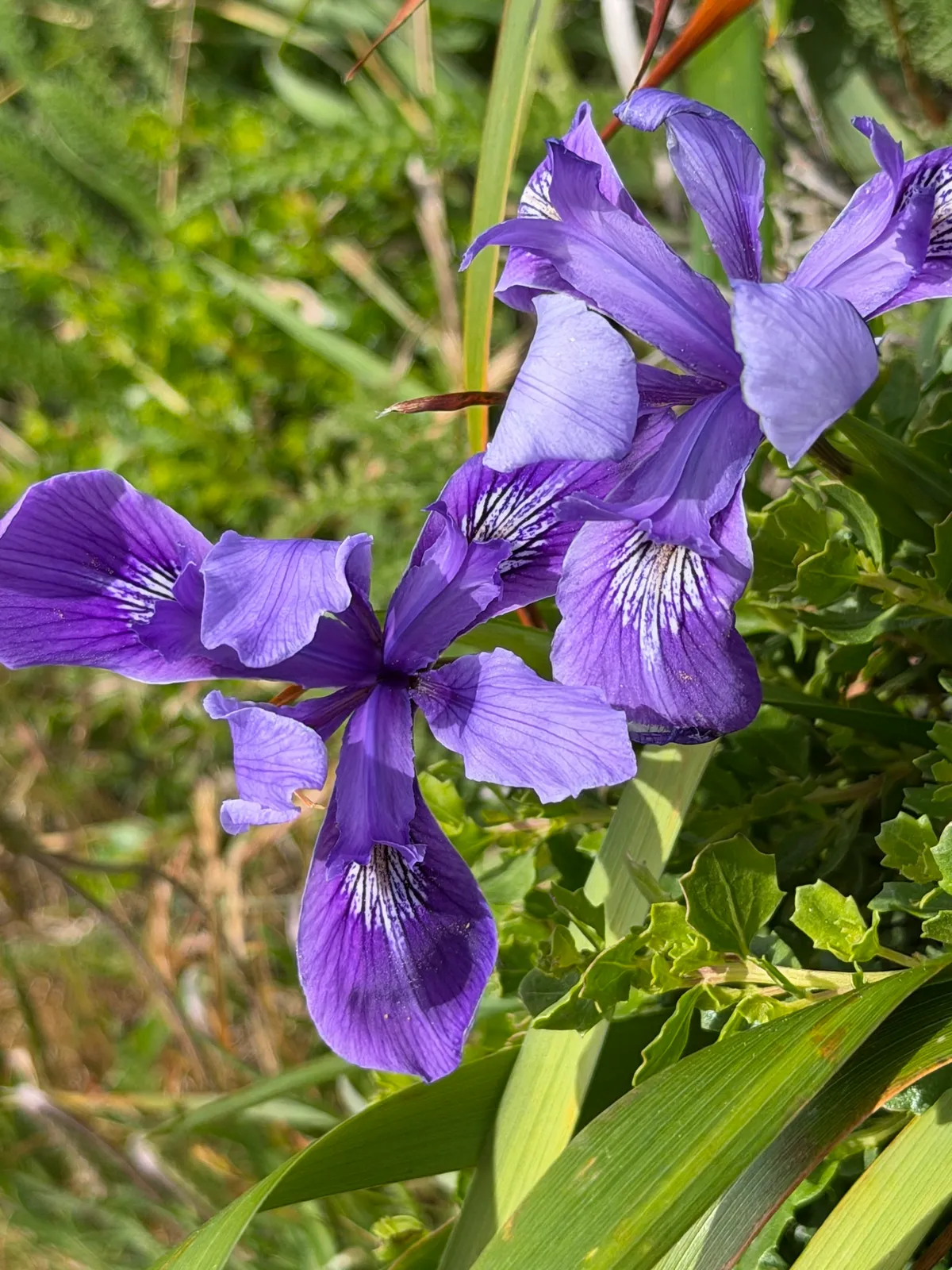
Spring crocus is not native to the United States. These natives fill a similar role in a planting, matched on bloom season, bloom color and mature size.

Before you buy
Your city may pay you to plant this
Cities and water utilities offer rebates for replacing lawn with native and water-wise plants. We track 458 programs across 44 states, each with a link to the provider and the date we last checked it.
Find rebates in your areaA small early spring bulb with goblet shaped flowers that open in sun and close at night, appearing before most other bulbs. It naturalizes into drifts over time and is small enough to plant into a lawn area.
Growing Spring crocus
Grow Spring crocus in full sun and low water. Mature plants reach 3 to 6 inches tall and spread 2 to 4 inches wide. Expect low maintenance to keep it looking intentional in a front yard.
How to care for Spring crocus, by region
How to care for Spring crocus where it is actually grown: year-round basics plus what to do each season, region by region, with the sources for each.
Care guidance last updated: September 2026
Eastern Corn Belt Plains (includes Columbus, OH)
Year-round
Crocus vernus, often called Dutch crocus or spring crocus, is a small flowering corm originally from mountain meadows in the Alps, Pyrenees, and Carpathians of Europe. It is not native to North America and is grown in home gardens purely as an ornamental plant. It settles in easily almost anywhere with good drainage and some spring sun, and established corms slowly multiply on their own over the years.
- Plant in full sun to light shade with soil that drains well.
- Wet or heavy clay soil is the main cause of corm rot, so avoid low spots that stay soggy.
- Established corms multiply on their own over the years and rarely need replanting.
- Eating any part of the plant can cause vomiting and diarrhea in dogs and cats.
- This is a different plant from autumn crocus (Colchicum autumnale), which blooms in fall and is far more dangerous to pets.
Fall
Fall is planting season for spring crocus in the Columbus area. Get new corms in the ground from mid-September through October so they have time to root before the ground freezes. Crocus corms are also a favorite snack for squirrels, chipmunks, and mice, which is common in Ohio yards, so plan on some protection if that has been a problem before.
- Plant corms about 3 to 4 inches deep, pointed side up, in soil that drains well.
- Aim for mid-September through October in central Ohio, before the ground freezes.
- Choose a spot with good spring sun, crocus bloom before most deciduous trees leaf out.
- Cover new plantings with hardware cloth or a similar barrier if squirrels or chipmunks dig in your yard.
- Space corms in small clusters about 3 inches apart for a fuller look next spring, rather than spacing them out in a thin line.
Fresh, tidy edges around a new fall bulb bed read as HOA-friendly and cared for from the street, which matters if the neighborhood pays attention to fall yard work.
Winter
Crocus corms are cold hardy and handle a normal central Ohio winter without special care once they are established, since Columbus falls well within the range this species tolerates. A newly planted fall bed benefits from a couple inches of mulch to buffer freeze and thaw swings. Seeing a few green tips push up during a warm stretch in January or February is normal for this species.
- No winter watering or fertilizing is needed for established crocus plantings.
- A light 2 to 3 inch mulch layer over a freshly planted fall bed helps guard against corms heaving out of the soil during freeze and thaw cycles.
- Pull mulch back gradually in late winter once the first green tips appear.
- A few leaf tips poking up during a winter warm spell is normal for this species and is not a sign of trouble.
Spring
In the Columbus area, spring crocus is usually the very first flower of the year, often opening in late February or March while a late snow is still possible. Once the blooms fade, the job is mostly to leave things alone. The green leaves that follow are refilling the corm underground for next year's flowers, so they need to stay put and stay in the sun a while longer.
- Expect bloom from late February into March in central Ohio, sometimes pushing right up through a late snow.
- Once flowers fade, pinch or snip off just the dead flower heads so the plant is not putting energy into seed instead of next year's bloom.
- Leave the grass-like leaves alone until they turn yellow or brown on their own, usually by late spring.
- Hold off on the first mow of a crocus lawn area until the foliage has died back naturally.
The leftover green leaves can look a little messy for a few weeks after bloom. That is normal and temporary, and mowing or cutting them too early is the one thing that will cost you next year's flowers. An HOA-friendly middle ground is tucking crocus into a bed edge where the fading leaves are less visible from the street.
Summer
By early summer in the Columbus area, crocus corms have gone dormant underground and the foliage has fully died back. There is nothing to see above ground until fall, so the main task is remembering where the corms are and leaving that patch of ground alone through the hot months. Established plantings do not need summer watering.
- Foliage is usually gone by late May or June, leaving no visible sign of the corms until fall.
- Mark clumps with a small stake or a note on a garden plan so summer digging or planting does not disturb the dormant corms.
- Skip supplemental watering, dormant corms do better on the dry side over summer.
- If a clump has gotten crowded and bloomed less this year, once the foliage has withered is a good time to dig, divide, and replant the corms about 3 to 4 inches deep.
Sources: Missouri Botanical Garden Plant Finder: Crocus vernus, PetMD: Springtime Plants That Are Poisonous to Pets, ASPCA: Toxic and Non-Toxic Plants, Autumn Crocus, Purdue Extension: Clean Up Bulbs to Encourage Next Year's Blooms, Iowa State University Extension: Caring for Spring-Flowering Bulbs After Blooms Are Gone, Ohio State University Extension, Ross County: Spring Flowers
In an HOA neighborhood
Spring crocus is an HOA-friendly choice. Maintenance level: low. Tidiness: 5 out of 5.
Works well in: front yard, foundation bed, border.
Wildlife value
Flowers offer nectar that generalist visitors will use, but as a non-native it feeds no local caterpillars. Treat it as garden interest rather than habitat.
Common questions
- How much sun does Spring crocus need?
- Spring crocus grows best in full sun conditions.
- When does Spring crocus bloom?
- Spring crocus blooms in February and March.
- Is Spring crocus HOA-friendly?
- Spring crocus is generally an HOA-friendly choice in the right placement, with low maintenance.
Pollinator and host plant associations compiled from GBIF, iNaturalist, and published ecological literature.
If something looks wrong
Common plant problems, and what to check first
These come up on almost any plant. Each guide lists the likely causes in the order they are worth ruling out, with one thing to check before you act on any of them, and links to the source it came from.
- It is dying right after planting
- Leaves turning yellow
- Wilting even though I watered it
- Brown crispy leaf tips
- Bugs on the plant
Ready to grow Spring crocus? Add it to your garden in Pollinator Patch to track it and get season-by-season care guidance.