Texas Milkweed
Asclepias texana
Last reviewed: September 2026
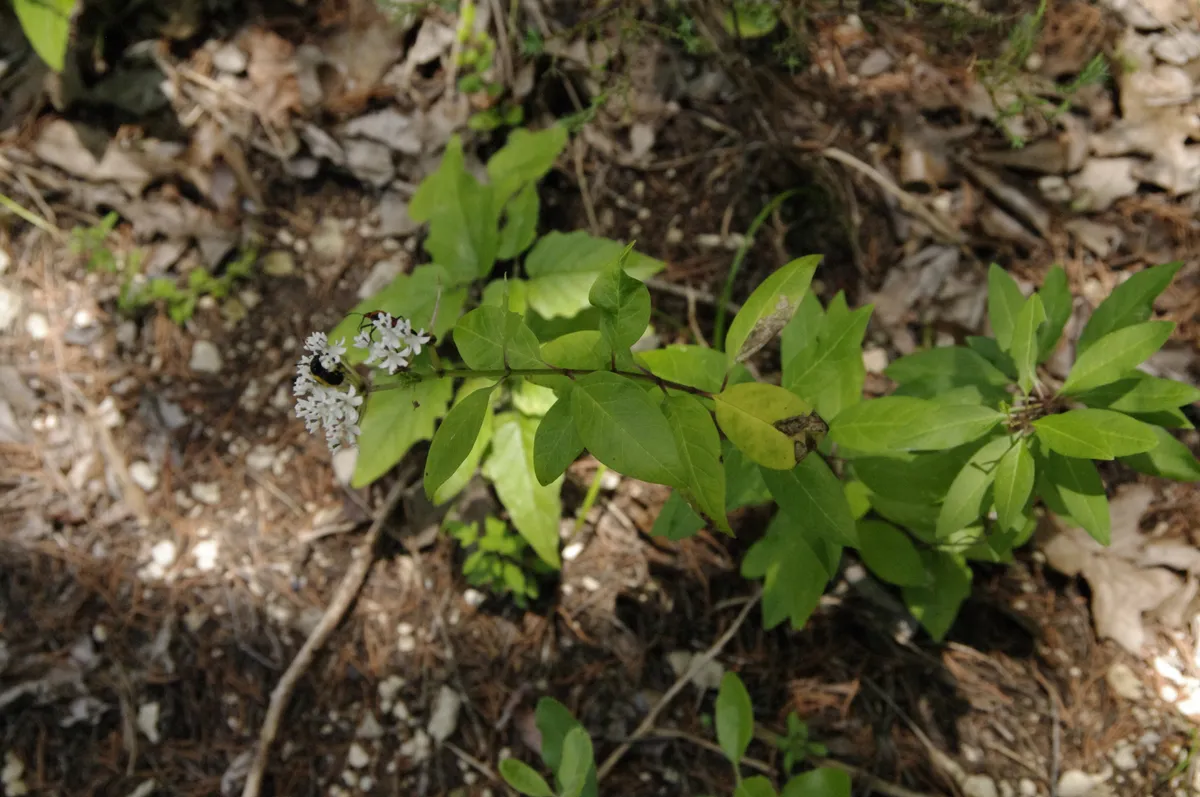
Asclepias texana, or Texas milkweed, is a low-water forb that blooms from March through November in full sun, drawing butterflies and bees to gardens and dry, rocky sites.
Texas Milkweed is toxic to dogs and cats.
Listed as toxic by the ASPCA Animal Poison Control Center (opens in new tab) (last reviewed 2026-08-15). If your pet has been exposed, call the ASPCA Animal Poison Control Center at (888) 426-4435and your veterinarian's emergency line.
Pollinator Patch flags toxic plants so you can choose a pet-safe native alternative for your yard.
Light
full sun
Water
low
Size
12"–36" H × 12"–36" W
Bloom
Mar, Apr, May, Jun, Jul, Aug, Sep, Oct, Nov
Native to
TX
Pollinators
butterflies, bees
Before you buy
Your city may pay you to plant this
Cities and water utilities offer rebates for replacing lawn with native and water-wise plants. We track 452 programs across 44 states, each with a link to the provider and the date we last checked it.
Find rebates in your areaBrowse plants for this ecoregion
Texas Milkweed is a compact native perennial that produces clusters of small white to pale pink flowers from spring through fall. This drought-tolerant plant forms neat clumps and goes dormant in winter, returning reliably each spring.
Growing Texas Milkweed
Grow Texas Milkweed in full sun and low water. Mature plants reach 12 to 36 inches tall and spread 12 to 36 inches wide. Expect low maintenance to keep it looking intentional in a front yard.
How to care for Texas Milkweed, by region
How to care for Texas Milkweed where it is actually grown: year-round basics plus what to do each season, region by region, with the sources for each.
Care guidance last updated: July 2026
Texas Blackland Prairies (includes Dallas, TX)
Year-round
Texas milkweed is a low, tidy perennial that likes it lean and dry. Once it settles in around Dallas it needs almost no fuss. The biggest mistake is being too kind with the hose.
- Give it fast draining soil and full sun to a little afternoon shade. Heavy clay that stays wet is the main thing that kills it, so plant on a slope or a raised bed and mix in gravel or decomposed granite if your Blackland Prairie soil holds water.
- Water regularly the first season to get roots down, then back way off. Once established it wants deep, infrequent soaks and can rot if the crown stays soggy.
- Keep a thin gravel or leaf mulch a couple inches back from the stems, not piled against them, so the base stays dry.
- Leave the seed pods if you want more plants. It self sows lightly, and you can pull any volunteers you do not want in spring.
Fall
In fall the plant winds down and pods ripen. You mostly leave it alone. If a front yard needs to look kept, a light tidy of flopped stems reads as intentional.
- Let the seed pods mature and split so seed can drop or be collected. This is the natural way it makes more plants.
- Ease off watering as nights cool. The plant is heading toward dormancy and does not want wet feet going into winter.
- If a stem has flopped over a walkway or into the lawn, trim just that one back rather than cutting the whole plant.
Reads as intentional and helps avoid a violation letter: in a front yard, snipping the few stems that have flopped onto a path or lawn keeps the planting looking cared for while the rest ripens seed.
Winter
This is a native perennial that dies back on its own over Dallas winters. You can leave the dry stems standing or cut them for a cleaner front-yard look.
- The top growth browns out and goes dormant after the first hard freezes. The roots are fine and will resprout in spring.
- Leaving a few standing stems gives cover for overwintering insects, but this is optional.
- Give it no supplemental water in winter unless there is a long warm dry spell. A dormant, dry crown resists rot best.
Reads as intentional and helps avoid a violation letter: if bare brown stems look messy from the curb, cutting the dead top growth down to a few inches now gives a clean, deliberate winter silhouette until spring growth returns.
Spring
Spring is the reset. Cut last year's dead stems to the ground as new growth appears at the base, and let new plants get going with a little water.
- Once you see fresh basal shoots, usually March in the Dallas area, cut the old brown stems down to a few inches with clean pruners.
- If you set out a new plant this spring, water it every few days until it roots, then start stretching the gaps between waterings.
- Thin or move any self sown seedlings now while they are small and easy to lift.
Summer
This is bloom time, June through August. Dallas summers are hot and dry, which suits it fine. Water deeply but rarely and let it flower.
- Water a deep soak only when the soil is dry several inches down. In a normal Dallas summer that is every week or two at most for an established plant.
- Expect white flower clusters through the heat. You can leave them for pollinators or snip a few spent heads if you want a neater look.
- Do not fertilize or overwater to force growth. Lean and dry is what keeps this plant healthy and standing upright.
Sources: Lady Bird Johnson Wildflower Center Asclepias texana, Native Plant Society of Texas Asclepias texana, Monarch Joint Venture mowing and habitat management
Want these tasks as reminders timed to your yard? Pollinator Patch turns this guidance into a season-by-season care plan for the plants you actually grow.
In an HOA neighborhood
Texas Milkweed is an HOA-friendly choice. Maintenance level: low. Tidiness: 3 out of 5.
Works well in: front yard, foundation, street edge, mid zone.
Wildlife value
Essential host plant for monarch butterfly caterpillars and provides nectar for various butterflies and native bees. Critical component of pollinator gardens and monarch migration support.
Common questions
- When does Texas milkweed bloom?
- Asclepias texana produces its white flower clusters over a long season, typically from March through November, with flowering concentrated in the warmer spring and summer months.
- What pollinators does Texas milkweed attract?
- Like other milkweeds, Asclepias texana attracts butterflies, including monarchs, along with various bees that visit the flowers for nectar.
- How much water does Texas milkweed need?
- This forb is adapted to low-water conditions and does best in well-drained, dry to rocky soils once established, needing little supplemental irrigation.
- What light conditions suit Texas milkweed best?
- Texas milkweed grows best in full sun to part sun, producing the most blooms where it receives strong, direct light for most of the day.
- Is Texas Milkweed toxic to dogs?
- Yes. Texas Milkweed is listed as toxic to dogs by the ASPCA Animal Poison Control Center (aspca.org). If your pet has been exposed, call the ASPCA Animal Poison Control Center at (888) 426-4435.
- Is Texas Milkweed toxic to cats?
- Yes. Texas Milkweed is listed as toxic to cats by the ASPCA Animal Poison Control Center (aspca.org). If your cat has been exposed, call the ASPCA Animal Poison Control Center at (888) 426-4435.
- Is Texas Milkweed HOA-friendly?
- Texas Milkweed is generally an HOA-friendly choice in the right placement, with low maintenance.
These answers were drafted with an AI model from this plant's data. Verify care details with a local expert.
Native range data from vouchered herbarium specimen records and regional native plant society lists. Pollinator and host plant associations compiled from GBIF, iNaturalist, and published ecological literature.
If something looks wrong
Common plant problems, and what to check first
These come up on almost any plant. Each guide lists the likely causes in the order they are worth ruling out, with one thing to check before you act on any of them, and links to the source it came from.
- It is dying right after planting
- Leaves turning yellow
- Wilting even though I watered it
- Brown crispy leaf tips
- Bugs on the plant
Pollinator Patch flags toxic plants like Texas Milkweed and shows pet-safe natives for your ecoregion instead.
Planning a bed around it? Start a free plan with this plant
Not sure where to start? Take the 2-minute yard quiz