Tree-anomone
Carpenteria californica
Last reviewed: September 2026
Carpenteria californica is an evergreen shrub with fragrant white flowers that bloom from May through July. It tolerates low water once established and does well in part sun to full sun in mild, dry summer climates.
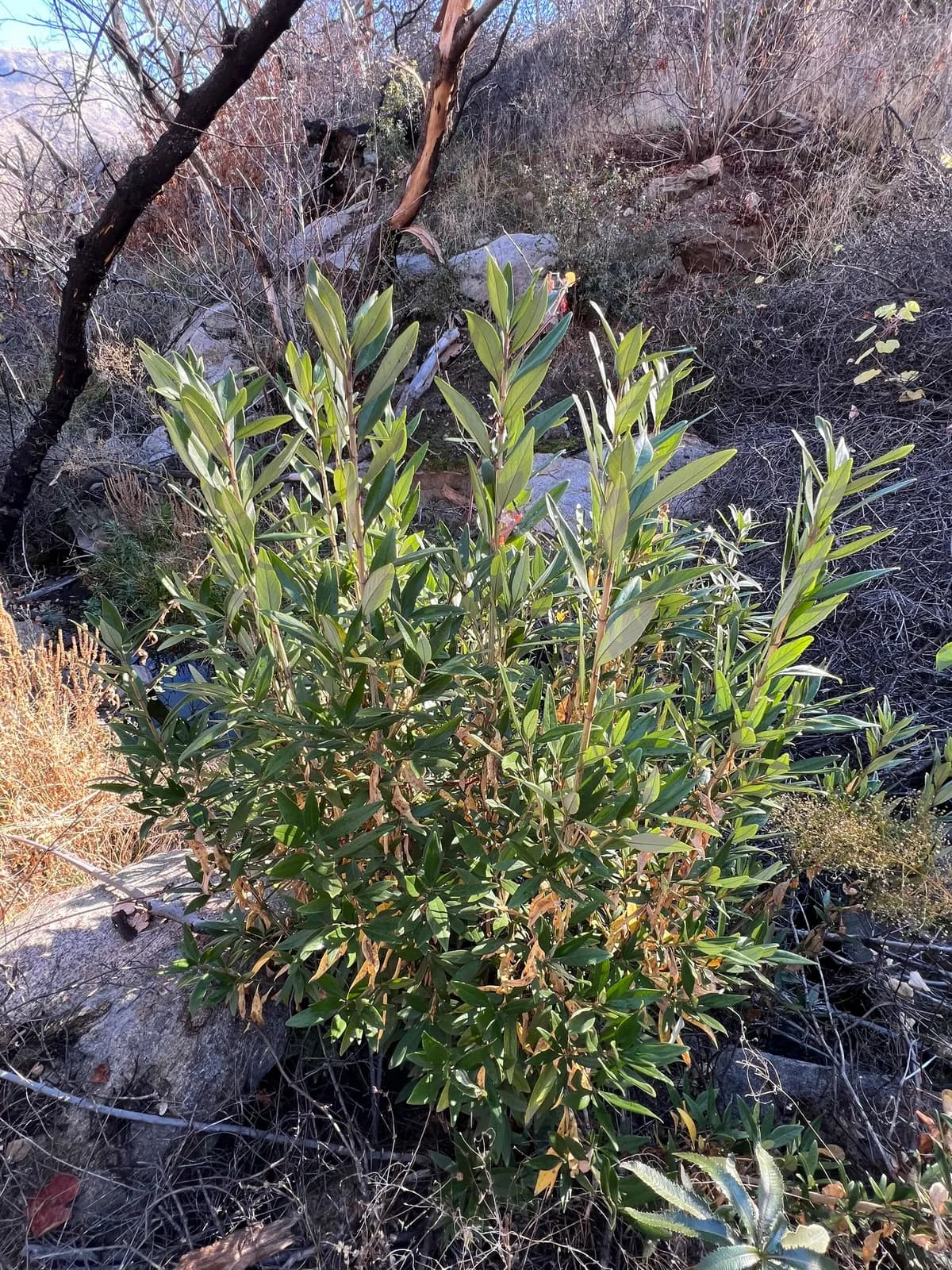
Tree-anomone (Carpenteria californica) is not flagged as toxic to dogs or cats by Plants For A Future (PFAF) (opens in new tab) (last reviewed 2026-05-21). This verdict does not come from the ASPCA. If your pet shows symptoms after eating any plant, call the ASPCA at (888) 426-4435.
Light
part sun
Water
low
Size
60"–120" H × 48"–96" W
Bloom
May, Jun, Jul
Native to
CA
Pollinators
bees, butterflies
Before you buy
Your city may pay you to plant this
Cities and water utilities offer rebates for replacing lawn with native and water-wise plants. We track 459 programs across 44 states, each with a link to the provider and the date we last checked it.
Find rebates in your areaPicture natives in your own yard
Upload a photo of your yard and Patch Vision shows a rendering of it planted with natives for your region, like Tree-anomone.


Browse plants for this ecoregion
Carpenteria californica is an elegant native shrub with glossy, dark green foliage and spectacular large white flowers with yellow centers that bloom late spring through summer. This rare and distinctive evergreen grows 5-10 feet tall and creates a stunning focal point in water-wise gardens.
Growing Tree-anomone
Grow Tree-anomone in part sun and low water. Mature plants reach 60 to 120 inches tall and spread 48 to 96 inches wide. Expect low maintenance to keep it looking intentional in a front yard.
How to care for Tree-anomone, by region
How to care for Tree-anomone where it is actually grown: year-round basics plus what to do each season, region by region, with the sources for each.
Care guidance last updated: August 2026
Southern California/Northern Baja Coast (includes Los Angeles, CA)
Year-round
Tree anemone is not native to the Los Angeles area, its wild population is a small patch of Sierra Nevada foothill canyons near Fresno, but it is a tough, low water evergreen shrub that does well in LA gardens once it settles in.
- Give it full sun near the coast or part shade in hotter inland LA valleys, it handles both.
- Plant in well draining soil. It is used to fast draining decomposed granite in the wild, so heavy clay needs to be loosened or the plant raised in a mound before planting.
- Water regularly the first one to two summers to get roots established, then cut back to about three waterings a month in summer.
- It tolerates cold into the teens Fahrenheit, well past anything LA basin winters throw at it, so frost is not a real worry here.
- Expect a rounded shrub six to ten feet tall and wide over time, so give it room away from walkways and low HOA hedge lines.
Fall
Fall is the best time to plant or transplant tree anemone in the LA area, giving roots the cooling weather and coming winter rain to settle in before next summer's heat.
- If you are adding a new plant, get it in the ground in October or November so it can use the winter rainy season to establish.
- Water new fall plantings by hand every week or two until the rain becomes reliable, established plants can start tapering off.
- This is also a good time for a light shape up prune, since the plant is not actively flowering and heat stress is easing.
- Clear fallen leaf litter from underneath the shrub to keep the base dry and reduce fungal issues going into the wetter months.
Clearing leaf litter and a light tidy up prune keeps the bed looking maintained through the fall.
Winter
Winter is easy on this shrub in the LA area, it holds its glossy evergreen leaves year round and the region's mild winter lows are well within what it can handle.
- The plant tolerates cold down into the teens Fahrenheit, so an LA winter cold snap in the 30s or 40s is not a concern.
- Let winter rain do the watering, hold off on supplemental irrigation unless the season turns unusually dry.
- No need to protect the foliage or wrap the plant, it stays evergreen and holds its shape through winter.
- This is a good season to plan next spring's pruning rather than cut now, since the shrub is dormant and not actively pushing new growth.
A tidy, still green shrub through winter keeps the front yard silhouette looking intentional rather than bare.
Spring
Spring is when tree anemone puts on its show, covering itself in fragrant white flowers with a yellow center right as LA's rainy season tapers off.
- Let late winter and early spring rain do most of the watering, LA usually gets its wettest months from December through March.
- Once flowering finishes, prune out any floppy or crossing stems to keep the shrub's shape tidy for the rest of the year.
- Check new spring growth for aphids, they can show up on the soft new tips but rarely need more than a strong hose spray.
- Bees and butterflies visit the flowers heavily, so hold off on any spray treatments while it is in bloom.
A post bloom prune keeps the shrub looking neat and rounded rather than floppy, which matters for front yard curb appeal.
Summer
LA summers are long, dry, and can push into the 90s inland, but this shrub is built for exactly that kind of dry season once it is established.
- Water no more than about three times a month once the plant has a full year or two in the ground, more than that in heavy soil can lead to root rot.
- In hotter inland parts of the LA area, afternoon shade helps the foliage look its best through the hottest stretch of summer.
- Coastal and near coastal LA gardens can keep it in full sun all summer without extra help.
- Skip summer fertilizer, this plant is adapted to lean, fast draining soils and heavy feeding just pushes soft growth that struggles in the heat.
In an HOA neighborhood
Tree-anomone is an HOA-friendly choice. Maintenance level: low. Tidiness: 4 out of 5.
Works well in: front yard, foundation, street edge, mid zone.
- May need occasional pruning to maintain tidy shape
Wildlife value
The showy white flowers provide valuable nectar for native bees and butterflies during its extended bloom period.
Common questions
- When does Carpenteria californica bloom?
- Carpenteria californica typically flowers from May through July, producing white blossoms with a central cluster of yellow stamens.
- How much water does Carpenteria californica need?
- Once established, this shrub is drought tolerant and grows well with low supplemental water, though occasional deep watering during long dry spells helps it look its best.
- What pollinators visit Carpenteria californica?
- The flowers attract bees and butterflies, which visit for nectar and pollen during the late spring and summer bloom period.
- What light conditions suit Carpenteria californica best?
- It performs well in part sun and can handle full sun in cooler coastal or foothill climates, though some afternoon shade can help in hotter inland gardens.
- Is Tree-anomone toxic to dogs?
- Tree-anomone is not flagged as toxic to dogs by Plants For A Future (PFAF). This verdict does not come from the ASPCA.
- Is Tree-anomone toxic to cats?
- Tree-anomone is not flagged as toxic to cats by Plants For A Future (PFAF). This verdict does not come from the ASPCA.
- Is Tree-anomone HOA-friendly?
- Tree-anomone is generally an HOA-friendly choice in the right placement, with low maintenance.
These answers were drafted with an AI model from this plant's data. Verify care details with a local expert.
Native range data from vouchered herbarium specimen records and regional native plant society lists. Pollinator and host plant associations compiled from GBIF, iNaturalist, and published ecological literature.
If something looks wrong
Common plant problems, and what to check first
These come up on almost any plant. Each guide lists the likely causes in the order they are worth ruling out, with one thing to check before you act on any of them, and links to the source it came from.
- It is dying right after planting
- Leaves turning yellow
- Wilting even though I watered it
- Brown crispy leaf tips
- Bugs on the plant
Ready to grow Tree-anomone? Add it to your garden in Pollinator Patch to track it and get season-by-season care guidance.