Tower Mustard
Turritis glabra
Last reviewed: June 2026
Turritis glabra (Tower Mustard) is a native forb found across most US states that blooms white flowers from May through July. This adaptable plant tolerates various light conditions and attracts bees and beetles as pollinators.
Light
part shade
Water
medium
Size
12"–36" H × 4"–12" W
Bloom
May, Jun, Jul
Native to
AZ, CA, CO, CT and 33 more states
Pollinators
bees, beetles
Browse plants for this ecoregion
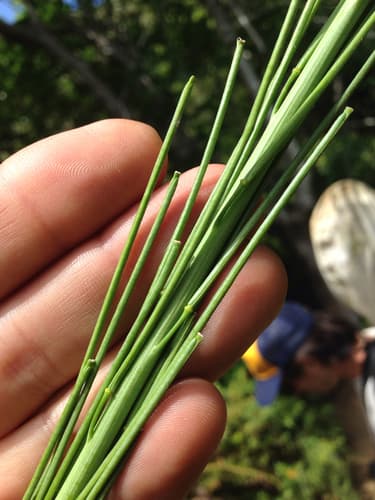
Tower mustard is a narrow, upright biennial that produces tall spikes of small white flowers from late spring through summer. This native wildflower forms a compact basal rosette in its first year, then sends up slender flowering stems that can reach up to 3 feet tall.
Growing Tower Mustard
Grow Tower Mustard in part shade and medium water. Mature plants reach 12 to 36 inches tall and spread 4 to 12 inches wide. Expect low maintenance to keep it looking intentional in a front yard.
In an HOA neighborhood
Tower Mustard takes more care to keep looking intentional in a front yard. Maintenance level: low. Consider it for backyard or mid-zone beds rather than the street edge.
Works well in: backyard only.
- Appearance is very wild and weedy
- Tall sparse growth looks unkempt
- Common name includes 'mustard' which has negative associations
Wildlife value
The flowers attract bees and beetles during the blooming period from May through July. As a member of the mustard family, it provides nectar for various native pollinators.
Common questions
- When does Tower Mustard bloom?
- Turritis glabra blooms from May through July, producing small white flowers arranged in tall, narrow clusters.
- What pollinators visit Tower Mustard?
- Tower Mustard attracts bees and beetles, which visit the small flowers for nectar and pollen during the blooming period.
- Where is Tower Mustard native?
- Turritis glabra is native to most US states, from coast to coast including Arizona, California, Colorado, and eastern states like Maine, with notable presence throughout the Great Plains and Mountain West.
- What growing conditions does Tower Mustard prefer?
- Tower Mustard adapts to full sun through partial shade and tolerates low to medium water conditions, making it suitable for naturalized plantings and dry gardens.
- Is Tower Mustard HOA-friendly?
- Tower Mustard takes more care to look intentional in a front yard. Consider it for backyard or mid-zone beds rather than the street edge.
Native range data from the USDA PLANTS Database and regional native plant society lists. Pollinator and host plant associations compiled from GBIF, iNaturalist, and published ecological literature.
Ready to grow Tower Mustard? Add it to your garden in Pollinator Patch to track it and get season-by-season care guidance.
Not sure where to start? Take the 2-minute yard quiz