White Mistflower
Ageratina havanensis
Last reviewed: September 2026
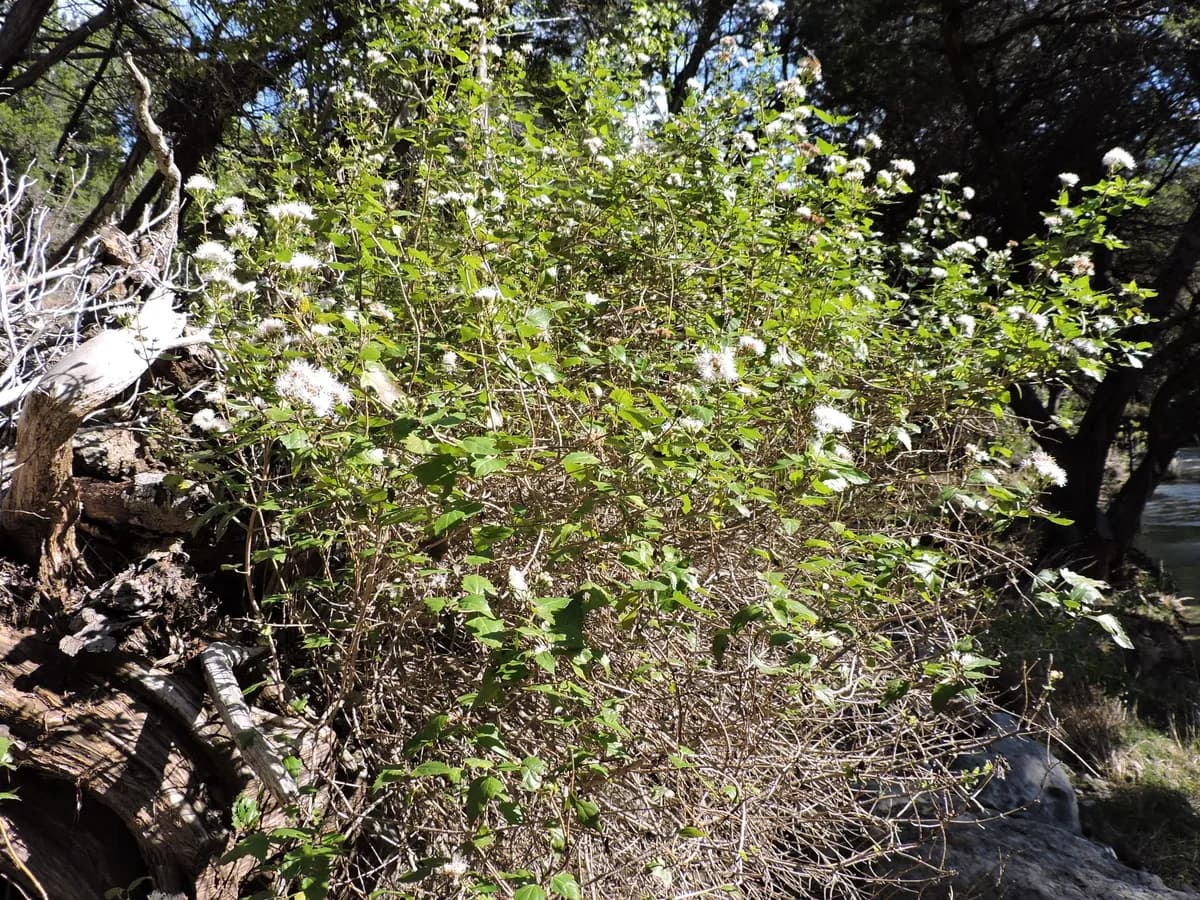
White Mistflower is a low water shrub that grows well in full sun and blooms from spring through fall, drawing butterflies, moths, and hummingbirds to its fuzzy white flower clusters.
Toxicity unknown
White Mistflower (Ageratina havanensis) is not listed by the ASPCA Animal Poison Control Center (opens in new tab) or the other sources we check, so we have no verdict for it either way. Absence from those lists is not a clearance. If your pet shows symptoms after eating any plant, call the ASPCA at (888) 426-4435.
Light
full sun
Water
low
Size
36"–60" H × 36"–60" W
Bloom
Mar, Apr, May, Jun, Jul, Aug, Sep, Oct, Nov
Native to
TX
Pollinators
butterflies, moths, hummingbirds
Before you buy
Your city may pay you to plant this
Cities and water utilities offer rebates for replacing lawn with native and water-wise plants. We track 452 programs across 44 states, each with a link to the provider and the date we last checked it.
Find rebates in your areaBrowse plants for this ecoregion
White Mistflower is a native Texas shrub that produces clusters of small white flowers for most of the growing season. This drought-tolerant plant forms a rounded bush and provides nearly continuous blooms from spring through fall.
Growing White Mistflower
Grow White Mistflower in full sun and low water. Mature plants reach 36 to 60 inches tall and spread 36 to 60 inches wide. Expect low maintenance to keep it looking intentional in a front yard.
How to care for White Mistflower, by region
How to care for White Mistflower where it is actually grown: year-round basics plus what to do each season, region by region, with the sources for each.
Care guidance last updated: July 2026
Cross Timbers (includes Fort Worth, TX)
Year-round
White mistflower is a loose, airy shrub about 3 to 5 feet tall and nearly as wide, and its big moment is a cloud of fragrant white flowers in fall. It is a Texas native shrub from the Hill Country and points west, so it wants full sun, soil that drains, and very little water once it is settled in.
- Give it a spot with at least 6 hours of sun and room to spread close to 5 feet wide, because the arching stems are what make it look full.
- It has to have soil that drains. In heavy black clay, set the top of the root ball an inch or two above grade on a slight mound or mix in expanded shale, and in the sandier soils west of the metro it drains on its own but will need water more often through the first summer.
- Water a new plant deeply once or twice a week for its whole first year, then drop back to a soak every two or three weeks during summer heat only.
- Keep 2 to 3 inches of shredded hardwood mulch over the roots, pulled back an inch from the stems so the base stays dry.
- Plan on one hard cutback in winter. That is the only pruning it really needs all year.
The form is naturally loose and open, so it reads as intentional when you pair it with something that has a firm shape, like a low clipped border or a tidy row of grasses in front, and keep a clean edge along the bed line.
Fall
Fall is the payoff. From roughly late September into November the whole shrub covers itself in fragrant white puffs, and the Wildflower Center notes it draws butterflies, moths and hummingbirds for nectar. The main instruction this season is to leave it alone.
- Do not prune anything in fall. Every cut you make now removes flowers.
- Water once every week or two during the bloom if autumn turns dry, which keeps the flowers going longer.
- Stand near it on a warm October afternoon and watch. Late season butterflies and hummingbirds work these flowers hard, which is the main reason to grow it.
- Autumn is the better planting season for woody plants in North Texas, so if you are adding a second one, mid October through November gives the roots the whole cool season to settle.
- Leave the faded flower heads standing rather than cutting them off, since seed forms in them after the bloom.
A shrub in full bloom reads as intentional when the ground in front of it looks kept, so cut a clean spade edge along the bed line in October and keep the mulch even while the flowers do the work.
Winter
White mistflower drops its leaves and spends winter as a bare tangle of thin stems, which is normal for it and not a sign of trouble. This is the season for its one real haircut of the year.
- Cut the whole shrub back hard one time between late December and mid February, before new growth starts. The Wildflower Center says it blooms best and looks bushier when it is severely cut back each winter.
- Take it down by about half for a fuller shape, or harder, to roughly 12 to 18 inches, if it has grown rangy and open.
- Use clean loppers, cut just above a joint on each stem, and haul the trimmings off instead of leaving them piled on the bed.
- Leave the roots alone after a hard Arctic freeze. The top may die back further than you expected, and the plant comes back from the base in spring.
- Do not water on a schedule in winter. One deep soak a month is plenty when there has been no rain.
The winter cutback is what keeps this plant HOA-friendly out front, because a knee high, evenly cut mound of stems looks deliberate where a 5 foot bare tangle looks neglected. Finishing it before the end of February keeps the bed looking tended through late winter.
Spring
Spring is a good window to put a new white mistflower in the ground, and the whole job this season is getting roots down before July arrives. Expect very little flowering now, which is normal for a plant that saves its show for fall.
- Plant after the last frost in mid March, so roots have three cooler months before the first 100 degree afternoon.
- If you skipped the winter cutback, do it in early March before new growth pushes out, and stop cutting once you see green shoots.
- Water each new plant deeply twice a week through spring, roughly 2 gallons for a one gallon pot, and skip a watering after a soaking spring storm.
- Do not fertilize it. Rich soil and feeding make the stems floppy and cut into the fall flowers.
- After heavy spring rain, check that soil or mulch has not washed over the base of the plant, which matters most in slow draining black clay.
Summer
July and August are when a new white mistflower dies, and the cause is almost always dry roots rather than heat itself. An older plant will look plain and a little dusty all summer, and that is fine.
- Water anything planted within the last twelve months deeply once a week through July and August, early in the morning, and twice a week in sandy soil during a run of 100 degree days.
- A plant that has been in the ground two years or more needs a deep soak only every two or three weeks when there is no rain.
- Push a finger 3 inches into the soil before watering instead of guessing, because black clay holds water far longer than sandy loam does.
- Do not shear or shape it in June or July. The flower buds form on this year's growth, so a summer haircut trims off the fall display.
- Top the mulch back up to 3 inches if summer sun has thinned it, which keeps the root zone cooler and cuts how often you water.
Sources: Lady Bird Johnson Wildflower Center, Ageratina havanensis (Shrubby boneset), Native Plant Society of Texas, Ageratina havanensis plant profile, Lady Bird Johnson Wildflower Center, Ask Mr. Smarty Plants on pruning Ageratina havanensis
Texas Blackland Prairies (includes Dallas, TX)
Year-round
White mistflower is a loose, airy shrub about 3 to 5 feet tall and nearly as wide, and its big moment is a cloud of fragrant white flowers in fall. It is a Texas native shrub from the Hill Country and points west, so it wants full sun, soil that drains, and very little water once it is settled in.
- Give it a spot with at least 6 hours of sun and room to spread close to 5 feet wide, because the arching stems are what make it look full.
- It has to have soil that drains. In heavy black clay, set the top of the root ball an inch or two above grade on a slight mound or mix in expanded shale, and in the sandier soils west of the metro it drains on its own but will need water more often through the first summer.
- Water a new plant deeply once or twice a week for its whole first year, then drop back to a soak every two or three weeks during summer heat only.
- Keep 2 to 3 inches of shredded hardwood mulch over the roots, pulled back an inch from the stems so the base stays dry.
- Plan on one hard cutback in winter. That is the only pruning it really needs all year.
The form is naturally loose and open, so it reads as intentional when you pair it with something that has a firm shape, like a low clipped border or a tidy row of grasses in front, and keep a clean edge along the bed line.
Fall
Fall is the payoff. From roughly late September into November the whole shrub covers itself in fragrant white puffs, and the Wildflower Center notes it draws butterflies, moths and hummingbirds for nectar. The main instruction this season is to leave it alone.
- Do not prune anything in fall. Every cut you make now removes flowers.
- Water once every week or two during the bloom if autumn turns dry, which keeps the flowers going longer.
- Stand near it on a warm October afternoon and watch. Late season butterflies and hummingbirds work these flowers hard, which is the main reason to grow it.
- Autumn is the better planting season for woody plants in North Texas, so if you are adding a second one, mid October through November gives the roots the whole cool season to settle.
- Leave the faded flower heads standing rather than cutting them off, since seed forms in them after the bloom.
A shrub in full bloom reads as intentional when the ground in front of it looks kept, so cut a clean spade edge along the bed line in October and keep the mulch even while the flowers do the work.
Winter
White mistflower drops its leaves and spends winter as a bare tangle of thin stems, which is normal for it and not a sign of trouble. This is the season for its one real haircut of the year.
- Cut the whole shrub back hard one time between late December and mid February, before new growth starts. The Wildflower Center says it blooms best and looks bushier when it is severely cut back each winter.
- Take it down by about half for a fuller shape, or harder, to roughly 12 to 18 inches, if it has grown rangy and open.
- Use clean loppers, cut just above a joint on each stem, and haul the trimmings off instead of leaving them piled on the bed.
- Leave the roots alone after a hard Arctic freeze. The top may die back further than you expected, and the plant comes back from the base in spring.
- Do not water on a schedule in winter. One deep soak a month is plenty when there has been no rain.
The winter cutback is what keeps this plant HOA-friendly out front, because a knee high, evenly cut mound of stems looks deliberate where a 5 foot bare tangle looks neglected. Finishing it before the end of February keeps the bed looking tended through late winter.
Spring
Spring is a good window to put a new white mistflower in the ground, and the whole job this season is getting roots down before July arrives. Expect very little flowering now, which is normal for a plant that saves its show for fall.
- Plant after the last frost in mid March, so roots have three cooler months before the first 100 degree afternoon.
- If you skipped the winter cutback, do it in early March before new growth pushes out, and stop cutting once you see green shoots.
- Water each new plant deeply twice a week through spring, roughly 2 gallons for a one gallon pot, and skip a watering after a soaking spring storm.
- Do not fertilize it. Rich soil and feeding make the stems floppy and cut into the fall flowers.
- After heavy spring rain, check that soil or mulch has not washed over the base of the plant, which matters most in slow draining black clay.
Summer
July and August are when a new white mistflower dies, and the cause is almost always dry roots rather than heat itself. An older plant will look plain and a little dusty all summer, and that is fine.
- Water anything planted within the last twelve months deeply once a week through July and August, early in the morning, and twice a week in sandy soil during a run of 100 degree days.
- A plant that has been in the ground two years or more needs a deep soak only every two or three weeks when there is no rain.
- Push a finger 3 inches into the soil before watering instead of guessing, because black clay holds water far longer than sandy loam does.
- Do not shear or shape it in June or July. The flower buds form on this year's growth, so a summer haircut trims off the fall display.
- Top the mulch back up to 3 inches if summer sun has thinned it, which keeps the root zone cooler and cuts how often you water.
Sources: Lady Bird Johnson Wildflower Center, Ageratina havanensis (Shrubby boneset), Native Plant Society of Texas, Ageratina havanensis plant profile, Lady Bird Johnson Wildflower Center, Ask Mr. Smarty Plants on pruning Ageratina havanensis
Want these tasks as reminders timed to your yard? Pollinator Patch turns this guidance into a season-by-season care plan for the plants you actually grow.
In an HOA neighborhood
White Mistflower takes more care to keep looking intentional in a front yard. Maintenance level: low. Consider it for backyard or mid-zone beds rather than the street edge.
Works well in: backyard only, mid zone.
- Spread too large for structured beds
Wildlife value
Excellent pollinator plant that attracts butterflies, moths, and hummingbirds throughout its extended blooming period. The long flowering season makes it particularly valuable for supporting pollinators from spring through late fall.
Common questions
- How much water does White Mistflower need?
- White Mistflower is a low water shrub once established. It handles dry, well drained soils and does not need regular irrigation outside of extended drought.
- What light conditions does White Mistflower prefer?
- It flowers most heavily in full sun but also grows in part sun or part shade, which can help it look fuller in hotter, drier climates.
- When does White Mistflower bloom?
- White Mistflower produces flowers from March into November, with the showiest display usually coming in fall as clusters of small white blooms cover the shrub.
- What pollinators does White Mistflower attract?
- The nectar rich white blooms are a strong draw for butterflies and moths, and hummingbirds will also visit while it is in flower.
- Does White Mistflower keep its leaves year round?
- No, it is deciduous and drops its leaves in winter, leafing back out and resuming growth in spring.
- Is White Mistflower HOA-friendly?
- White Mistflower takes more care to look intentional in a front yard. Consider it for backyard or mid-zone beds rather than the street edge.
These answers were drafted with an AI model from this plant's data. Verify care details with a local expert.
Native range data from vouchered herbarium specimen records and regional native plant society lists. Pollinator and host plant associations compiled from GBIF, iNaturalist, and published ecological literature.
If something looks wrong
Common plant problems, and what to check first
These come up on almost any plant. Each guide lists the likely causes in the order they are worth ruling out, with one thing to check before you act on any of them, and links to the source it came from.
- It is dying right after planting
- Leaves turning yellow
- Wilting even though I watered it
- Brown crispy leaf tips
- Bugs on the plant
Ready to grow White Mistflower? Add it to your garden in Pollinator Patch to track it and get season-by-season care guidance.
Planning a bed around it? Start a free plan with this plant
Not sure where to start? Take the 2-minute yard quiz