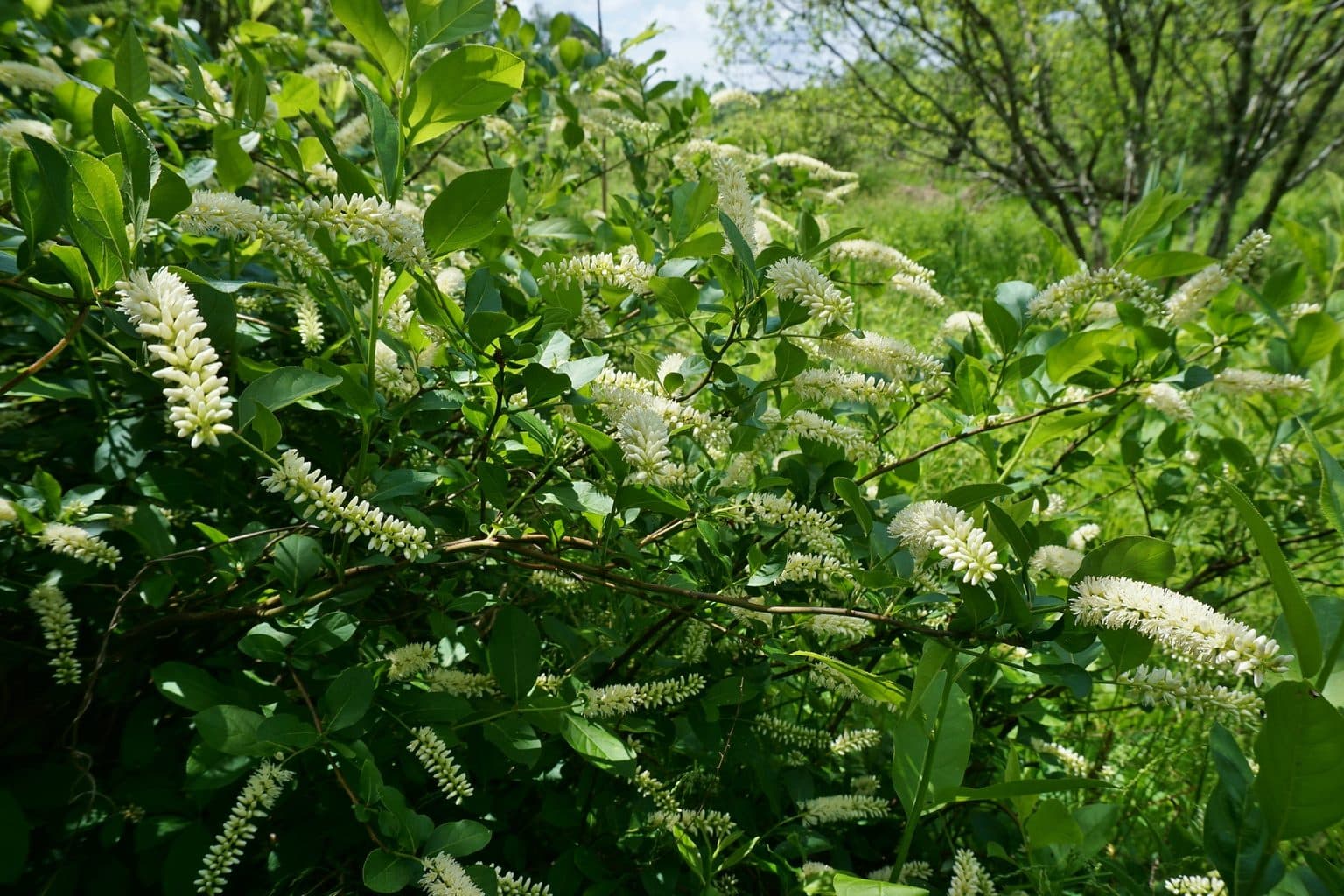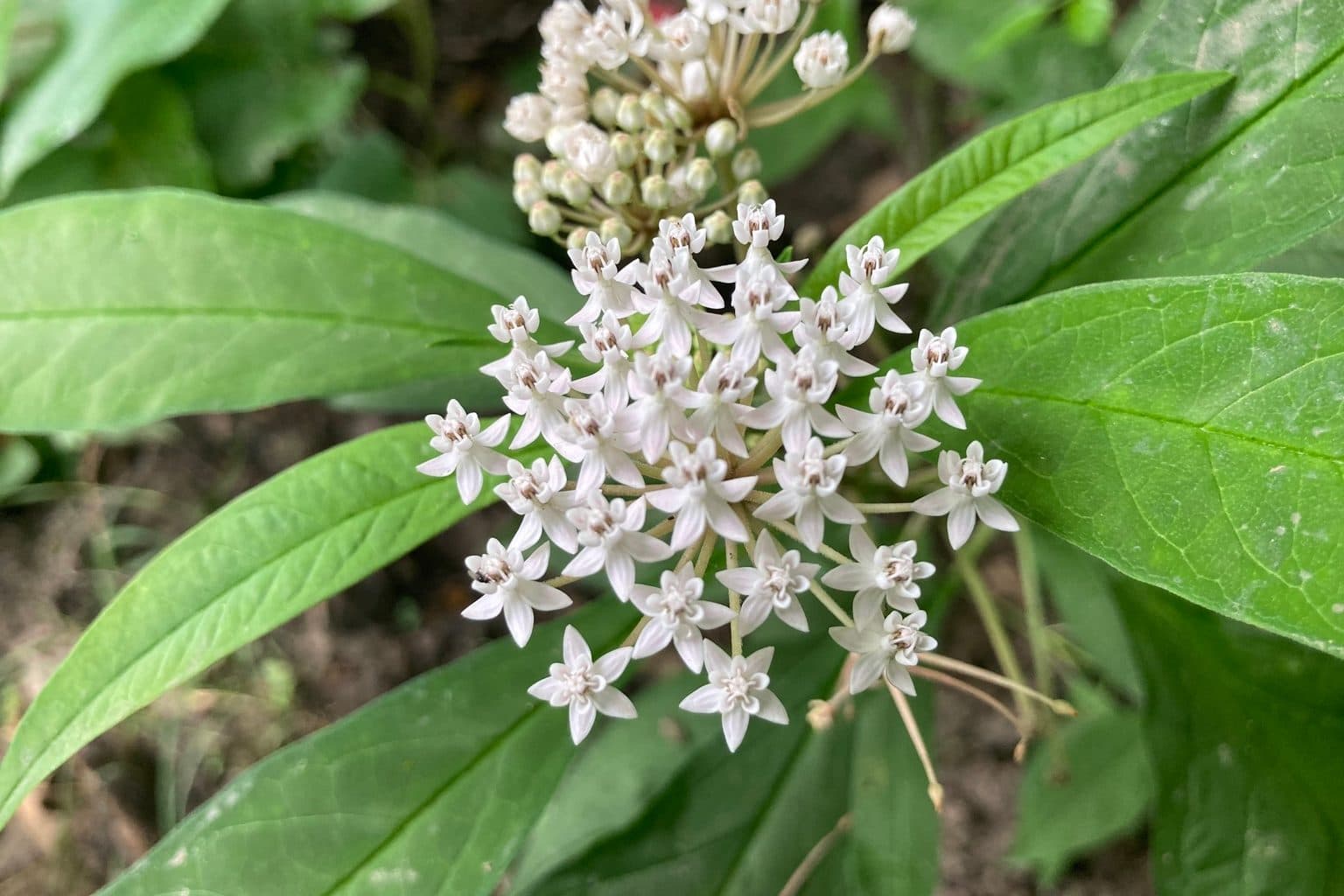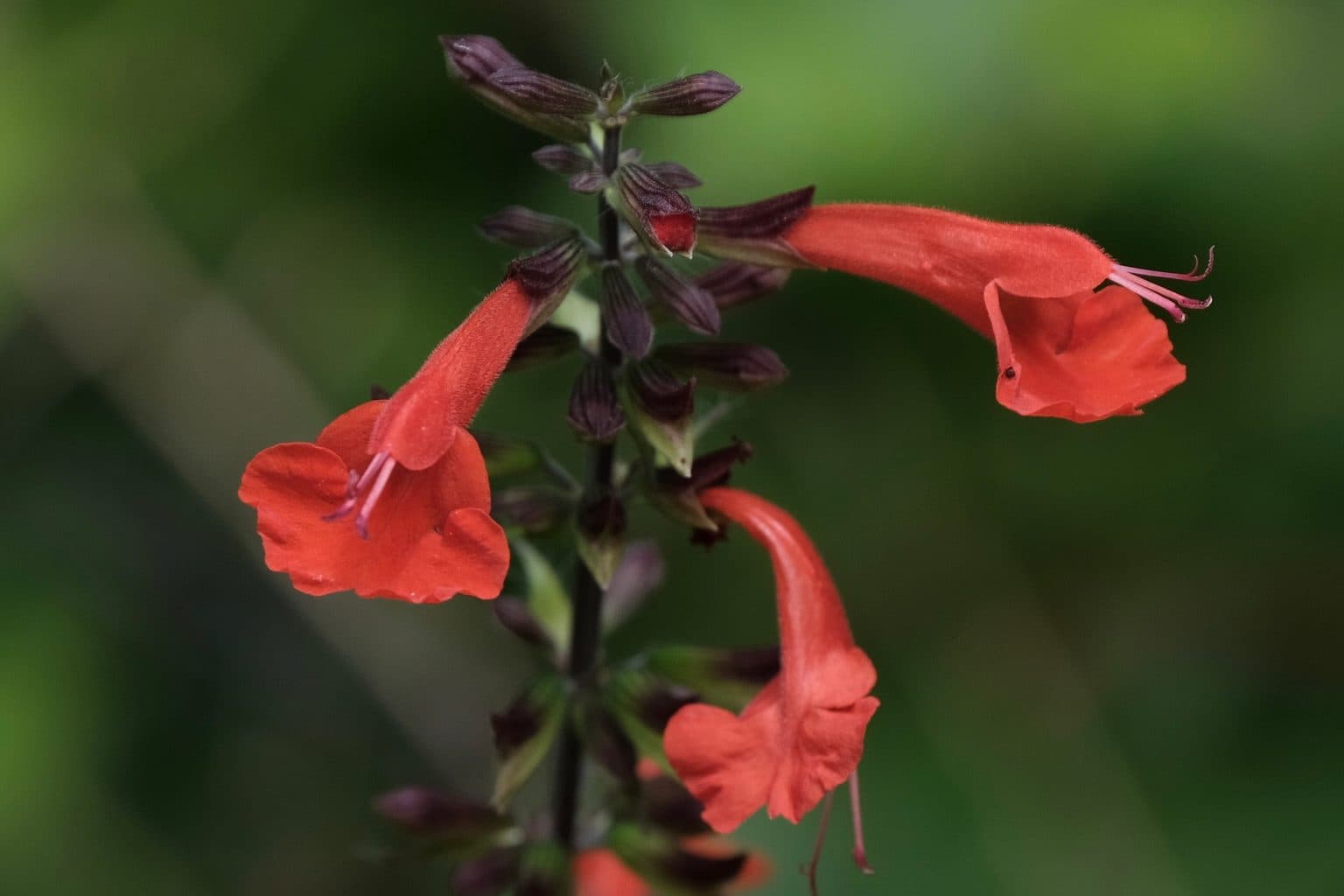
Quick answer: Florida is long enough that the right natives change as you go south. In the panhandle and north Florida, reliable HOA-friendly picks include Black-eyed Susan, Coreopsis, Purple Coneflower, Pink Muhly Grass, and American Beautyberry. In central Florida, add Firebush, Scarlet Sage, and Blanketflower. In south Florida, lean on Firebush, Blanketflower, Beach Sunflower, and Simpson's Stopper. A front planting only needs five to ten of these, kept edged and tidy.
Florida spans three distinct ecoregions, and a plant that thrives in a Tallahassee front yard may struggle in Miami and the other way around. So instead of one flat list, this guide is grouped by region, because a native that is not from your part of the state will not establish the way a true local will.
Native ranges below follow the Florida Native Plant Society and University of Florida IFAS Extension recommended lists, organized by EPA Level III ecoregion. Fall through early spring is the best planting window in most of Florida, which gives roots time before the summer heat (UF IFAS).
North Florida and the panhandle (Southeastern Plains, Tallahassee area)
The clay-and-sand uplands of north Florida share more with south Georgia than with Miami. These handle the region's cooler winters and reliable rainfall.
- Black-eyed Susan (Rudbeckia hirta). Gold daisies with dark centers, summer into fall, 1 to 3 feet, full sun. As dependable a native as exists in the region.
- Large-flower Tickseed (Coreopsis grandiflora). Bright yellow, late spring into summer, 1 to 2 feet, full sun. Coreopsis is Florida's state wildflower and shrugs off poor soil.
- Purple Passionflower (Passiflora incarnata). Intricate lavender flowers on a well-behaved vine, full sun to part shade, and the host plant for Gulf fritillary butterflies.
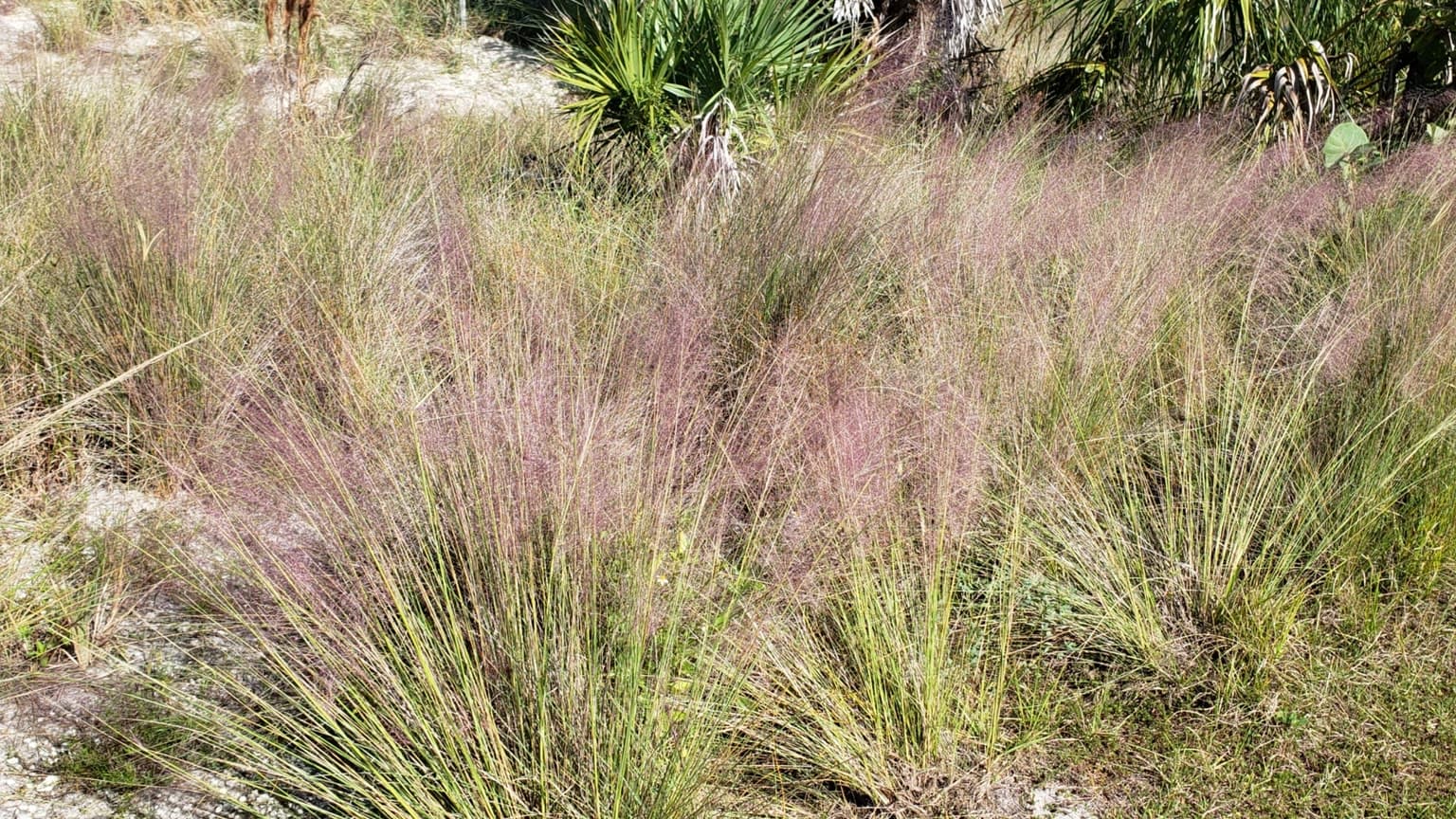
- Pink Muhly Grass (Muhlenbergia capillaris). Clouds of pink in fall, 2 to 3 feet, full sun, very drought tolerant once established. Reads as ornamental, which HOAs like.
- American Beautyberry (Callicarpa americana). Vivid purple berry clusters in fall that birds love, 4 to 6 feet, part shade. A clean shrub for the back of a bed.
Central Florida (Southern Coastal Plain, Orlando and Gainesville area)
The sandy flatwoods and ridges of central Florida want heat- and drought-tough plants that can also take summer downpours.
- Firebush (Hamelia patens). Red-orange tubular flowers much of the year, 4 to 8 feet, full sun, a magnet for hummingbirds and butterflies. One of the most useful native shrubs in the region and not on the ASPCA toxic plant list.
- Scarlet Sage (Salvia coccinea). Red flower spikes spring through fall, 1 to 2 feet, sun to part shade, reseeds gently. Listed non-toxic to dogs and cats by the ASPCA.
- Dwarf Palmetto (Sabal minor). A compact native fan palm for structure and shade, evergreen, tough, and not on the ASPCA toxic list (unlike the sago palms it can replace).
- Blazing Star (Liatris gracilis). Purple flower wands in fall, 2 to 3 feet, full sun, a favorite of migrating monarchs and native bees.
- Eastern Gama Grass (Tripsacum dactyloides). A large, arching native grass for a bold structural clump, 3 to 5 feet, sun to part shade, takes wet or dry.
South Florida (Southern Florida Coastal Plain, Miami and Fort Lauderdale area)
Frost-free south Florida is its own world. These natives handle the heat, the limestone soils, and the salt air of the coastal counties.
- Firebush (Hamelia patens). Native and at its best here, blooming nearly year-round and feeding zebra longwings, Gulf fritillaries, and hummingbirds. Full sun, 6 to 12 feet if unpruned.
- Pink Muhly Grass (Muhlenbergia capillaris). Native into south Florida, with the same pink fall haze and drought toughness, 2 to 3 feet, full sun.
- Blazing Star (Liatris tenuifolia). Slender purple flower spikes in fall, 2 to 3 feet, full sun and sandy soil, excellent for pollinators.
- Eastern Gama Grass (Tripsacum dactyloides). Native statewide, a strong structural grass that anchors a south Florida bed and takes seasonal flooding.
- American Beautyberry (Callicarpa americana). Native into south Florida, with purple fall berries for birds, thriving in part shade under trees.
Keeping it HOA-friendly
Florida homeowners have real legal footing here: Florida Statute §720.3075(4) bars HOAs from prohibiting Florida-Friendly Landscaping, which includes native plants. But the law protects a well-executed design, not a neglected one, so structure still matters. Give the bed a defined border, fresh mulch, the taller grasses and shrubs set back from the sidewalk, and the lower perennials up front. For the legal side and how to get a plan approved, see whether a Florida HOA can force you to keep grass.
If you have a dog, check the Florida yard plants toxic to dogs guide before you buy, and look into Florida water and landscaping rebates to offset the cost of converting.
Not sure which of these fit your exact yard?
Pollinator Patch matches native plants to your ZIP and Florida ecoregion, then builds a front-yard plan with the right five to ten species, a layout, and a maintenance schedule you can hand to an HOA.