Quick answer: If you want to help monarchs in Florida, plant native milkweed and skip the tropical milkweed (Asclepias curassavica) sold at most garden centers. In Florida's frost-free climate, tropical milkweed does not die back in winter, which lets a monarch parasite build up on the leaves and can interrupt the migration. The Florida natives to plant instead are Swamp Milkweed, Butterfly Weed, Aquatic Milkweed, and Pinewoods Milkweed. Note that all milkweed is toxic to dogs per the ASPCA, so site it away from where pets graze.
Milkweed is the one plant a monarch caterpillar can eat, so planting it is the single most useful thing a Florida gardener can do for the species. But the milkweed that is easiest to buy is the one researchers now ask Florida gardeners to avoid. Here is why, and what to plant instead.
The problem with tropical milkweed in Florida
Tropical milkweed (Asclepias curassavica) is not native to Florida, and it behaves differently here than native species do. In most of the country milkweed dies back each winter, which naturally clears the plant of a monarch parasite called Ophryocystis elektroscirrhoa, or OE. In Florida's mild winters tropical milkweed keeps growing year-round, so OE spores accumulate on the leaves and infect successive generations of caterpillars. High OE loads leave monarchs weaker and less able to complete the migration (Xerces Society).
There is a second issue: year-round tropical milkweed can cue monarchs to breed when they should be migrating, disrupting the natural rhythm of the population. For both reasons, the Xerces Society and University of Florida IFAS Extension recommend planting native milkweed, and, if you already have tropical milkweed, cutting it back to a few inches through the fall and winter.
Florida native milkweeds to plant instead
Florida has more than 20 native milkweed species. These are the ones most available to home gardeners and most reliable in a front-yard bed. Native ranges per the Florida Native Plant Society and UF IFAS.
- Swamp Milkweed (Asclepias incarnata). Pink flower clusters in summer, 3 to 4 feet, full sun, and it wants consistent moisture, so it suits rain gardens and pond edges. One of the easiest natives to establish.
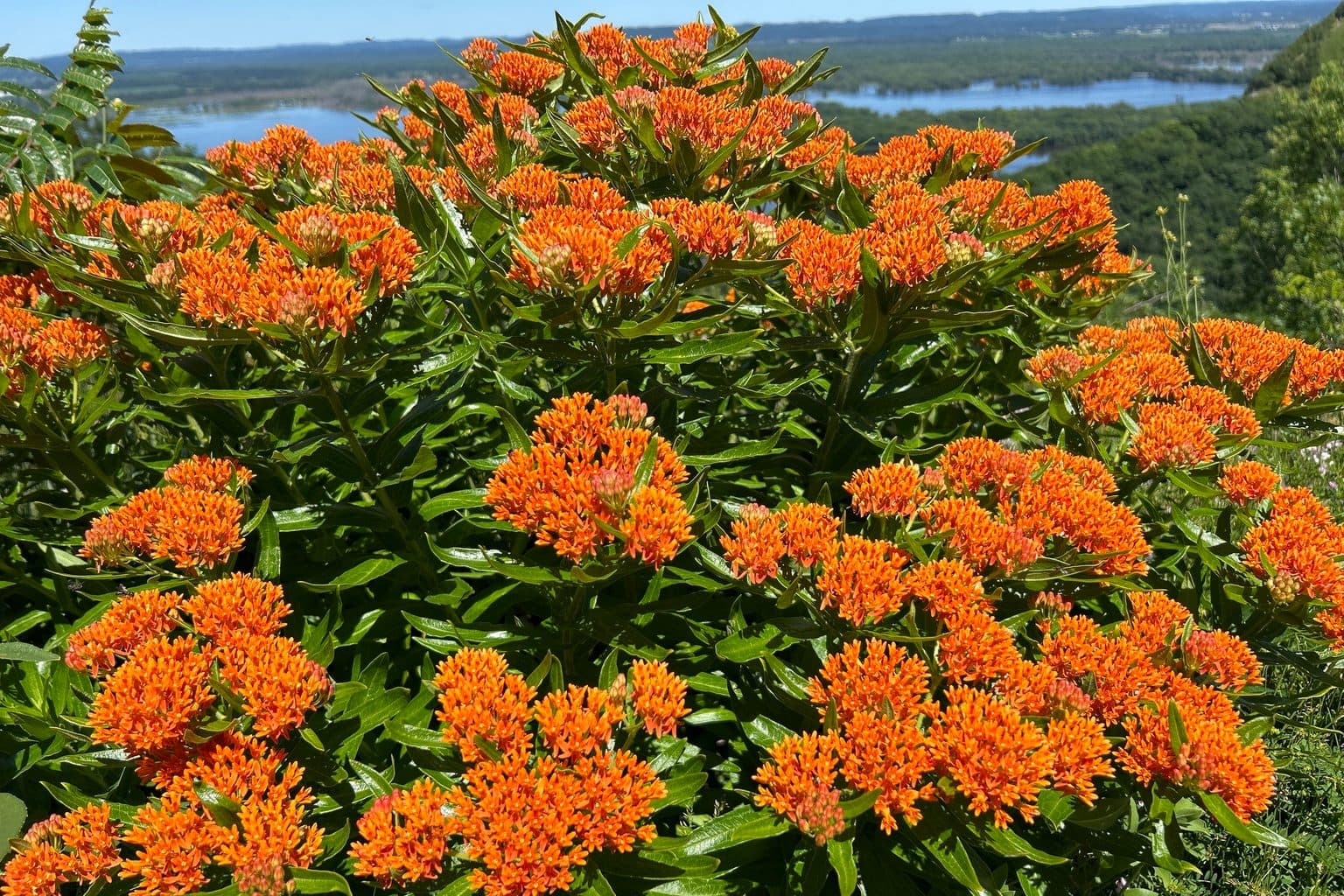
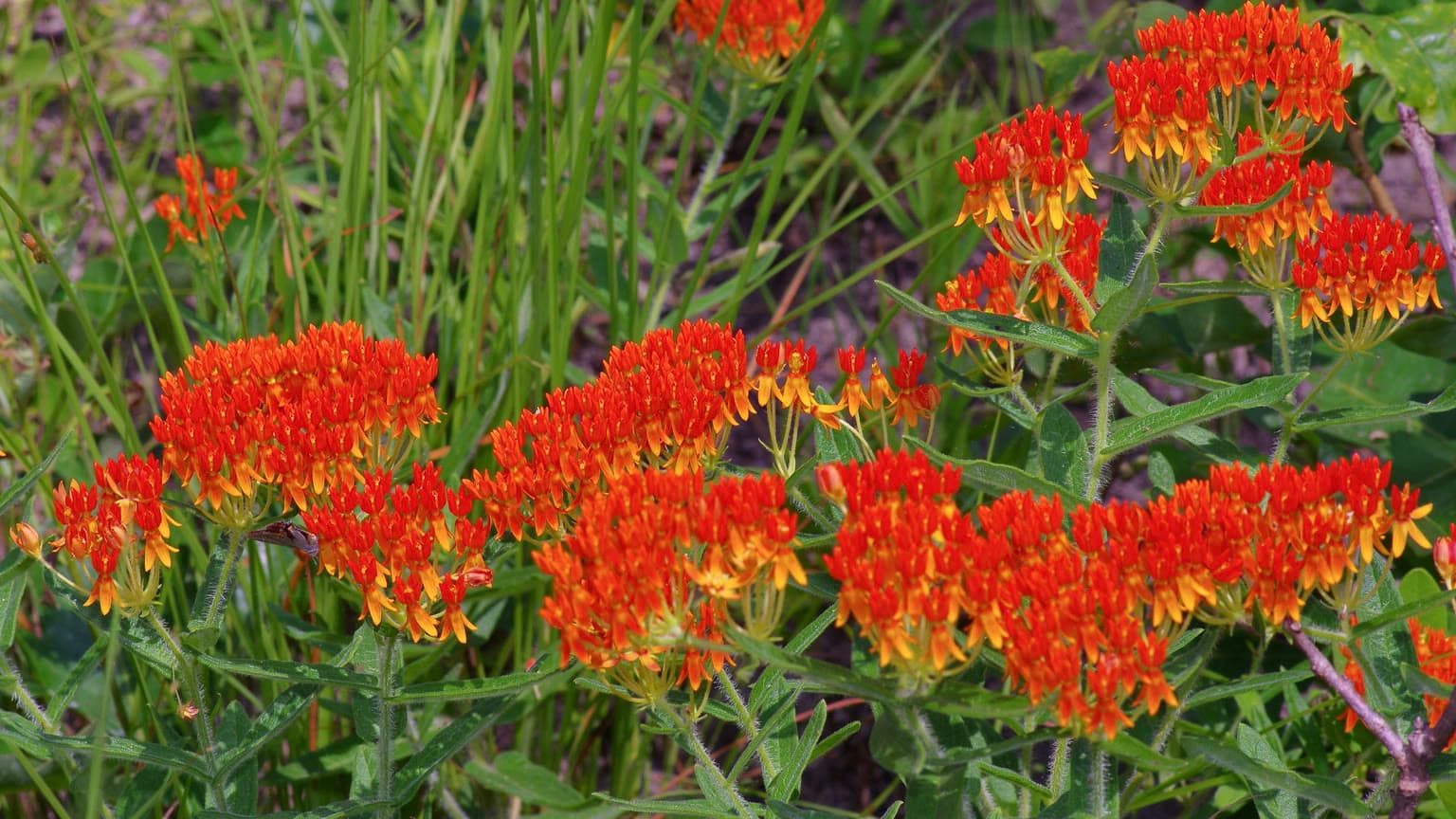
- Butterfly Weed (Asclepias tuberosa). Bright orange summer flowers, 1 to 2 feet, full sun and dry, sandy soil. The showiest native milkweed and the most drought tolerant.
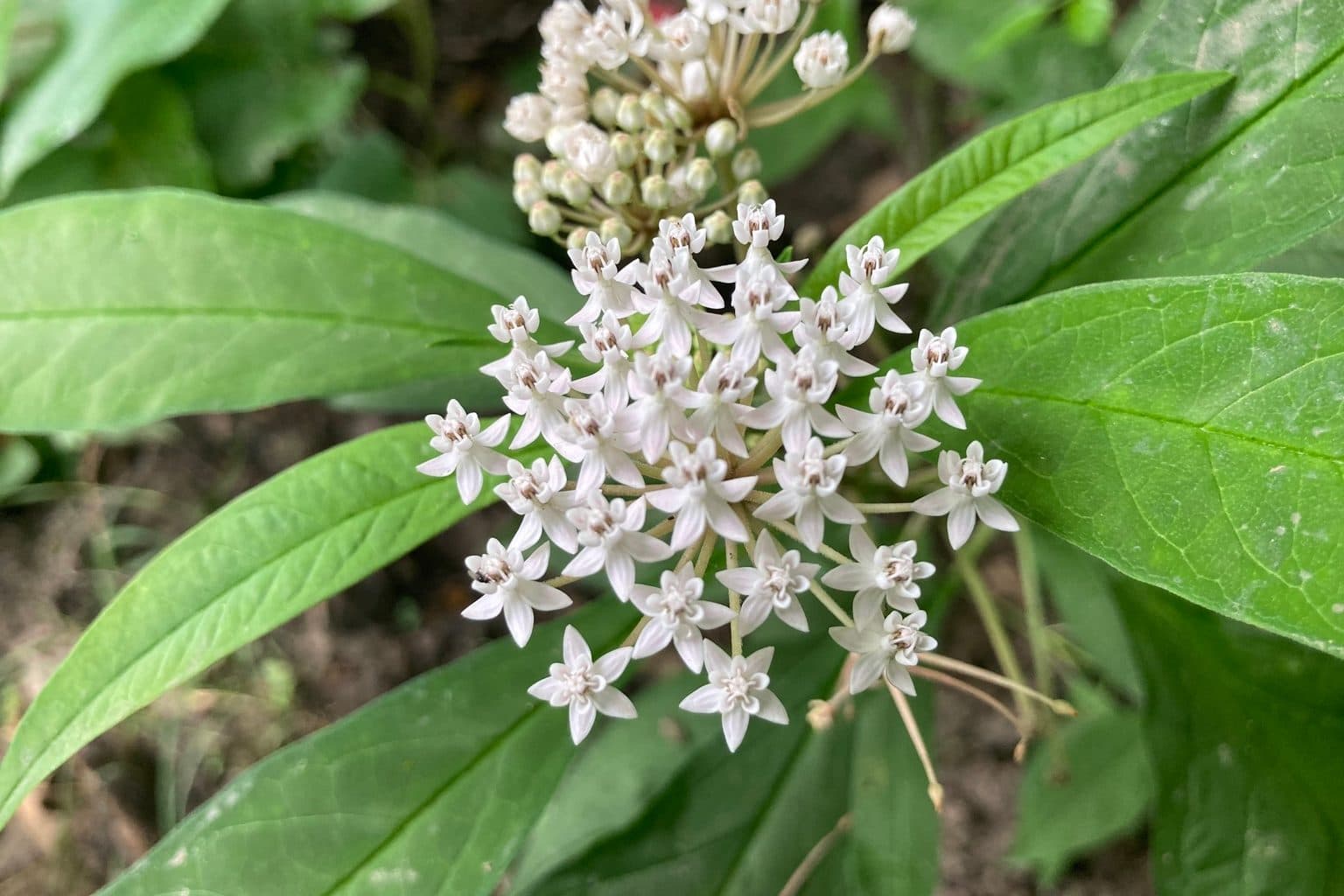
- Aquatic Milkweed (Asclepias perennis). White flowers, 1 to 2 feet, part shade, and happy in wet or seasonally flooded spots where other milkweeds fail.
- Pinewoods Milkweed (Asclepias humistrata). A sprawling, gray-leaved native of dry sandhill and scrub soils, well suited to central Florida's sandy ridges.
A safety note for dog owners
All milkweed, native and tropical alike, is toxic to dogs, cats, and horses per the ASPCA Animal Poison Control Center; the plants contain cardiac glycosides. This is not a reason to skip milkweed, since monarchs depend on it, but it is a reason to site it in a bed your dog does not browse rather than along a dog run. For the full breakdown, see whether milkweed is toxic to dogs. If your dog eats milkweed, call the ASPCA Animal Poison Control Center at (888) 426-4435.
Building a monarch-friendly Florida bed
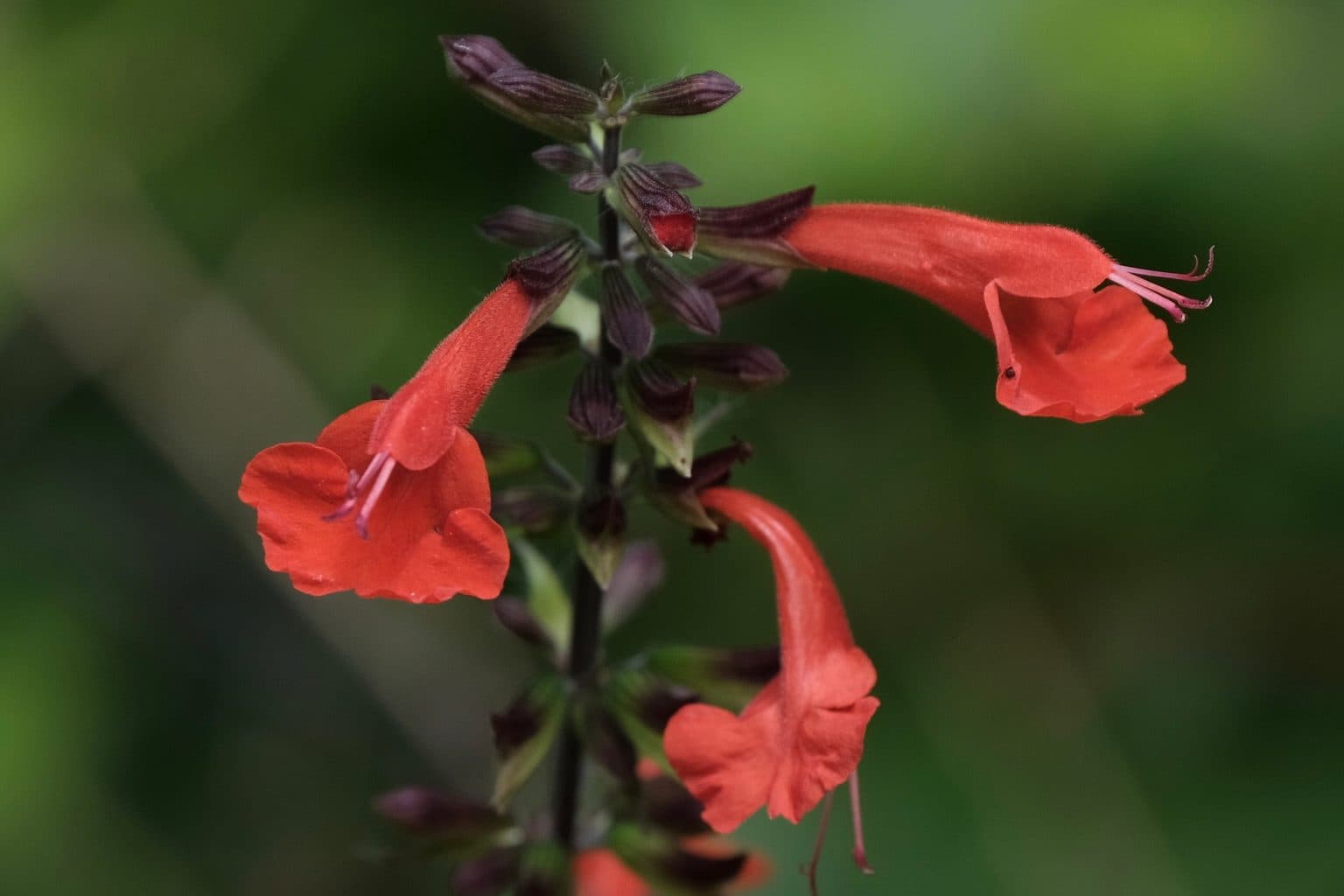
Milkweed feeds the caterpillars, but adult monarchs need nectar too, and pairing milkweed with other Florida natives makes the bed work harder for pollinators and read as intentional to an HOA. Firebush, Blazing Star, and Scarlet Sage are strong nectar companions from our best native plants for Florida front yards guide. For the legal side of converting a front yard, see whether a Florida HOA can force you to keep grass.
Want a monarch bed matched to your Florida yard?
Pollinator Patch builds a native plant plan matched to your ZIP and Florida ecoregion, including the right native milkweed for your soil and a layout and maintenance schedule you can hand to an HOA.