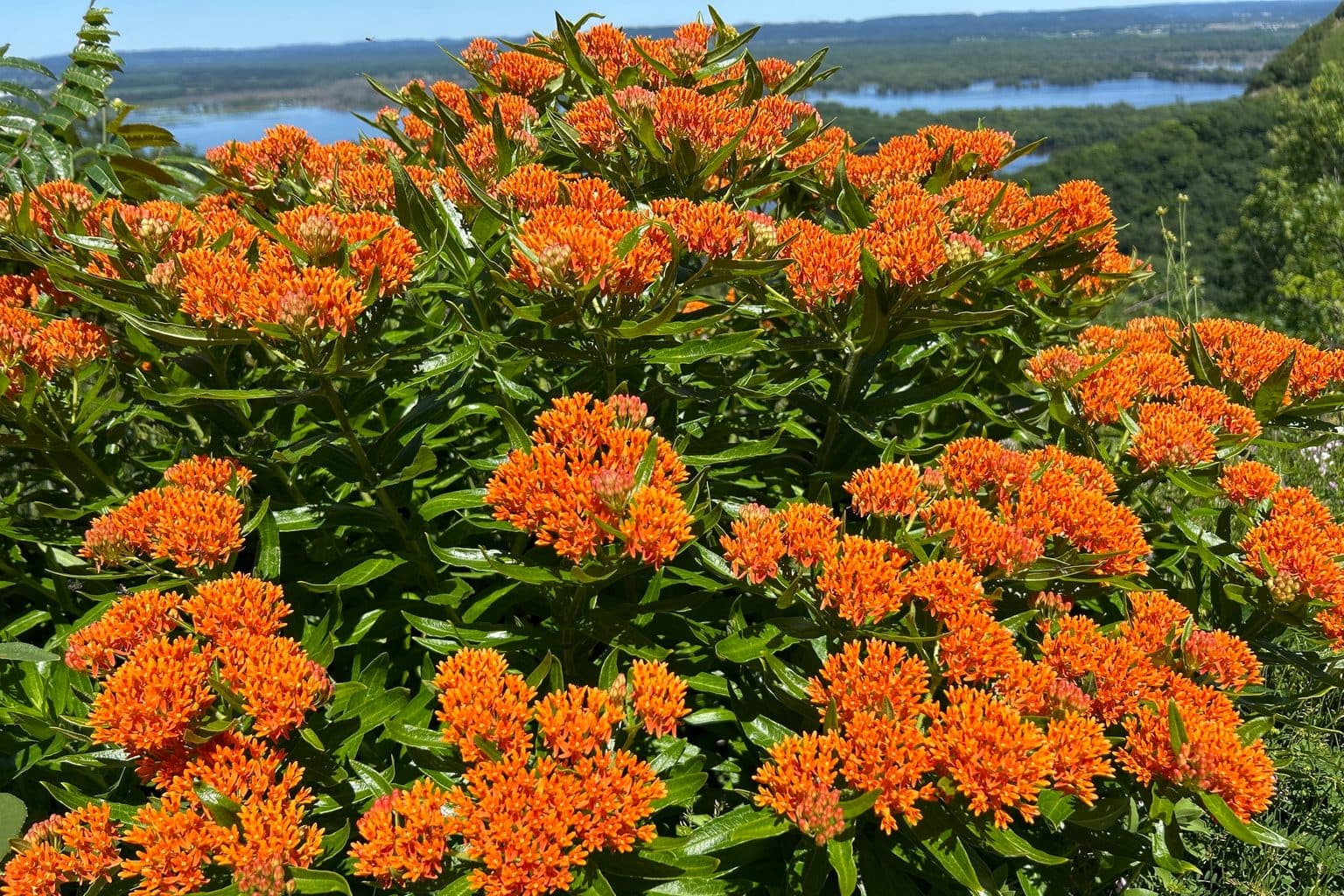
Quick answer: Yes. Milkweed (Asclepias species) is listed as toxic to dogs, cats, and horses by the ASPCA Animal Poison Control Center. The toxins are cardiac glycosides (cardenolides), and some species also carry neurotoxins. The good news for dog owners: the bitter, sticky latex sap makes most dogs spit it out fast, so serious poisonings are far more common in grazing livestock than in pets. If your dog ate milkweed, call the ASPCA Animal Poison Control Center at (888) 426-4435.
Milkweed is the one plant a monarch caterpillar cannot live without, which puts pet owners in a real bind: the plant you most want for butterflies is also on the ASPCA toxic list. The honest answer is more reassuring than the label suggests. Here is what the toxin does, how worried to actually be, and how to keep milkweed and a dog in the same yard.
What the ASPCA says
The ASPCA Animal Poison Control Center lists Milkweed (Asclepias) as toxic to dogs, cats, and horses. The active compounds are cardiac glycosides (cardenolides) concentrated in the milky sap, plus neurotoxins in some species. In dogs, ingestion can cause vomiting, diarrhea, profound depression, weakness, and loss of appetite. In larger quantities the cardiac effects matter: irregular or weak pulse, dilated pupils, difficulty breathing, and in severe cases seizures or worse. Most reported deaths are in horses, sheep, and cattle that graze it in bulk.
Two things keep the real-world risk low for dogs. The sap is intensely bitter and physically sticky, so a dog that mouths a leaf usually stops on its own. And dogs are not grazers, so they rarely eat the volume it takes to cause the serious cardiac signs. That is why milkweed earns a toxic listing but is not on the short list of plants that send dogs to the emergency vet often. Treat a small nibble as a watch-and-call situation, not a crisis.
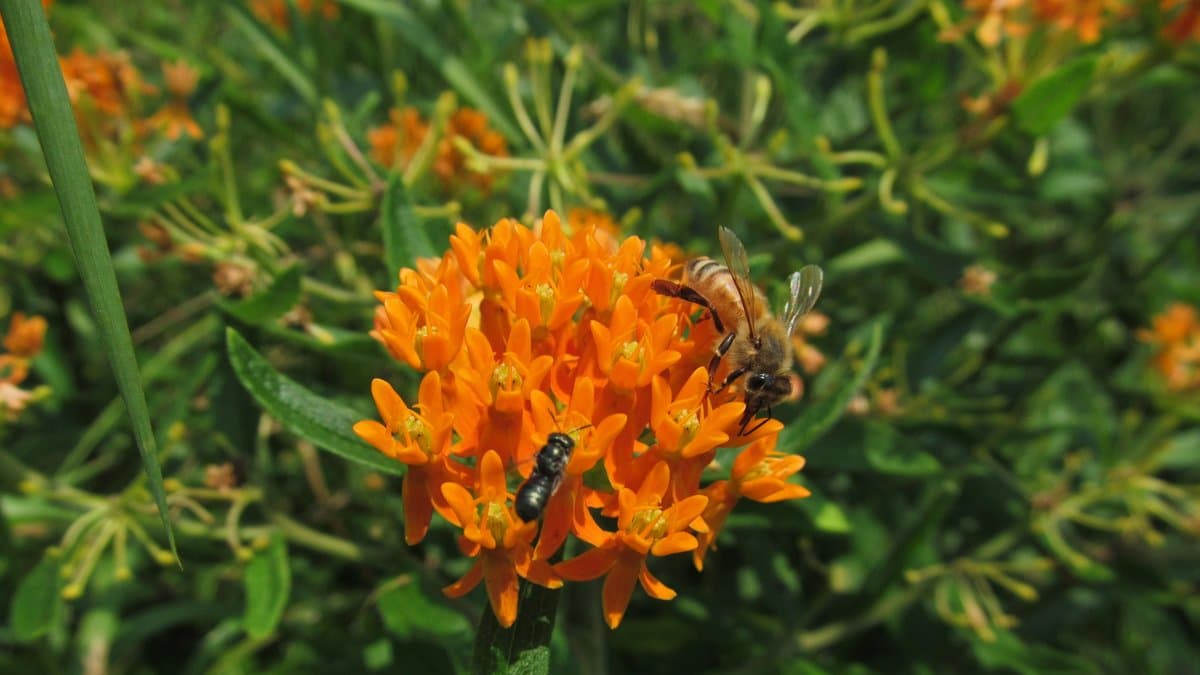
Are the native milkweeds any safer?
No. The cardenolides occur across the genus, so Antelope Horns (Asclepias asperula), Butterfly Weed (Asclepias tuberosa), Green Milkweed (Asclepias viridis), and the showy Tropical Milkweed sold at big-box stores all carry the same toxin class. Tropical Milkweed (Asclepias curassavica) has a second strike against it: it is non-native, can disrupt monarch migration timing, and tends to hold higher toxin loads, so the native species are the better pick for the butterflies regardless of the pet question.
| Plant | Dog Safe? | Notes |
|---|---|---|
| Milkweed, all species (Asclepias spp.) | No | Toxic to dogs, cats, and horses per the ASPCA; cardiac glycosides in the sap |
| Tropical Milkweed (Asclepias curassavica) | No | Same toxin class, and non-native; native species are better for monarchs |
| Gregg's Mistflower (Conoclinium greggii) | Yes | Not on ASPCA toxic plant list; a top nectar plant for monarchs and queens |
| Frostweed (Verbesina virginica) | Yes | Not on ASPCA toxic plant list; heavy fall nectar source for migrating monarchs |
The two plants at the bottom of that table matter because they solve the actual goal. Caterpillars need milkweed, but the adult butterflies you watch in the yard are after nectar, and Gregg's Mistflower and Frostweed are non-toxic nectar magnets per the ASPCA toxic plant list. The usual move is to put the milkweed where the dog does not go and the nectar plants where you and the dog spend time.
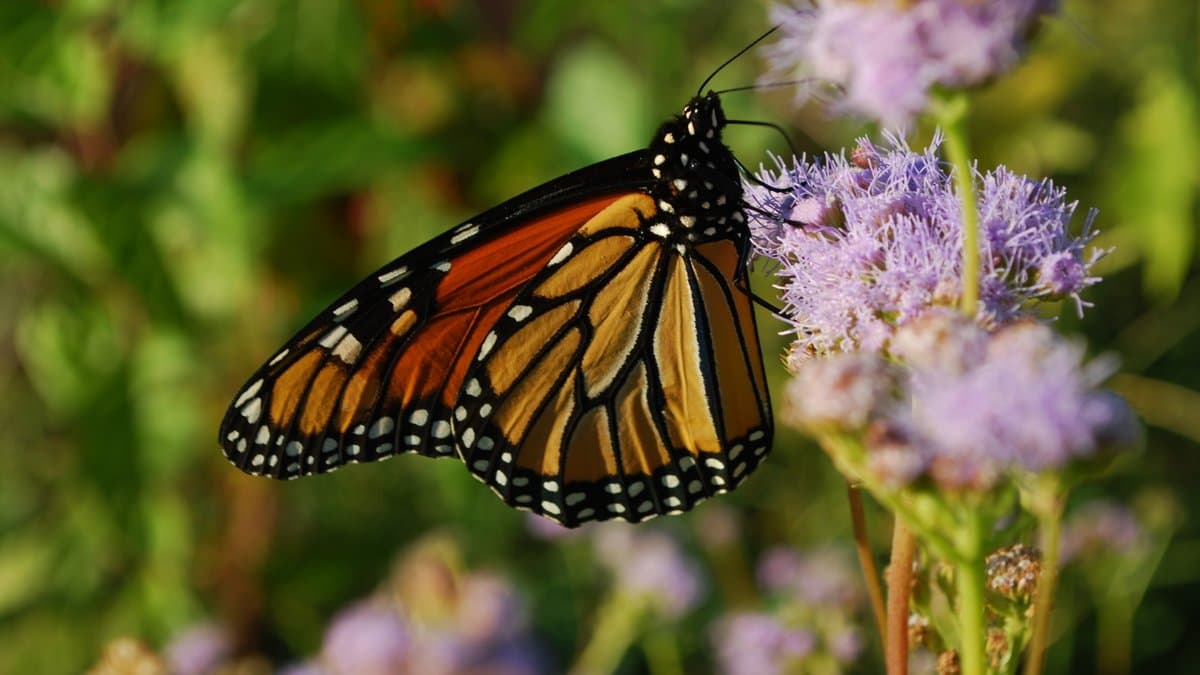
How to keep milkweed and a dog
- Plant milkweed in a back bed, a raised bed, or behind a low border the dog does not push into, rather than along a path or the dog run.
- Lean on the native species for the caterpillars and skip Tropical Milkweed.
- Fill the dog-accessible areas with non-toxic nectar plants so the butterflies, and the dog, both have a place.
- If your dog actively eats plants, supervise the first few weeks after planting; most dogs lose interest once they taste the sap.
Milkweed is worth the small effort. For the front-yard version of this question, see how to plant milkweed in an HOA-conscious front yard, and for the rest of the monarch garden, how to attract monarchs with native plants. To vet the rest of the yard, start with the six Texas yard plants most toxic to dogs.
If something goes wrong
ASPCA Animal Poison Control Center: (888) 426-4435 (24/7, fee may apply). Have the plant name ready when you call.
Checking more than one plant? See the full list of plants toxic to dogs and cats, with native alternatives, covering every plant on the ASPCA list.