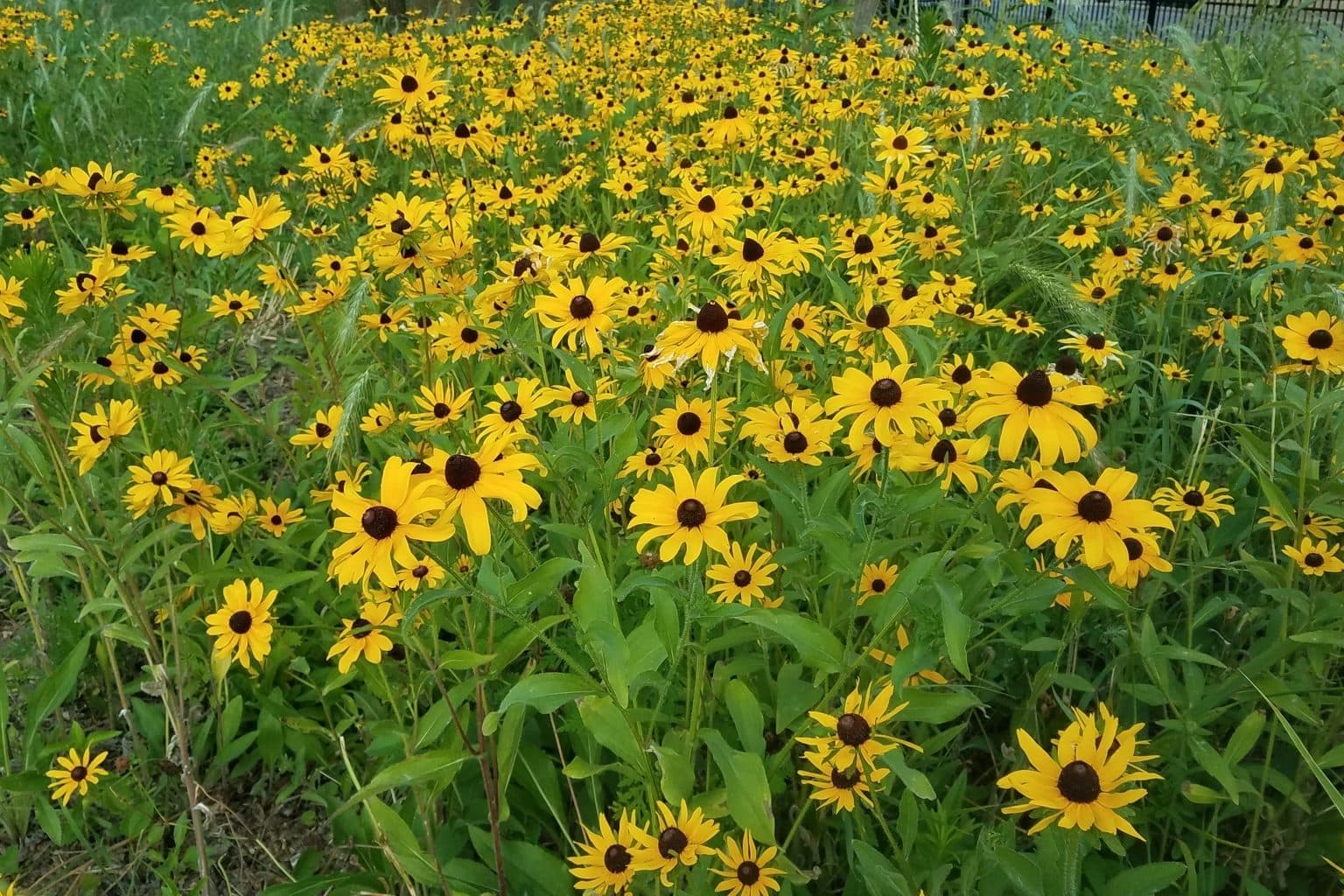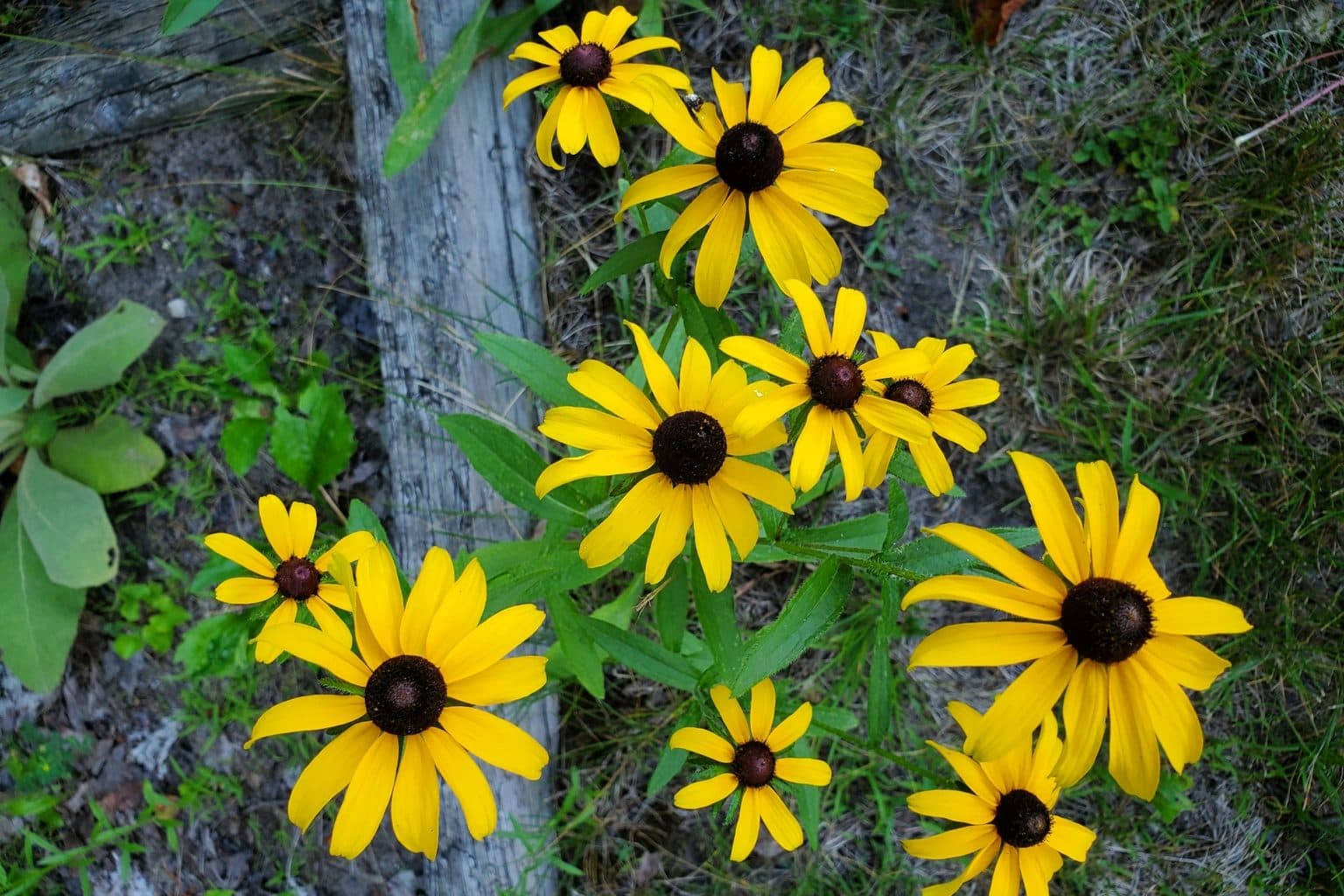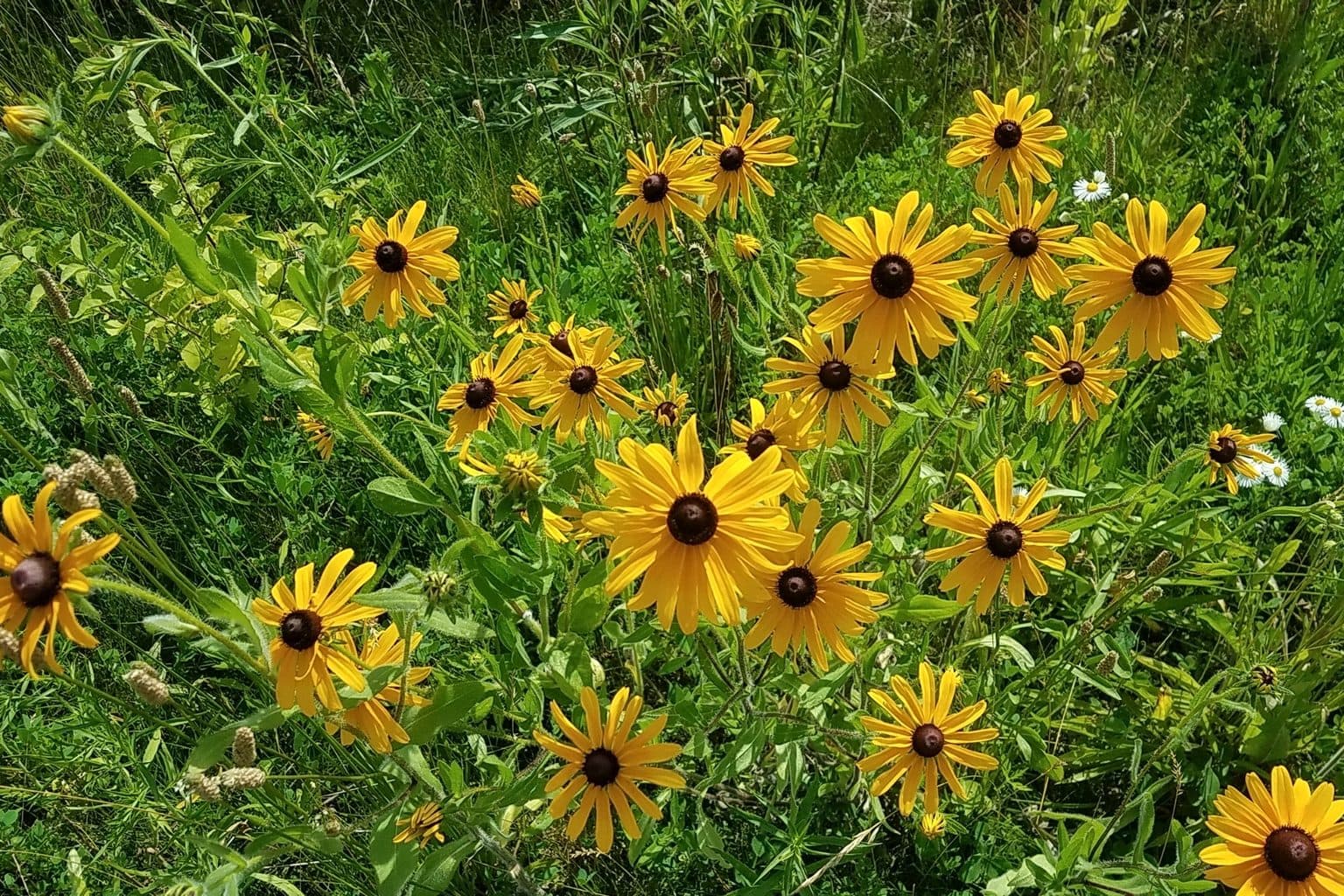
Quick answer: It depends on which black-eyed Susan you planted. Rudbeckia fulgida is a perennial that returns from the same crown each year (Missouri Botanical Garden). Rudbeckia hirta, the common seed-grown one, is an annual, biennial or short-lived perennial, but it freely self-seeds and usually stays in the garden that way, whether or not the original plants survive (Missouri Botanical Garden, Lady Bird Johnson Wildflower Center). So most gardens see black-eyed Susans return, sometimes from the old plant and sometimes from its seed.
Key takeaways
- Rudbeckia hirta may act as an annual, biennial or short-lived perennial depending on growing conditions (Lady Bird Johnson Wildflower Center).
- Missouri Botanical Garden says that whether or not hirta plants survive from one year to the next, they freely self-seed and will usually remain in the garden through self-seeding (Missouri Botanical Garden Plant Finder).
- Rudbeckia fulgida is a herbaceous perennial that slowly spreads by rhizomes, with a hardiness range of zones 3 to 9 (Missouri Botanical Garden Plant Finder).
- Penn State Extension says most Rudbeckia varieties sold in Pennsylvania are perennials, but two named hirta cultivars, 'Autumn Colors' and 'Cherry Brandy', are technically biennials (Penn State Extension).
- Leaving seed heads standing through winter is the simplest way to keep a hirta planting going, because Penn State suggests saving cleanup until spring (Penn State Extension).
Do black-eyed Susans come back every year?
Usually yes, though not always from the same root. The name black-eyed Susan covers two different plants in most gardens, and they handle winter differently. Penn State Extension notes that the flowers of both Rudbeckia fulgida and Rudbeckia hirta are commonly called black-eyed Susans (Penn State Extension). One is a true perennial. The other is a short-lived plant that stays around by dropping seed.
If your patch has been thinning or has moved a few feet from where you put it, you are probably looking at hirta doing exactly what it does.
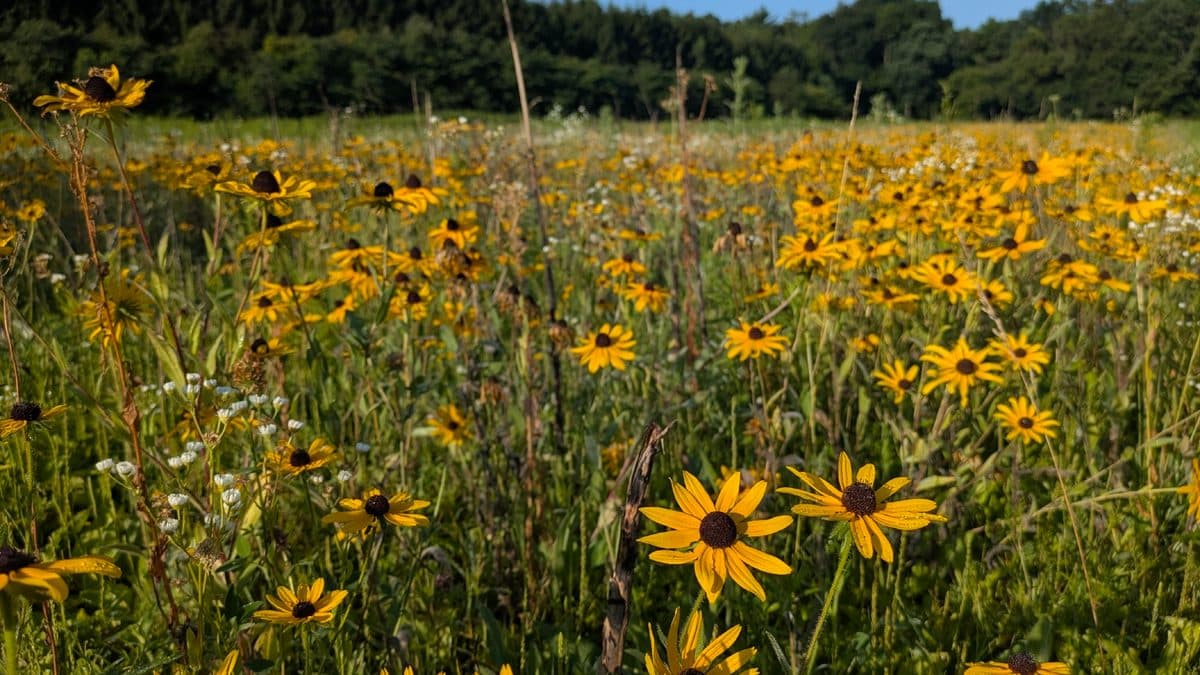
Rudbeckia hirta: short-lived, but it reseeds
Missouri Botanical Garden calls Rudbeckia hirta an annual, biennial or short-lived perennial, hardy in zones 3 to 7, and says it blooms in the first year from seed planted in early spring, which is why it is often grown as an annual (Missouri Botanical Garden). The Lady Bird Johnson Wildflower Center says the same thing in a different way: depending on growing conditions, the species may act as an annual, a biennial or a short-lived perennial (Lady Bird Johnson Wildflower Center). NC State Extension describes it as a biennial or short-lived perennial that is often mistaken for an annual (NC State Extension Plant Toolbox).
The sources do not give one lifespan, which is why one gardener reports the same plants for five summers while a neighbor starts over every spring. They agree on the part that matters for next year: Missouri Botanical Garden says that whether or not plants survive, they freely self-seed and will usually remain in the garden through self-seeding. NC State Extension says the same, that it freely self-seeds and usually remains in the garden.
The Lady Bird Johnson Wildflower Center gives its native distribution as western Massachusetts to Manitoba and Wyoming, south to Florida and New Mexico, and adds that it is widely naturalized elsewhere (Lady Bird Johnson Wildflower Center). That range covers most of the country, so hirta is not tied to one region.
What the second year looks like
A plant grown as a biennial spends its first season as leaves and often flowers in the second. In spring you may see a low cluster of hairy, oval leaves where you did not plant anything. That is usually a seedling or a rosette from last year's seed. NC State describes the leaves and stems as covered in short, stiff hairs (NC State Extension Plant Toolbox), which helps when you are deciding whether to pull a volunteer.
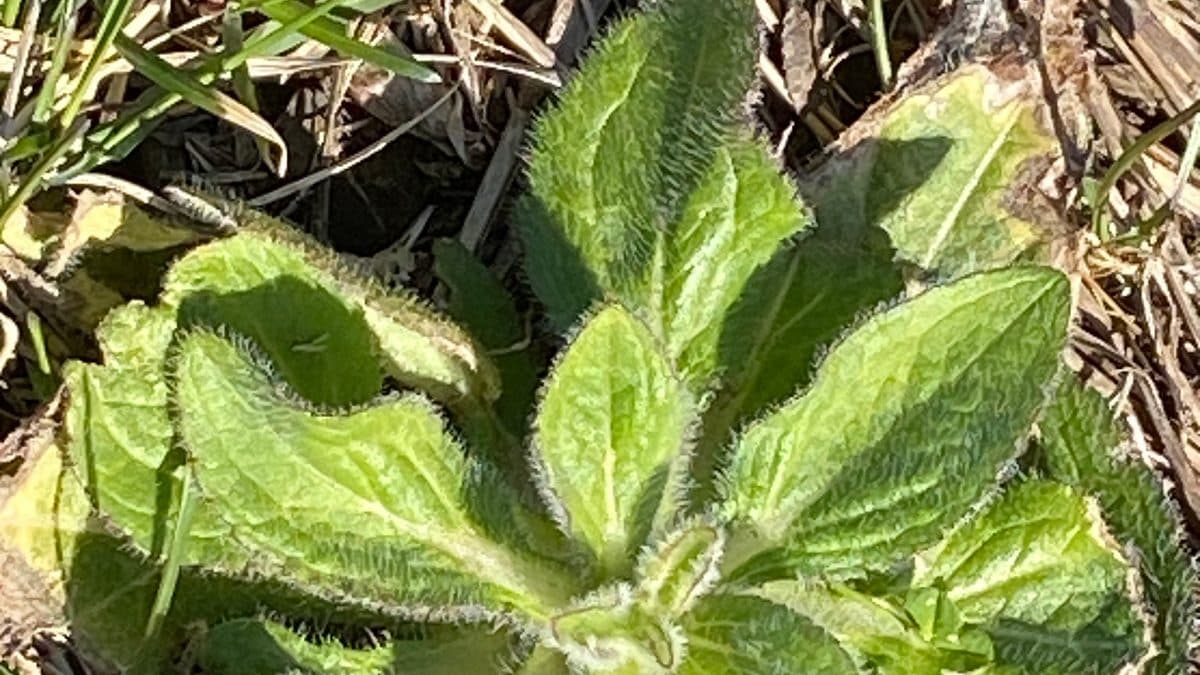
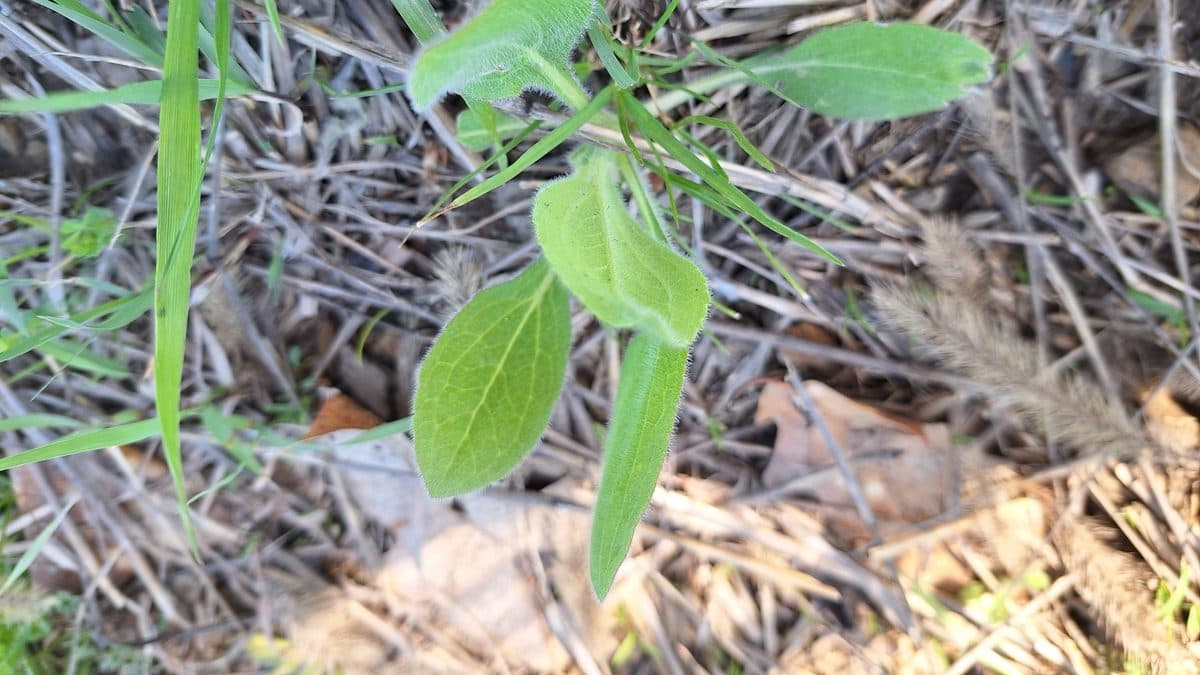
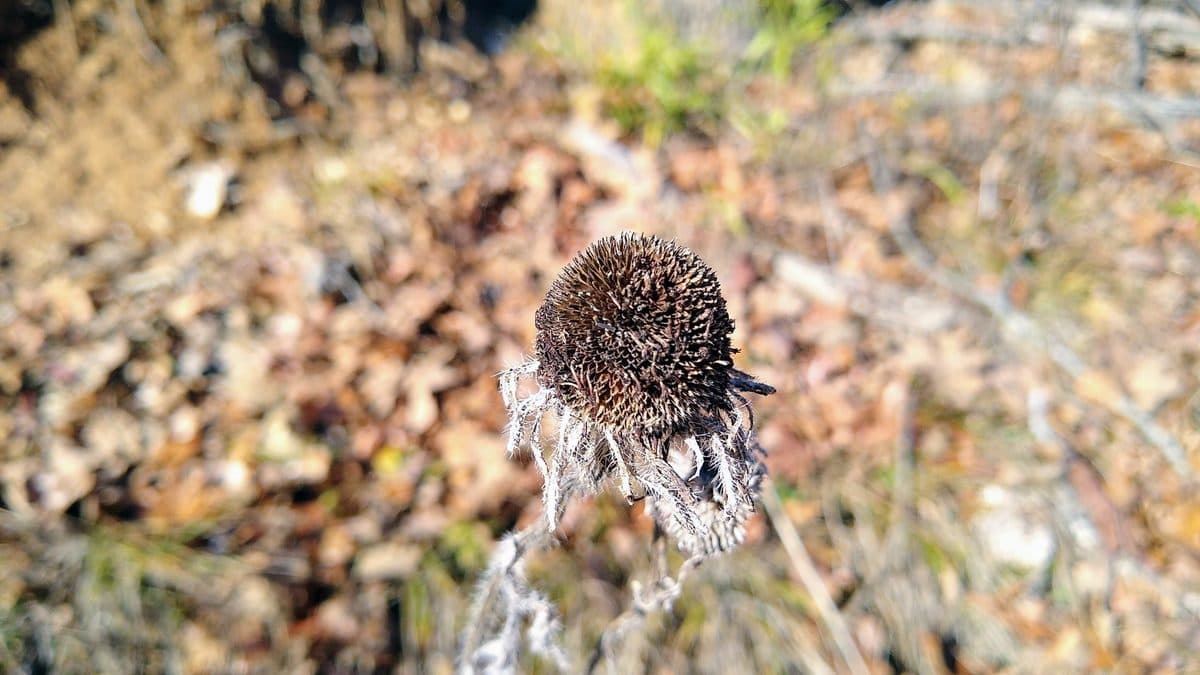
These volunteers are the reason a short-lived plant can stay for years. The Lady Bird Johnson Wildflower Center says it propagates very easily from seed sown in fall or spring, and that spring-sown seed should be stratified, meaning given a cold, moist period first (Lady Bird Johnson Wildflower Center). Penn State says the same about cold, and notes that Rudbeckia plants will self-seed once established (Penn State Extension). Seed that falls in autumn gets its winter for free.
Rudbeckia fulgida: the one that returns from the crown
Rudbeckia fulgida is the dependable one. Missouri Botanical Garden lists it as a herbaceous perennial for zones 3 to 9, upright and clump-forming, typically growing to about 3 feet, that slowly spreads in the garden by rhizomes (Missouri Botanical Garden). Rhizomes are underground stems, so the clump widens a little each year and comes back from the same spot. NC State Extension says it forms large clumps this way and can be divided in spring or fall (NC State Extension Plant Toolbox).
It also sets seed. The Lady Bird Johnson Wildflower Center says it self-sows and produces abundant offsets, and lists it as native from New Jersey to Indiana, south to Florida and eastern Texas (Lady Bird Johnson Wildflower Center). Missouri Botanical Garden gives a somewhat different native range, Connecticut to Michigan south to West Virginia and Arkansas, so the two sources do not agree on the edges. Both place it in the eastern half of the country.
Which one do you have?
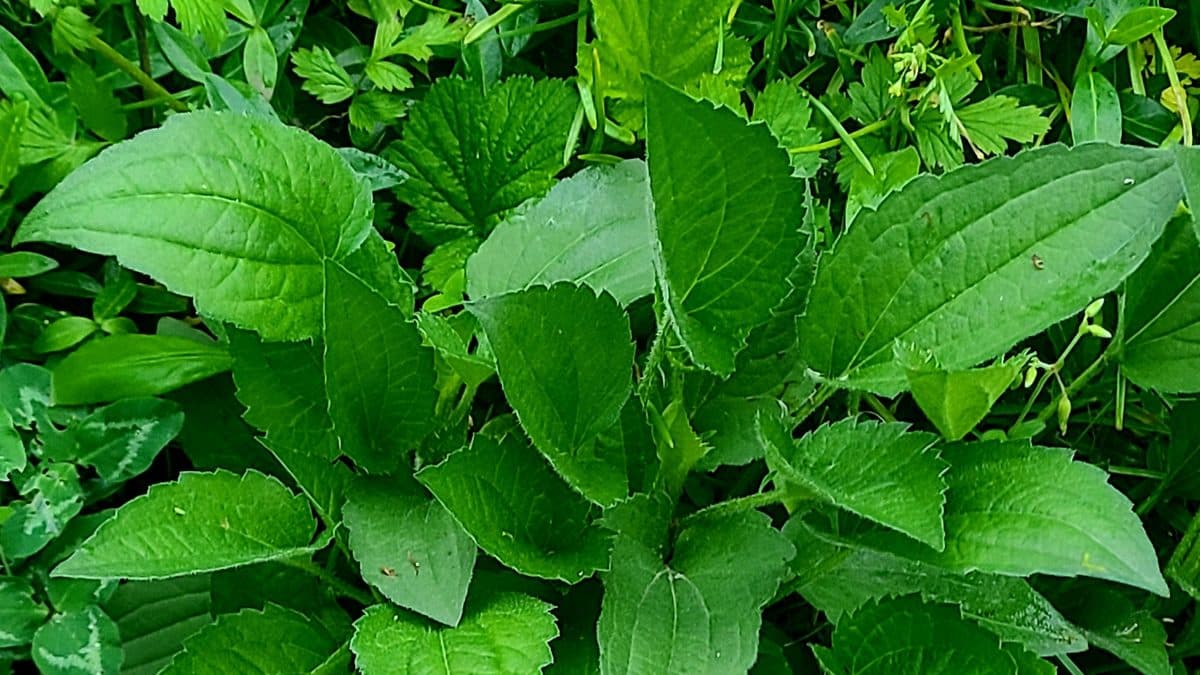
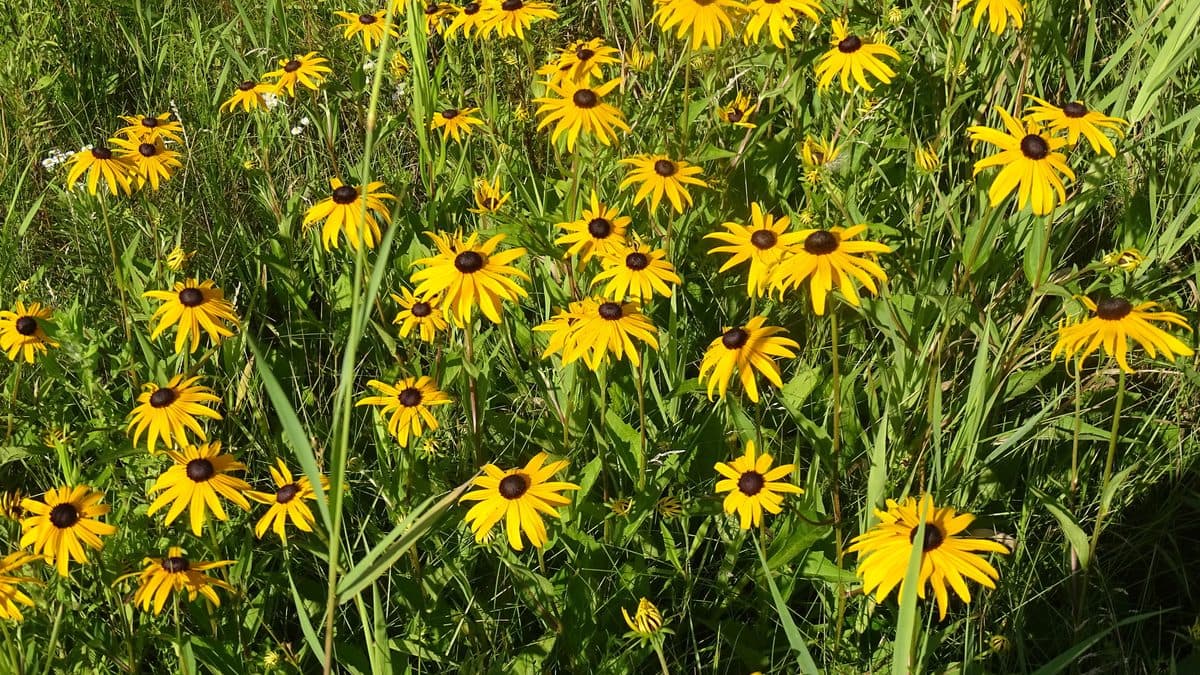
The plant tag is the fastest way to know. If it is gone, a few clues help. Missouri Botanical Garden describes hirta with yellow to orange-yellow rays and dark brown centers, and fulgida with yellow rays and brownish-purple center disks. The Lady Bird Johnson Wildflower Center describes fulgida petals as yellow-orange, slightly curved and toothed at the tip. Both are hairy, so the leaves alone will not settle it. In my experience, a plant that turns up in a new spot is more likely hirta, and a clump that grows wider in the same place is more likely fulgida. That is a rule of thumb, not a cited test.
| Species | Life span | How it returns |
|---|---|---|
| Rudbeckia hirta | Annual, biennial or short-lived perennial | Self-seeds freely |
| Rudbeckia fulgida | Herbaceous perennial | Slowly spreading rhizomes, plus some self-sowing |
Cultivars add a wrinkle. Penn State says 'Goldsturm', a Perennial Plant Association Plant of the Year, is compact at 24 to 36 inches, while the hirta types 'Autumn Colors' and 'Cherry Brandy' are technically biennials that are treated as annuals and replanted yearly, though they may also reseed (Penn State Extension). If your plants were labeled with a cultivar name, look that name up before deciding what to expect.
How to help them come back
- Stop deadheading in late summer. Missouri Botanical Garden says deadheading is done to encourage more bloom or to prevent unwanted self-seeding, so skipping it is how you let seed form (Missouri Botanical Garden).
- Leave the dry stems and heads standing through winter. Penn State says several species of birds feast on the mature seeds and suggests saving cleanup until spring (Penn State Extension). Our post on when to cut back black-eyed Susans covers the timing and the stubble height.
- Pick a spot you will like long-term. Penn State says Rudbeckia self-seeds, so choose a place where you will enjoy the plant over the years (Penn State Extension).
- For a fulgida clump that has outgrown its space, divide it in spring or fall (NC State Extension Plant Toolbox).
If yours did not come back
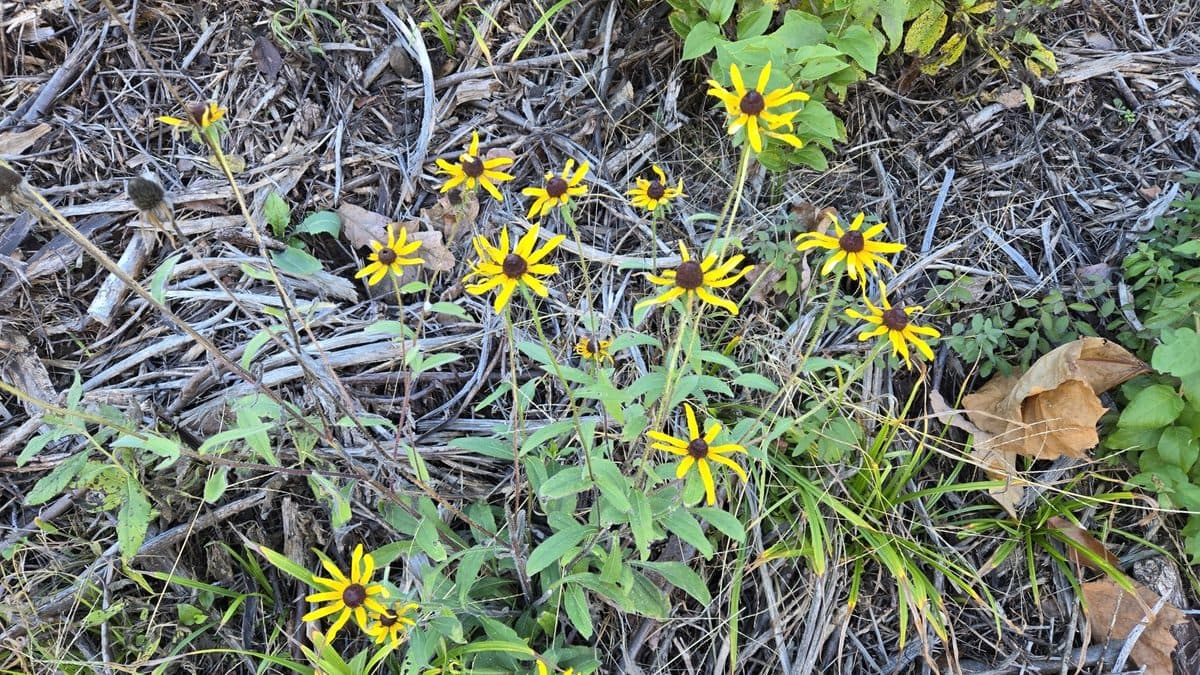
Check for rosettes and small seedlings in spring before you replant. A bare patch in April is often a patch that has not started yet, and a young hirta can look like a weed. If you grew hirta from purchased seed, Penn State says not to expect the best results from sowing seed straight into the ground, since it germinates best after a period of cold (Penn State Extension). I could not find a source that gives a single reason a perennial fulgida fails, so I would look at the site rather than guess. Missouri Botanical Garden asks for average, moist, well-drained soil in full sun for fulgida and says good air circulation is appreciated (Missouri Botanical Garden).
Where the app fits
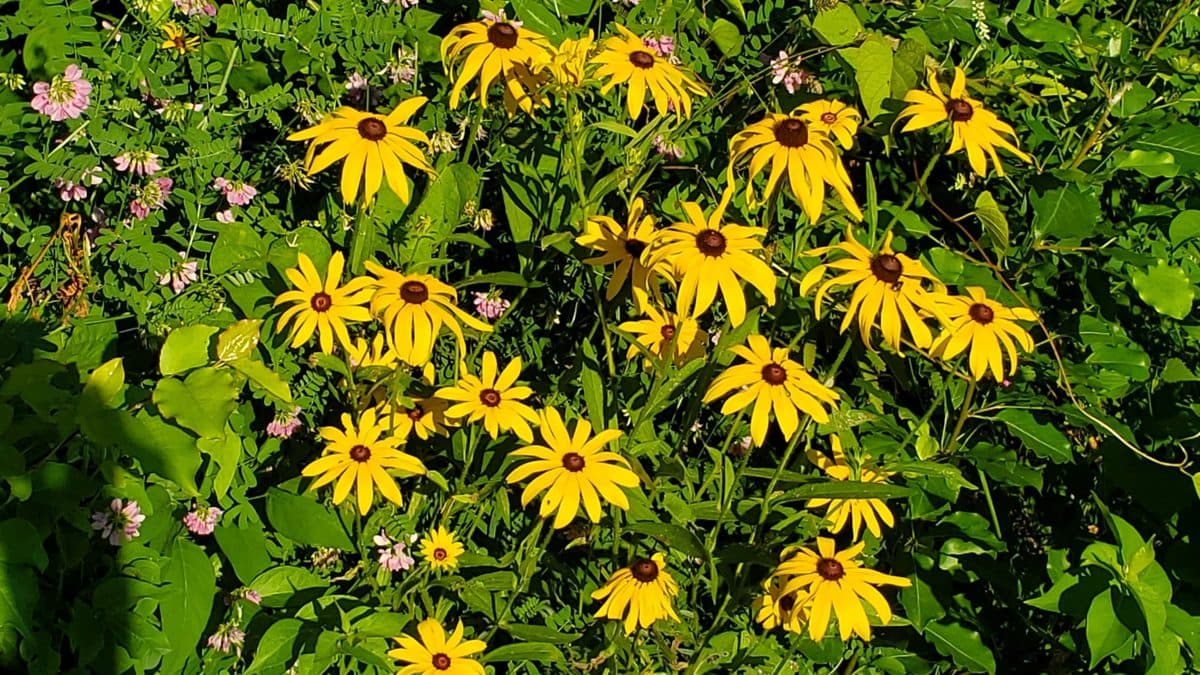
Pollinator Patch has a black-eyed Susan page with a regional care guide for your ecoregion, so you can see when cleanup and cutting back make sense where you garden.
People also ask
Are black-eyed Susans annual or perennial?
Both, depending on the species. Rudbeckia fulgida is a herbaceous perennial, while Rudbeckia hirta is an annual, biennial or short-lived perennial (Missouri Botanical Garden, Lady Bird Johnson Wildflower Center).
Do black-eyed Susans spread?
Yes. Rudbeckia hirta freely self-seeds and usually remains in the garden that way, and Rudbeckia fulgida slowly spreads by rhizomes (Missouri Botanical Garden). Penn State suggests choosing a spot you will enjoy long-term.
Why didn't my black-eyed Susans come back?
Rudbeckia hirta can be an annual or biennial, so individual plants may not return, but it usually reseeds. Check for small seedlings and leaf rosettes in spring before replanting (Missouri Botanical Garden, NC State Extension). Cutting everything down early removes the seed heads that supply them, which is my own reading of the sources, not a figure from one.
Should I leave black-eyed Susan seed heads on the plant?
Yes, if you want them to return. Seed heads feed birds over winter and let hirta reseed. Penn State Extension suggests saving cleanup until spring (Penn State Extension).
See your black-eyed Susan's regional care
Pollinator Patch shows the care for the black-eyed Susans you already own, by ecoregion, along with freeze alerts for your ZIP code. Care is free for every plant you own, native or not.