Quick answer: Fall is the best season for planting native plants in Texas. Texas A&M AgriLife Extension tips put trees and shrubs in the ground from September through December, because roots keep growing whenever the soil is at least 40°F. Wildflower and grass seed goes down from September through November (TxDOT). In Dallas-Fort Worth the average first freeze is November 22 (National Weather Service), so a container plant bought in early November is still on time.
Fall planting native plants in Texas works because the plant spends the cool months building roots while the part above ground stays quiet. If you are reading this on October 31 or later in November, you have not missed it. Most of the state is still inside the window.
Below: when the window closes in each part of Texas, whether to buy seed or container plants, eight natives (five for the Blackland Prairie around Dallas, three for the Cross Timbers around Fort Worth), and a short checklist.
Fall planting native plants in Texas: the window by region
Texas has no single planting date. The average first freeze runs from mid-October in the Panhandle to the end of November in San Antonio. The last column counts back six weeks from each date. That is the rule Illinois Extension gives for perennials, and our first-frost planting guide explains it. Treat the result as the cautious edge for perennials, not a cutoff for everything.
| Area | Average first freeze | Six weeks earlier, about |
|---|---|---|
| Texas Panhandle (Amarillo area) | Often mid-October (National Weather Service, Amarillo) | Early September |
| Hill Country (Kerrville, Fredericksburg) | October 31 to November 6 (KSAT) | September 19 to 25 |
| El Paso | November 15 (National Weather Service, 1991 to 2020) | October 4 |
| North Texas (Dallas-Fort Worth) | November 22 (National Weather Service, Fort Worth) | October 11 |
| San Antonio | November 30 (KSAT) | October 19 |
KSAT does not state its averaging period. The Gulf Coast is left out because no official figure was confirmed for this post, so look up the average for your nearest weather station.
Plants that already have roots can go in later than that. The AgriLife tips shared by the Texas Commission on Environmental Quality (opens in new tab) call September through December the planting season for trees and shrubs, and our fall care calendar treats October through early December as the window in Texas. In Dallas-Fort Worth that makes a nursery shrub bought mid-November a reasonable purchase. In the Panhandle it is a much tighter bet.
Seed or container plants?
- Seed suits wildflowers and bunchgrasses. TxDOT says Texas wildflower seed does best sown from September 1 through the end of November, that soil preparation is not necessary on open ground, and that seed-to-soil contact is what matters. Its method is to drag a weighted object over the seed, water gently, then water briefly every three days for about three weeks (TxDOT (opens in new tab)).
- Container plants suit trees, shrubs, and anything that needs a full season before it looks like anything. Water thoroughly after planting and skip the fertilizer until early spring (AgriLife, via TCEQ).
- Either works for several grasses and for bluebonnet, where the Wildflower Center says to propagate by sowing seed or planting seedlings in fall.
The frost guide advises waiting for a hard frost before sowing. That comes from Illinois Extension and is written for cold-winter states, so for Texas use the TxDOT dates above.
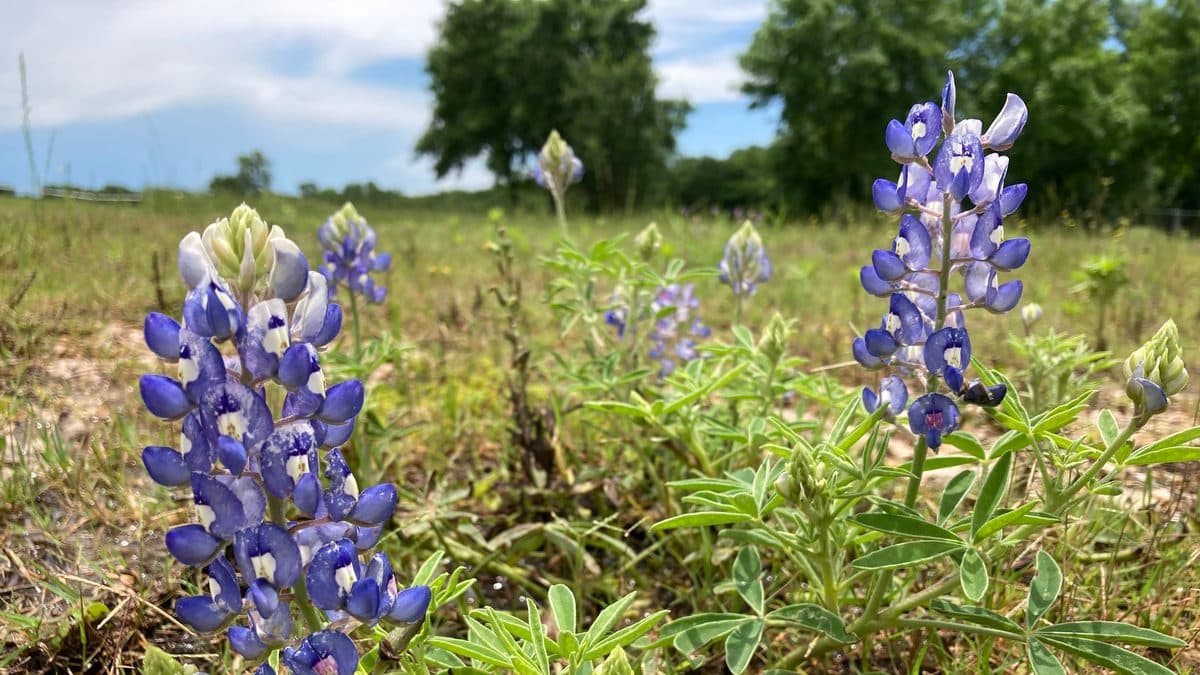
Native plants for fall planting in Texas: Blackland Prairie, Dallas area
These five suit the Blackland Prairie around Dallas and appear on the Texas Parks and Wildlife Department's Blackland Prairies plant list (opens in new tab). Size, water, and bloom figures come from each plant's Lady Bird Johnson Wildflower Center profile.
| Plant | Size | Light and water | In fall |
|---|---|---|---|
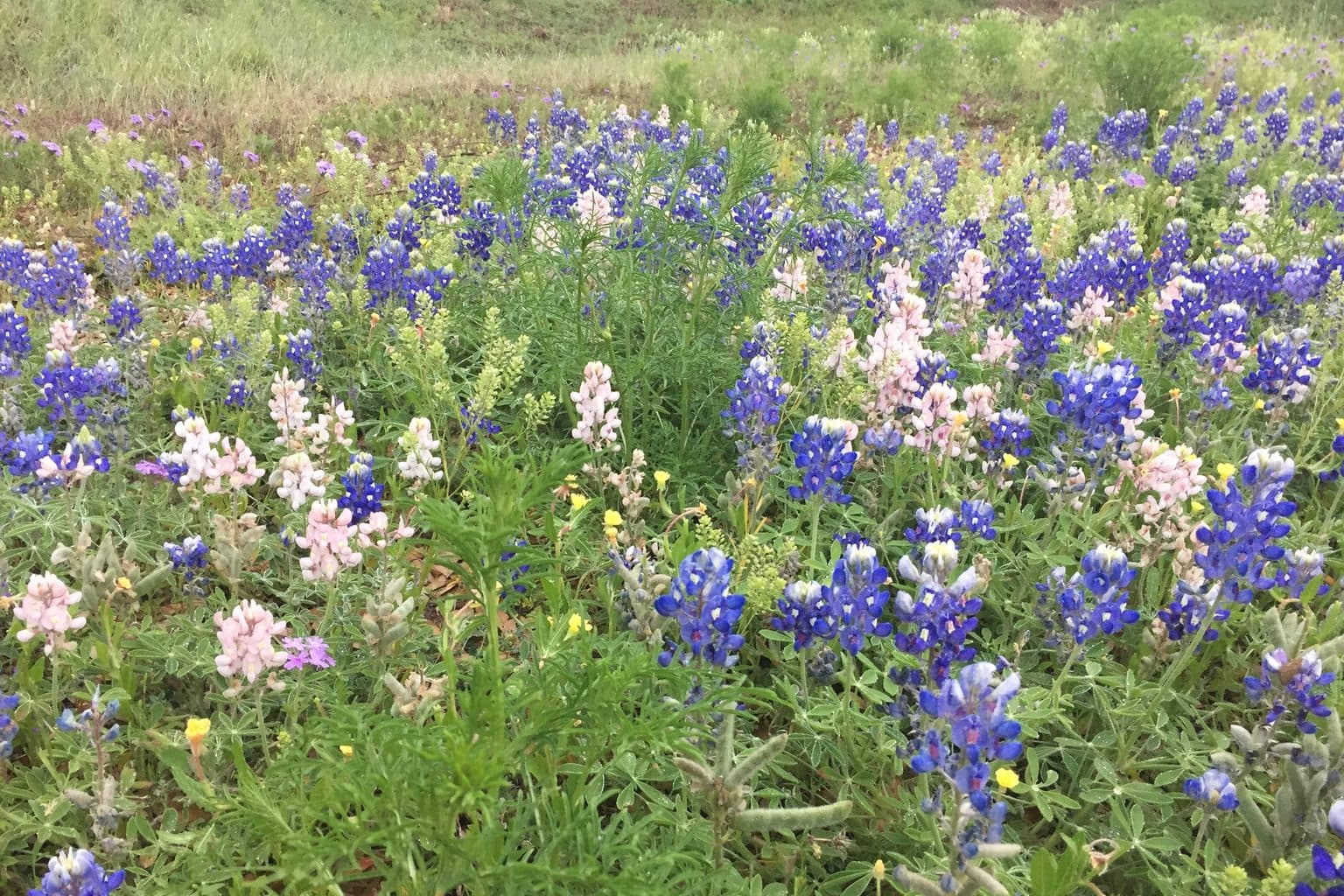
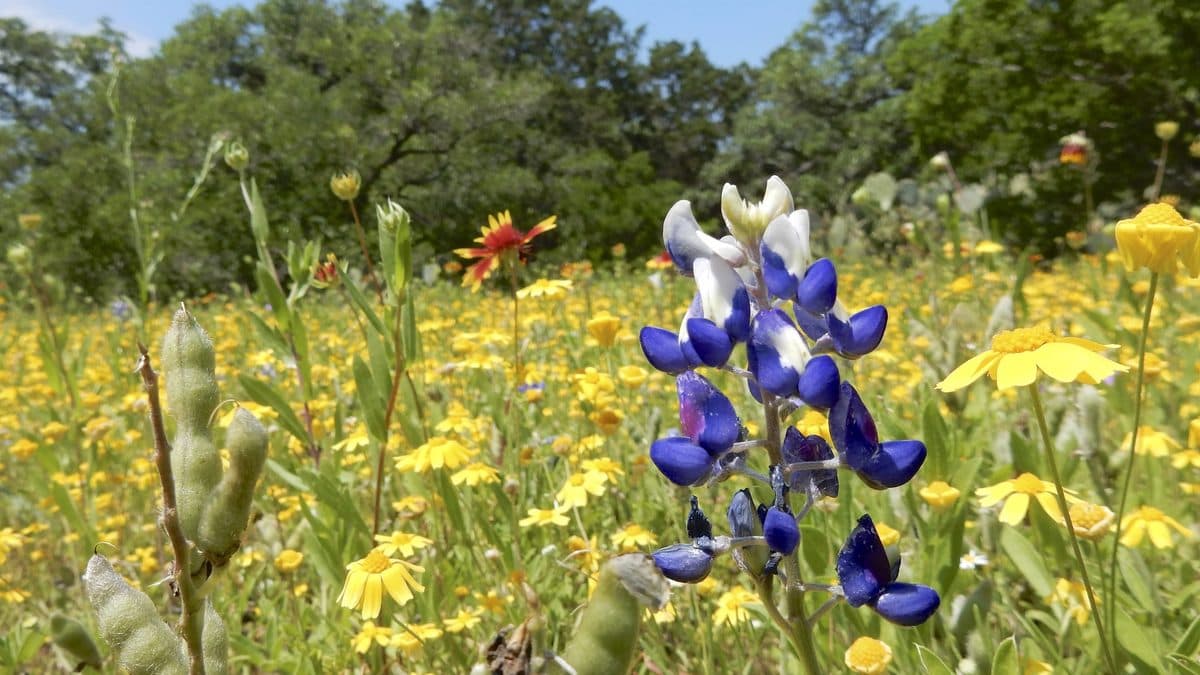
| Texas bluebonnet (opens in new tab) (Lupinus texensis) | Up to about 2 feet, blooms March to May | Sun, low water | Sow seed or plant seedlings |
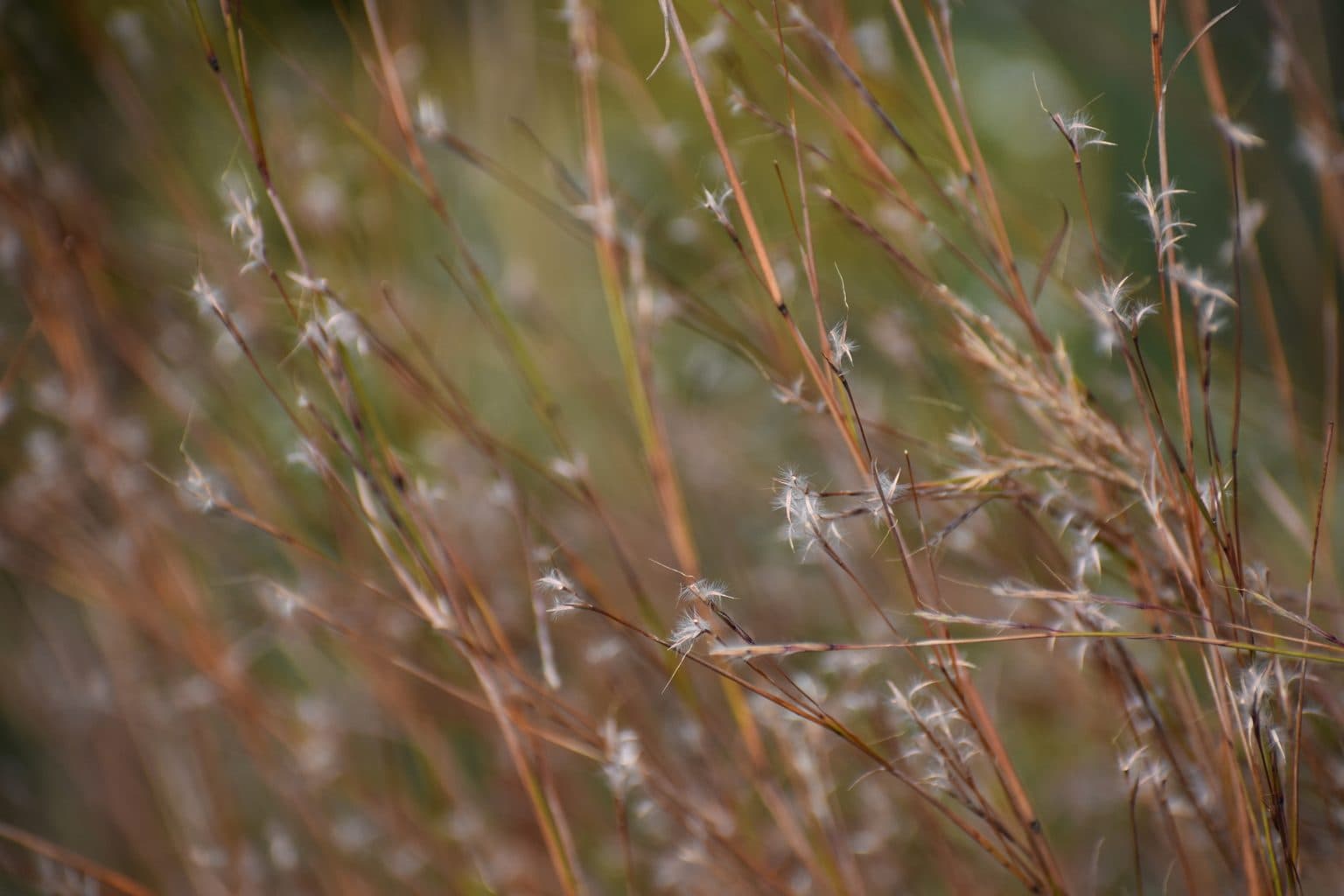
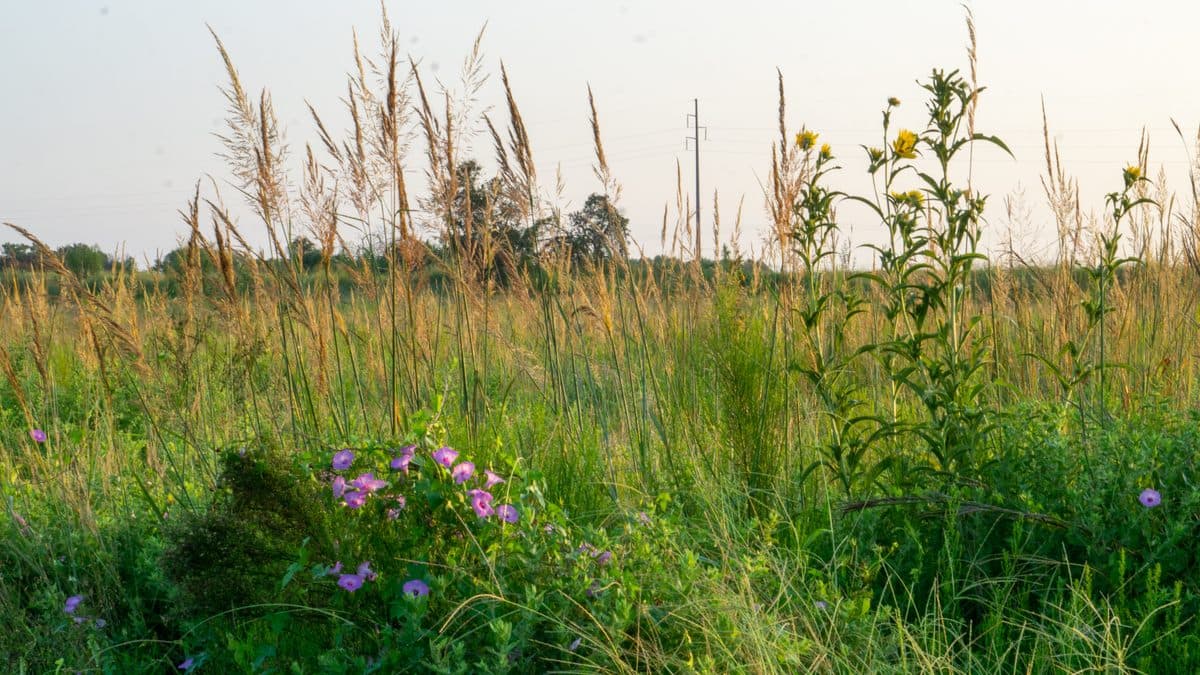
| Little bluestem (opens in new tab) (Schizachyrium scoparium) | Mounds of 18 to 24 inches, stems often 5 feet by September | Sun or part shade, low water | Plant a nursery clump |
| Indiangrass (opens in new tab) (Sorghastrum nutans) | 3 to 8 feet, blooms August to October | Sun to shade, medium water | Sow unstratified seed or plant a clump |
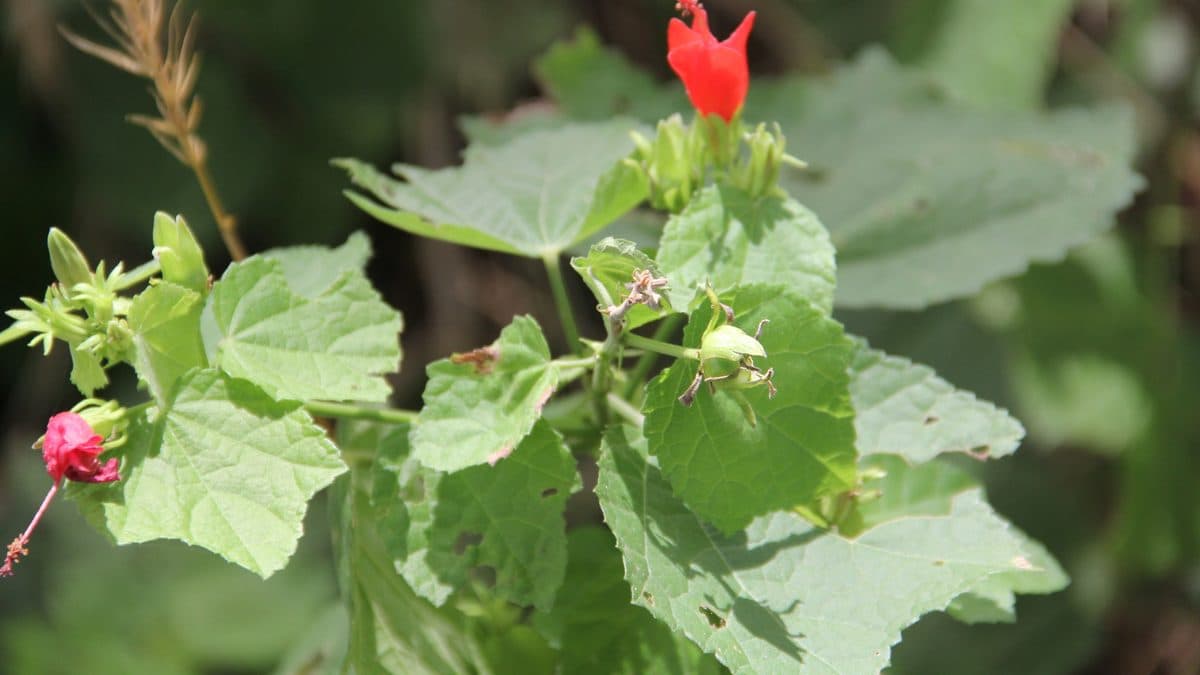
| Turk's cap (opens in new tab) (Malvaviscus arboreus var. drummondii) | Typically 2 to 3 feet, blooms May to November | Part shade to shade, medium water | Plant a container |
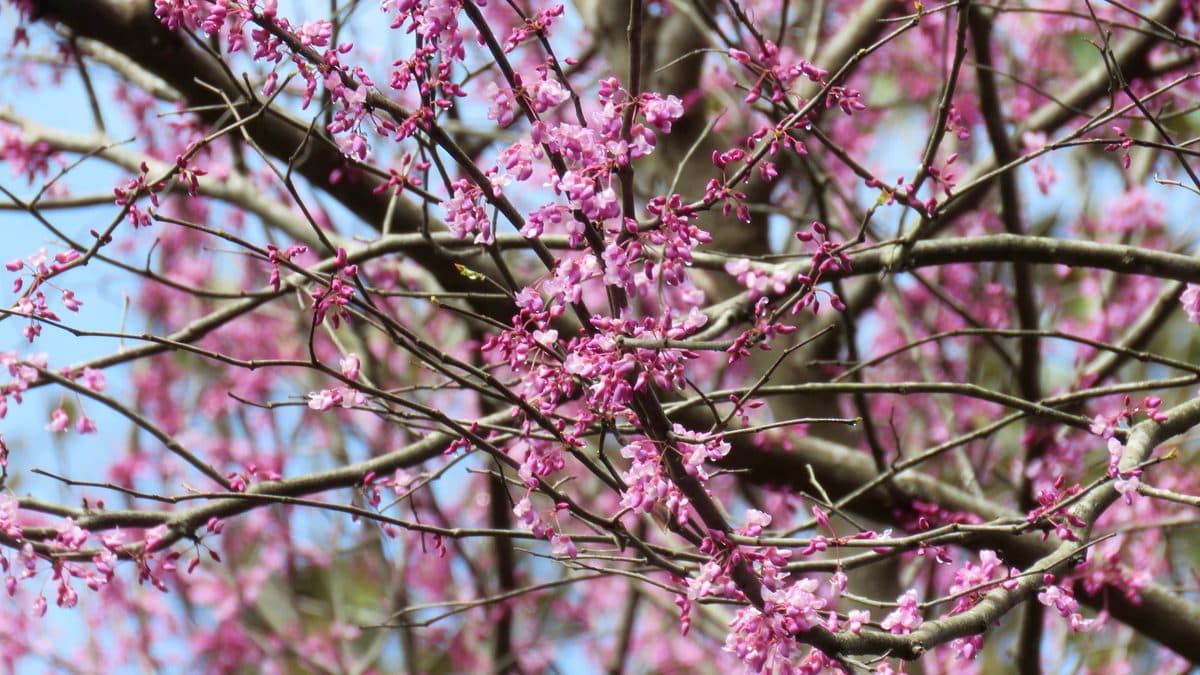
| Eastern redbud (opens in new tab) (Cercis canadensis) | Up to about 30 feet, blooms March to May | Part shade to shade, low water | Plant a small nursery tree |
Texas bluebonnet is the one to seed. The Wildflower Center says it grows mainly in the Blackland Prairie and Edwards Plateau, is a larval host for hairstreak and elfin butterflies, and has special value to native bees. Scarifying the seed speeds germination. The Wildflower Center suggests soaking it overnight.
Little bluestem anchors the list. It feeds small birds with its seed in winter and hosts several skipper butterflies, including the Ottoe and Dusted skippers (Wildflower Center). It is propagated by division, so a nursery clump is the fall purchase.
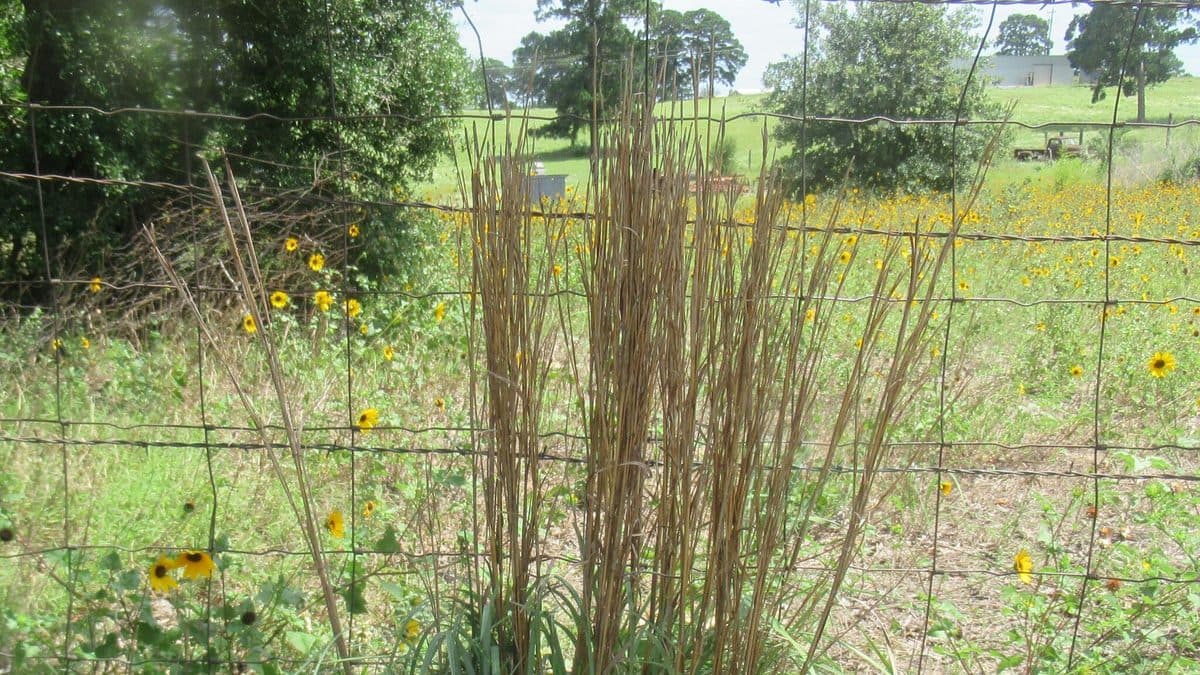
Indiangrass is the tall one. At up to 8 feet it belongs at the back of a bed, and the Wildflower Center lists it as a larval host for the Pepper-and-Salt Skipper. The Wildflower Center says to sow its unstratified seed in fall.
Turk's cap handles the shady side. The Wildflower Center rates it part shade to shade, notes it attracts hummingbirds, and says fresh seed should wait until frost danger has passed, which makes a container the fall route.
Eastern redbud is the small tree. The Wildflower Center gives its Texas range as central Texas and eastward for the typical variety, with smaller varieties further west, and lists it with special value to native bees. Plant it where it gets part shade.
Native plants for fall planting in Texas: Cross Timbers, Fort Worth area
West of the Blackland Prairie, the Eastern Cross Timbers run through Denton, Tarrant, and Johnson counties, according to the Wildflower Center. These three come from the Texas Parks and Wildlife Department's Cross Timbers and Prairies list (opens in new tab).
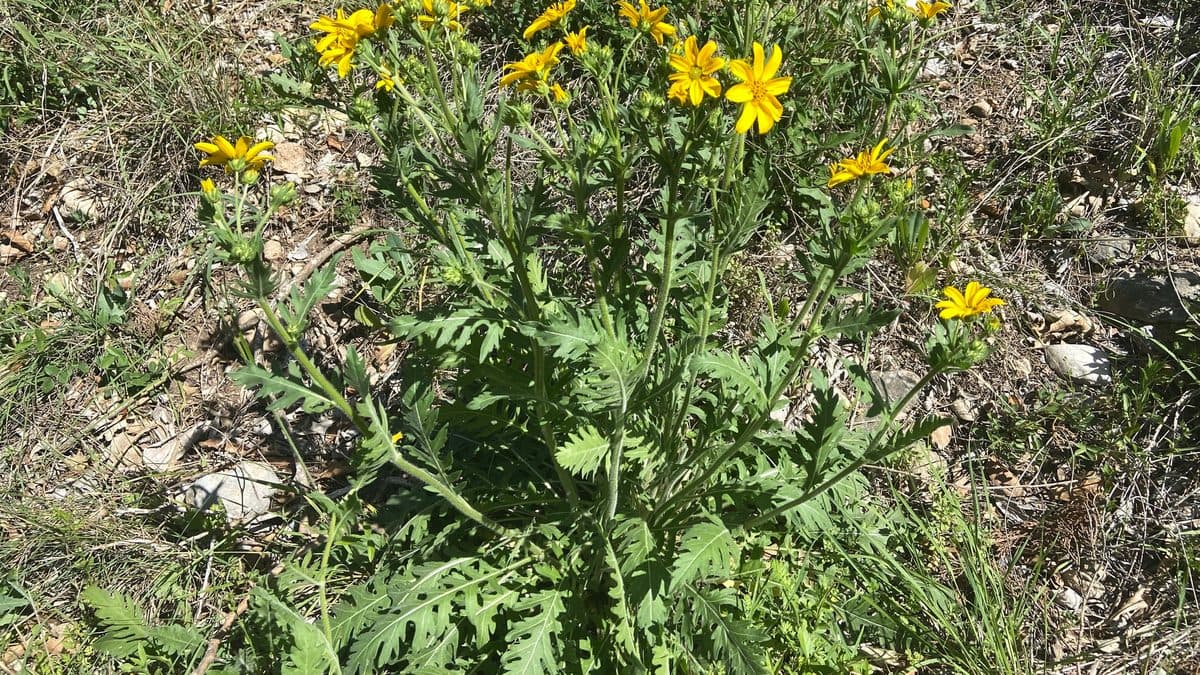
- Engelmann's daisy (Engelmannia peristenia): up to about 3 feet, yellow flowers March through July, sun, medium water, dry soil. The Wildflower Center says "a fall seeding is recommended." It has a long taproot, so move plants only in winter while still a rosette (profile (opens in new tab)).
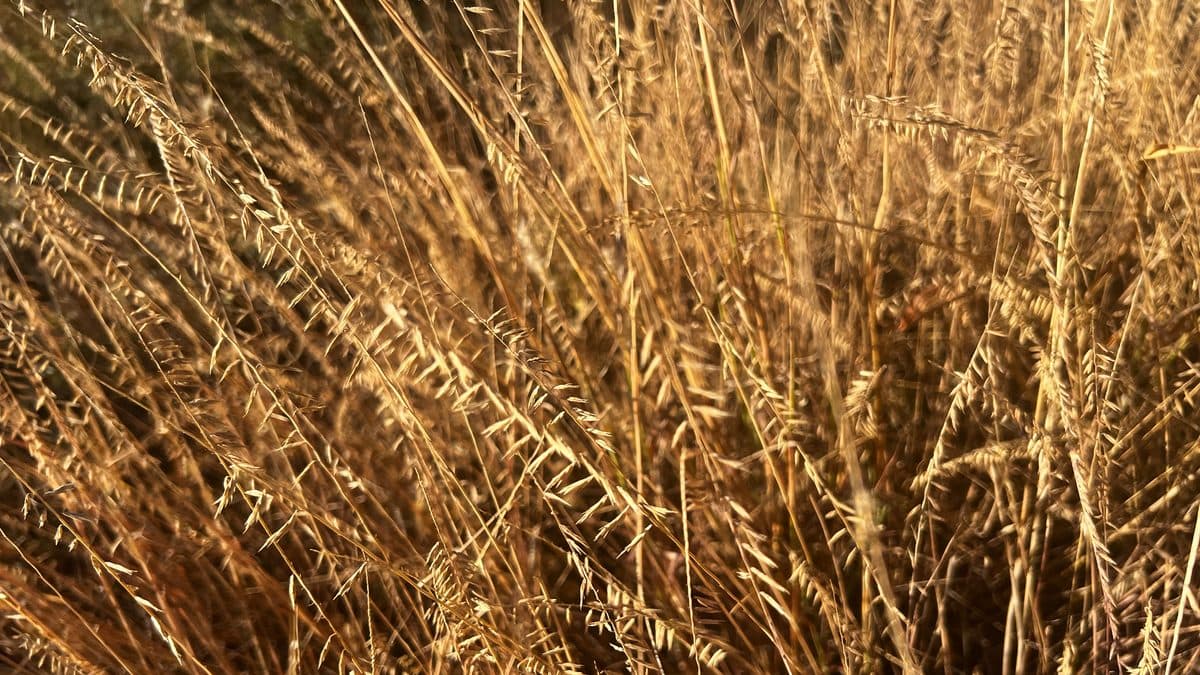
- Sideoats grama (Bouteloua curtipendula): 1 to 3 feet, sun or part shade, hosts the Green Skipper and Dotted Skipper. Seed sown a quarter inch deep in fall needs no stratifying (profile (opens in new tab)).
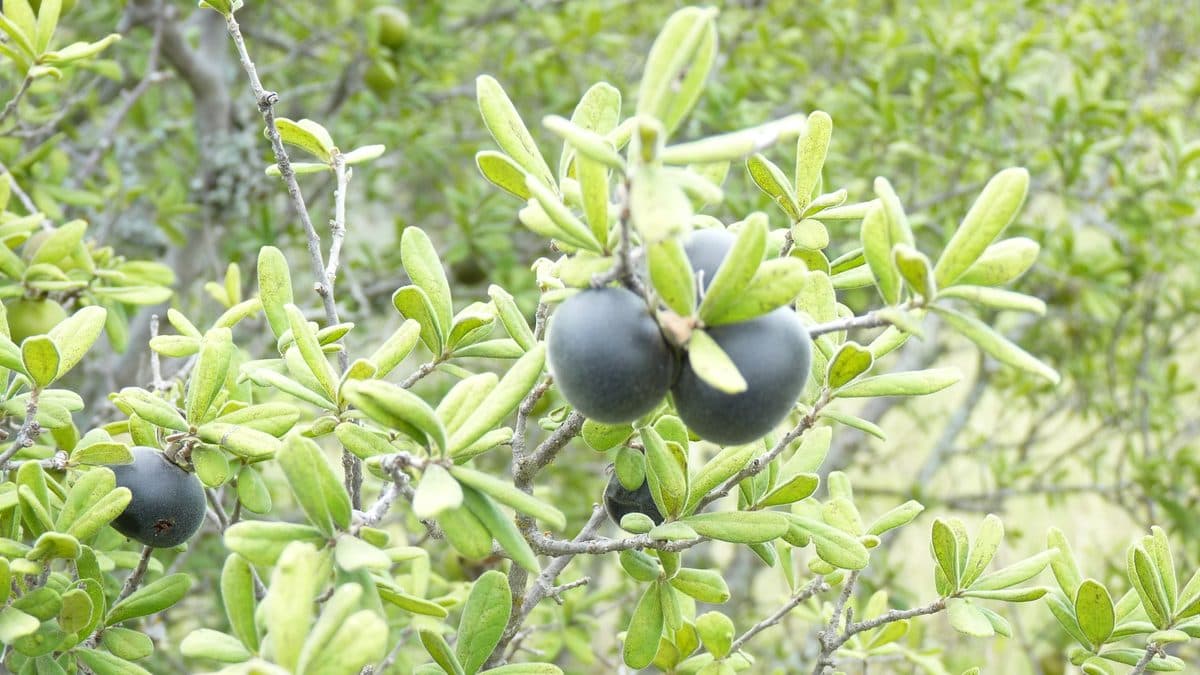
- Texas persimmon (Diospyros texana): normally 10 to 15 feet, sun or part shade, low water, deciduous north of the Rio Grande Valley. Its fruit feeds birds and it hosts the gray hairstreak. Seedlings are prone to damping-off, so buy a nursery plant (profile (opens in new tab)).
A fall planting checklist
- Look up your average first freeze and count back six weeks for perennials. Treat September through December as the outer window for trees and shrubs.
- Check the plant against your ecoregion list before you buy. A nursery label is not a range map.
- Sowing seed: finish by the end of November, press it into bare soil, and water every three days for about three weeks.
- Planting containers: water thoroughly, and hold the fertilizer until early spring.
- Keep new plantings watered in dry weeks. Our fall care calendar covers the months after planting.
- Replacing lawn first? Apply for any rebate before the grass comes out, as the solarizing guide explains, and check the Texas rebate programs.
Planting before the cold sets in
Find your freeze date, match the method to each plant, and get it in the ground. For a longer list from the same ecoregion, see our best native plants for Dallas.
People also ask
When is the best time to plant native plants in Texas?
Fall. Texas A&M AgriLife Extension tips give September through December for trees and shrubs, and TxDOT gives September through November for wildflower seed.
Can I still plant native plants in Texas in November?
Yes, in most of the state. The average first freeze in Dallas-Fort Worth is November 22 (National Weather Service), roots keep growing while the soil is above 40°F, and the seed window runs through November. The Panhandle freezes earlier, so plant there first.
When should I plant bluebonnet seed in Texas?
September through November. The Wildflower Center says to sow seed or plant seedlings in fall, and that scarifying the seed hastens germination.
Want the list for your own ZIP?
Pollinator Patch builds a plant list for your ZIP and ecoregion, so you know which natives belong where you are planting before you buy, and it sets care reminders for the first weeks after planting.