Honey Bees Are Not the Bees You Are Trying to Save
The short version
- The US Geological Survey states that honey bees are not native to North America. University of Florida IFAS Extension dates their introduction to 1622.
- The Xerces Society describes honey bees as managed domesticated livestock and states that beekeeping is different from bee conservation.
- USGS counts more than 4,000 native bee species in the United States. Xerces reports more than one-quarter of North America’s bumble bee fauna are at risk of extinction.
- Cane and Tepedino (2017, Conservation Letters) calculated that one hive collects as much pollen over three months as could support about 100,000 native solitary bees.
- The competition evidence is real but not unanimous: a 2017 PLOS ONE systematic review found 53 percent of studies reported negative effects on wild bees, 28 percent found none, and 19 percent were mixed.
Quick answer
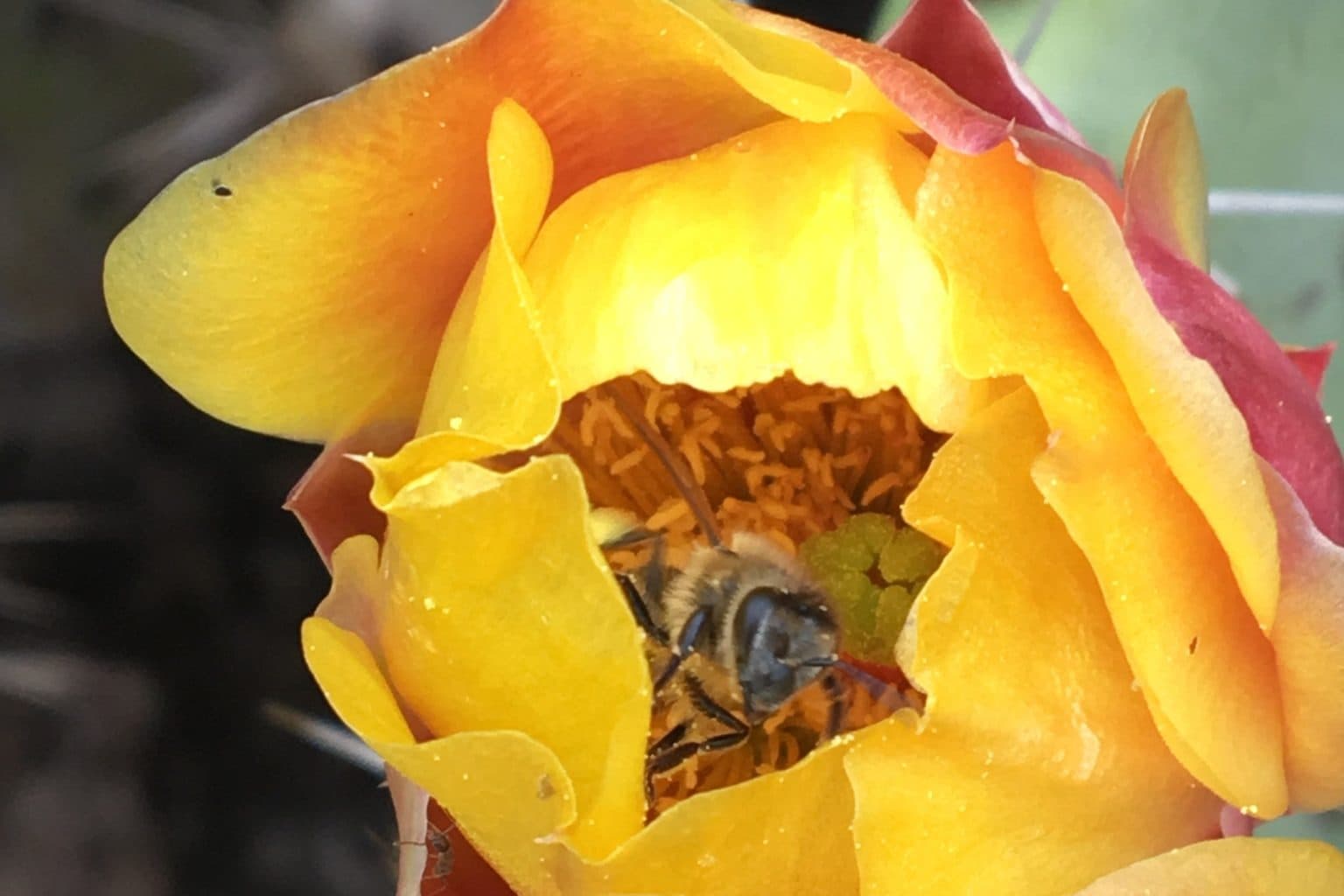
No. The honey bee (Apis mellifera) is not native to North America. The US Geological Survey states plainly that honey bees are not native here, and University of Florida IFAS Extension dates their introduction to early American settlers in 1622. They are a managed agricultural animal, kept in boxes and moved by truck. The United States has more than 4,000 bee species that are native, per USGS, and those are the ones in trouble. If you want to help bees, plant flowers. Do not buy a hive.
"Save the bees" did a strange thing. It took a real problem, the decline of wild pollinators, and attached it to an animal that is farmed. A decade of that messaging sold a lot of backyard hives to people who wanted to do something good, and a backyard hive is not the thing that helps.
Honey bees are not from here
The US Geological Survey answers this one directly in its own FAQ: "Honey bees are not native to North America." (opens in new tab) They were brought over by European colonists. University of Florida IFAS Extension's species profile for the European honey bee puts the arrival at 1622, and notes that none of the honey bee subspecies are native to the Americas.
That is roughly four hundred years ago, which is long enough that honey bees feel like part of the landscape. They are not. Every flowering plant that was here before 1622 was being pollinated by something else, and that something else is still here, mostly unnoticed.
They are livestock, and that is not an insult
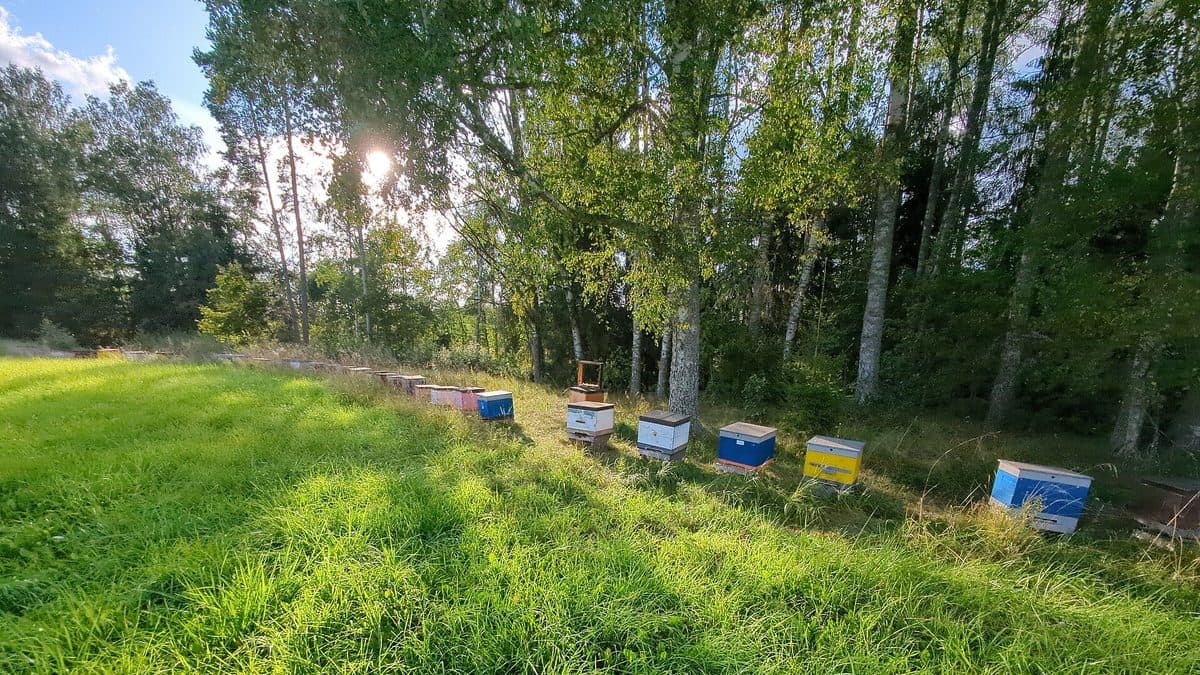
The Xerces Society, which is the invertebrate conservation organization most people in this space already trust, describes honey bees as "managed as domesticated livestock for millennia." (opens in new tab) The Agricultural Marketing Resource Center, run by Iowa State University Extension, files bees under its livestock, dairy and poultry commodity category alongside cattle and sheep.
None of that makes beekeeping bad. Honey bees pollinate an enormous share of American agriculture, and commercial beekeeping is real, skilled work. The problem is only the swap that happened in the public mind, where an agricultural animal became the mascot for wild pollinator decline. Xerces puts the distinction in one line: "Beekeeping is different from bee conservation." (opens in new tab) Their own analogy is keeping chickens to save songbirds.
What the competition research actually says
Here is where the honest version gets more complicated than the slogan, and where a lot of native plant content overstates its case.
The clearest single number comes from Cane and Tepedino's 2017 paper in Conservation Letters, which the Xerces fact sheet quotes directly: over a period of three months, one hive collects as much pollen as could have supported the development of about 100,000 native solitary bees. A hive is a very efficient extraction machine parked in the middle of a finite food supply.
Whether that extraction measurably harms wild bees is the part that is still being argued. Mallinger, Gaines-Day and Gratton's 2017 systematic review in PLOS ONE (opens in new tab) looked at the studies on floral resource competition and found 53 percent reported negative effects on wild bees, 28 percent reported no effects, and 19 percent reported mixed effects. The authors also note that most of those studies documented the potential for impact rather than measuring a change in wild bee fitness or abundance.
Wojcik and colleagues, reviewing 19 experimental papers in Environmental Entomology in 2018 (opens in new tab), reached a similar split. Studies that inferred competition from foraging behavior gave equivocal results. The smaller set that measured actual reproduction found negative impacts, particularly for bumble bees.
The fair version of this argument
The bees that actually need help
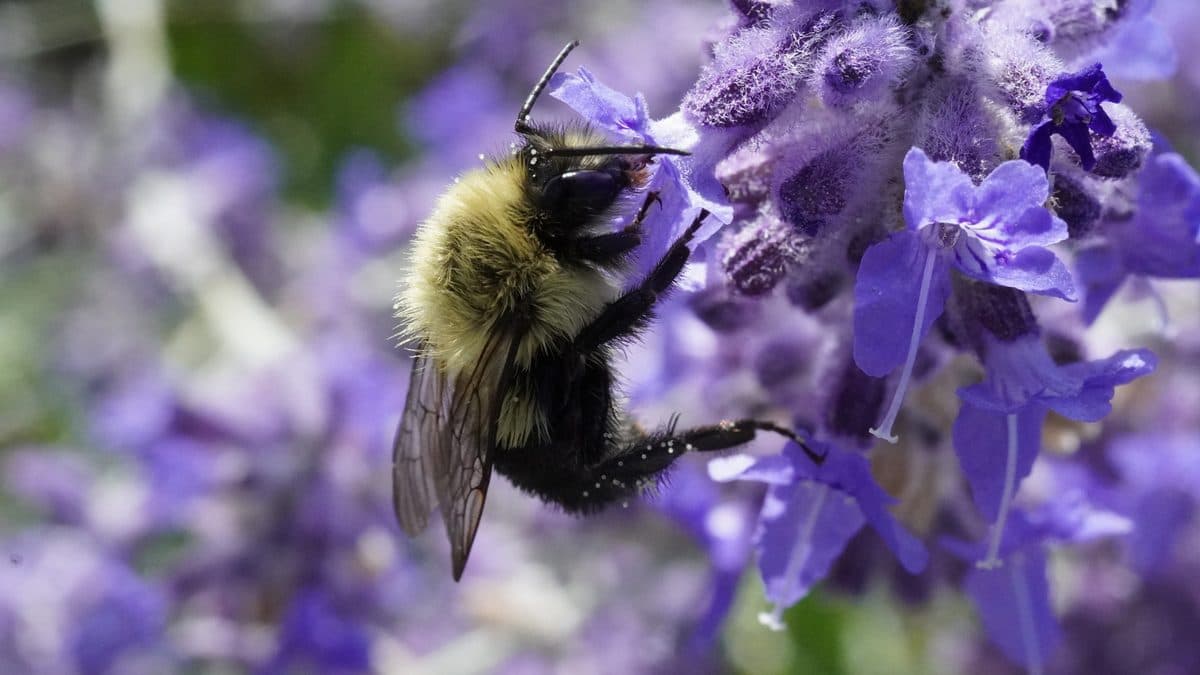
Honey bees are not endangered. There are more managed colonies now than there were decades ago, because they are an agricultural input and agriculture keeps producing more of them. Native bees are a different story. Xerces, working with the IUCN Bumblebee Specialist Group, reports that more than one-quarter of North America's bumble bee fauna are at risk of extinction. The rusty patched bumble bee is on the federal endangered species list. Franklin's bumble bee has not been detected since 2006.
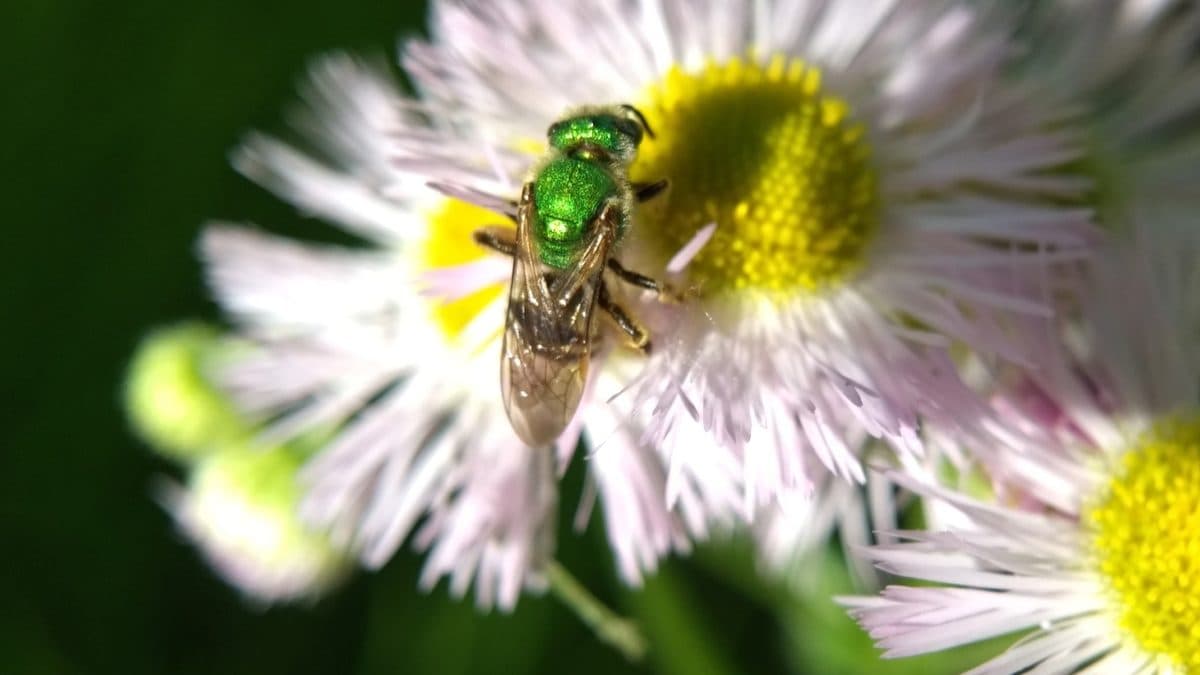
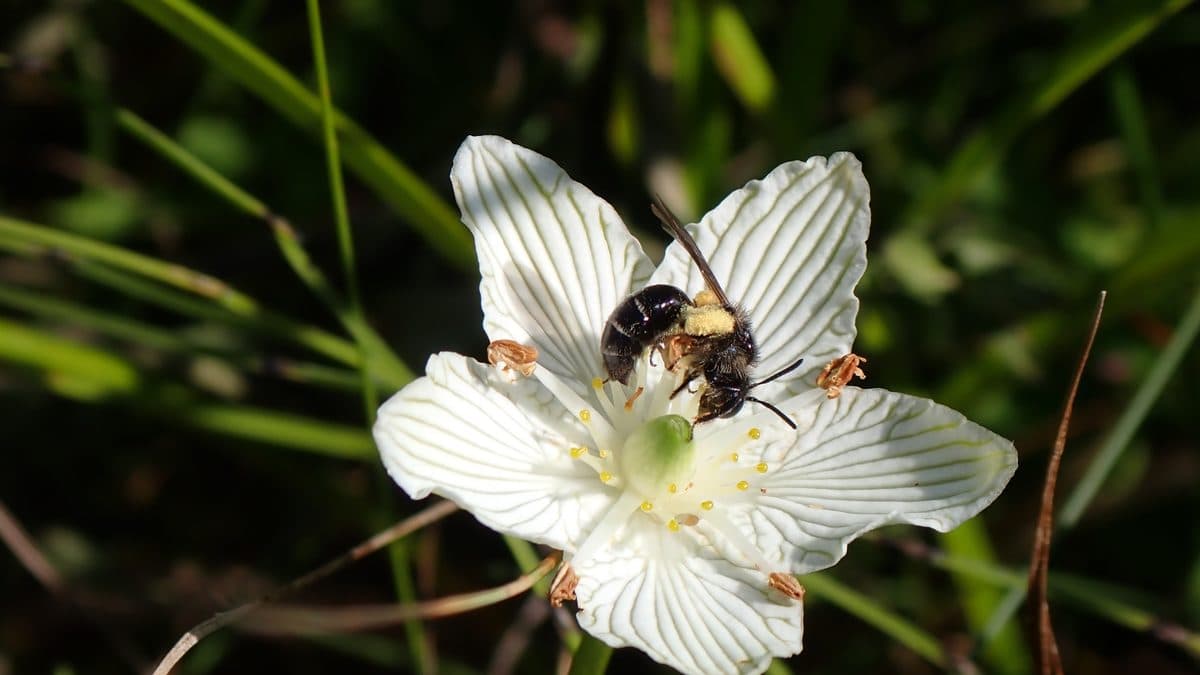
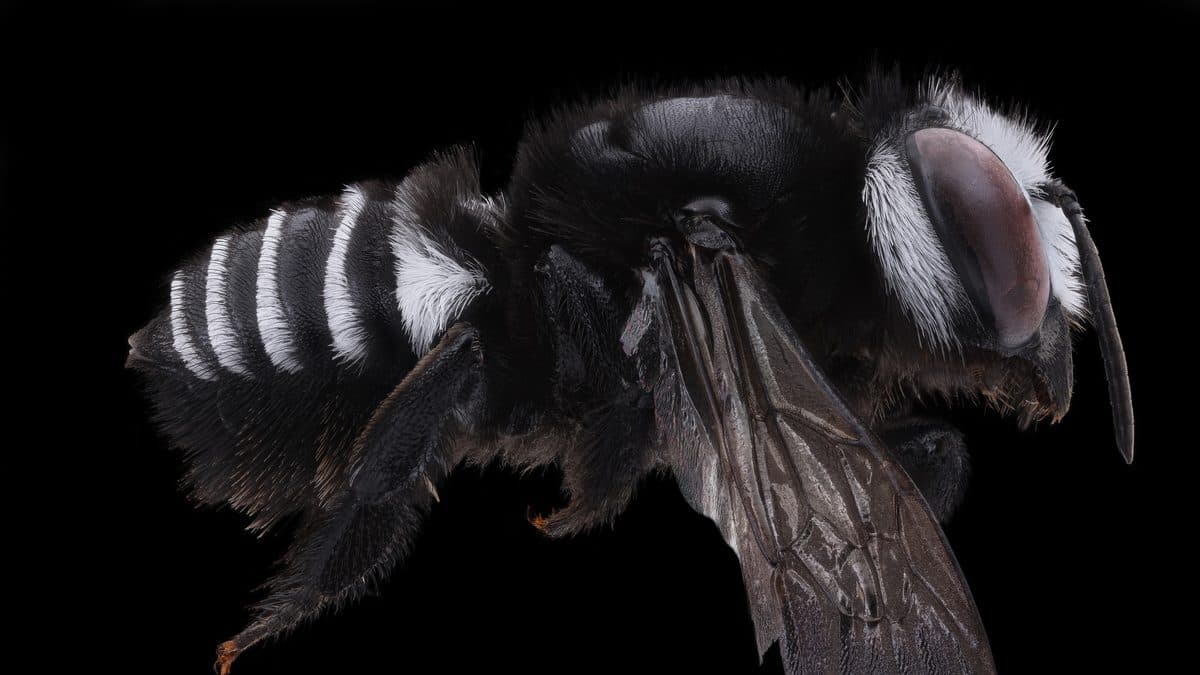
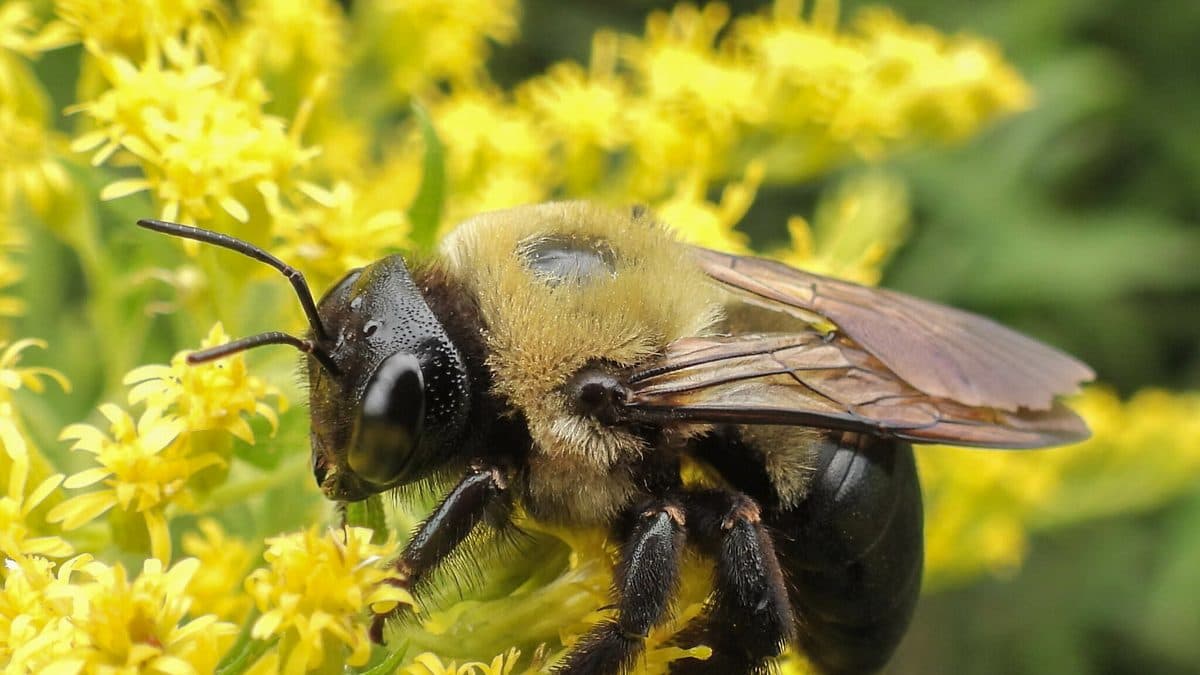
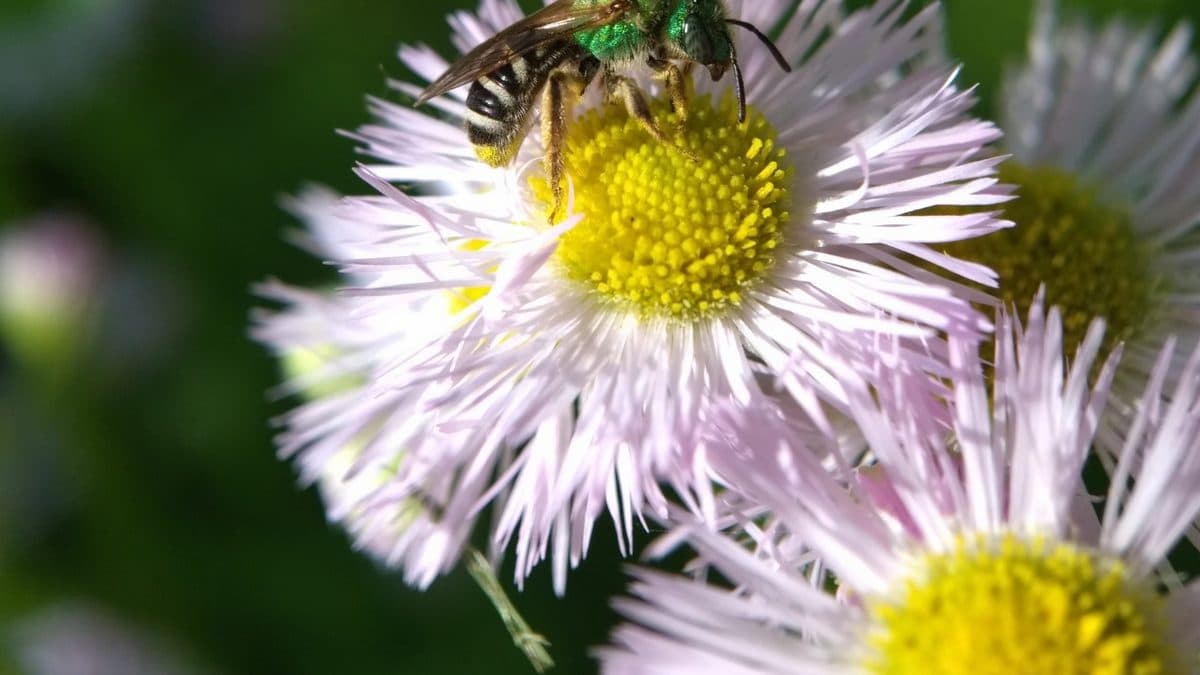
Most native bees look nothing like the cartoon bee. They are small, often dark, frequently solitary, and many of them nest in the ground or in hollow stems rather than in a hive. Most do not make honey and most do not sting readily.
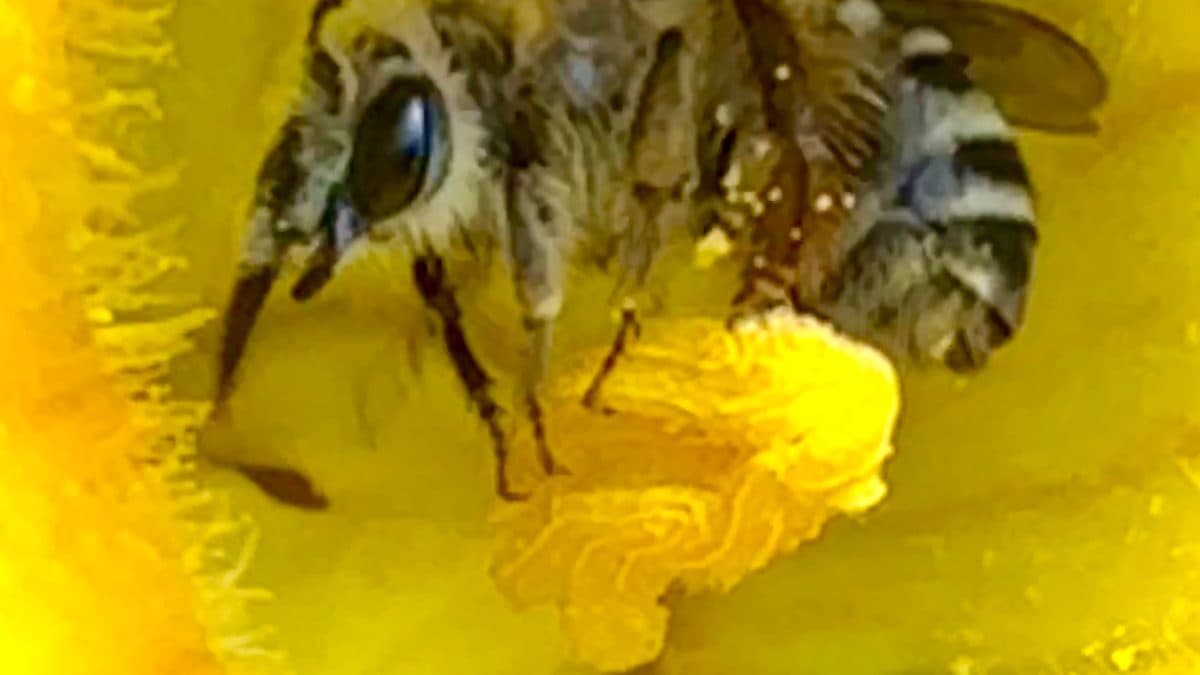
Specialization is the part that makes native bees fragile in a way honey bees are not. A honey bee colony will work whatever is blooming. A specialist bee needs its particular plants to be in flower, near its nest, at the right weeks. Take those plants out of the neighborhood and no amount of general goodwill replaces them.
What to do instead
The advice that follows from all of this is less exciting than buying a hive, and it works better.
- Plant more flowers, across more of the season. The limiting factor for wild bees in most residential neighborhoods is food and nest sites, not a shortage of bees. Aim for something in bloom from early spring through hard frost.
- Favor plants native to your region. Specialist bees evolved alongside particular native plants, and those are the ones a specialist can actually use.
- Leave some bare ground. A large share of native bees nest in soil, and they need unmulched, undisturbed patches to do it. We wrote about this in why bare ground matters for native bees.
- Leave stems standing through winter. Cavity-nesting bees overwinter inside them.
- Skip the insecticides. This one is not complicated.
If you want to keep bees because you find them fascinating, or you want honey, that is a perfectly good reason to keep bees. It is just a hobby rather than a conservation project, and it is worth being clear with yourself about which one you are doing.
If you want to meet the bees already living on your street, we have regional primers on Texas native bees and California native bees.
People also ask
Are honey bees native to North America?
No. The US Geological Survey states that honey bees are not native to North America. University of Florida IFAS Extension dates their introduction to early American settlers in 1622, and notes that none of the European honey bee subspecies are native to the Americas.Does keeping a beehive help save the bees?
Not in the conservation sense. The Xerces Society puts it as "beekeeping is different from bee conservation," and compares it to keeping chickens to save songbirds. Honey bees are a managed agricultural animal and are not endangered. Planting flowers and leaving nesting habitat helps wild bees; adding a hive does not.Do honey bees compete with native bees?
The evidence points that way but is not unanimous. A 2017 systematic review in PLOS ONE found 53 percent of studies on floral resource competition reported negative effects on wild bees, 28 percent found no effect, and 19 percent were mixed. Xerces notes the risk is lower where flowers are plentiful, hive density is low, and hives are well tended.How many native bee species are in the United States?
More than 4,000, according to the US Geological Survey. The Xerces Society states over 3,600 wild bee species for the United States on its State of the Bees page. The two figures reflect different counts and cutoffs, so it is worth citing whichever source you are quoting rather than blending them.Which native bees are endangered?
The Xerces Society, working with the IUCN Bumblebee Specialist Group, reports that more than one-quarter of North America's bumble bee fauna are at risk of extinction. The rusty patched bumble bee is federally listed. Franklin's bumble bee has not been detected since 2006.Plant for the bees that are already there
Pollinator Patch matches native plants to your ZIP code and ecoregion, so the flowers you put in are the ones the specialist bees in your area can actually use, instead of a generic pollinator mix.
See a finished plan for a yard like this
Find our guides useful? Add Pollinator Patch as a preferred source on Google and articles like this one will show up higher in your own search results.