Quick answer: Yes. Oleander (Nerium oleander) is listed as toxic to dogs, cats, and horses by the ASPCA Animal Poison Control Center. It contains cardiac glycosides that affect the heart, and every part of the plant is poisonous, including the water in a vase of cuttings. If your dog ate oleander, call the ASPCA Animal Poison Control Center at (888) 426-4435 or your emergency vet.
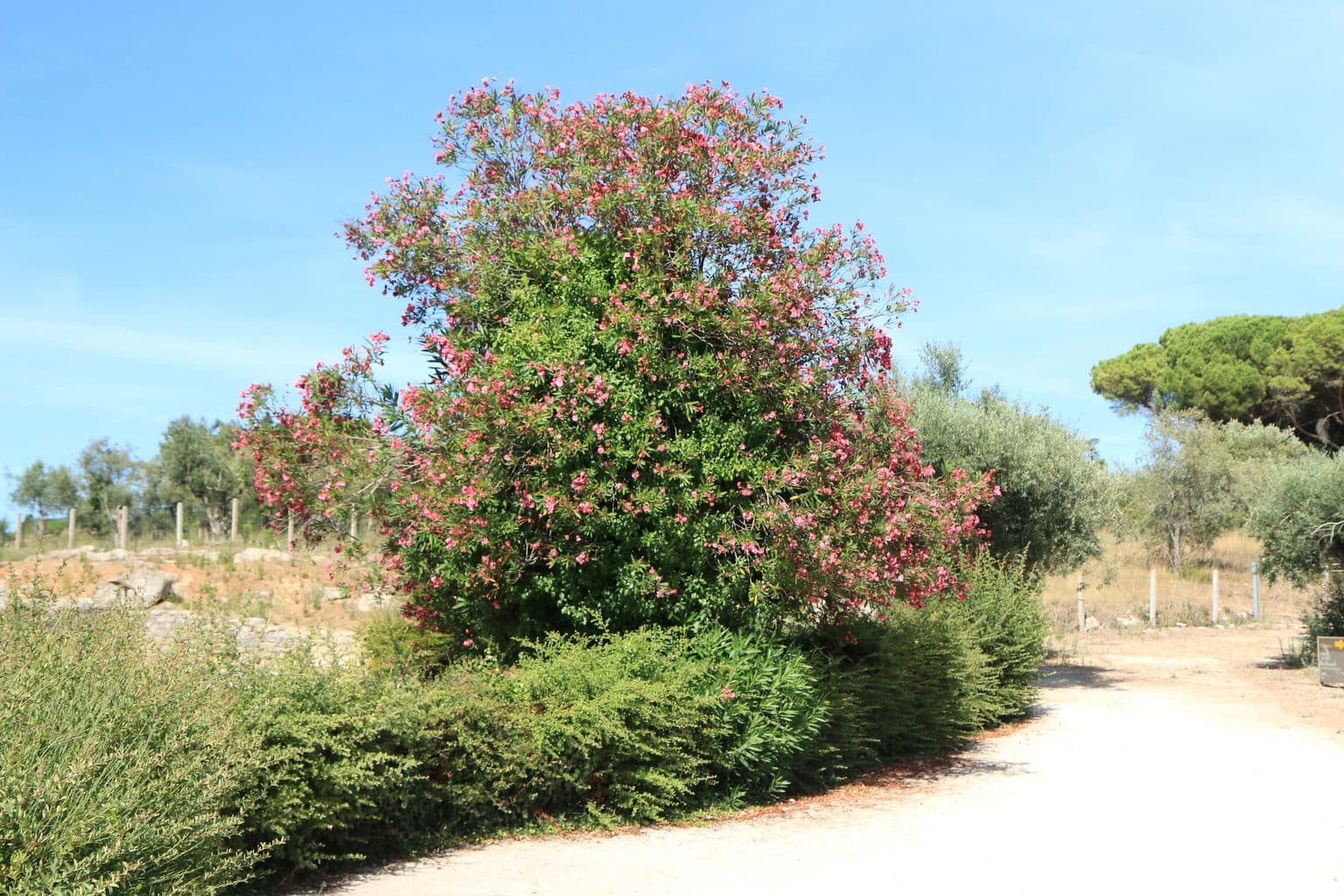
Oleander is one of the most common hedge and screening shrubs in Florida, especially along highways, coastal properties, and older subdivisions in the central and southern parts of the state. It is tough, salt-tolerant, and blooms for months, which is exactly why it got planted everywhere. It is also seriously toxic, and the risk is not limited to a curious dog eating leaves.
What the ASPCA says
The ASPCA Animal Poison Control Center lists Oleander (Nerium oleander, also called rose-bay) as toxic to dogs, cats, and horses. The toxic agents are cardiac glycosides. Clinical signs include drooling, abdominal pain, diarrhea, colic, depression, and, in serious cases, death. Because the toxins act on the heart, the danger is out of proportion to how little a dog needs to eat.
Every part of the plant carries the toxin: leaves, flowers, stems, bark, and roots. Dried leaves stay toxic, so clippings in a yard-waste pile are still a hazard, and the water from cut oleander stems can sicken an animal that drinks it.
How much oleander is dangerous for a dog?
Treat any ingestion as urgent. The ASPCA does not name a safe dose, and because oleander's cardiac glycosides can affect heart rhythm, even a small amount is worth a call. The realistic scenario in Florida is a dog chewing a fallen leaf or a clipping rather than grazing a whole shrub, but the toxin does not require much. Call the ASPCA Animal Poison Control Center at (888) 426-4435 with your best estimate of what was eaten rather than waiting to see how the dog looks.
Can oleander kill a dog?
It can. Oleander poisoning is well documented as potentially fatal across species because the cardiac glycosides can disrupt heart rhythm. Fatal cases in dogs are less common than the plant's reputation suggests, but the mechanism is serious enough that this is not a plant to gamble on. If you know oleander was eaten, call poison control or an emergency vet the same day.
Dog-safe Florida swaps for a hedge or screen
Oleander is usually planted for a fast, dense, evergreen screen. These Florida natives do the same job without the ASPCA listing. Native ranges per the Florida Native Plant Society and the Lady Bird Johnson Wildflower Center.
| Plant | Dog Safe? | Notes |
|---|---|---|
| Oleander (Nerium oleander) | No | Toxic to dogs, cats, and horses per the ASPCA; all parts, even vase water |
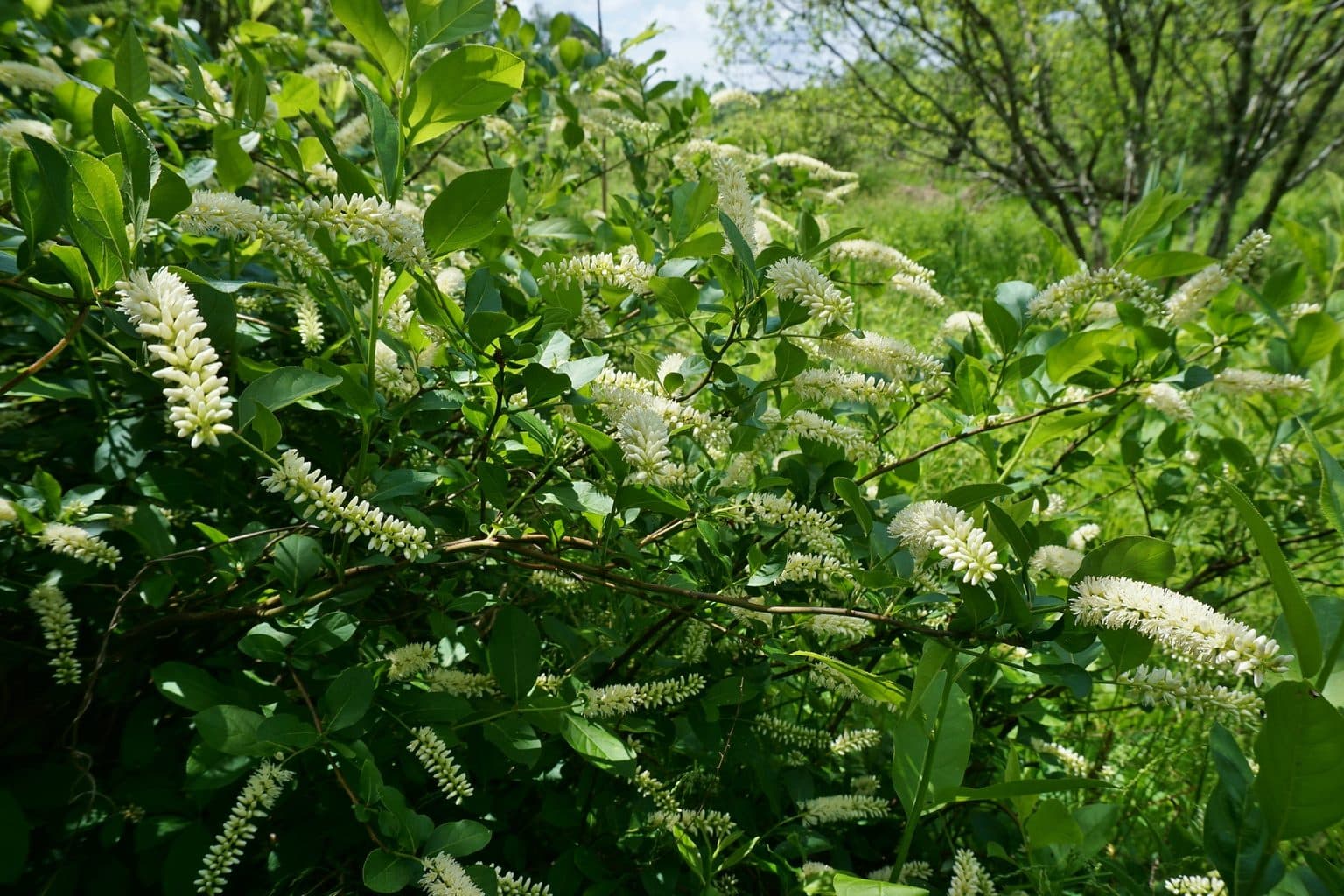
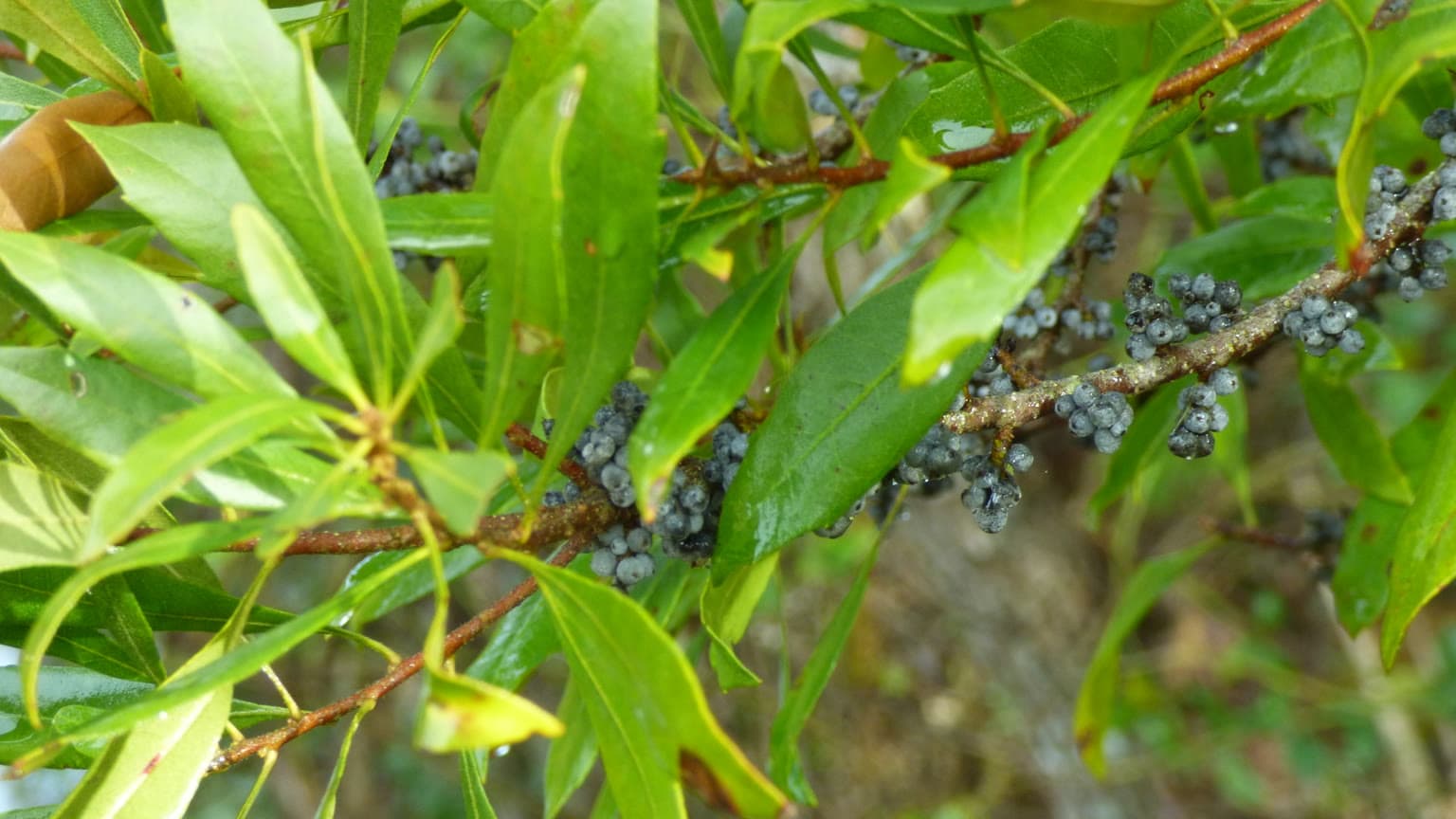
| Wax Myrtle (Morella cerifera) | Yes | Not on ASPCA toxic plant list; fast evergreen screen, fragrant foliage, salt tolerant |
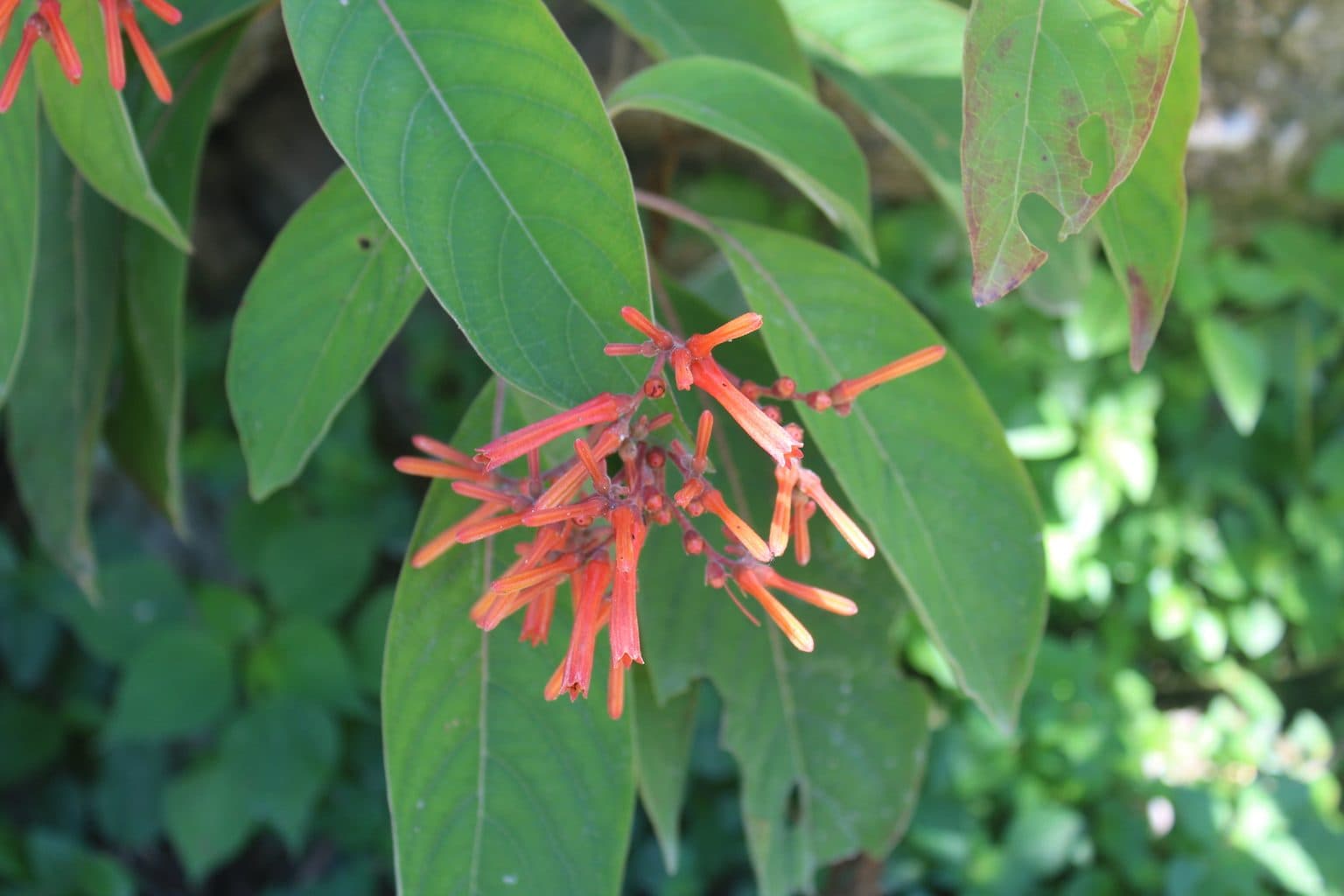
| Firebush (Hamelia patens) | Yes | Not on ASPCA toxic plant list; red-orange summer bloom, hummingbird and butterfly magnet |
| Simpson's Stopper (Myrcianthes fragrans) | Yes | Not on ASPCA toxic plant list; dense evergreen hedge, fragrant flowers, berries for birds |
What to do if your dog ate oleander
- Note which part was eaten (leaf, flower, clipping) and roughly how much.
- Call the ASPCA Animal Poison Control Center at (888) 426-4435, or your vet. Do not wait for symptoms; the toxins affect the heart.
- Do not induce vomiting unless a vet tells you to.
- Watch for drooling, vomiting, diarrhea, lethargy, or any sign of an abnormal heartbeat and report them on the call.
Building out a dog-safe Florida yard? See the Florida yard plants most toxic to dogs and whether firebush is dog-safe.
If something goes wrong
ASPCA Animal Poison Control Center: (888) 426-4435 (24/7, fee may apply). Have the plant name ready when you call.
Checking more than one plant? See the full list of plants toxic to dogs and cats, with native alternatives, covering every plant on the ASPCA list.