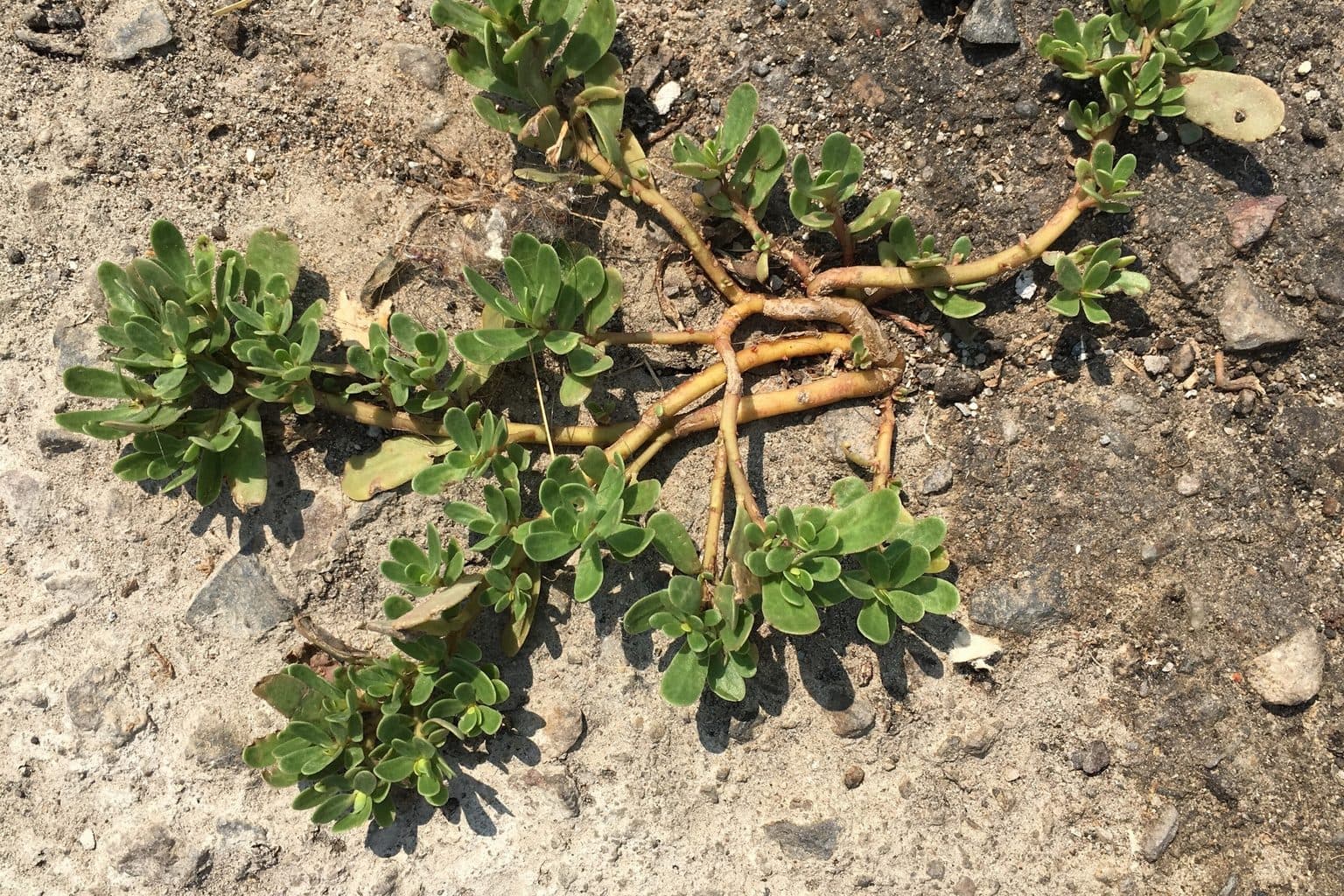
Quick answer: Yes. Purslane (Portulaca oleracea) is listed as toxic to dogs, cats, and horses by the ASPCA Animal Poison Control Center. The toxic principle is soluble calcium oxalates, which can cause drooling and tremors, and in rare cases kidney trouble. The same warning covers the ornamental moss rose purslane sold at garden centers. If your dog ate purslane, call the ASPCA Animal Poison Control Center at (888) 426-4435.
Purslane is the low, fleshy weed that shows up in sidewalk cracks and vegetable beds all summer, and a close cousin is sold as a flowering ground cover. People eat it in salads, which is exactly why the question about dogs comes up so often. Here is what the ASPCA actually says, and what to plant if you want a low dog-safe mat instead.
What the ASPCA says
The ASPCA Animal Poison Control Center lists Purslane (Portulaca oleracea) as toxic to dogs, cats, and horses. The toxic principle is soluble calcium oxalates. In the amounts a curious dog usually eats, the common signs are drooling and mild tremors. Heavy ingestion can strain the kidneys, though serious kidney failure is rare in dogs and cats. A dog that grazed a few stems is in a different situation from one that ate a large mat, but both are worth a call to poison control.
How much purslane is dangerous for a dog?
The ASPCA lists purslane as toxic without naming a safe dose, so there is no amount you can treat as harmless. In practice the risk scales with how much was eaten. A dog that mouthed a single stem is a different situation from one that ate a large mouthful of foliage, but both are worth a call. The soluble-oxalate irritation tends to show up as drooling and stomach upset rather than a delayed crisis, so the amount and what you saw the dog do matter more than waiting. Call the ASPCA Animal Poison Control Center at (888) 426-4435 with your best estimate of how much was eaten rather than guessing whether it was enough to matter.
What are the signs of purslane poisoning in dogs?
The ASPCA lists the signs across its two entries for this plant. The Moss Rose page names kidney failure (rare in dogs and cats), tremors, and salivation. The Portulaca page names muscle weakness, depression, and diarrhea. Put together, the common real-world signs in a dog are drooling, an upset stomach with diarrhea, and lethargy or weakness, with tremors and kidney effects at the rare and severe end. The Merck Veterinary Manual notes that the serious soluble-oxalate outcomes, low blood calcium and kidney crystals, are seen mostly in livestock eating large amounts, which is why kidney failure is flagged as rare for dogs and cats. Report any of these signs when you call poison control.
Purslane, moss rose, and the Portulaca mix-up
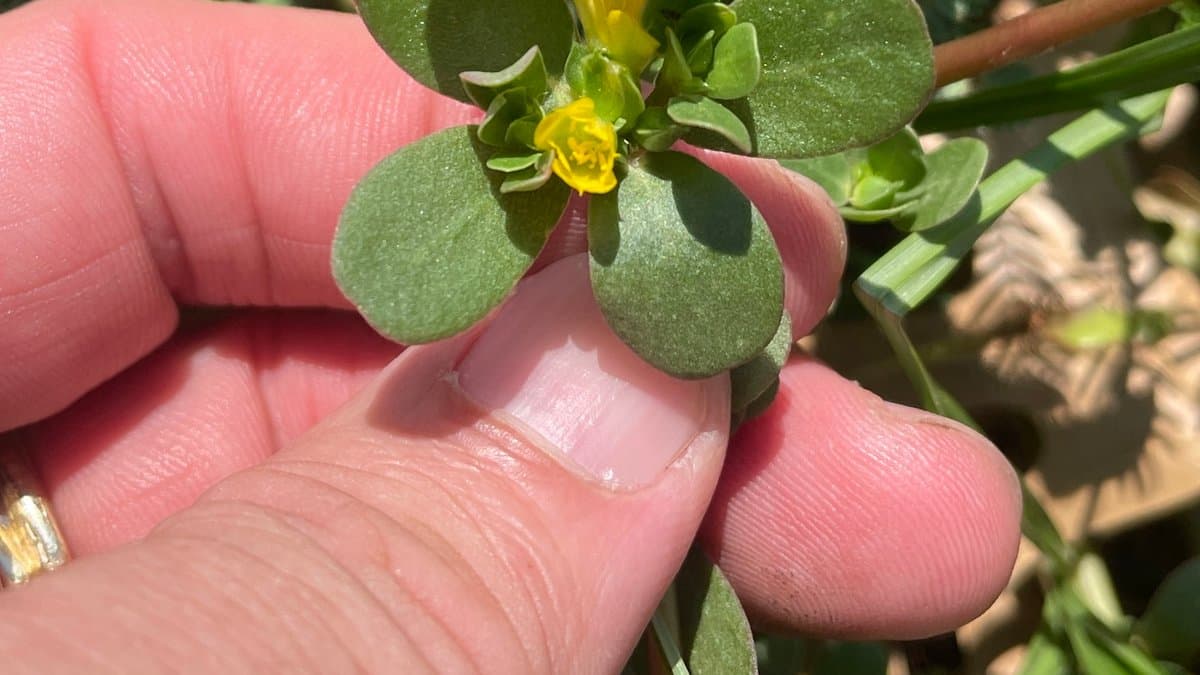
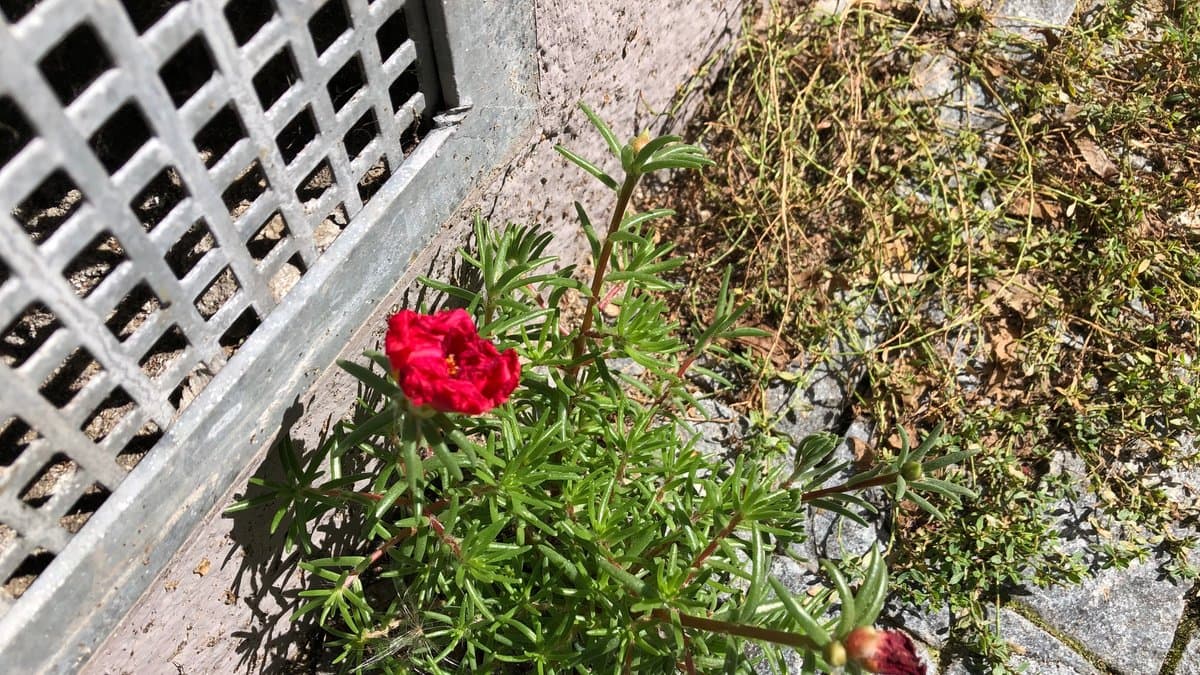
Two plants get called purslane, and both sit in the genus Portulaca. Common purslane (Portulaca oleracea) is the sprawling weed. Moss rose (Portulaca grandiflora), also sold as purslane in hanging baskets, is the ornamental with bright pink, orange, and yellow flowers. The ASPCA lists both under the same soluble calcium oxalate warning, so buying the pretty one does not buy a safer plant.
| Plant | Dog Safe? | Notes |
|---|---|---|
| Common purslane (Portulaca oleracea) | No | Toxic to dogs, cats, and horses per the ASPCA; soluble calcium oxalates |
| Moss rose / ornamental purslane (Portulaca grandiflora) | No | Same genus, same ASPCA warning; sold in garden-center baskets |
Is purslane toxic to cats too?
Yes. The same ASPCA Animal Poison Control Center listing covers cats and horses alongside dogs, and the soluble calcium oxalates are the same across species. Cats that chew garden foliage or houseplants can get the same oral and stomach irritation, so keep purslane out of reach the way you would for a dog. If you have a cat that grazes plants, this is one to place where the cat cannot reach it, or to skip.
People eat purslane. Can dogs?
Purslane is a popular edible for people, high in omega-3s, and that is where most of the confusion starts. Human-edible does not carry over to dogs here. Our digestion handles the oxalates that give dogs trouble, and the ASPCA lists the plant as toxic to dogs no matter how it is prepared. Do not offer purslane to your dog as a treat, cooked or raw.
Dog-safe native ground covers to plant instead
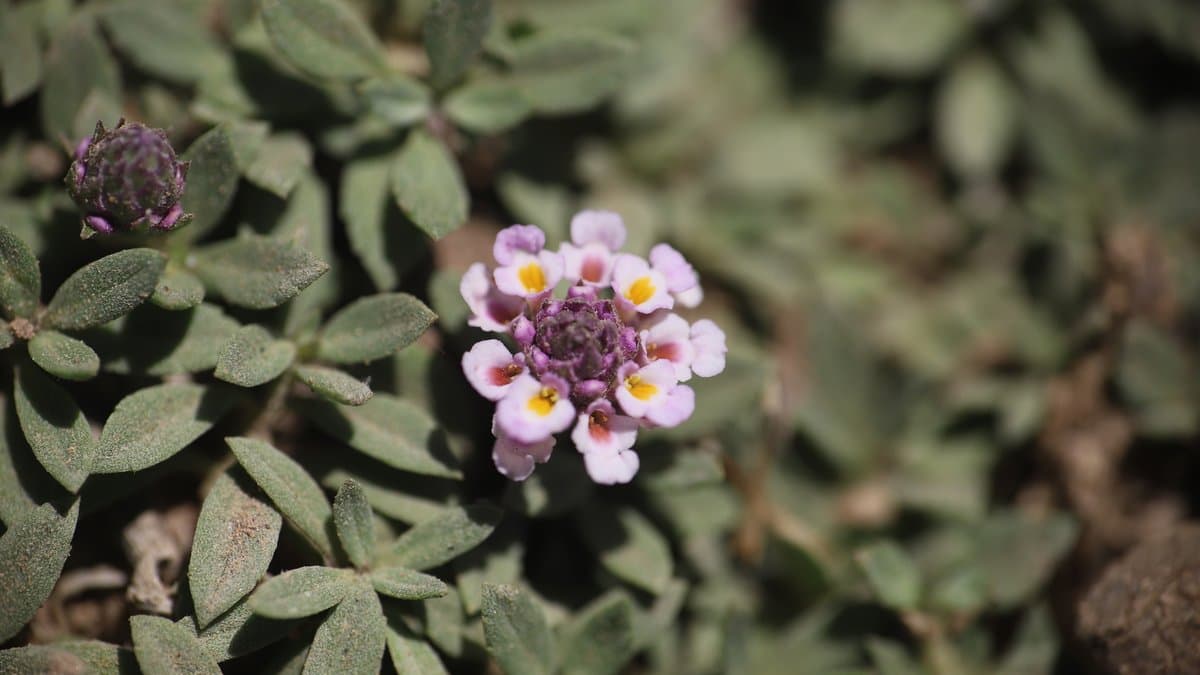
If you were eyeing purslane as a low, sun-loving ground cover, these Edwards Plateau and Hill Country natives (San Antonio area) give you a dense dog-safe mat instead. Native ranges per the Lady Bird Johnson Wildflower Center. None are on the ASPCA toxic plant list.
| Plant | Dog Safe? | Notes |
|---|---|---|
| Frogfruit (Phyla nodiflora) | Yes | Not on ASPCA toxic plant list; flat spreading mat, tiny white blooms, heavy pollinator draw |
| Horseherb (Calyptocarpus vialis) | Yes | Not on ASPCA toxic plant list; low green ground cover that takes sun or shade |
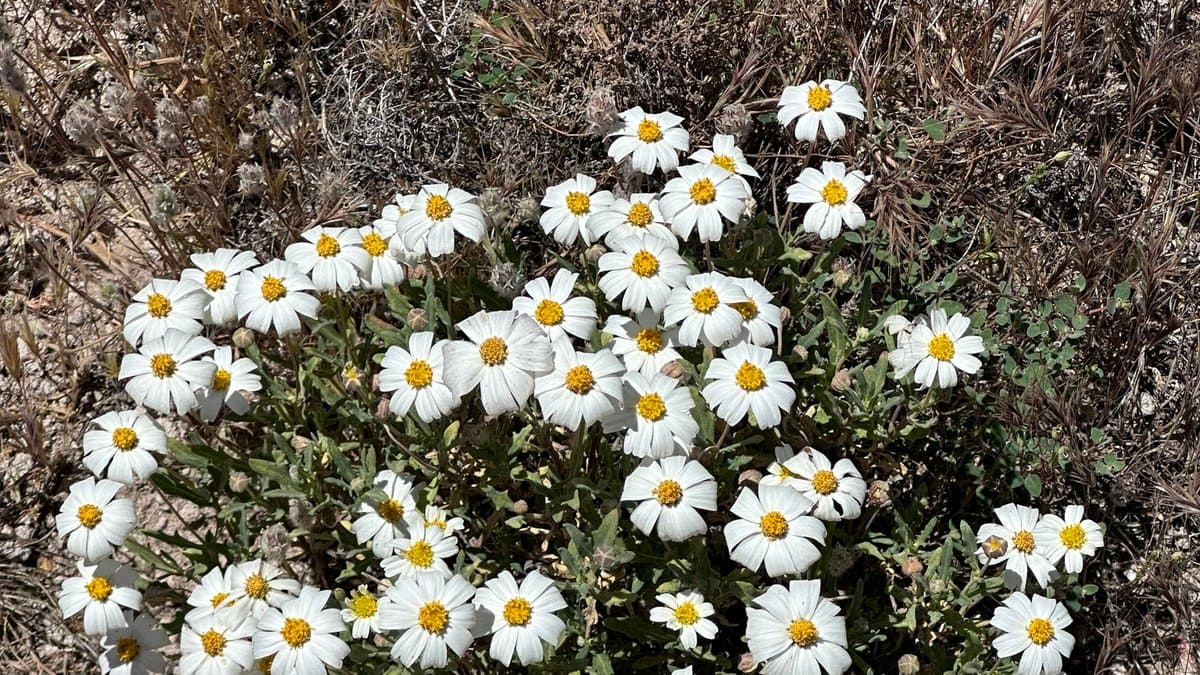
| Blackfoot Daisy (Melampodium leucanthum) | Yes | Not on ASPCA toxic plant list; low white mounds, very drought tough |
For the fuller list and placement tips, see pet-friendly ground cover for Texas and dog-safe native plants for Texas.
What to do if your dog ate purslane
- Note roughly how much was eaten and whether it was the weed or an ornamental basket.
- Call the ASPCA Animal Poison Control Center at (888) 426-4435, or your vet.
- Watch for drooling, tremors, vomiting, or reduced appetite and report them on the call.
- Do not induce vomiting unless a vet tells you to.
Checking the rest of the yard before your next nursery run? Start with the six Texas yard plants most toxic to dogs.
If something goes wrong
ASPCA Animal Poison Control Center: (888) 426-4435 (24/7, fee may apply). Have the plant name ready when you call.
Checking more than one plant? See the full list of plants toxic to dogs and cats, with native alternatives, covering every plant on the ASPCA list.