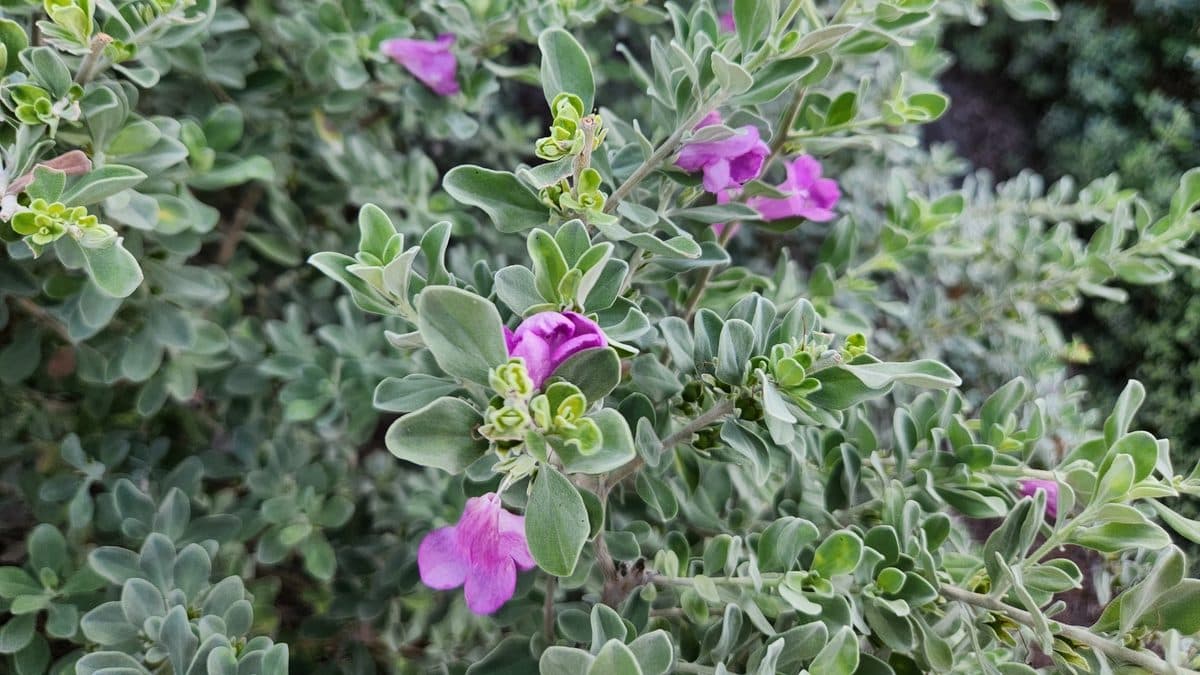
Quick answer: Texas Sage (Leucophyllum frutescens) is not on the ASPCA Animal Poison Control Center toxic plant list for dogs, cats, or horses. It is not considered toxic to pets. The same shrub is sold under several names, including Cenizo, Texas Ranger, barometer bush, and purple sage, and none of them are on the ASPCA toxic list either.
Texas Sage is one of the most planted shrubs in Texas yards, so it is also one of the most searched for pet safety. A lot of the worry comes from the name. People hear "sage" and think of culinary herbs, or they confuse it with toxic ornamentals like Oleander. The short version is that Texas Sage is safe to grow around dogs.
What the ASPCA says
The ASPCA Animal Poison Control Center maintains a database of plants toxic to dogs, cats, and horses. Texas Sage (Leucophyllum frutescens) does not appear on that list. "Not on the ASPCA toxic plant list" is a meaningful standard. It means the plant has not been documented to cause toxic reactions in the species listed. You can check directly at aspca.org/pet-care/animal-poison-control/toxic-and-non-toxic-plants.
"Non-toxic" means no known systemic toxin, not a license for a dog to eat a whole shrub. Mild stomach upset is possible with any plant material in large quantities. If your dog eats a significant amount of anything and shows symptoms, call the ASPCA Animal Poison Control Center at (888) 426-4435.
One plant, many names
Most of the confusion around Texas Sage is a naming problem. The same plant, Leucophyllum frutescens, is sold and described under a long list of common names. All of them refer to the same dog-safe shrub:
- Texas Sage
- Cenizo
- Texas Ranger
- Barometer bush
- Silverleaf
- Purple sage
Despite the "sage" in the name, it is not a true sage and is not related to culinary sage or to Salvia. It is in the figwort family. The practical point for a dog owner is that whichever name your nursery uses, you are looking at the same plant, and it is not on the ASPCA toxic list.
Texas Sage vs. shrubs that are actually toxic
Texas Sage gets grouped with shrubs it has nothing in common with, usually because they show up in the same yards. Here is how it ranks next to other common Texas landscape shrubs for dog safety:
| Shrub | Dog Safe? | Notes |
|---|---|---|
| Texas Sage / Cenizo (Leucophyllum frutescens) | Yes | Not on the ASPCA toxic plant list (ASPCA Animal Poison Control Center) |
| Autumn Sage (Salvia greggii) | Yes | A true Salvia; not on the ASPCA toxic plant list (ASPCA Animal Poison Control Center) |
| Oleander (Nerium oleander) | No | Toxic to dogs, cats, and horses per the ASPCA; contains cardiac glycosides |
| Sago Palm (Cycas revoluta) | No | Highly toxic to dogs per the ASPCA; ingestion can cause liver failure |
| Lantana (Lantana camara, non-native) | No | Toxic to dogs per the ASPCA; foliage and unripe berries are the concern |
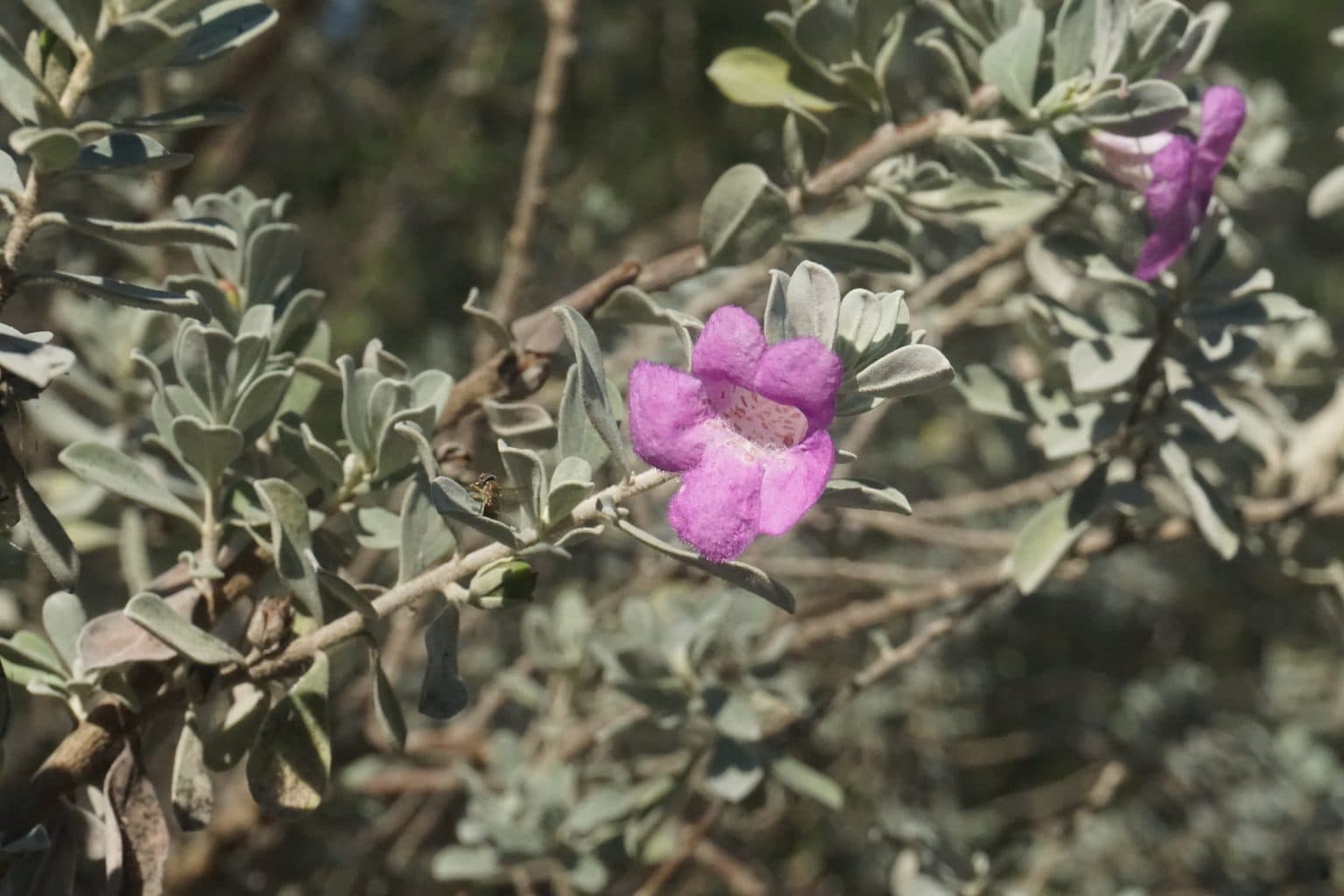
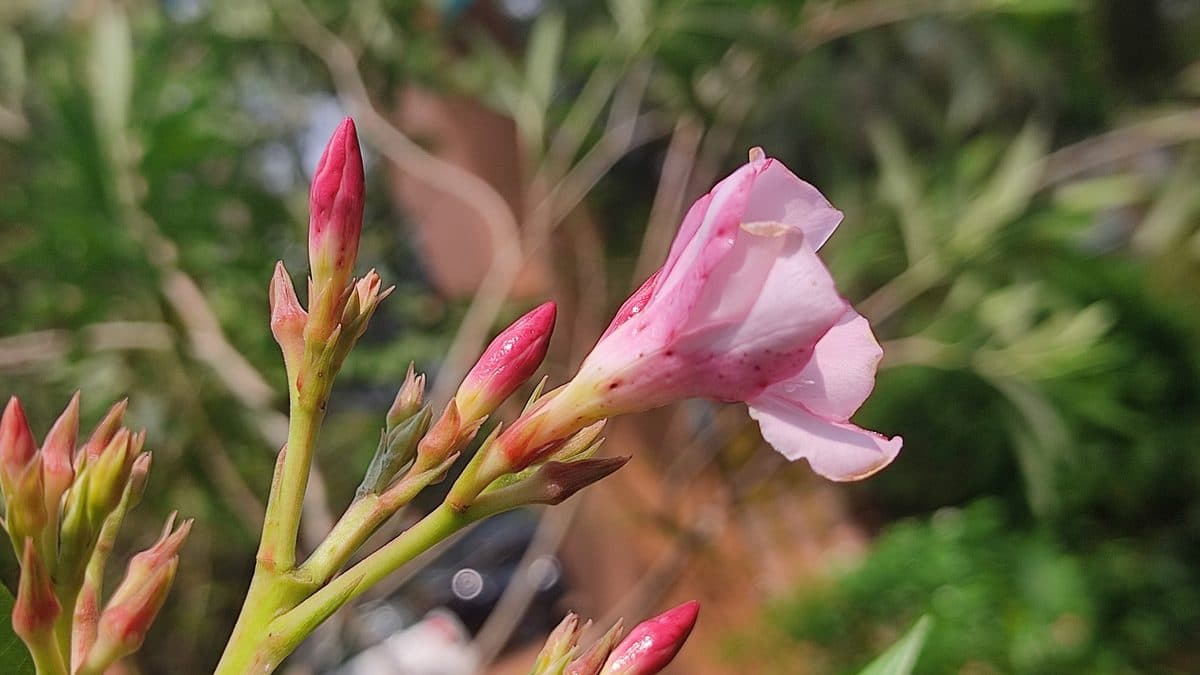
If you have a shrub and are not sure which one it is, Texas Sage has small silvery-gray leaves and purple to lavender flowers that appear in flushes after rain, which is where "barometer bush" comes from. Oleander has long, narrow dark-green leaves and showier pink, white, or red flowers. They do not look alike up close.
What Texas Sage looks like in a yard
Texas Sage is native to the South Texas Plains, the Trans-Pecos, and adjacent parts of the Chihuahuan Desert, and it is planted statewide. It is heat and drought tolerant once established, handles alkaline soil, and reads as tidy and intentional, which matters if you have an HOA. It stays dense and rounded with light pruning, so it works as an HOA-friendly foundation shrub or low hedge.
For the plant profile with light, water, and HOA notes, see the Texas Sage plant page. For the broader list of plants to avoid around pets, see Texas yard plants toxic to dogs. If you are designing a whole yard around your dog, the full guide is at dog-friendly backyard with Texas natives.
Building a pet-safe yard?
Download Pollinator Patch to find other pet-safe native plants for your area. Every plant is rated for toxicity to both dogs and cats, so you can filter to what is safe before you buy.
Download the appIf something goes wrong
ASPCA Animal Poison Control Center: (888) 426-4435 (24/7, fee may apply). Have the plant name ready when you call.
Checking more than one plant? See the full list of plants toxic to dogs and cats, with native alternatives, covering every plant on the ASPCA list.