Quick answer: Under post oaks and other large trees around College Station, six Texas natives cover ground without turf: Carolina ponyfoot (horseherb), Texas sedge, frogfruit, common blue violet, southern shield fern (sold as wood fern), and inland sea oats. Texas sedge handles dry shade, and the violet, fern, and sea oats want moist shade. Frogfruit needs part shade or more light. All six are listed for the Southern Post Oak Savanna by the Native Plant Society of Texas (NPSOT) or, for Texas sedge, described by the Lady Bird Johnson Wildflower Center as a shade groundcover under post oaks.
Native groundcover plants for Texas shade solve a problem that turf cannot: the strip of bare dirt under an oak where grass thins out every year. The plants below are matched to the Post Oak Savanna, College Station area, and sorted by how dry or damp that shade is.
Why St. Augustine gives out under oaks
Mississippi State Extension calls St. Augustine the most shade-tolerant warm-season turfgrass, and still says it needs about 4 hours of direct sun or a full day of high-quality filtered light (Selecting and Managing Turfgrass for Shade (opens in new tab)). The same guide notes that trees compete with turf for water, sunlight, and nutrients. Under an oak, the canopy and the roots both work against turf, so a lower, shade-adapted plant has to do the job.
Start small instead. Plant with a trowel, work around the large roots, and let the plants spread into the gaps over a season or two.
Native groundcover plants for Texas shade: the short list
This list is for one place, the Post Oak Savanna around College Station. Ecoregion listings come from the Native Plant Society of Texas (opens in new tab) plant pages, except for Texas sedge, which NPSOT does not list for this region and the Wildflower Center places under post oaks. Height, light, and moisture figures come from the NPSOT or Lady Bird Johnson Wildflower Center (opens in new tab) page for each plant, linked in the table.
| Plant | Light | Moisture | Height | Notes |
|---|---|---|---|---|
| Carolina ponyfoot (opens in new tab) (Dichondra carolinensis) | Sun to shade | Low to high water | About 1 to 3 inches | Tolerates mowing |
| Texas sedge (opens in new tab) (Carex texensis) | Sun to part shade | Dry to moist | Up to about 1 foot | Mow high if it gets tall |
| Frogfruit (opens in new tab) (Phyla nodiflora) | Sun to part shade | Dry to moist | Up to about 6 inches | Do not mow while blooming |
| Common blue violet (opens in new tab) (Viola sororia) | Part shade to shade | Moist, medium water | About 6 to 9 inches | Goes dormant in drought |
| Southern shield fern (opens in new tab) (Thelypteris kunthii) | Part shade to shade | Moist, medium water | 2 to 3 feet | Semi-evergreen |
| Inland sea oats (opens in new tab) (Chasmanthium latifolium) | Part shade to shade | Moist, low to medium water | 2 to 4 feet | Reseeds and spreads |
Three of these plants also feed caterpillars. The Wildflower Center lists frogfruit as a larval host for the Phaon crescent, buckeye, and white peacock, and inland sea oats for three skippers. NPSOT names common blue violet as a larval host for the variegated fritillary. Ponyfoot, Texas sedge, and the fern have no wildlife benefit listed on the pages I read, so they earn their place as ground cover alone. That is a fair reason to plant them, since a quiet green carpet under a tree is the whole job.
The Wildflower Center defines shade as less than 2 hours of sun a day and part shade as 2 to 6 hours, and defines moist soil as soil that looks and feels damp and dry soil as showing no visible signs of moisture (Native Plants Database search page). Those definitions are a useful field test. Stand under the oak at midday, count the hours of direct sun a spot gets, then press a finger into the soil a few days after rain. The answer sorts your yard into the two groups below.
Dry shade under the oaks
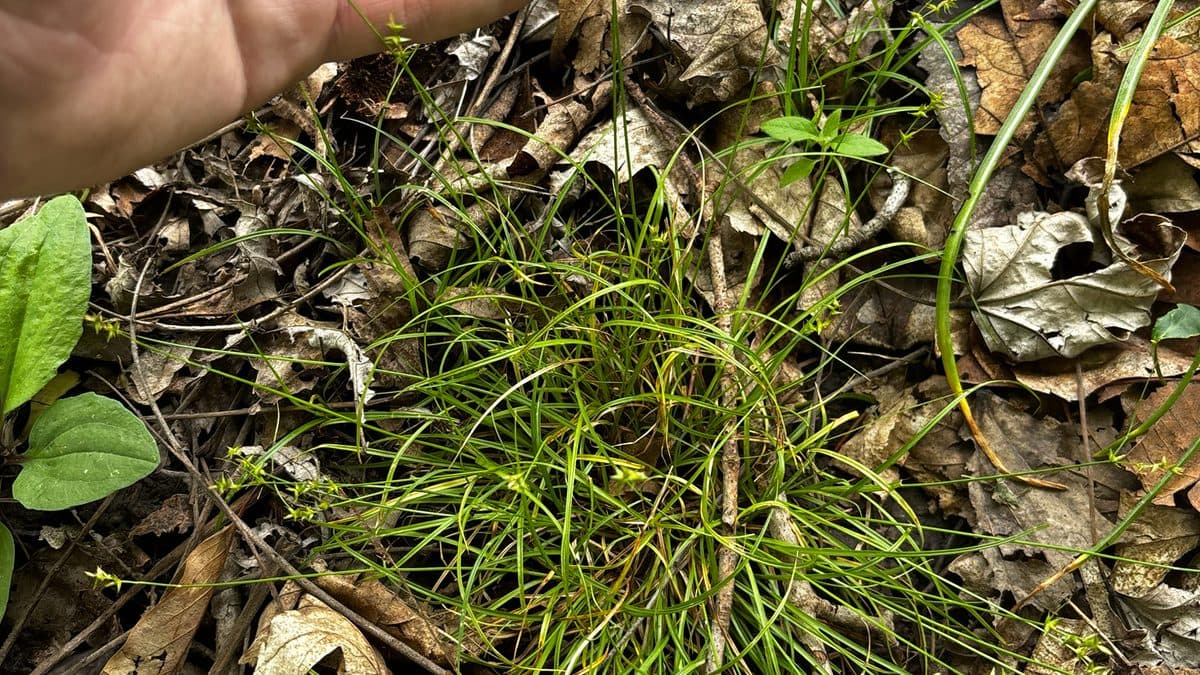
Dry shade is the hard case, and Texas sedge is the plant to try first. The Wildflower Center calls it a good turf substitute for dry to moist shade that colonizes densely by rhizomes, and suggests it as a shade groundcover in sandy areas under post oaks (Texas sedge profile (opens in new tab)). It reaches about a foot and can be mowed at a high setting.
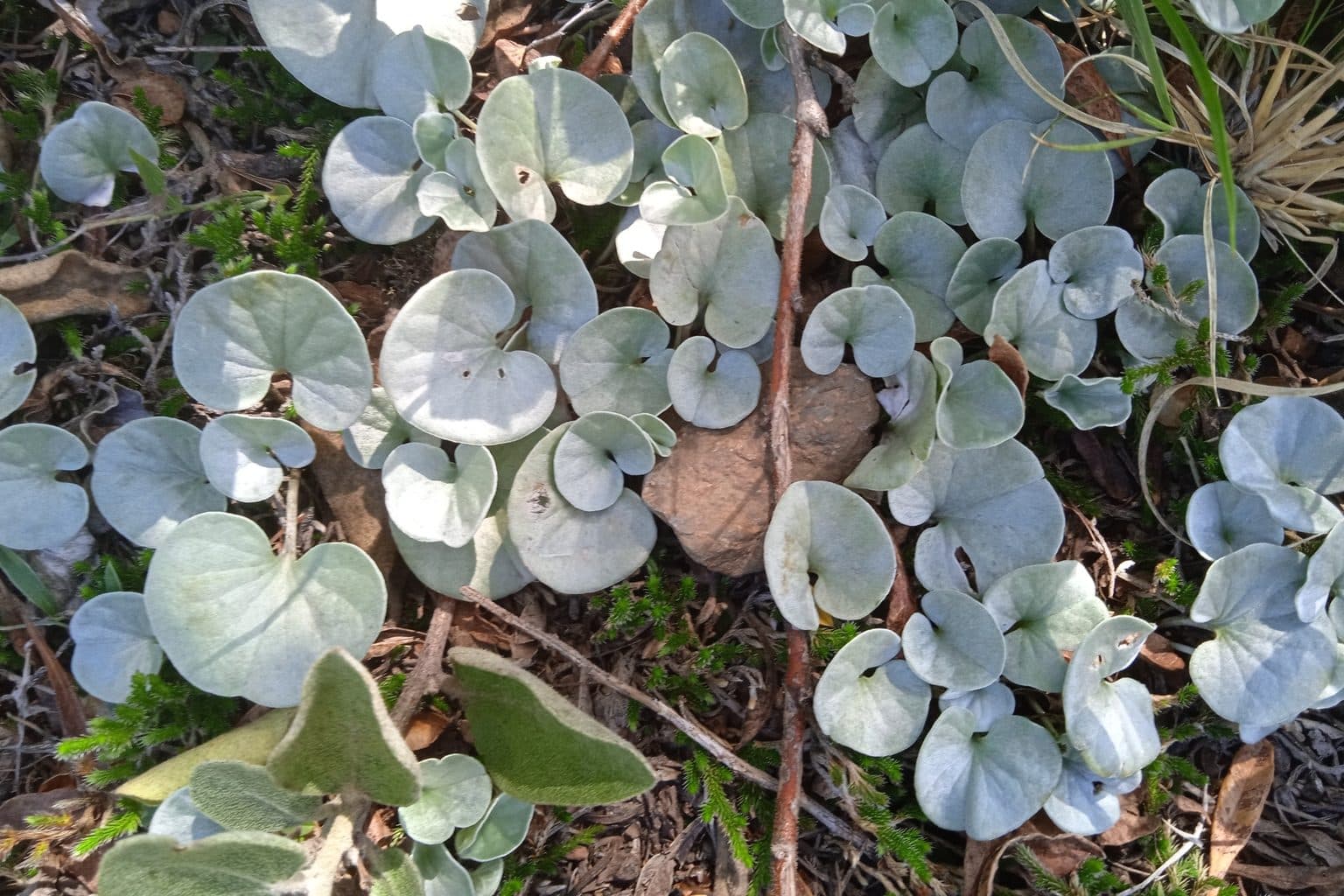
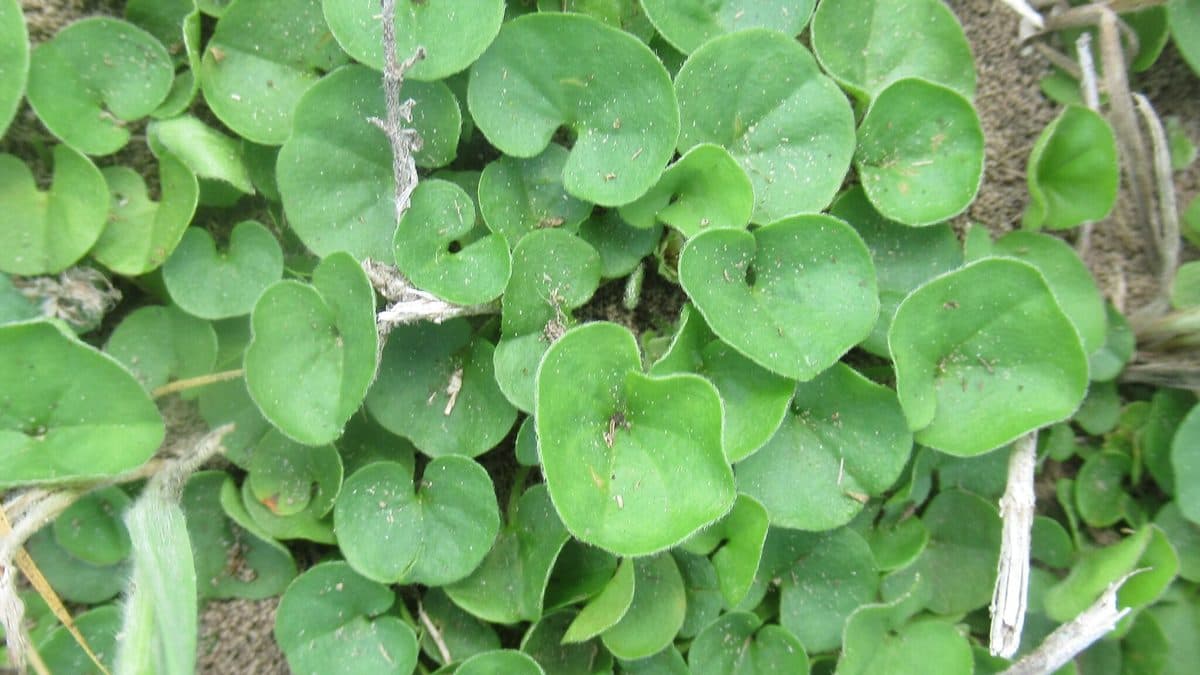
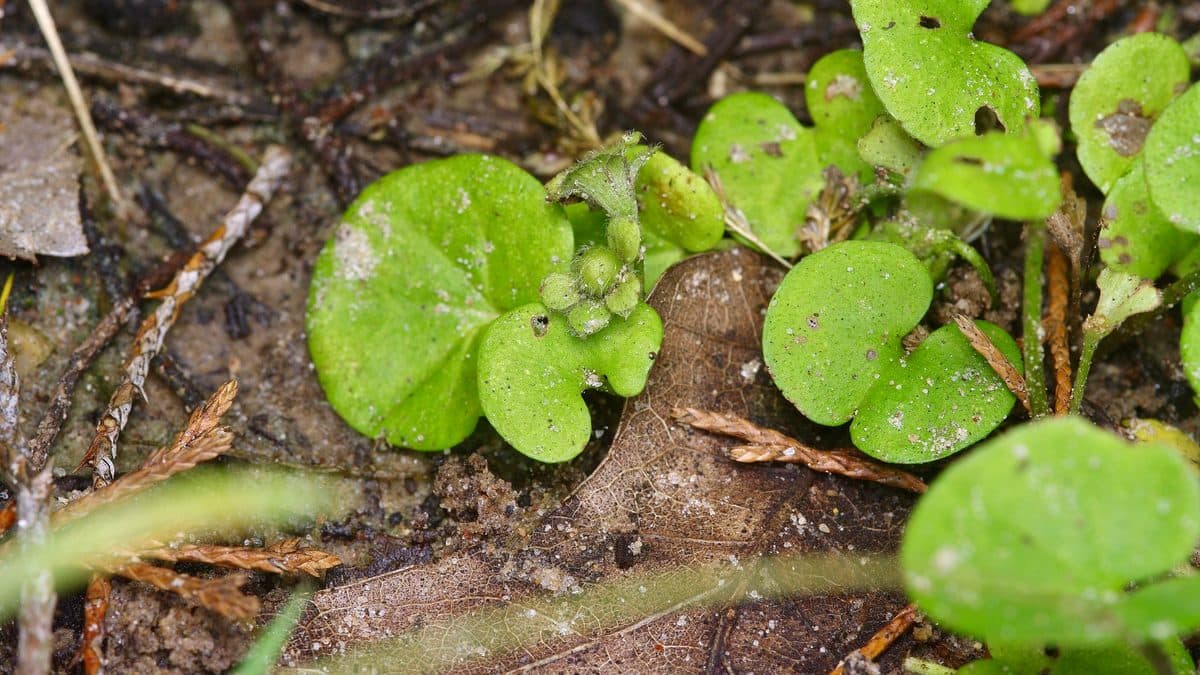
Carolina ponyfoot, also called horseherb, is the other low choice. The Wildflower Center gives its height as up to about 2 inches with stems creeping up to a foot, and NPSOT lists it for sun, part shade, and shade and says it tolerates mowing (Wildflower Center (opens in new tab), NPSOT (opens in new tab)). NPSOT advises deep, infrequent watering once it is established.
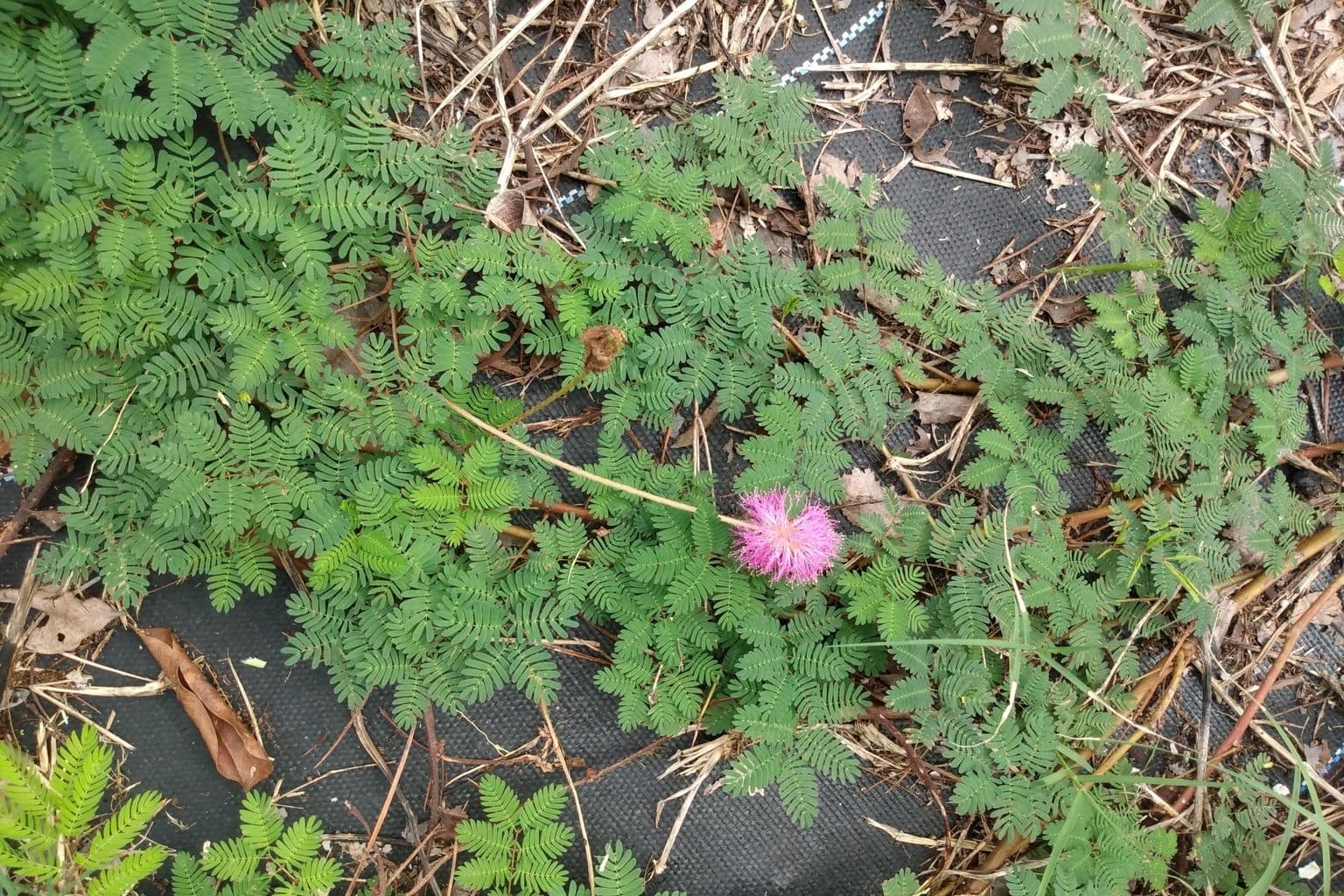
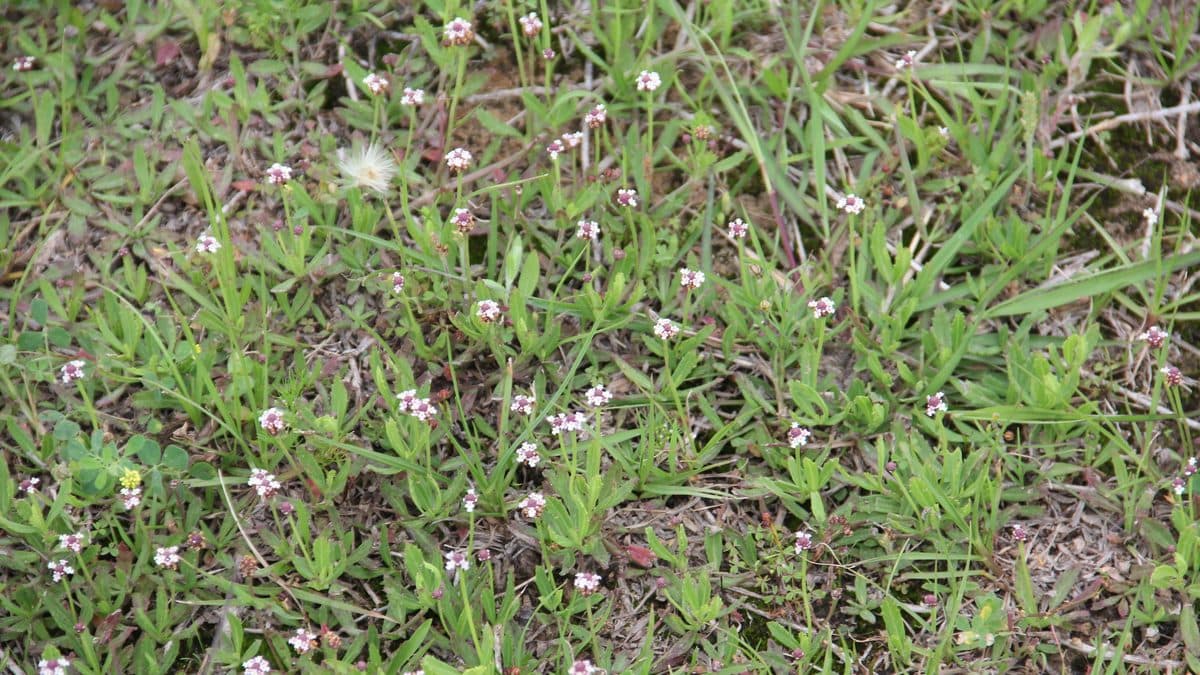
Frogfruit works at the lighter edge of the shade. The Wildflower Center lists sun and part shade, a height up to about 6 inches, and a vigorous spread, with white to pink flowers from May through November. It names Phaon crescent, buckeye, and white peacock butterflies as larval users (Frogfruit profile (opens in new tab)). It is listed for sun and part shade only, so keep it to the edge of the canopy where light comes through.
Native groundcover plants for Texas shade where the soil stays moist
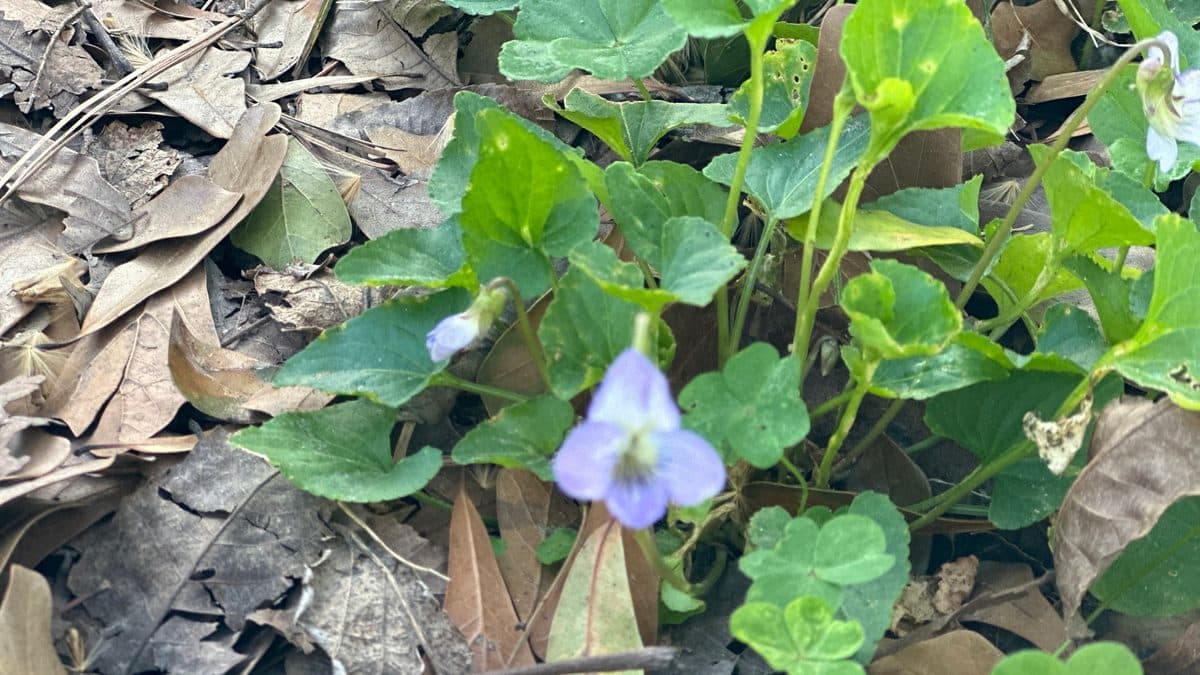
Low spots, drain outlets, and the side of the house that never dries all suit a different group. Common blue violet stays 6 to 9 inches tall, prefers part shade to shade and moist, rich soil, and reseeds profusely. NPSOT also lists it as a larval host for the variegated fritillary and notes it goes dormant in drought (NPSOT (opens in new tab)).
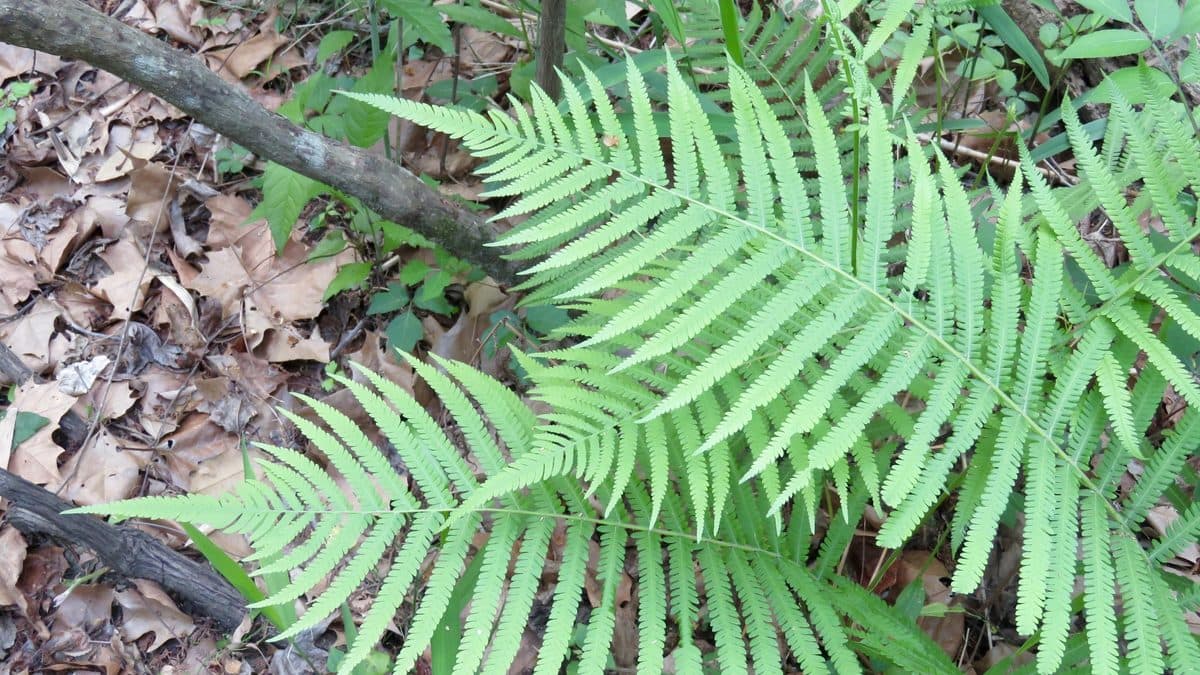
Southern shield fern is the tall member of the group. NPSOT lists it for part shade to shade at 2 to 3 feet high and wide with medium water needs, calls it a low-maintenance groundcover, and rates it semi-evergreen (NPSOT (opens in new tab)). The Wildflower Center adds that its foliage takes on a bronze cast as winter approaches (Wildflower Center (opens in new tab)). NPSOT titles its page for this plant Wood Fern.
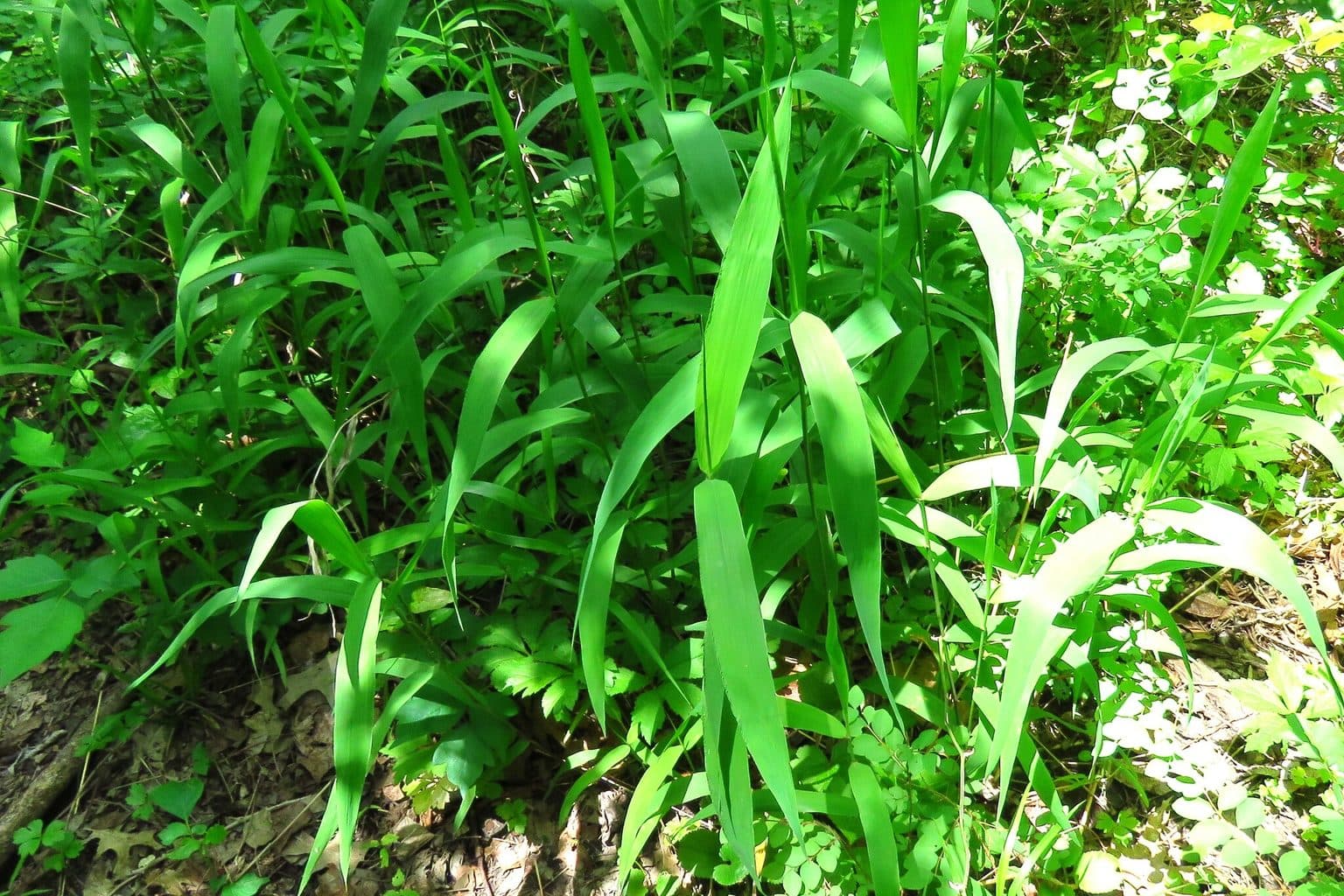
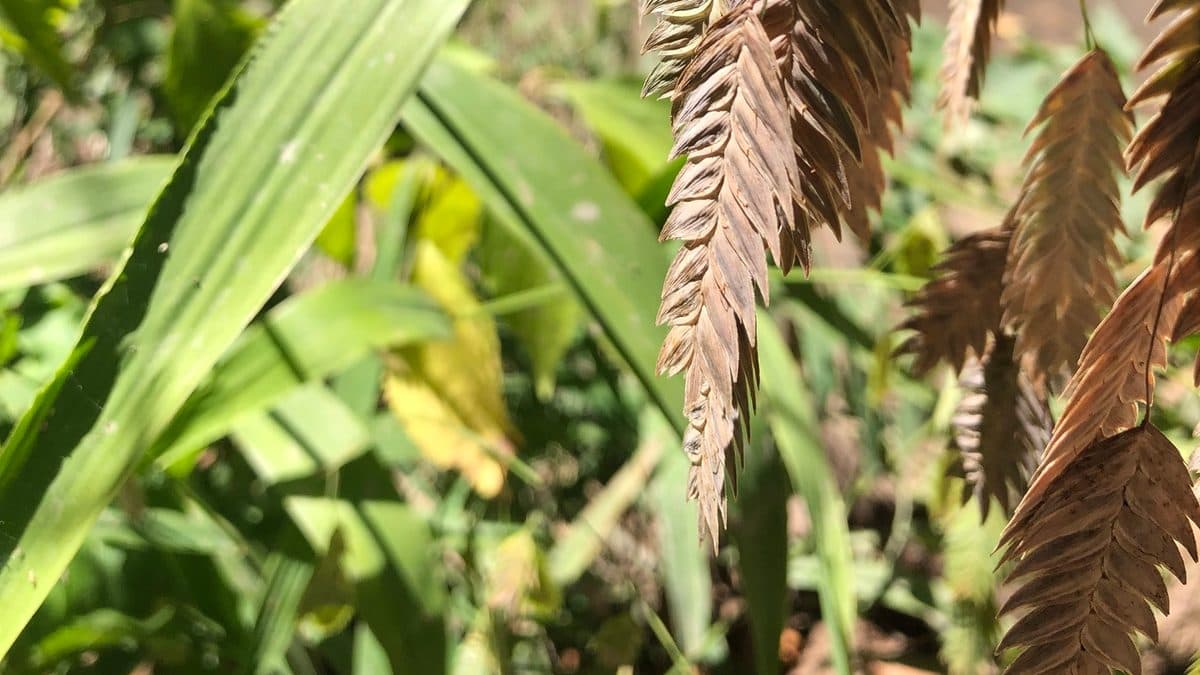
Inland sea oats fills the damp, deep-shade corner. The Wildflower Center lists part shade to shade, moist soil, and 2 to 4 feet in height, and warns that it reseeds easily and can form a solid mat in moist loams (Inland sea oats profile (opens in new tab)). It hosts the pepper and salt skipper, Bell's roadside skipper, and bronzed roadside skipper. NPSOT advises pulling unwanted sprouts and leaving dry stalks standing through winter for wildlife (NPSOT (opens in new tab)).
Watering the first year
Roots from the oak will keep pulling water out of the soil, so new plants under a tree dry out faster than the same plants in an open bed. The sources give a few plant-specific hints. NPSOT recommends deep, infrequent watering for ponyfoot once it is established. The Wildflower Center says frogfruit should be watered in dry areas or seasons to keep a solid cover, and notes that Texas sedge grows taller the more moisture it gets. Southern shield fern and common blue violet are both rated for medium water by NPSOT.
In practice that means checking new plantings by hand during the first summer. Water deeply when the top inch or two of soil is dry, then back off once the plants have filled in. A thin layer of mulch between plants holds moisture while the groundcover closes up.
How much foot traffic they take
None of the Wildflower Center or NPSOT pages I read gives a foot traffic rating, so treat all six as plants to look at. Two have a documented mowing allowance, which is the closest hint: ponyfoot tolerates mowing, and Texas sedge can be mowed high. Frogfruit should not be mowed in bloom. Violets, ferns, and sea oats are not mowed at all.
If people or dogs cross the same line every day, give them a path. Mulch or a few stepping stones under the oak keeps the groundcover out of the way. Our guides to pet-friendly ground cover in Texas and dog-friendly ground covers cover tougher, sunnier options for yards that see real use. Our post on frogfruit as a native stand-in for Asiatic jasmine goes deeper on that plant.
Where to start under your oaks
Walk the shade at midday and check the soil with a trowel. Dry and sandy near the trunk means Texas sedge, with ponyfoot at the edge. Damp near a downspout or low spot means violet, fern, or sea oats. Plant a small patch of one or two, water them through the first summer, and see which spreads before adding more.
People also ask
What can I plant instead of grass under an oak tree in Texas?
For the Post Oak Savanna around College Station, Texas sedge suits dry shade, and Carolina ponyfoot takes sun to shade (Wildflower Center and NPSOT). Common blue violet, southern shield fern, and inland sea oats suit moist shade. Check the soil first, since each prefers a different moisture level.
What is the best native groundcover for dry shade in Texas?
Texas sedge is the best-documented choice here. The Wildflower Center describes it as a good turf substitute for dry to moist shade, growing up to about a foot tall and mowable at a high setting.
Can I walk on native groundcover plants?
The Wildflower Center and NPSOT pages for these six plants give no foot traffic rating. Carolina ponyfoot tolerates mowing and Texas sedge can be mowed high, but a stepping stone path is the safer plan for a route people use daily.
Want the list for your own ZIP?
Pollinator Patch matches native plants to your ZIP and ecoregion and builds a plant plan with a layout and a care schedule, so you can start with the shade plants that fit your yard.