Quick answer: For native plants Lubbock Texas yards can handle, start with six low flowering perennials: plains zinnia, blackfoot daisy, winecup, firewheel, prairie verbena, and Engelmann's daisy. The Native Plant Society of Texas lists each one for the Llano Estacado or the High Plains, and the Lubbock County Master Gardeners list five of them as water-wise perennials. Dry soil is listed among the conditions for all six.
Shopping for native plants Lubbock Texas gardeners can rely on means planning for open sky, hard sun, and ground that stays dry for long stretches. The plants below are flowering perennials that suit that setup, and most of them stay low.
This list is built for the High Plains around Lubbock, on the Llano Estacado. Plant profiles from the Native Plant Society of Texas (opens in new tab) (NPSOT) name the Llano Estacado among each plant's ecoregions, except prairie verbena, which NPSOT lists for the Canadian/Cimarron High Plains. Size, light, and soil figures come from the Lady Bird Johnson Wildflower Center (opens in new tab) unless another source is named.
What the South Plains asks of a plant
The Wildflower Center lists dry soil among the conditions for every plant here, and most for sandy, gravelly, or limestone-based ground. Two of the photos below were taken in Lubbock and Briscoe counties, on the Llano Estacado and its edge.
We did not find a source that ranks yard plants by wind tolerance, so we are not claiming one. What the sources do support is size: most of this list stays under about two feet, which keeps a planting low and simple in an open yard.
The table below gives the light, soil, and size notes in one place. Read the soil column before you buy, since each plant's page names the ground it expects.
| Plant | Light | Soil note | Size |
|---|---|---|---|
| Plains zinnia | Part shade | Dry, calcareous, caliche | 6 to 8 in |
| Blackfoot daisy | Sun or part shade | Dry, rocky, alkaline | Seldom over 6 in, clumps 1 to 2 ft wide |
| Winecup | Sun or part shade | Well-drained, rocky or sandy | 8 to 12 in, spreading to 3 ft |
| Firewheel | Sun or part shade | Sandy or calcareous | Up to about 2 ft, often shorter |
| Prairie verbena | Part shade | Well-drained sand, loam, clay, caliche | Up to about 16 in |
| Engelmann's daisy | Full sun | Dry, calcareous loams and clays | Up to about 3 ft, often shorter |
Six native plants for Lubbock yards
The Lubbock County Master Gardeners publish a water-wise perennial list (opens in new tab) that names prairie zinnia, blackfoot daisy, winecup, blanket flower, and prairie verbena. It says it is not all-inclusive, and it does not label plants as native, so the native call here comes from NPSOT and the Wildflower Center.
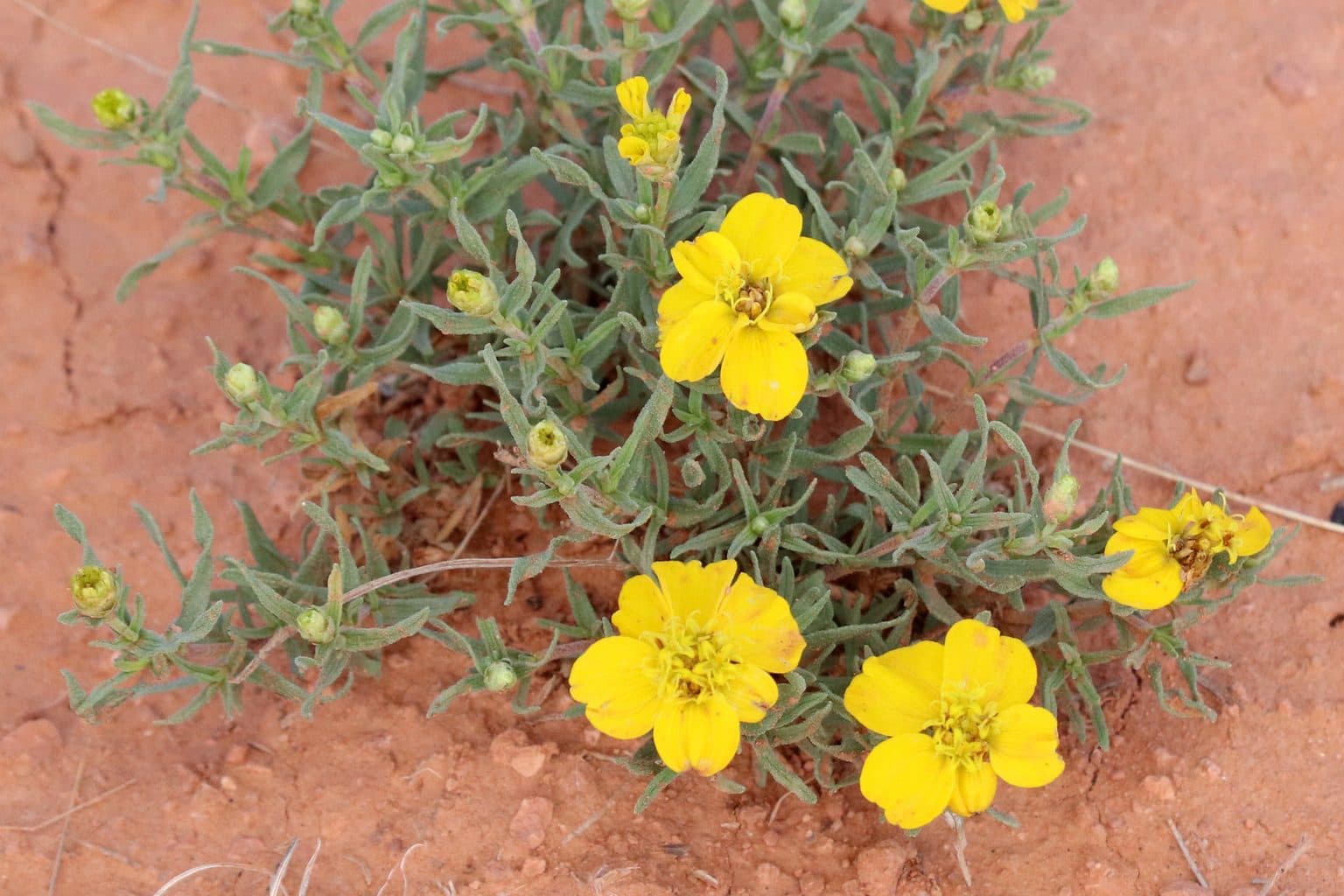
Plains zinnia (Zinnia grandiflora)
A mat of yellow flowers 6 to 8 inches tall. The Wildflower Center (opens in new tab) gives a May to October bloom, dry calcareous soils including caliche, and notes that it attracts butterflies and bees and is highly deer resistant. NPSOT lists the Llano Estacado among its ecoregions.
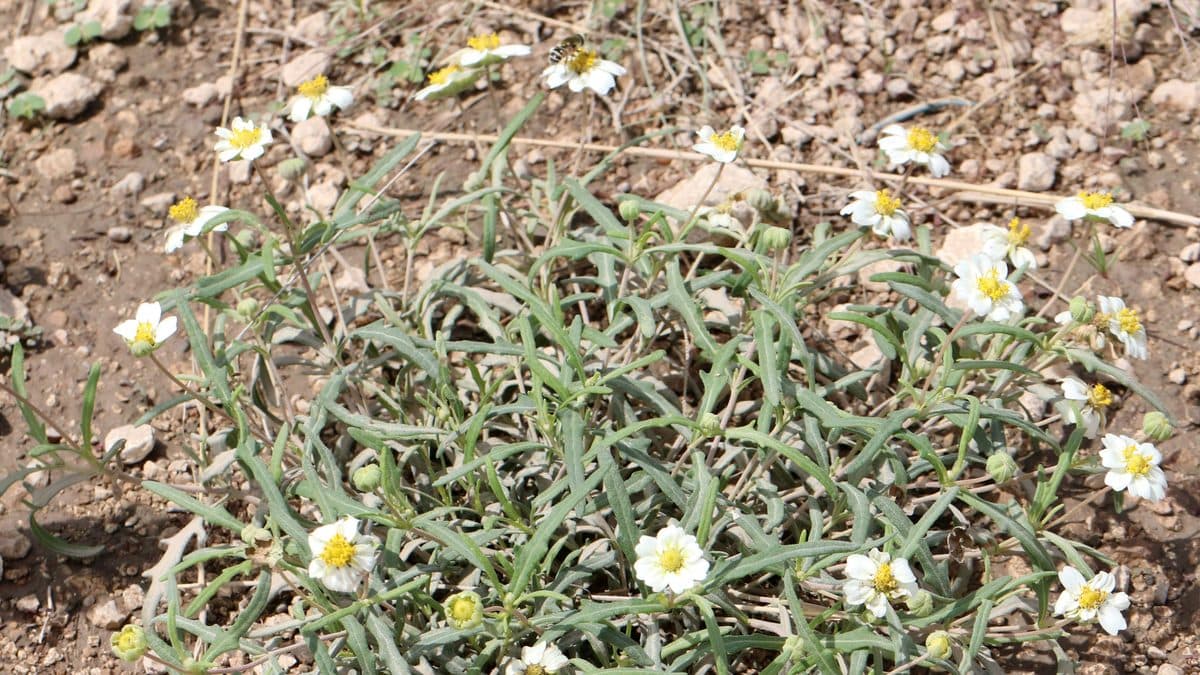
Blackfoot daisy (Melampodium leucanthum)
A small white daisy that blooms from March through November, per the Wildflower Center (opens in new tab). It wants dry, rocky, alkaline soil and good drainage, and that page warns that rich soil and plenty of water may shorten its life. It offers nectar to bees and butterflies and is highly deer resistant.
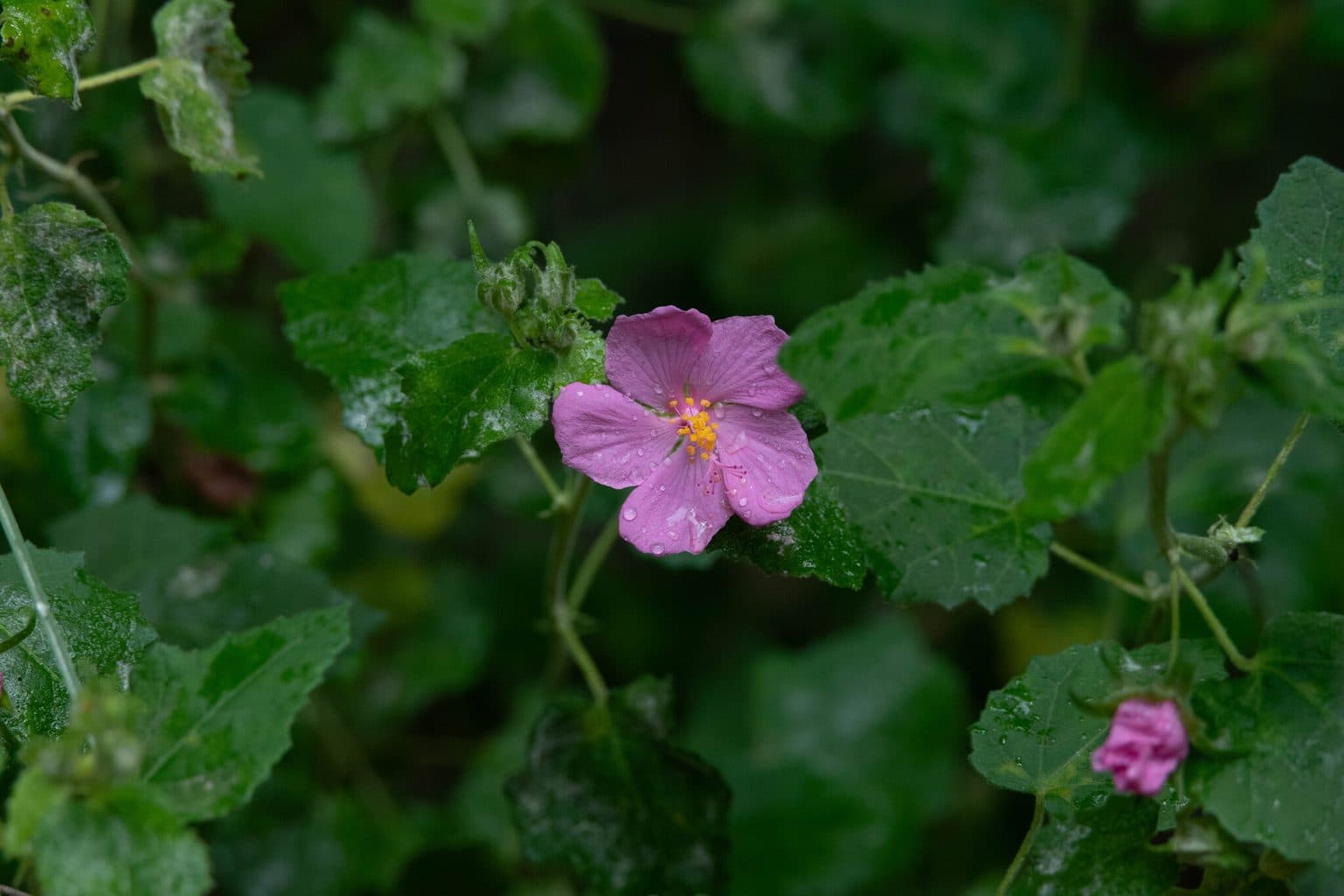
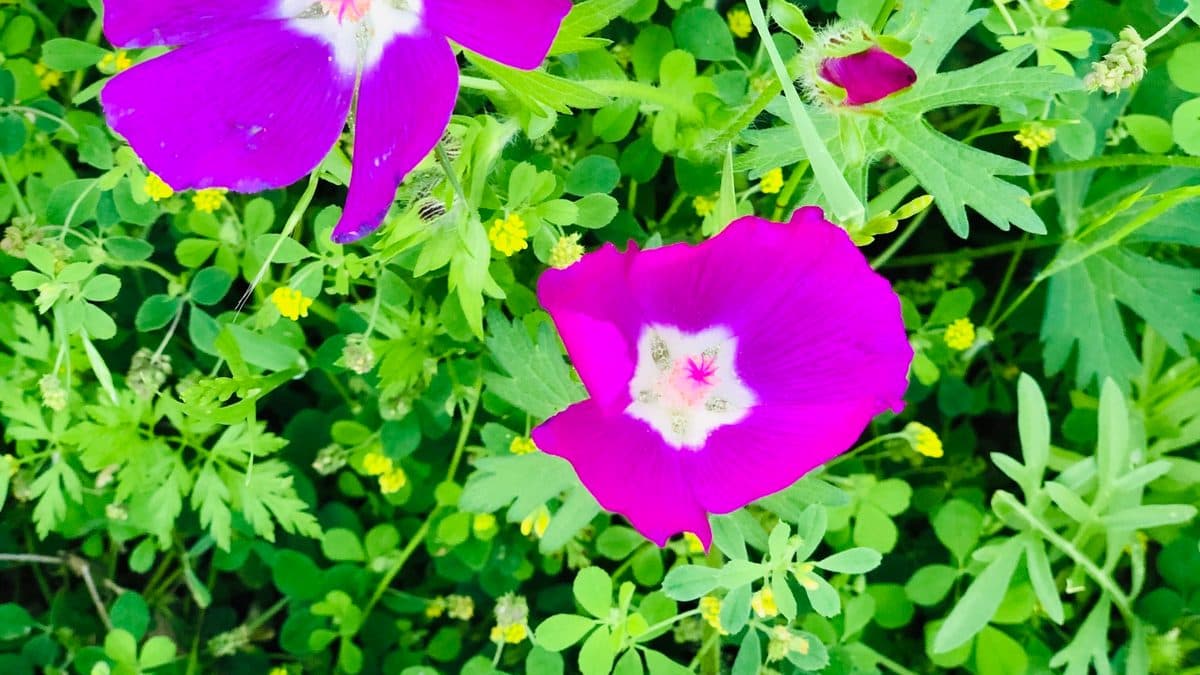
Winecup (Callirhoe involucrata)
Magenta cups on a plant 8 to 12 inches tall that spreads to 3 feet, blooming March through June according to the Wildflower Center (opens in new tab). Two cautions from that page: it often goes dormant in summer, and it can get a rust in wet seasons on the Great Plains. It is a nectar source for bees.
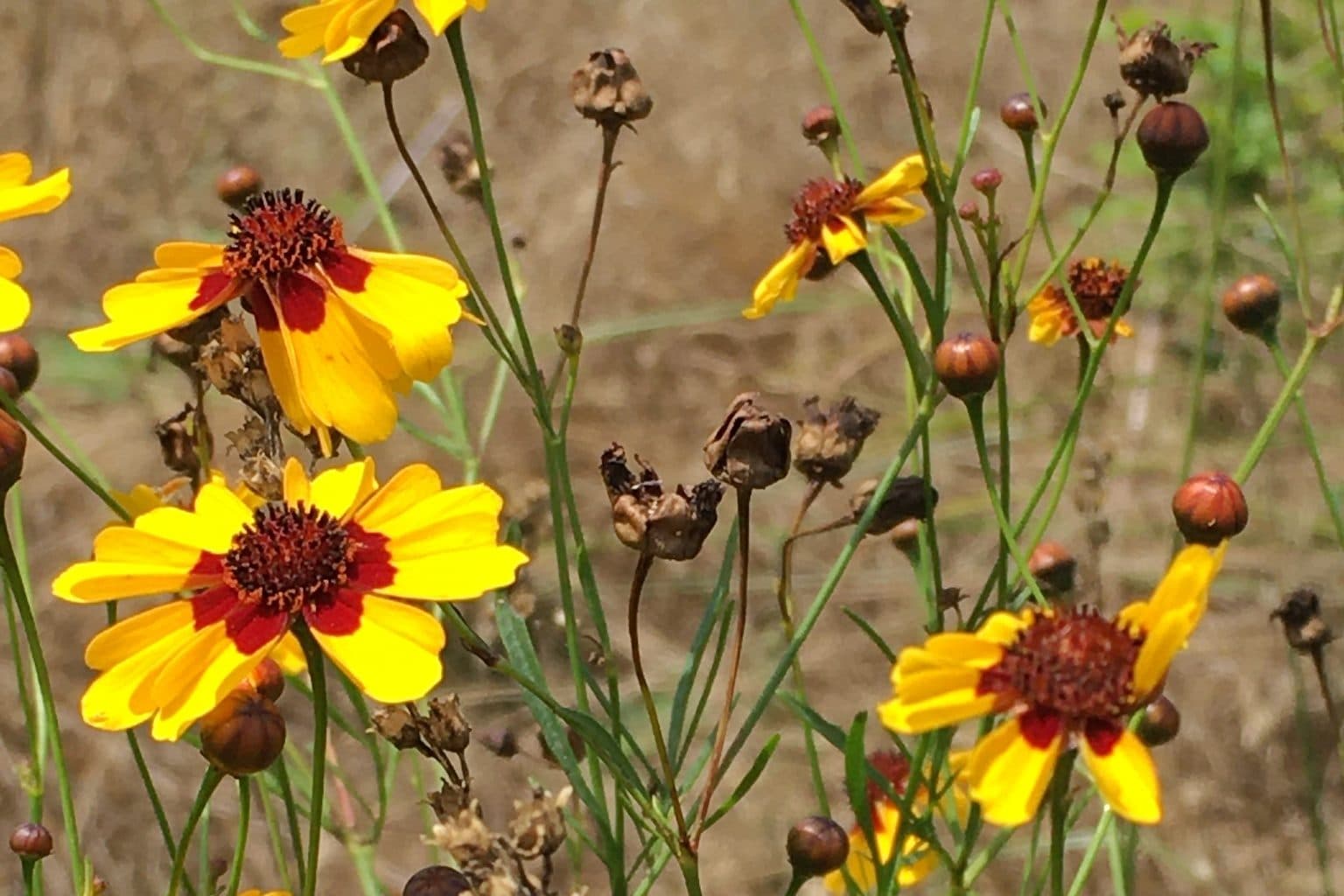
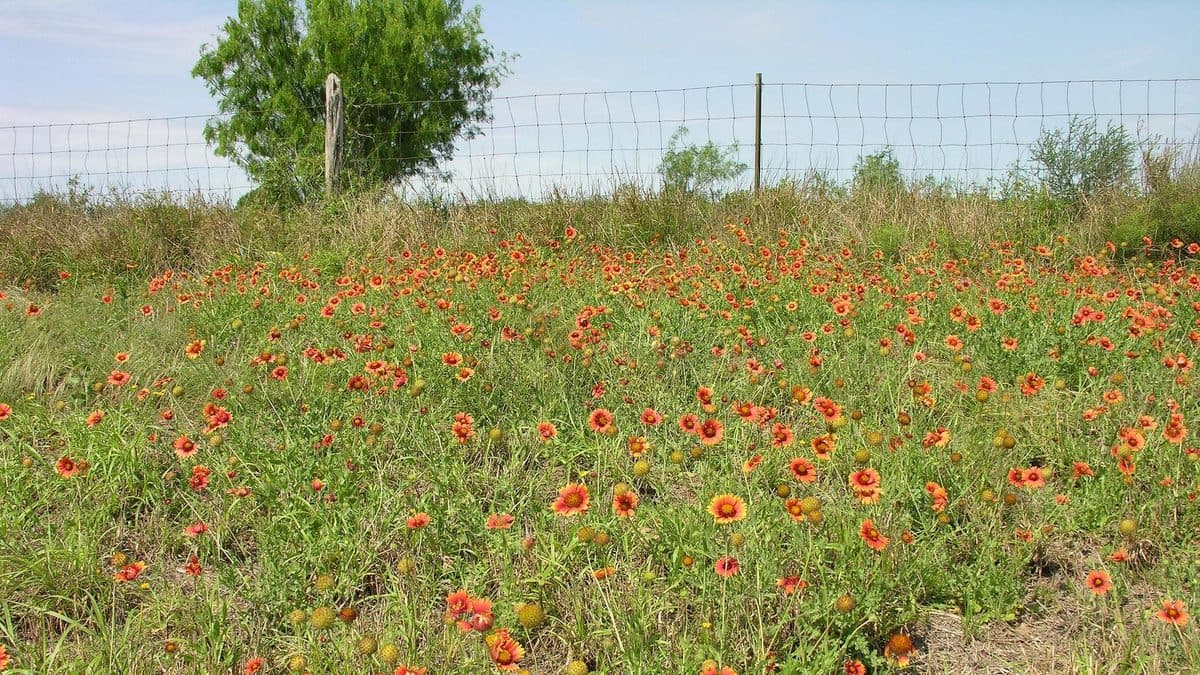
Firewheel (Gaillardia pulchella)
Red and yellow daisies up to about 2 feet tall, blooming May through August on the Wildflower Center (opens in new tab) page, longer if rains are plentiful. It likes sandy or calcareous soil, and rich soil gives large, floppy plants with few flowers. It attracts butterflies.
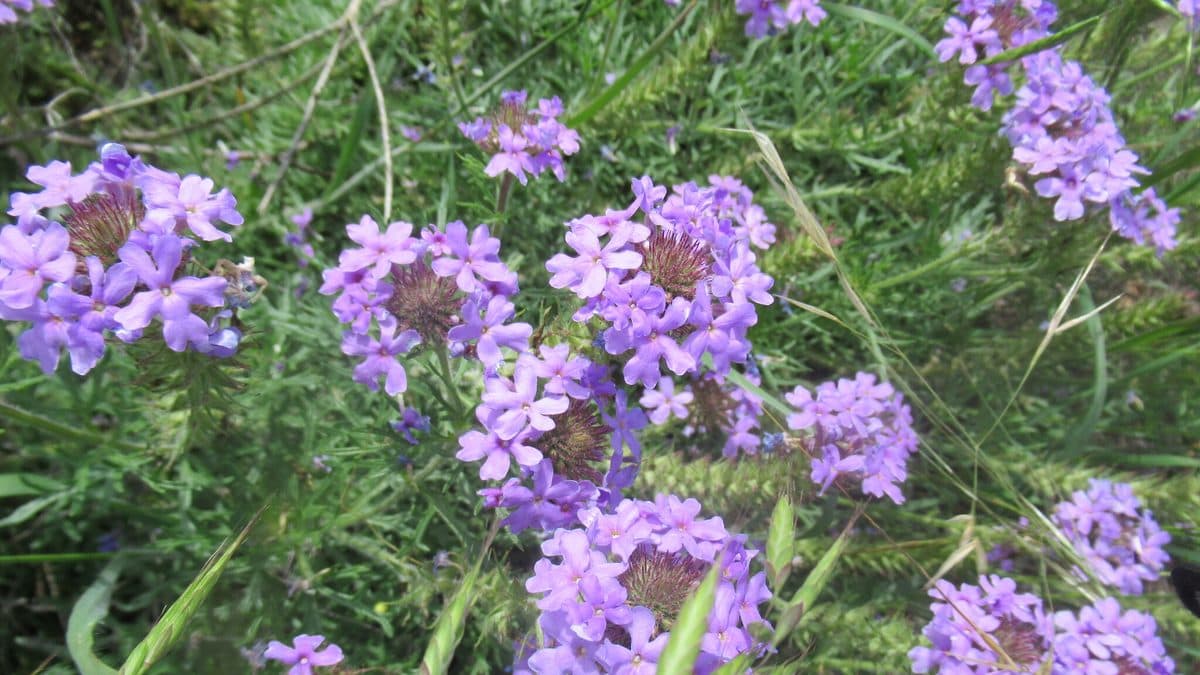
Prairie verbena (Glandularia bipinnatifida)
Lavender to purple flower clusters on a plant up to about 16 inches tall, blooming March through October. The Wildflower Center (opens in new tab) describes it as widespread across most of Texas, growing in well-drained sand, loam, clay, caliche, or limestone, and lists it as a nectar source and highly deer resistant.
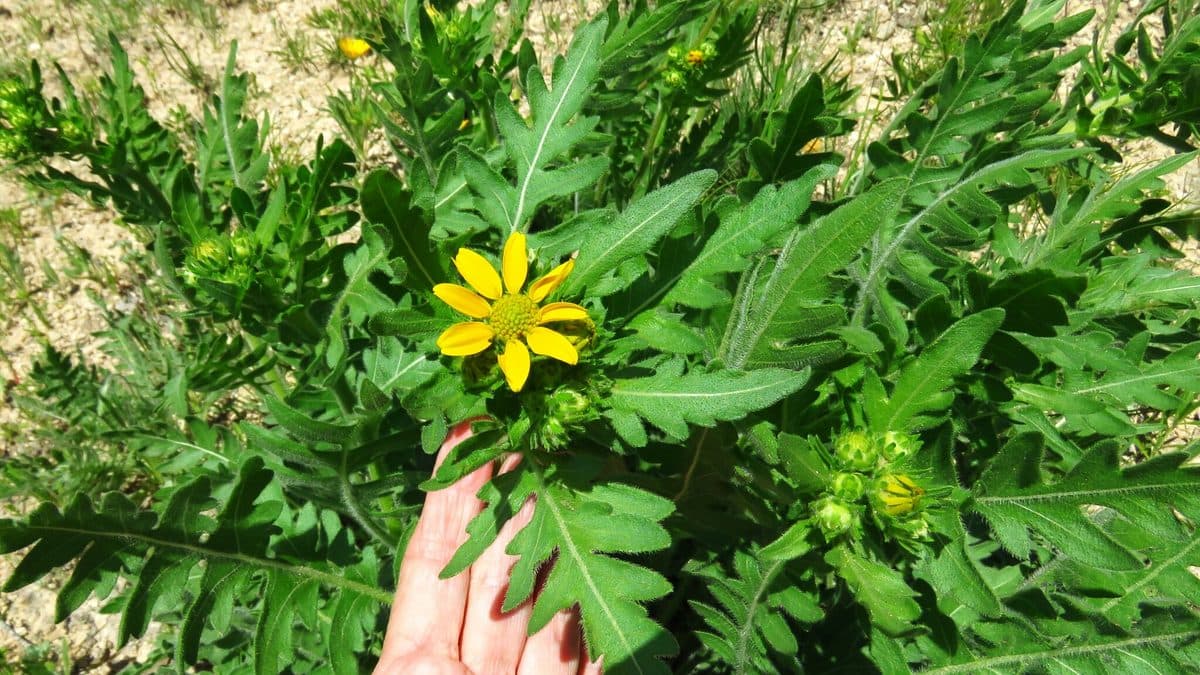
Engelmann's daisy (Engelmannia peristenia)
The tallest plant on the list, up to about 3 feet, with yellow daisies from March through July. The Wildflower Center (opens in new tab) says it needs full sun, grows in calcareous loams and clays, and tolerates heat and drought. Birds eat the seeds. Note that the page says it is not deer resistant, and livestock prefer it.
Water and soil for native plants in Lubbock
Two of these plants have the same lesson in their Wildflower Center pages: too much richness works against them. Firewheel flops in rich soil and blackfoot daisy may live shorter in it, so hold back on rich amendments and extra watering. Our summer care guide for Texas natives covers watering in more detail.
Putting the list together
The bloom windows overlap in a useful way. Winecup opens in March and Engelmann's daisy follows the same month, while firewheel starts in May. Plains zinnia keeps going to October, prairie verbena to October, and blackfoot daisy to November, all per the Wildflower Center pages linked above. Planting a few of each gives you color across most of the growing season with mostly low plants.
Pick two or three and repeat them in drifts so the bed looks intentional from the street, which is also an HOA-friendly habit. For more pollinator picks across the state, see best pollinator plants for Texas and attracting butterflies in a Texas yard. Current water programs are on our Texas rebates page.
People also ask
What native plants grow well in Lubbock?
Plains zinnia, blackfoot daisy, winecup, firewheel, prairie verbena, and Engelmann's daisy. The Native Plant Society of Texas lists them for the Llano Estacado or High Plains, and the Lubbock County Master Gardeners list five of them as water-wise perennials.
Which Lubbock natives stay small?
Plains zinnia (6 to 8 inches), blackfoot daisy (seldom over 6 inches), and winecup (8 to 12 inches) are the lowest, according to the Wildflower Center. Engelmann's daisy is the tallest at up to about 3 feet.
Do these plants need rich soil?
Not for these six. The Wildflower Center lists dry soil among the conditions for each, and says rich soil makes firewheel floppy and may shorten blackfoot daisy's life.
Want the list for your own ZIP?
Pollinator Patch matches native plants to your ZIP and ecoregion, then helps you lay them out by sun and height.