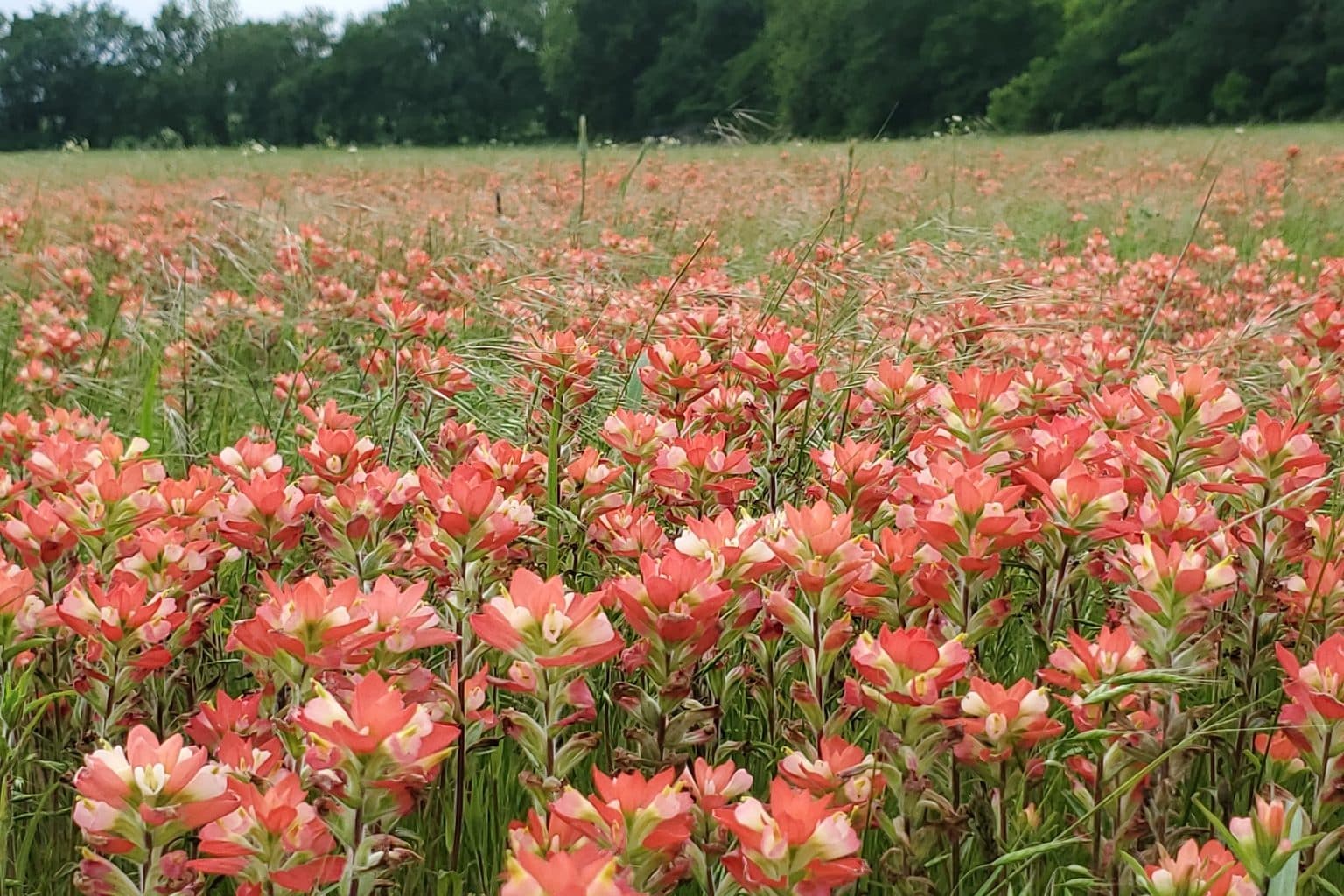
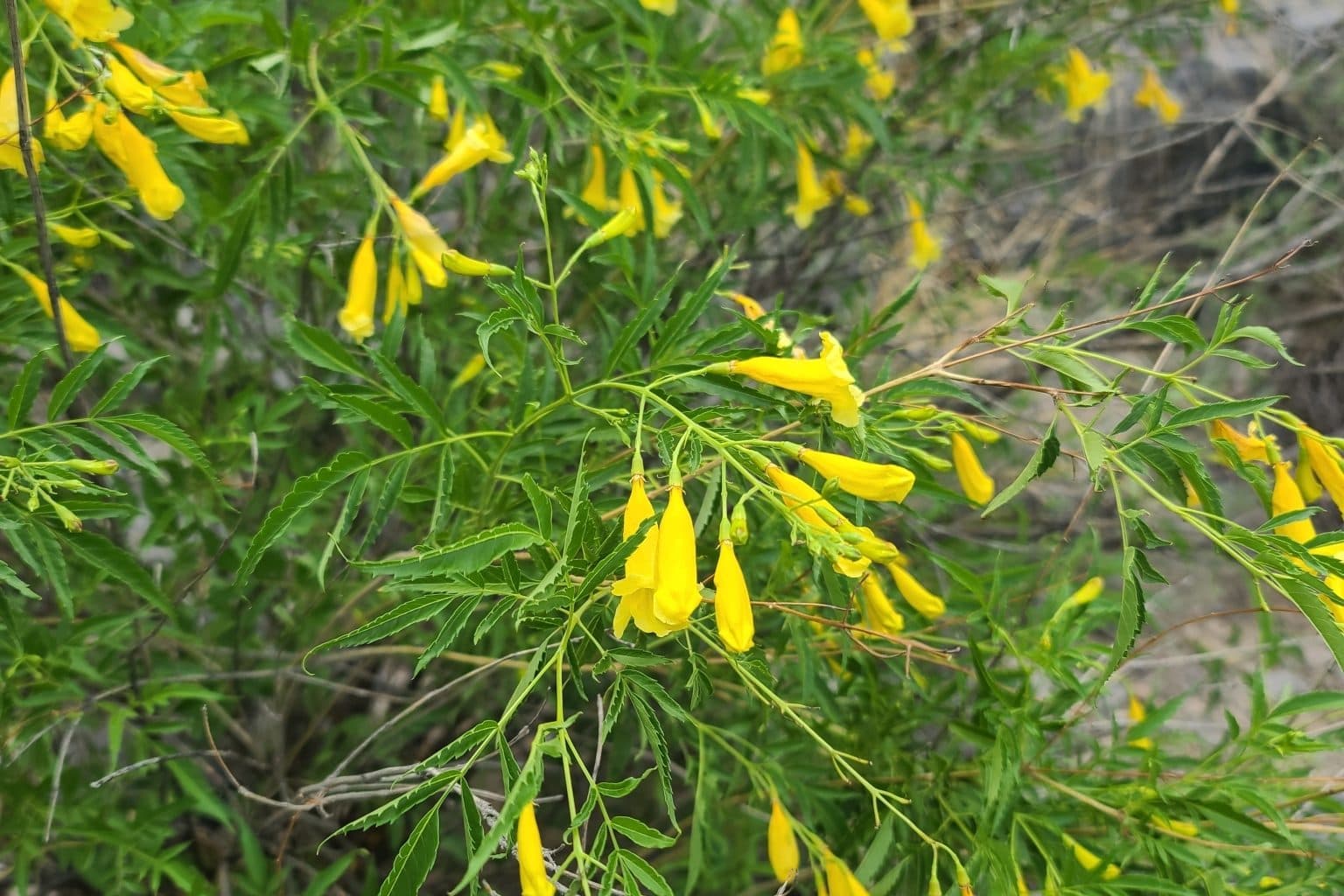
Quick answer: For native plants in Tyler and East Texas, start with six that appear on the Native Plant Society of Texas Tyler Chapter's list or in Tyler State Park's plant notes: flowering dogwood, eastern redbud, American beautyberry, purple coneflower, little bluestem, and inland sea oats. The chapter describes soils in this area as generally acidic sands or sandy loams. Match each plant to its light.
Anyone looking for native plants in Tyler and East Texas is planting in sandy, acidic ground with more rain than most of the state gets, under pines and hardwoods that make real shade. A plant list that starts from that is more useful than a statewide one.
This list is built for the Piney Woods around Tyler. The Tyler Chapter says Smith County falls in both the Pineywoods and Post Oak Savannah ecoregions (opens in new tab), so Tyler sits on the edge between them. Size, light, and soil figures below come from the Lady Bird Johnson Wildflower Center (opens in new tab) unless another source is named.
What native plants in Tyler and East Texas have to handle
The Tyler Chapter puts the Pineywoods at 35 to 60 inches of rain a year and the Post Oak Savannah at 28 to 40 inches. For both, it describes the soils as acidic, mostly sands or sandy loams (NPSOT Tyler Chapter). Match each plant to the soil note in the table rather than assuming one watering habit fits all of them.
Shade is the other half. At Tyler State Park, TPWD says the park sits near the western edge of the Pineywoods (opens in new tab), with shortleaf pine dominant on higher, drier ground and loblolly pine at lower elevations. Flowering dogwood and eastern redbud are listed there as understory trees. If your yard sits under pines or oaks, check the light column in the table first.
| Plant | Light | Soil note | Size |
|---|---|---|---|
| Flowering dogwood | Part shade to shade | Rich, well-drained, acidic | 20 to 40 ft, sometimes taller |
| Eastern redbud | Part shade to shade | Moist, fertile, well-drained | 15 to 30 ft |
| American beautyberry | Part shade | Moist, rich, including sand and clay | 3 to 5 ft, about as wide |
| Purple coneflower | Sun to part shade | Well-drained, sandy or richer | Up to about 4 ft |
| Little bluestem | Sun to part shade | Well-drained, sand to clay | Mounds 18 to 24 in |
| Inland sea oats | Part shade to shade | Moist sands, loams, clays | 2 to 4 ft |
Native plants for Tyler and East Texas shade: trees and shrubs
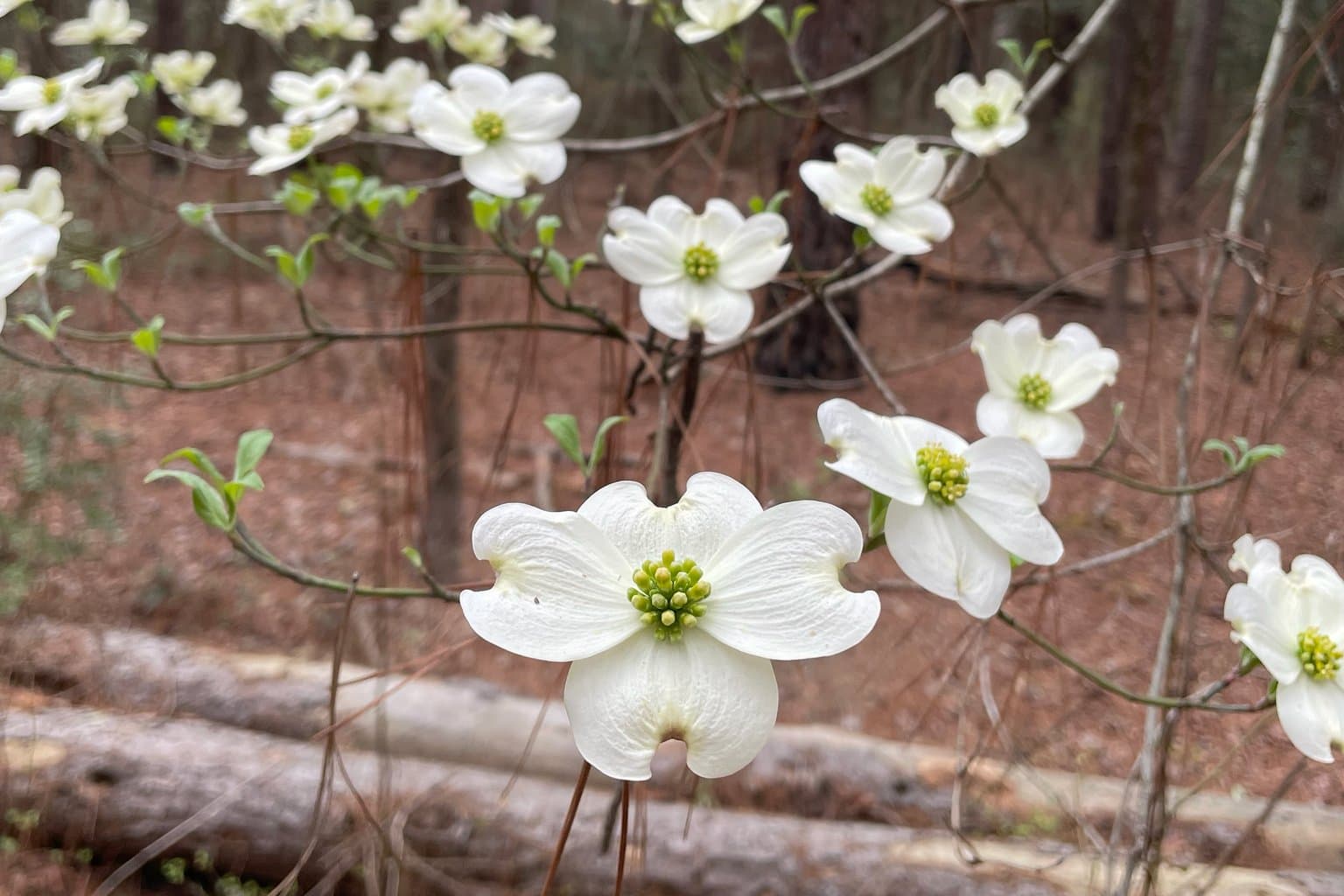
Flowering dogwood (Cornus florida)
The Wildflower Center (opens in new tab) lists its range as Florida to east Texas and asks for rich, well-drained, acidic soil, which matches the Tyler Chapter's soil description. It blooms from February through June, hosts the spring azure butterfly, and its fruit feeds birds. Plant it where it gets part shade to shade, such as under taller pines.
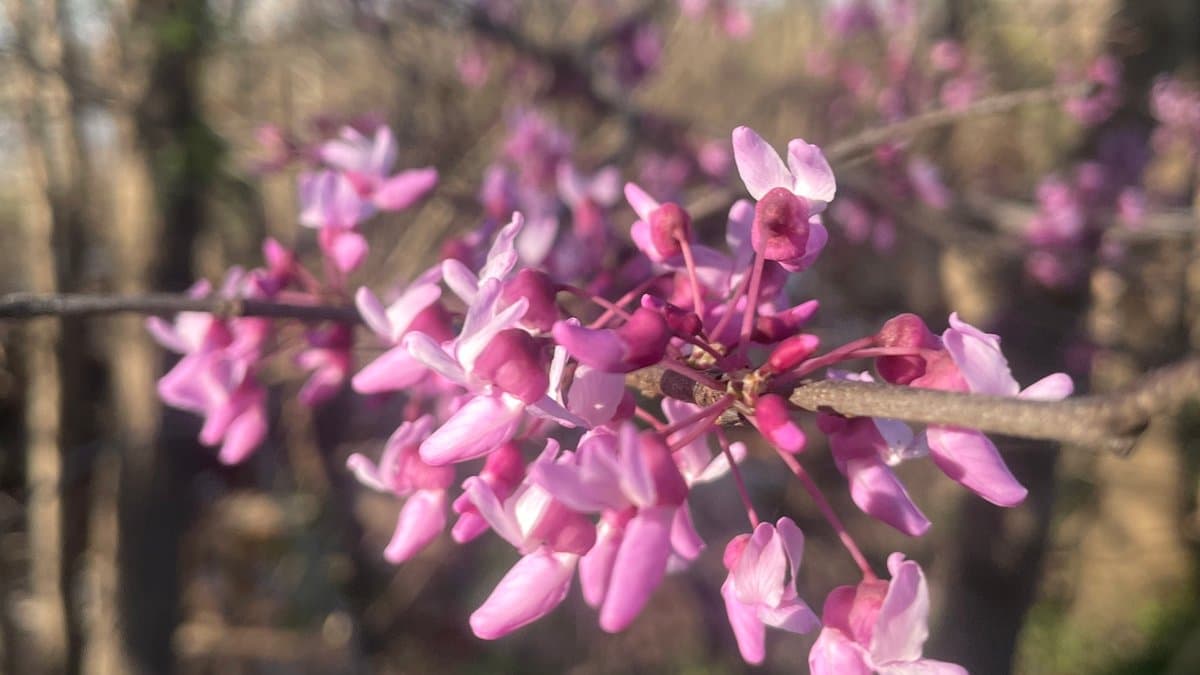
Eastern redbud (Cercis canadensis)
Another understory tree from the Tyler State Park list. The Wildflower Center (opens in new tab) gives its bloom as pink in March through May, notes special value to native bees, and lists moderate deer resistance. It reaches about 30 feet, so it suits a front corner more than a narrow bed.
American beautyberry (Callicarpa americana)
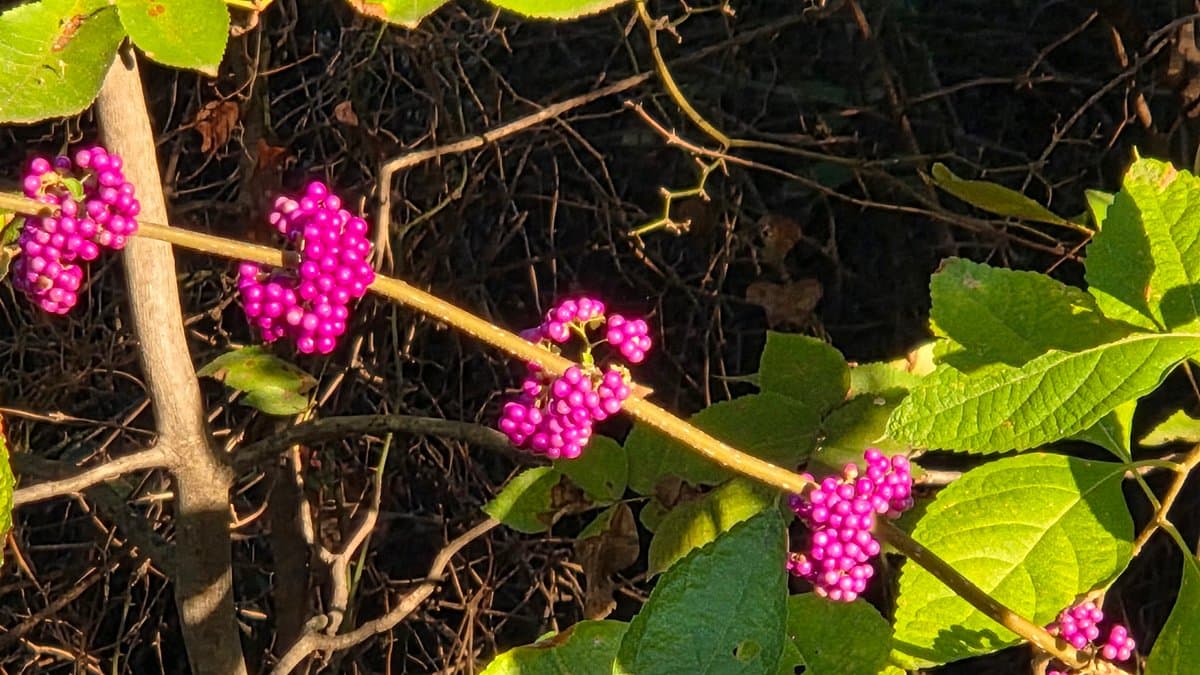
TPWD names it at Tyler State Park, and the Tyler Chapter lists it among shrubs. The Wildflower Center (opens in new tab) says it likes part shade and moist, rich soil, and that the berries are an important food for birds. Deer favor the leaves. It can drop foliage in a long summer drought, so water it through the worst of August.
Native plants for Tyler and East Texas sand: perennials and grasses
Purple coneflower (Echinacea purpurea)
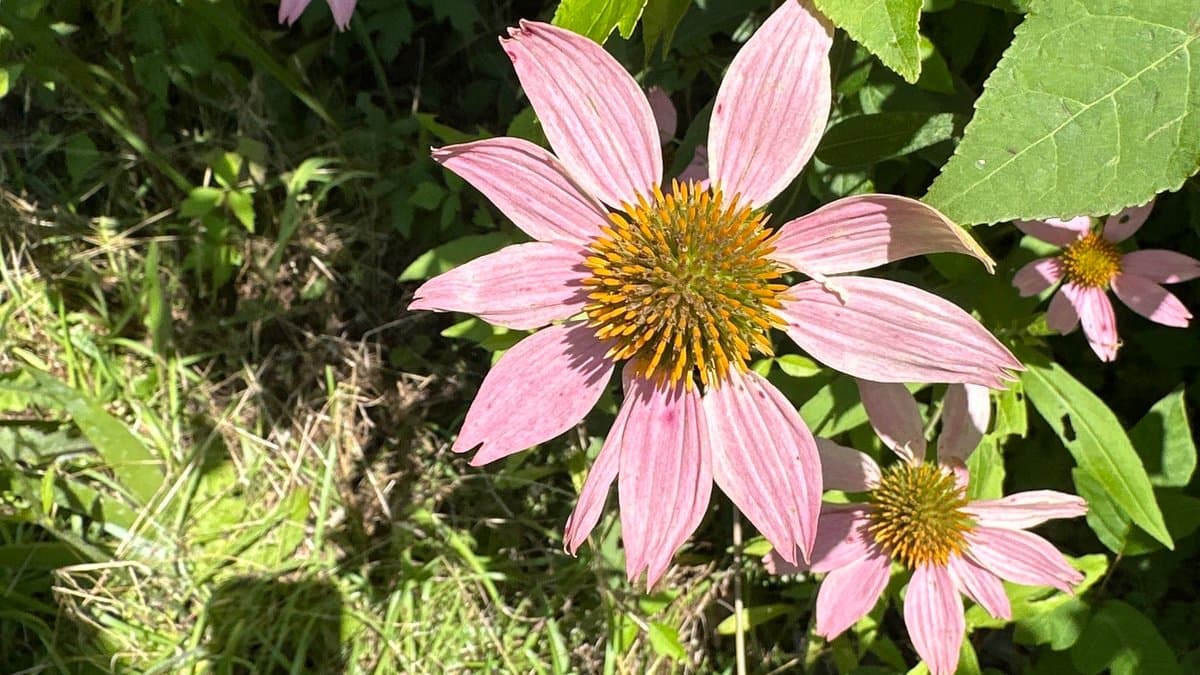
Tyler State Park lists it, and the Wildflower Center (opens in new tab) puts its range in extreme northeast Texas. It wants well-drained, sandy or richer soil, so East Texas sand suits it. It blooms April through September, draws butterflies and hummingbirds, and has special value for native bees. The same page warns that it can become very aggressive, so give it room.
Little bluestem (Schizachyrium scoparium)
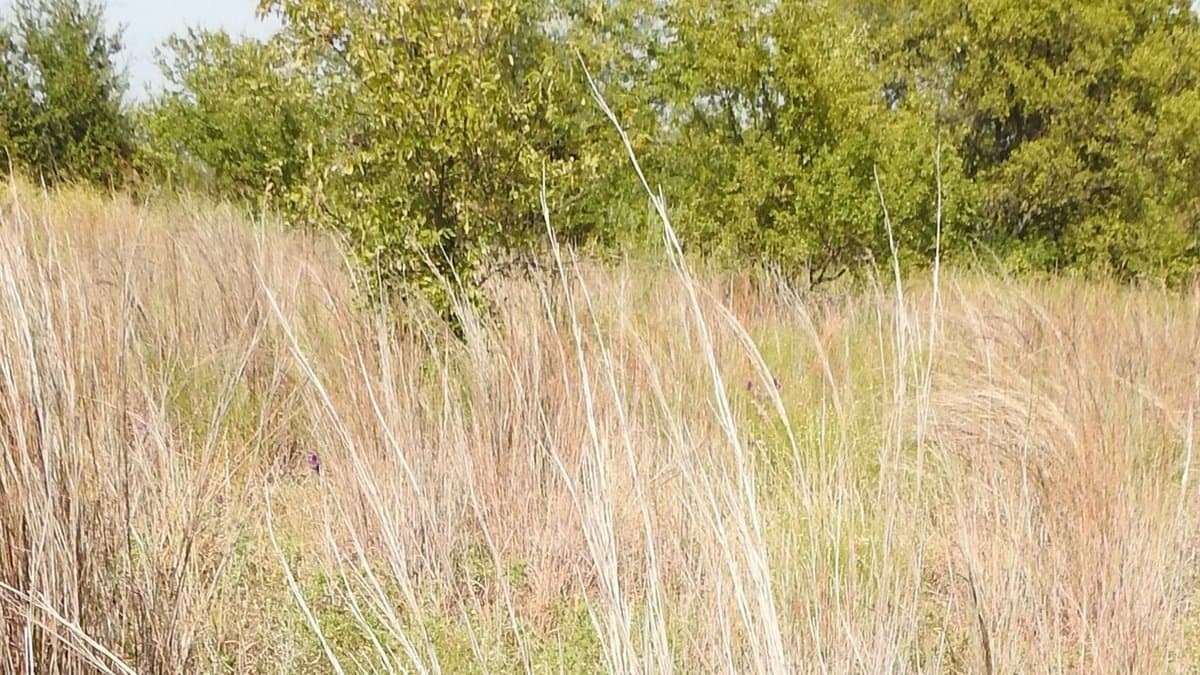
TPWD lists little bluestem among the grasses at Tyler State Park. The Wildflower Center (opens in new tab) says it forms dense mounds 18 to 24 inches tall and tolerates many soils, though not wetlands or constantly wet sites. It hosts several skippers, including the Ottoe, Indian, and Dusted, and is rated highly deer resistant. It reseeds readily, so it is not recommended for small gardens.
Inland sea oats (Chasmanthium latifolium)
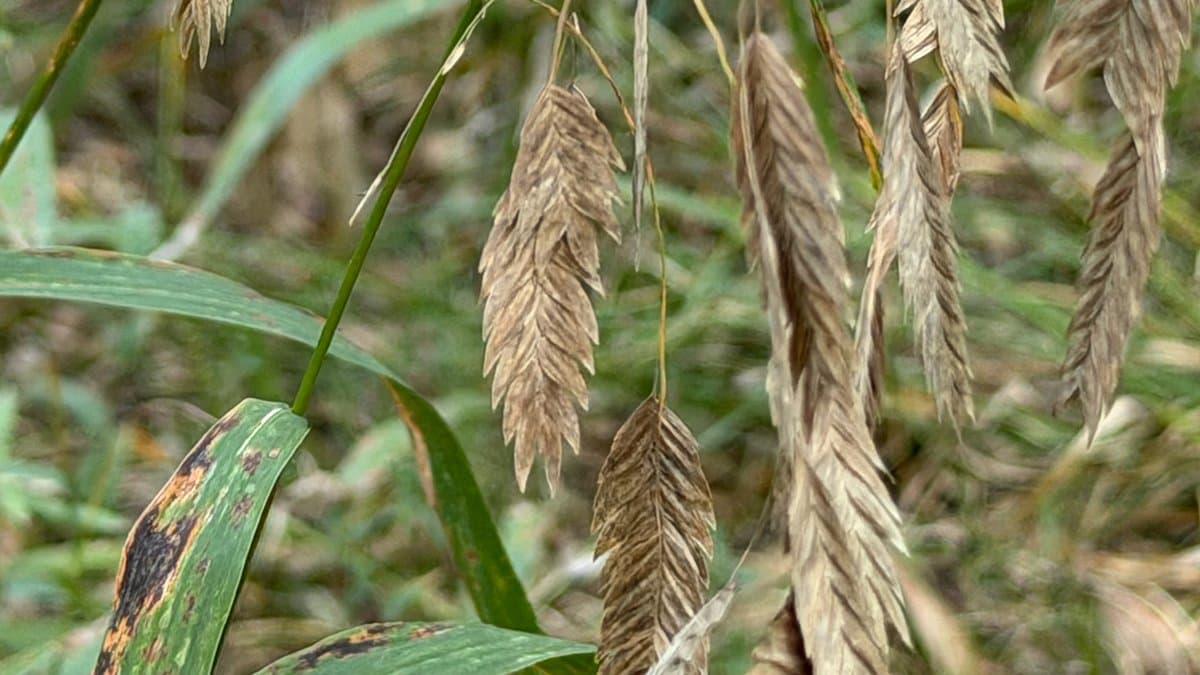
It is on the Tyler Chapter's grass list, and it is the one for shade. The Wildflower Center (opens in new tab) lists part shade to shade and moist sands, loams, and clays, with poorly drained ground fine. Its leaves turn yellowish in continuous full sun. It hosts the pepper and salt skipper and two roadside skippers.
Watering and spacing native plants in Tyler and East Texas
The Wildflower Center rates both flowering dogwood and eastern redbud as low water use once established. Beautyberry is the one to watch, since the same source says it may temporarily lose its leaves in prolonged summer drought. Inland sea oats goes the other way. The page says extra water makes it more tolerant of strong sun, but it still prefers shade.
Little bluestem is the plant to keep out of the low spot where water collects, because the Wildflower Center says it will not tolerate wetlands or sub-irrigated sites. Sea oats handles that wetter ground better, since its page says poorly drained soil is fine. That gives you a simple rule for a sloped yard: bluestem high, sea oats low.
Spacing matters for two of the six. Purple coneflower can become very aggressive, and little bluestem reseeds readily, so both need a defined bed or an edge you plan to maintain. For pollinators, the Wildflower Center lists special value to native bees for both redbud and purple coneflower, and names skippers that use little bluestem and inland sea oats as larval hosts.
Putting the list together
Use the sandy soil and the shade to sort the list. Dogwood, redbud, beautyberry, and sea oats are the shade layer. Coneflower and little bluestem take the sunnier strip near the street. Repeating two or three of them reads as intentional, which is also an HOA-friendly habit.
For a wider Texas view, read best native plants for Texas, or native pollinators by Texas ecoregion. The Texas rebates page lists current water programs.
People also ask
What ecoregion is Tyler, Texas in?
The Native Plant Society of Texas Tyler Chapter says Smith County falls in both the Pineywoods and Post Oak Savannah ecoregions. TPWD describes Tyler State Park as near the western edge of the Pineywoods, bordering the Post Oak Savannah.
What is the soil like in Tyler and East Texas?
The Tyler Chapter describes Pineywoods soils as generally acidic, mostly pale to dark gray sands or sandy loams, and says upland soils in the Post Oak Savannah are acidic sandy loam or sands.
Which native plants grow in shade in East Texas?
Flowering dogwood, eastern redbud, American beautyberry, and inland sea oats are listed by the Wildflower Center for part shade or shade, and the first three appear in Tyler State Park's plant notes or the Tyler Chapter list.
Want the list for your own ZIP?
Pollinator Patch matches native plants to your ZIP and ecoregion, then helps you lay them out by sun and height.