Quick answer: Yes, if the soil is dry. Water the soil a day or so before the freeze, because moist soil holds more heat than dry soil and gives some of it back overnight (University of Georgia Extension and Texas A&M AgriLife Extension). Do it in daylight, aim at the roots instead of the leaves, and stop once the soil is damp. Skip it when the soil is already wet or the ground is already frozen, and never leave a sprinkler running over your plants through the night.
Key takeaways
- Water two days before the frost, or the night before if it is close. Wet soil retains more heat than dry soil (University of Georgia Extension).
- Texas A&M AgriLife Extension says to give plants a good watering a day or so in advance, because moist soil is a good heat sink, and to avoid waterlogged soil (Texas A&M AgriLife Extension).
- Water the soil, not the foliage. Sprinkling leaves and branches before a freeze does not protect them, and the water can freeze on them and do more harm (Texas A&M AgriLife Extension).
- Soil that is already at field capacity gains nothing from more water, and prolonged saturated soil damages roots (University of Georgia Extension).
- The overhead sprinkler method works only if the sprinklers run without a break until temperatures rise (Ohio State University Extension), which is why it belongs to commercial growers.
Should you water plants before a freeze?
A forecast freeze sends most people to the closet for bedsheets. The hose is a better first move. Soil soaks up heat during the day and releases it after dark, and wet soil does that job better than dry soil.
University of Georgia Extension puts the rule plainly: water plants two days before the frost is expected, or the night before if it is imminent, because wet soil retains more heat than dry soil (University of Georgia Extension). A second Georgia publication adds the size of the effect. Moist soil holds more daytime heat and releases it overnight, which can warm the area around the plants by up to two degrees (University of Georgia Extension).
Drought-stressed plants also take cold worse than well-watered ones, according to Texas A&M AgriLife Extension, which is a second reason to water ahead of a freeze (Texas A&M AgriLife Extension). Watering does not replace a cover for a tomato or a hibiscus. It is the base layer, and the covering post handles the rest.
When to water: the day before, in daylight
Give the water time to soak in and the soil time to warm before dark. Texas A&M AgriLife Extension says a day or so ahead of the freeze, and University of Georgia Extension says two days ahead or the night before. Anywhere inside that window works. Morning or midday is the easy choice, because Colorado State University Extension asks for midday watering in cold weather so the moisture soaks in before nighttime freezing (Colorado State University Extension).
Look up when your first freeze usually lands with the frost date lookup for your ZIP, then watch the forecast from about a week before that date.
Do not water during the freeze, and do not water ground that is already frozen. Colorado State sets a floor of 40F air temperature for winter watering, so use that as your cue ahead of a freeze too (Colorado State University Extension). If the freeze has already started, the window for this job has closed.
How to do it, step by step
- Check the soil first. Push a trowel in and look a few inches down. If it is already damp, you are done. Georgia Extension is explicit that soil at field capacity gains nothing from more water (University of Georgia Extension).
- Water the soil around the plants. Take the hose to the ground, not the leaves. Texas A&M AgriLife Extension says sprinkling foliage and branches before a freeze does not protect them, and the water can freeze on the leaves and stems and cause more harm (Texas A&M AgriLife Extension).
- Stop at moist. Texas A&M AgriLife Extension specifically warns against waterlogged soil (Texas A&M AgriLife Extension). You want soil that holds together when squeezed and does not drip.
- Pull thick mulch back if you have to. Texas A&M AgriLife Extension notes that thick mulch can block water from reaching the soil, so you may need to rake it aside to water, then put it back (Texas A&M AgriLife Extension).
- Cover the tender plants before sunset. The watering stores the heat. The cover holds it in.
How much water is enough
None of the extension pages I read gives a pre-freeze amount for a home garden, so I will not invent one. The goal is a moist root zone, not a soak. A bed that got rain two days ago needs nothing. A bed that has been dry for two weeks needs a slow, thorough watering. The gallon amounts for trees and shrubs live in the fall watering schedule, and they are not repeated here.
Sandy soil and clay soil behave differently
When watering before a freeze does not help
The soil is already wet. Georgia Extension says that once soil is at field capacity, more water will not improve the amount of energy it stores (University of Georgia Extension). It can hurt. Prolonged saturated soil conditions damage the root systems of most plants (University of Georgia Extension).
You are tempted to keep watering for days. The same Georgia piece warns that irrigating for several days can soak the soil, damaging roots and causing plant breakage from ice build-up (University of Georgia Extension). One good watering ahead of a cold night is the whole job.
The plant is a pot. A container has no ground to borrow heat from. Texas A&M AgriLife Extension says container roots have little ability to develop cold tolerance and that the soil in a pot can get nearly as cold as the air (Texas A&M AgriLife Extension). Watering a pot is fine, but moving it against the house or into a garage does more.
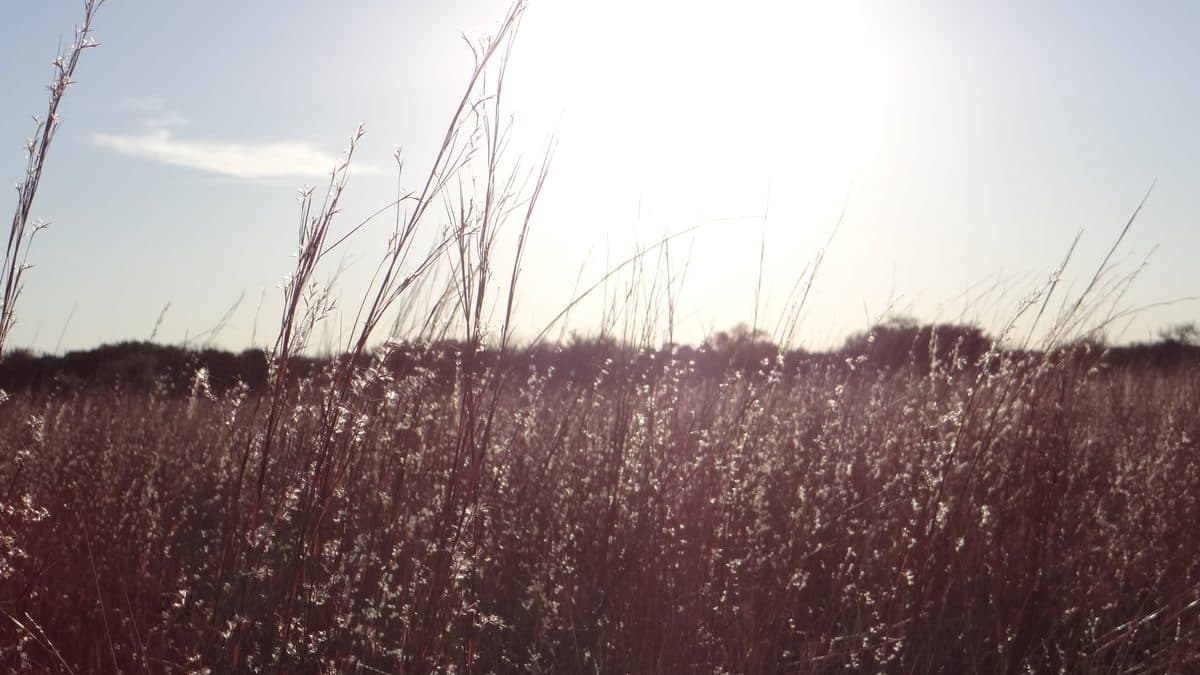
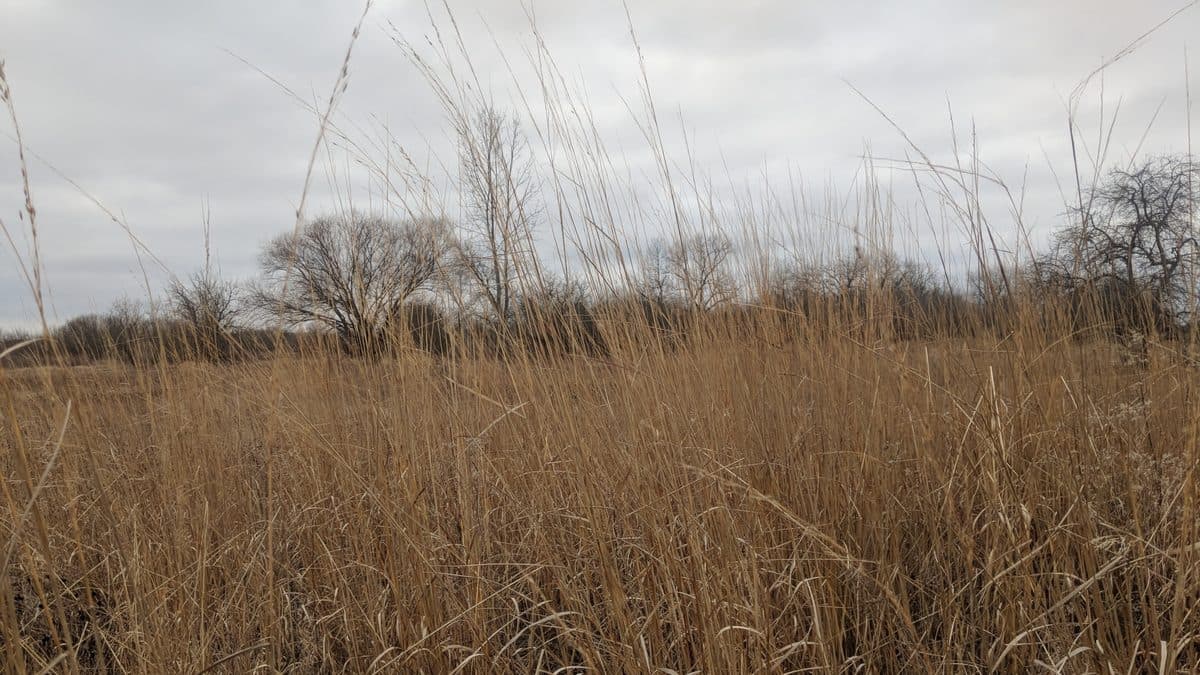
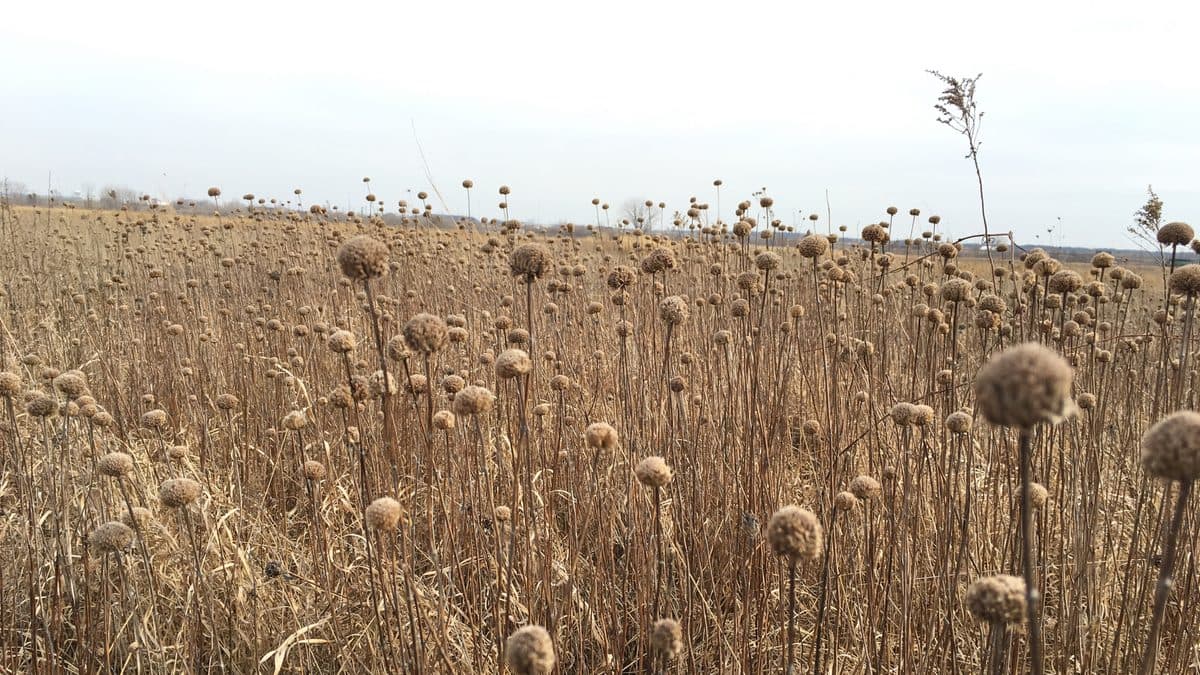
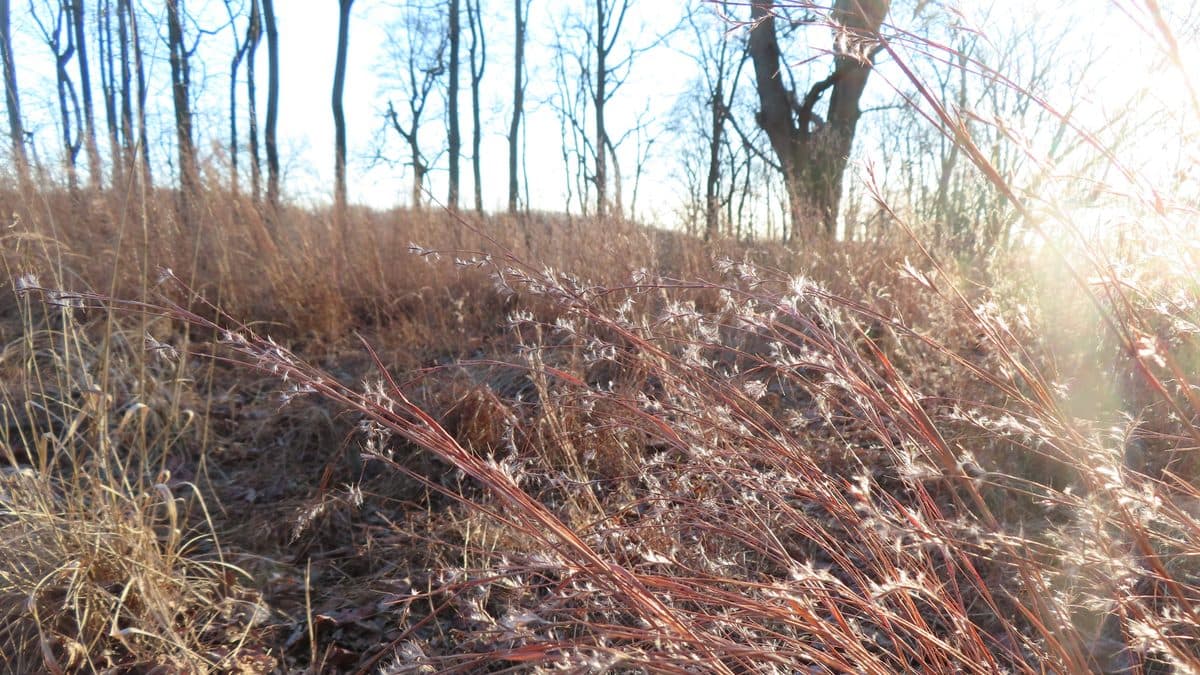
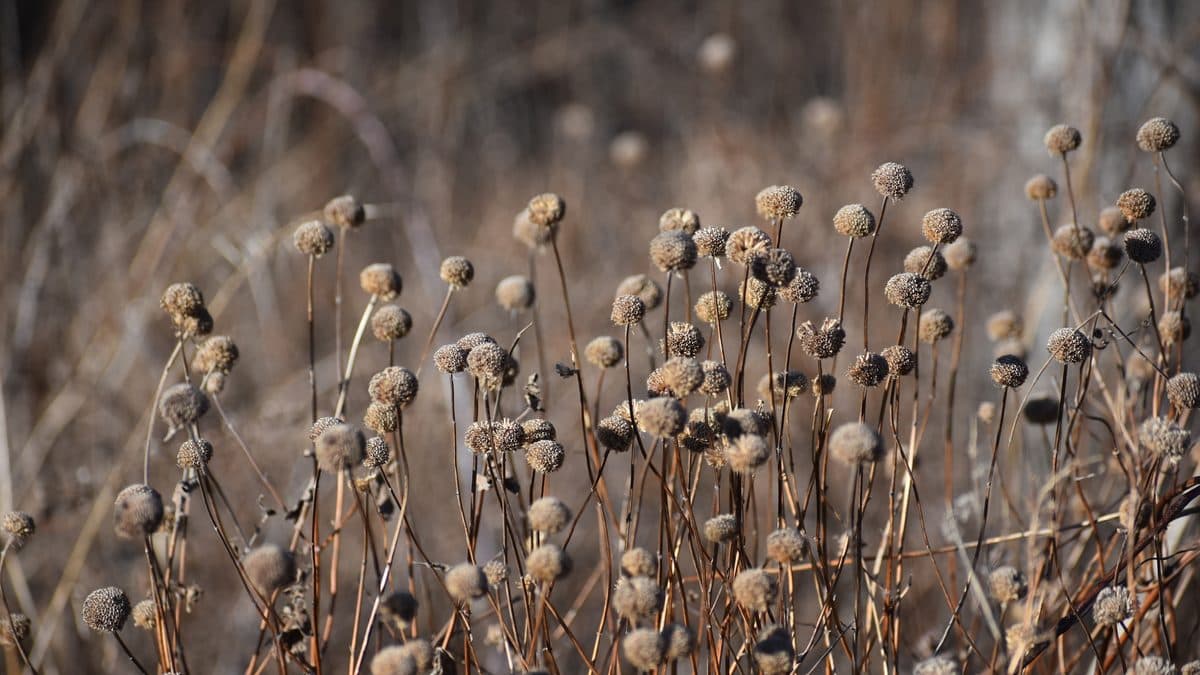
The plant is an established native, dormant for the winter. This one is my read, not a line from an extension page. The sources above are written for vegetables, annuals, tropicals, new plantings and shrubs. A little bluestem or bergamot clump that has been in the ground for years and is standing dry for winter is not what they describe. If the soil is damp from fall rain, skip it.
The sprinkler ice method, and why it is not for a yard
You may have read that spraying plants with water protects them, and it is true in a narrow way. North Carolina State Extension describes it: water releases heat as it turns to ice, so a plant that is being sprayed warms up and is protected (North Carolina State Extension). Commercial fruit and vegetable growers use overhead sprinklers on this principle.
The protection comes from the water freezing, over and over, for as long as the cold lasts. Ohio State University Extension says the sprinklers must be left on all the time until temperatures rise, and that cloudy or milky ice means the water is not going on fast enough (Ohio State University Extension). University of Georgia Extension says to keep the system running until the ice is melting, and that winds over 10 mph and temperatures below 23F can make the method ineffective (University of Georgia Extension).
Ohio State also warns of branch breakage from the weight of the ice and a need for a dependable, large water supply, and advises anyone new to the method to ask experienced growers or Extension first. A hose-end sprinkler switched on at dusk and off at bedtime is the worst version, since the benefit depends on the freezing never stopping.
For a home garden, the better version is the one in this post. Water the soil ahead of time, then cover.
After the freeze
Take covers off the next day once temperatures are above freezing (Iowa State University Extension). Colorado State adds that sheets and blankets have to come off in the daytime so the soil can recharge its stored heat for the next night (Colorado State University Extension).
Check the soil again. Georgia Extension notes that frozen soil can leave plants without available water even on sunny days, so a plant that wilts after a freeze may be thirsty and not dead (University of Georgia Extension). If the ground has thawed, a drink at midday helps. If it is still frozen, wait.
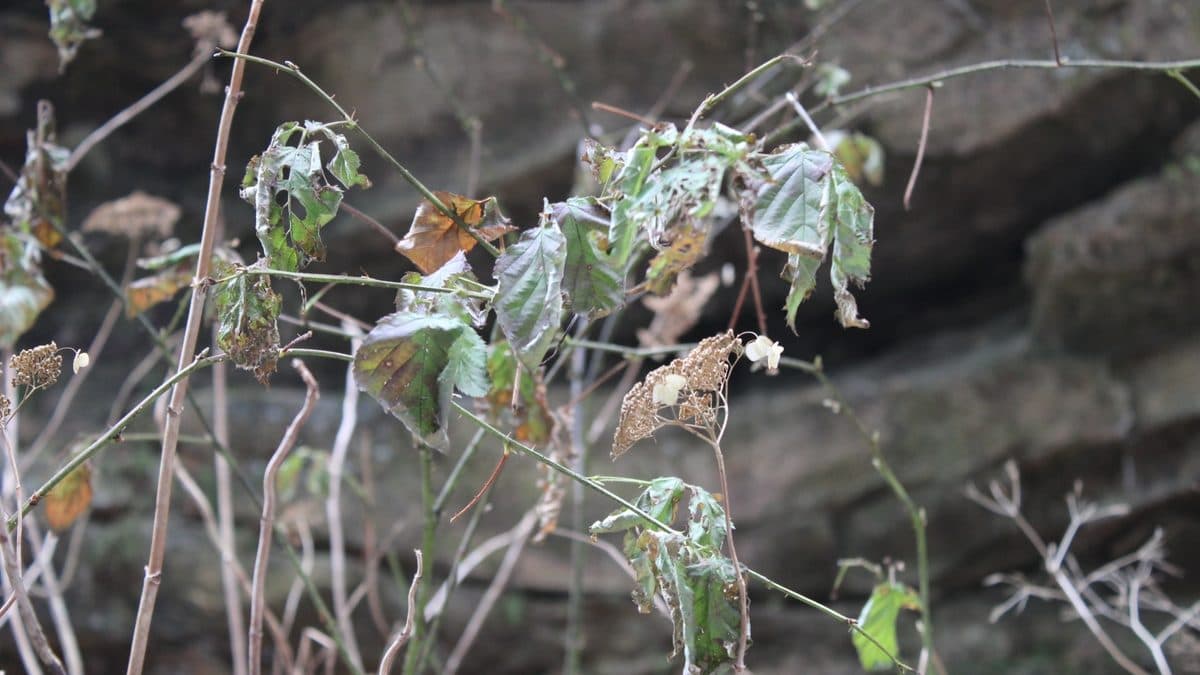
Resist the urge to cut everything back the next morning. North Carolina State Extension says to prune off dead or dying tissue and wait it out, because the plant may still recover (North Carolina State Extension). Iowa State adds that damage can still show up above 28F, especially when below-freezing temperatures last a long time (Iowa State University Extension). Give it a week or two before you decide what is dead.
Mulch is the other after-the-freeze job, covered in the winter mulch post.
How this differs from winter watering
Watering before a freeze is a one-time act, tied to a forecast. Winter watering is a habit for places with long dry stretches and little snow. Colorado State asks for it only when air temperatures are above 40F, at midday, during extended dry periods with no snow cover, about once or twice a month, with woody plants with shallow roots first in line (Colorado State University Extension).
Where winters bring regular rain or snow, you may never need the second. Where they are dry and sunny, you will do both. The fall watering schedule covers the long season and the amounts. For a plant-by-plant look at a freeze in one region, see the Texas native plant freeze guide.
Where the app fits
The hard part of this advice is the timing. You want to know about the freeze a day or two ahead, not at 9 p.m. Pollinator Patch sends freeze alerts by ZIP code, so the reminder shows up while there is still daylight to water and cover.
People also ask
Should you water plants before a freeze?
Yes, if the soil is dry. Water the soil a day or so ahead, because moist soil holds more heat than dry soil and releases it overnight (University of Georgia Extension). Skip it if the soil is already wet or already frozen.
Is it better to water plants before or after a freeze?
Before. The watering helps the soil store heat for the cold night. After a freeze, check the soil, because frozen soil can leave plants without available water, and a plant that wilts may be thirsty (University of Georgia Extension).
Does watering protect plants from frost?
Partly. Moist soil can warm the area around plants by up to two degrees (University of Georgia Extension). It will not stop a hard freeze, so cover tender plants too.
Should I spray my plants with water before a freeze?
No. Sprinkling the foliage and branches once before a freeze does not protect plants, and the water can freeze on them and cause more harm (Texas A&M AgriLife Extension). Water the soil.
Know about the freeze a day early
Pollinator Patch sends freeze alerts by ZIP code, so you hear about a cold night while there is still time to water and cover. Care is free for every plant you own, native or not.